Record Aircraft Backlogs Stall Boeing, Airbus Deliveries

Co-Founder & CEOAviation News Editor delivering trusted coverage across the global aviation industry.

Record aircraft backlogs at Boeing and Airbus are delaying new plane deliveries, driven by ongoing engine and component supply chain shortages.
Key Takeaways
- •Boeing and Airbus face a combined aircraft order backlog of over 15,500.
- •Boeing acquired Spirit AeroSystems for $8.3B to stabilize its 737 supply chain.
- •Airbus A220 production is hindered by Pratt & Whitney GTF engine shortages.
- •Boeing is adding a new 737 MAX assembly line in Everett to boost output.
The commercial aviation industry is grappling with an unprecedented Aircraft Order Backlog, hindering airline fleet expansion plans despite historic demand. At the heart of the issue are persistent supply chain bottlenecks, particularly affecting engines and aircraft interiors. To combat this, the Boeing Spirit AeroSystems Acquisition aims to stabilize a key part of its production, while the new Boeing 737 Everett Assembly Line is set to increase capacity. Concurrently, persistent Airbus A220 Engine Issues, specifically the Pratt & Whitney GTF Shortage, continue to disrupt the European manufacturer's delivery schedule.
For airlines, these manufacturing constraints translate directly into delayed growth and frustrated capacity planning. The combined order book for the two largest airframers stands at over 15,500 aircraft. According to a report from Airbus, its commercial aircraft backlog reached 8,770 aircraft as of February 2026. Similarly, Boeing's April 2026 Orders and Deliveries Report shows its backlog at approximately 6,807 aircraft, representing nearly a decade of production at current rates. This immense demand is met with a fragile supply chain, creating a significant gap between orders and actual deliveries.
Boeing's Vertical Integration Strategy
In a significant strategic reversal, Boeing is moving to reclaim control over its manufacturing process. The company officially completed its acquisition of Spirit AeroSystems for $8.3 billion in December 2025, a move aimed at resolving production inconsistencies and quality control issues that have plagued its narrowbody programs. This decision to in-source major aerostructures mirrors a historical precedent from 2009, when Boeing purchased a key 787 plant from Vought Aircraft Industries to fix a similar supply chain crisis. The Boeing Investor Relations Newsroom provides further details on the financial aspects of the acquisition.
To support this integration and boost output, Boeing is investing heavily in its infrastructure. The company has committed $1.3 billion over three years to modernize its newly reacquired facilities in Wichita and is launching a new Boeing 737 MAX 'North Line' at its Everett, Washington campus. However, this expansion is under close watch. The FAA (Federal Aviation Administration) is monitoring the production ramp-up, requiring strict quality validations before the new line can scale. Furthermore, the FTC (Federal Trade Commission) issued a consent order in February 2026, requiring Boeing to ensure competitors, including Airbus, retain access to Spirit's components to prevent anticompetitive behavior, as detailed in FTC press releases.
Airbus Grapples with Engine Shortages
While Boeing focuses on structural components, Airbus faces its most severe bottleneck with engine supply. The Airbus A220 program has been heavily impacted by a shortage of Pratt & Whitney PW1500G engines. These GTF (Geared Turbofan) powerplants are the exclusive option for the A220 and are at the center of a global crisis involving a powder metal contamination issue, which has grounded hundreds of aircraft worldwide. This has forced Pratt & Whitney to prioritize servicing the in-service fleet over supplying new engines to the assembly line.
The financial toll has been significant. According to its Q1 2026 earnings release, Airbus's first-quarter profit dropped by 52 percent year-over-year, a decline largely attributed to the engine crunch. Airbus CEO Guillaume Faury has publicly expressed deep dissatisfaction, threatening to enforce contractual rights over the delivery shortfalls. The impact is acute for airlines like airBaltic, Swiss, and Delta, who have been forced to ground A220s and adjust schedules due to the lack of spare engines. The official Airbus Orders and Deliveries tracker reflects the subsequent adjustments to production guidance.
A220 vs 737 MAX 8: Key Specifications
| Metric | Airbus A220-300 | Boeing 737 MAX 8 |
|---|---|---|
| Engine Options | Exclusive PW1500G | Exclusive CFM LEAP-1B |
| Typical Capacity | 120-150 passengers | 162-210 passengers |
| Assembly Location | Mirabel/Mobile | Renton/Everett |
Technical Analysis
The current manufacturing landscape marks a fundamental shift from a demand-constrained to a supply-constrained industry. Boeing's acquisition of Spirit AeroSystems represents a significant reversal of a two-decade trend toward outsourcing, signaling that control over the supply chain is now seen as a critical competitive advantage and a necessary step to enforce uniform safety and quality standards. This strategic pivot, while costly, is a direct response to the vulnerabilities exposed by a fragmented production system, a lesson reinforced by the 787 crisis in 2009. In contrast, Airbus's predicament with the GTF engines highlights the inherent risks of relying on a sole-source supplier for a critical component. The ongoing engine shortage not only impacts current deliveries but also jeopardizes Airbus's ability to meet its future production targets, demonstrating a key strategic vulnerability.
What Comes Next
The industry is watching several key milestones that will determine the trajectory of aircraft production over the next few years. Boeing has confirmed that its new 737 'North Line' in Everett is expected to begin initial production in the Summer of 2026. This will be followed by the opening of its new workforce training center in Wichita in late 2026, a crucial step in preparing the skilled labor needed for increased output. Meanwhile, Airbus is targeting a production rate of 70-75 A320-family aircraft per month by 2027, a goal that remains heavily dependent on its engine suppliers resolving their deep-seated production and quality issues.
Why This Matters
These production delays have far-reaching consequences across the aviation ecosystem. For airlines, the inability to receive new, more fuel-efficient aircraft on schedule constrains growth, inflates operational costs, and delays sustainability goals. For the manufacturers, this period is a critical test of their industrial strategies, forcing a re-evaluation of long-held assumptions about outsourcing versus vertical integration. Ultimately, the resolution of these supply chain bottlenecks will dictate the pace of the industry's recovery and its ability to meet soaring global travel demand.
Frequently Asked Questions
- Why are new aircraft deliveries delayed despite record orders?
- New aircraft deliveries are delayed primarily due to severe supply chain bottlenecks for critical components. These include shortages of Pratt & Whitney Geared Turbofan (GTF) engines affecting Airbus and delays in receiving aircraft seats and other interior parts for both manufacturers.
- What is Boeing doing to fix its production problems?
- Boeing is taking direct control of its supply chain by acquiring key supplier Spirit AeroSystems for $8.3 billion. The company is also expanding its manufacturing capacity by adding a new 737 MAX assembly line at its Everett facility to increase production output.
- What engine issues are affecting the Airbus A220?
- The Airbus A220 exclusively uses the Pratt & Whitney PW1500G engine. This engine model is experiencing a severe shortage due to a powder metal contamination issue, which has led to a global recall and forced hundreds of aircraft to be grounded for inspections and repairs.
omniflights.com is your source for accurate commercial aviation news and global aviation updates. Stay informed on aviation incidents, investigations, and best practices in the Safety category at omniflights.com/safety.

Written by Hardik Vishwakarma
Co-Founder & Aviation News Editor leading initiatives that improve trust and visibility across the global aviation industry. Covers airlines, airports, safety, and emerging technology.
Visit ProfileYou Might Also Like
Discover more aviation news based on similar topics

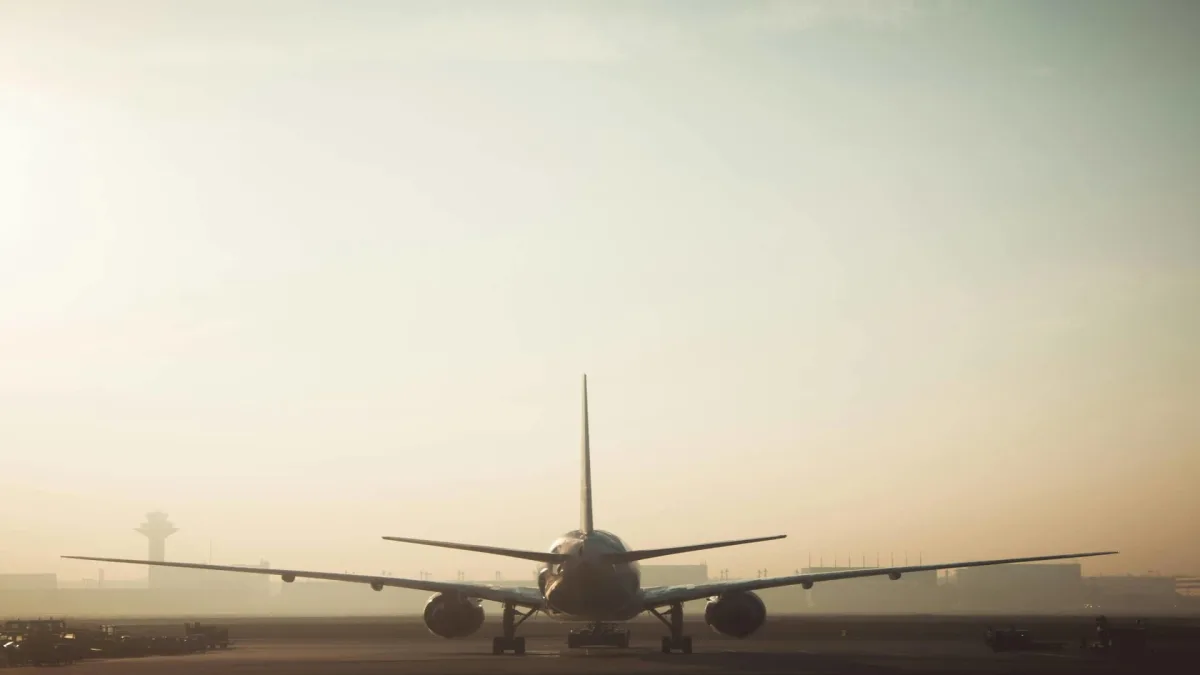
Boeing 777X Testing Spills Into 2027 Amid Certification Hurdles
Boeing expects some 777X testing to extend into 2027, though the manufacturer maintains its target for the first delivery of the aircraft that year.
Airbus A350F Completes Ground Tests Before Maiden Flight
Airbus has finished initial ground tests for the A350F, with the freighter set for a late 2026 maiden flight and a 2027 entry into service.
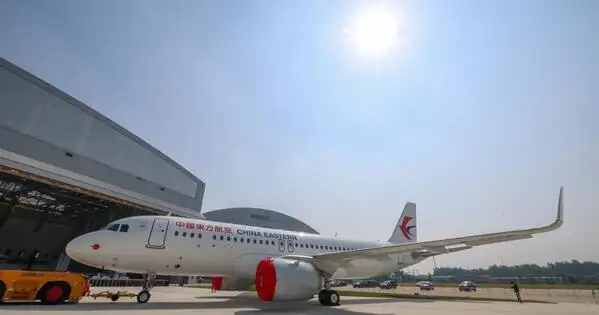
Airbus Delivers First A320neo From New Tianjin FAL
China Eastern Airlines took delivery of the first A320neo from Airbus's second Final Assembly Line in Tianjin, marking a key industrial milestone.
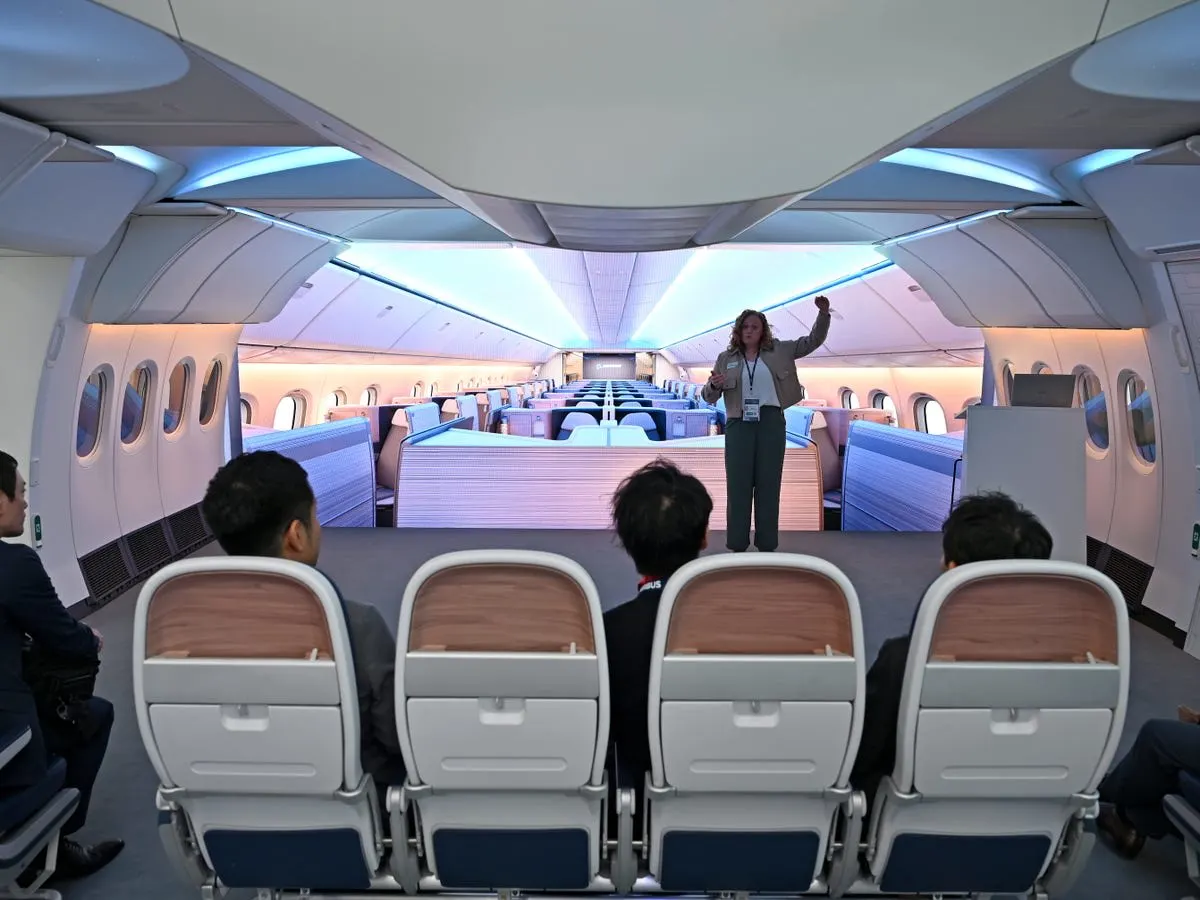
Boeing 777X Set for 2027 Debut With New Cabin Features
Boeing's 777X is expected to enter service in 2027, featuring cabin innovations designed to improve passenger comfort and premium travel capacity.
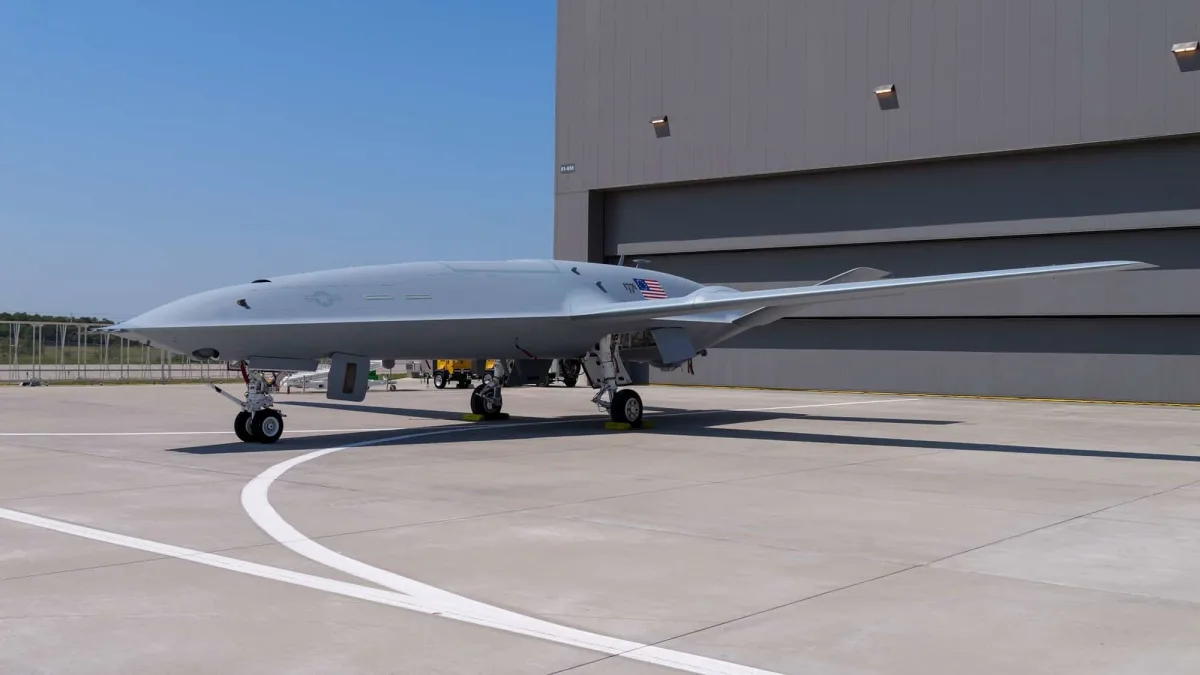
Boeing Awarded $562M Contract for MQ-25 Stingray Production
The U.S. Navy awarded Boeing a $562 million contract for the first three MQ-25 Stingray unmanned aerial refueling tankers, with deliveries expected in...

Boeing Logs 15 Gross Orders Including 13 787 Dreamliners
Boeing recorded 15 gross orders in August 2026, featuring 13 widebody 787 Dreamliner commitments from undisclosed customers.