Airbus Targets 2030 Launch for A320 Successor Program

Co-Founder & CEOAviation News Editor delivering trusted coverage across the global aviation industry.
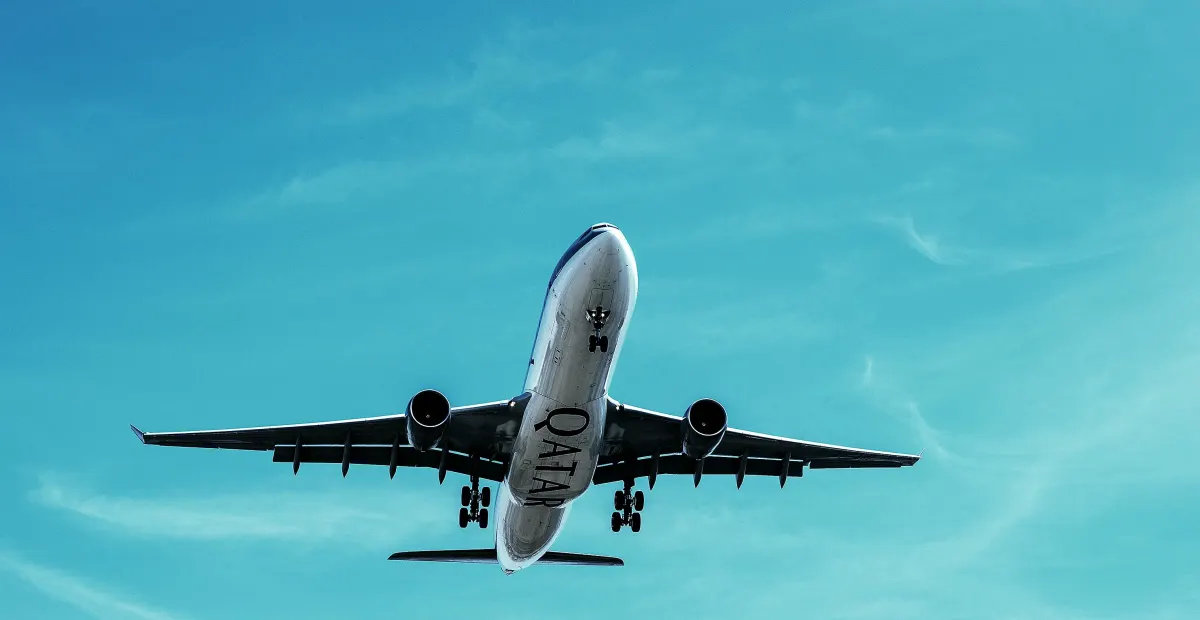
Airbus CEO Guillaume Faury confirmed plans to launch the A320 replacement program, code-named eAction, in 2030 with a late-2030s service entry.
Key Takeaways
- •Airbus will launch the A320 successor program, eAction, in 2030.
- •The new aircraft targets a 20% to 30% fuel-burn improvement.
- •Commercial entry into service is expected in the late 2030s.
Airbus Strategy for Next-Generation Single-Aisle Jets
Airbus has officially confirmed its roadmap for the Airbus A320 replacement program, a strategic initiative intended to define the future of the next-generation single-aisle jet market. During the 2026 Annual Press Conference, Airbus CEO Guillaume Faury confirmed that the manufacturer plans to formally launch the program, internally code-named eAction, in 2030. The aircraft is currently targeted for a commercial Entry Into Service (EIS) in the late 2030s.
This development marks a critical shift in the narrowbody sector, as Airbus aims to secure a competitive advantage by transitioning from current-generation technology to a clean-sheet design. The program seeks to deliver a 20% to 30% improvement in fuel efficiency compared to the existing A320neo family, a necessary step to meet evolving global emissions standards and operator demand for lower operating costs.
Competitive Pressure and Industry Implications
For Boeing Commercial Airplanes, the confirmation of the Airbus eAction aircraft timeline creates significant strategic pressure. The manufacturer must now determine how to accelerate its own narrowbody replacement strategy, known as the Next-Generation Single-Aisle (NGSA) concept, to avoid ceding market share in the most profitable segment of commercial aviation. Historically, Airbus has utilized first-mover advantages to force competitors into reactive postures, such as the 2010 A320neo launch, which triggered the development of the 737 MAX.
Engine manufacturers, including CFM International and Pratt & Whitney, are closely monitoring the program. The selection of propulsion technology—potentially including open-fan architectures—will define the revenue outlook for these firms for several decades. Additionally, the aerostructures supply chain faces a medium-term challenge; suppliers must invest in advanced composite manufacturing processes to support the high-rate production targets required for the new program.
A320neo vs. A320 Successor: Key Specifications
| Metric | A320neo | A320 Successor (Targeted) |
|---|---|---|
| Fuel Efficiency | Baseline | 20-30% improvement vs A320neo |
| Entry Into Service | 2016 | Late 2030s |
| Architecture | Conventional Turbofan | Potential Open-Fan/Advanced Composite |
Technical Trajectory and Design Philosophy
The decision to pursue a clean-sheet design rather than a further re-engining of the current fleet reflects a broader industry trend. While hydrogen-powered aircraft remain a long-term goal, Airbus is prioritizing Sustainable Aviation Fuel (SAF) compatibility and highly efficient conventional architectures for its next narrowbody. This approach contrasts with the views of some environmental advocates, who argue that marginal efficiency gains are insufficient for long-term net-zero goals. However, the engineering focus remains on maximizing aerodynamic and propulsion efficiency to ensure the aircraft remains economically viable for airlines operating in the 2040s and beyond.
Certification and Program Milestones
Regulatory compliance will be a central pillar of the program. The clean-sheet design will require comprehensive new Type Certification from the EASA (European Union Aviation Safety Agency) and the FAA (Federal Aviation Administration). The following timeline outlines the expected progression of the program:
- 2027 to 2028: Expected engine selection and platform definition freeze.
- 2030: Formal launch of the Airbus A320 successor program.
- Late 2030s: Targeted Entry Into Service (EIS) for the new fleet.
Why the A320 Replacement Matters
This program represents the most significant investment in narrowbody technology since the mid-1980s, when the original A320 introduced digital fly-by-wire controls. By committing to a 2030 launch, Airbus is signaling a long-term plan to modernize its core product line while balancing the high costs of composite research with the necessity of sustainable growth. For the aviation industry, this signifies the beginning of a decade-long transition that will likely reshape the global narrowbody market.
Frequently Asked Questions
- When does Airbus plan to launch its A320 replacement aircraft?
- Airbus plans to formally launch the A320 successor program, known as eAction, in 2030.
- What is the targeted entry into service date for the Airbus eAction aircraft?
- The aircraft is targeted for commercial entry into service in the late 2030s.
Stay ahead of the airline industry with commercial aviation news from omniflights.com. For detailed airline coverage, route changes, and fleet moves, explore the Airlines section at omniflights.com/airlines.
Written by Hardik Vishwakarma
Co-Founder & Aviation News Editor leading initiatives that improve trust and visibility across the global aviation industry. Covers airlines, airports, safety, and emerging technology.
Visit ProfileYou Might Also Like
Discover more aviation news based on similar topics

Boeing 777X Testing Spills Into 2027 Amid Certification Hurdles
Boeing expects some 777X testing to extend into 2027, though the manufacturer maintains its target for the first delivery of the aircraft that year.

Airbus A350F Completes Ground Tests Before Maiden Flight
Airbus has finished initial ground tests for the A350F, with the freighter set for a late 2026 maiden flight and a 2027 entry into service.
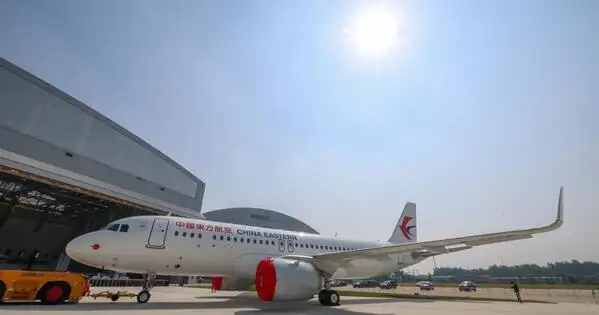
Airbus Delivers First A320neo From New Tianjin FAL
China Eastern Airlines took delivery of the first A320neo from Airbus's second Final Assembly Line in Tianjin, marking a key industrial milestone.
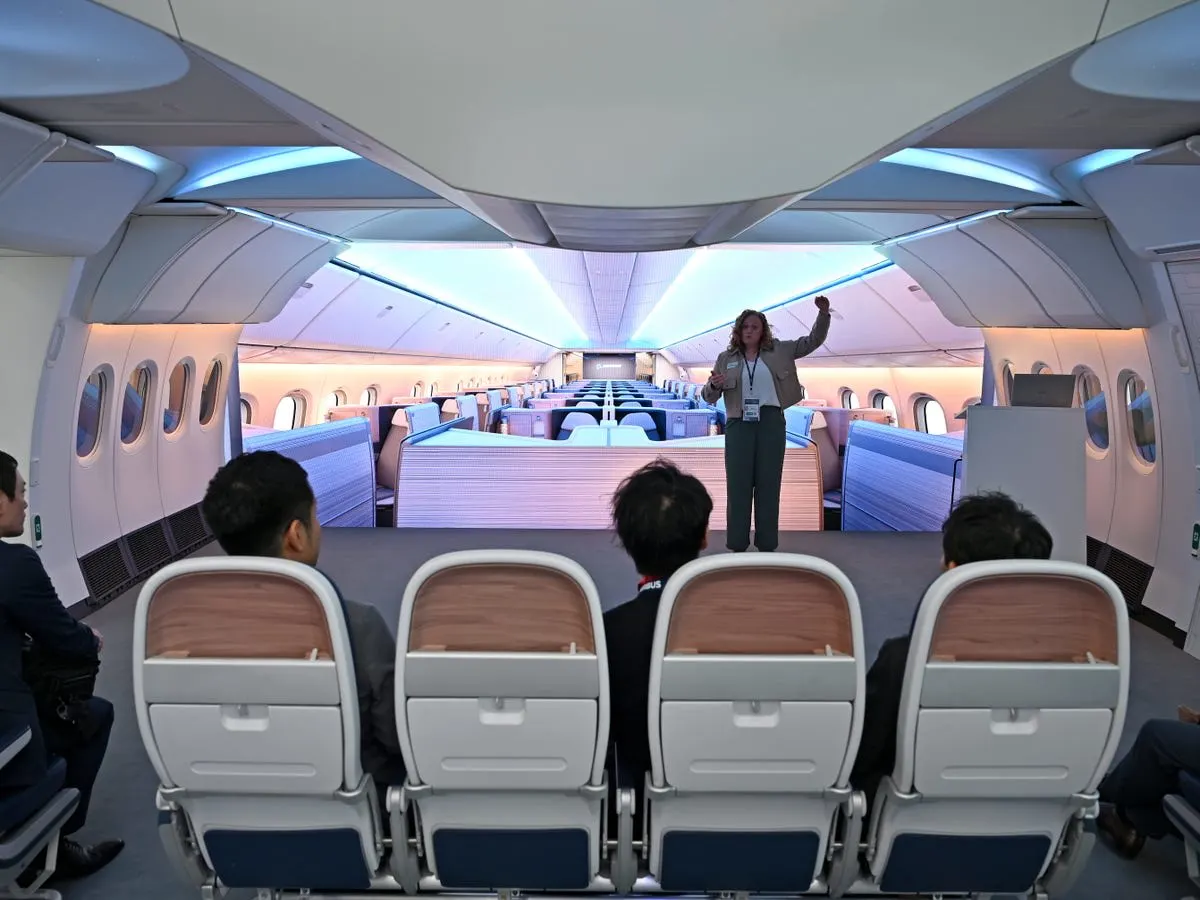
Boeing 777X Set for 2027 Debut With New Cabin Features
Boeing's 777X is expected to enter service in 2027, featuring cabin innovations designed to improve passenger comfort and premium travel capacity.
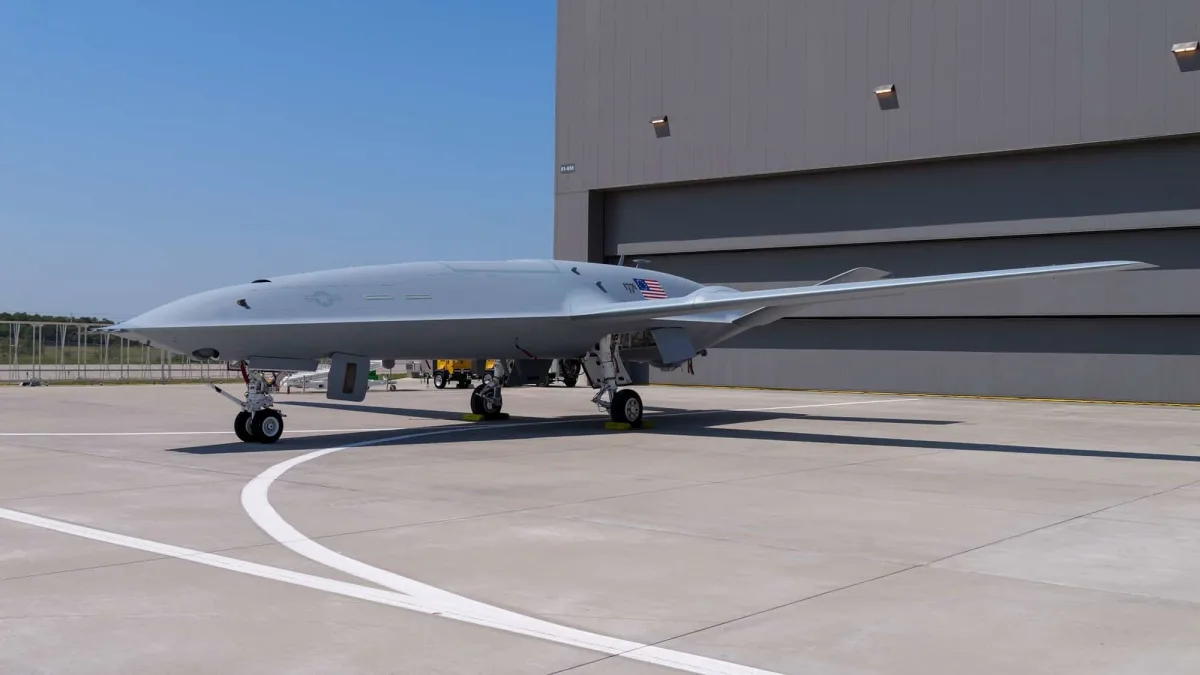
Boeing Awarded $562M Contract for MQ-25 Stingray Production
The U.S. Navy awarded Boeing a $562 million contract for the first three MQ-25 Stingray unmanned aerial refueling tankers, with deliveries expected in...

Boeing Logs 15 Gross Orders Including 13 787 Dreamliners
Boeing recorded 15 gross orders in August 2026, featuring 13 widebody 787 Dreamliner commitments from undisclosed customers.