A320 Wheels to Be Built by Aequs in 15-Year Safran Deal

Co-Founder & CTOCo-Founder & CTO driving the technology and data systems behind Omni Flights.
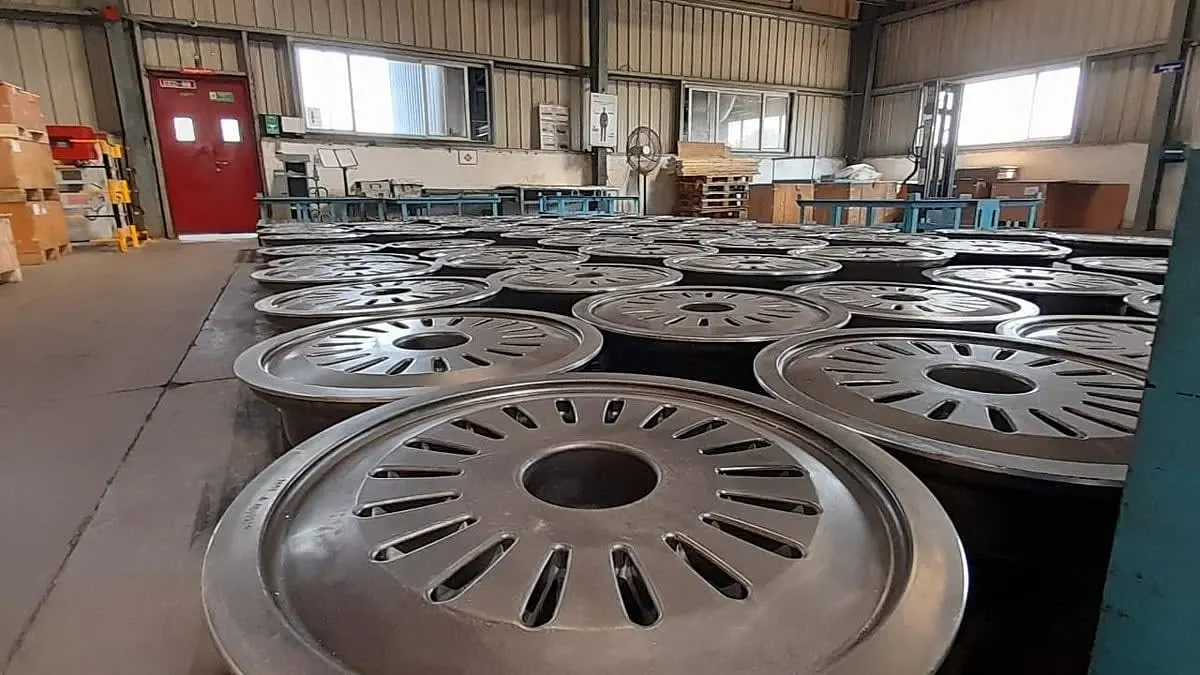
Aequs secured a 15-year contract from Safran Landing Systems to manufacture fully-integrated Airbus A320 wheels at its Belagavi facility.
Key Takeaways
- •Aequs secured a 15-year contract from Safran to build Airbus A320 wheels.
- •Production will take place entirely within the Belagavi Aerospace SEZ.
- •Aequs's aerospace order book crossed the $1 billion mark in June 2026.
- •First deliveries of the integrated wheel assemblies are expected in FY28.
Indian manufacturer Aequs has secured a landmark 15-year contract from Safran Landing Systems to build fully-integrated Airbus A320 wheels at its Belagavi Aerospace SEZ. This strategic Aequs Safran contract represents the first time a global original equipment manufacturer has transferred complete wheel manufacturing outside its own facilities to an Indian supplier. The long-term agreement was announced alongside the Aequs Q1 FY27 results, highlighting a major milestone for India's domestic aerospace manufacturing capabilities.
This development signals a significant shift in the global aerospace supply chain, transitioning India from a producer of individual components to a hub for fully integrated, flight-critical systems. Under the agreement, every stage of production—from sourcing aerospace-grade aluminum from a qualified Indian mill to forging, precision machining, surface treatment, and final assembly—will be completed within the Belagavi Aerospace SEZ (Special Economic Zone). By establishing this localized, end-to-end production ecosystem, the program reduces supply chain complexity and establishes a highly integrated domestic pipeline for global narrowbody aircraft programs.
Localized Production and Financial Milestones
According to the Aequs Q1 FY27 Earnings Call Transcript, this 15-year agreement represents the longest contract in the company's history. It utilizes the full suite of manufacturing capabilities built within the Belagavi ecosystem. While Aequs did not disclose the exact contract value or delivery volumes, the Aequs Q1 FY27 Press Release confirmed that the company's aerospace order book crossed the $1 billion mark during the June 2026 quarter. This milestone has prompted the manufacturer to evaluate accelerating investments in additional aerospace production capacity.
According to the Aequs Q1 FY27 Financial Results, the company reported a consolidated net loss of Rs 53.2 crore for the first quarter of fiscal year 2027. Despite this near-term financial headwind, the underlying aerospace business continues to scale rapidly. The Aequs Q1 FY27 Investor Presentation indicates that the facility currently manufactures 5,740 unique aerospace parts at its Belagavi site, adding approximately 100 new parts to its production portfolio every month.
Furthermore, Aequs already forges approximately 10% of global aircraft wheel requirements. This new contract consolidates its position as a primary global source for flight-critical wheel assemblies. During the Farnborough Airshow, Aequs also signed agreements with two new Tier-1 Supplier (Tier-1) aerostructure customers, further driving the need for capacity expansion.
For Aequs Limited, the contract secures a highly predictable, long-term revenue stream while elevating its status to a complete system integrator. For Safran Landing Systems, outsourcing the complete wheel manufacturing process to a trusted partner allows the company to achieve greater cost efficiencies and diversify its industrial footprint. Within the Belagavi Aerospace SEZ, the project enhances the region's profile as a world-class aerospace hub, which is expected to attract subsequent foreign direct investment. Finally, qualified Indian Aluminium Mills gain a stable, long-term domestic buyer for specialized aerospace-grade materials.
Historical Precedents in Indian Aerospace Manufacturing
In 2018, Tata Advanced Systems established a facility in Hyderabad to become the sole global producer of fuselages for the Boeing AH-64 Apache. This precedent demonstrated that Indian aerospace firms could successfully manage sole-source, highly complex aerostructure assemblies for premier global programs. Aequs's new Safran contract follows a similar trajectory but extends this capability to critical landing systems.
This milestone is also the culmination of long-term industrial planning. In 2011, Aequs formed the SQuAD Forging joint venture with Aubert & Duval, establishing specialized heavy forging capabilities in Belagavi. This early investment eventually secured Safran's approval for heat treatment and multi-metal forging, laying the technical foundation required to win the A320 wheel contract 15 years later.
The Integration of Flight-Critical Forging Ecosystems
The transition of complete wheel manufacturing from Safran's captive facilities to Aequs represents a broader structural shift toward vertically integrated aerospace ecosystems. Historically, global original equipment manufacturers managed the final assembly of flight-critical systems internally, outsourcing only individual low-margin components. However, escalating supply chain bottlenecks and inflationary pressures are forcing a consolidation of manufacturing steps. By leveraging a single Special Economic Zone that co-locates raw material processing, forging, precision machining, and surface treatment, aerospace firms can significantly compress lead times. This development accelerates the "Make in India" trajectory, proving that emerging manufacturing hubs can meet the stringent quality and safety tolerances required for commercial aviation's most demanding components.
Production Timeline and FY28 Deliveries
Under the terms of the agreement, Aequs is expected to begin delivering the fully-integrated Airbus A320 wheels during FY28. From 2028 onward, these Indian-manufactured assemblies will be fitted directly onto newly produced A320-family aircraft. To support this ramp-up, Aequs is actively evaluating plans to accelerate its capital expenditure and expand manufacturing capacity at the Belagavi site. In addition to its aerospace milestones, Aequs expects its consumer manufacturing segment to reach EBITDA breakeven by Q4 FY27, which will further stabilize the group's consolidated financial performance as the Safran program transitions into active production.
Why the Belagavi Contract Reshapes Supplier Dynamics
This contract establishes a new benchmark for Indian aerospace manufacturing, proving that domestic suppliers can deliver complete, flight-critical systems rather than just basic structural components. For global aerospace original equipment manufacturers, the successful execution of this program provides a viable blueprint for outsourcing high-value assemblies to competitive, vertically integrated hubs. Ultimately, the partnership strengthens the resilience of the global narrowbody supply chain during a period of unprecedented aircraft production rates.
Frequently Asked Questions
- Where will the Airbus A320 wheels under the Aequs-Safran contract be manufactured?
- The wheels will be manufactured entirely within the Belagavi Aerospace Special Economic Zone in Karnataka, India. Every stage of production, including raw material sourcing, forging, machining, and final assembly, will be localized at this facility.
- When will Aequs begin delivering the Airbus A320 wheels to Safran?
- Aequs is expected to begin delivering the fully integrated wheel assemblies during the fiscal year 2028.
- What is the current size of Aequs's aerospace order book?
- Aequs's aerospace order book crossed the one-billion-dollar milestone during the quarter ending June 2026.
Get breaking commercial aviation news and expert airline analysis at omniflights.com. Discover how innovation is shaping aviation through aircraft systems, avionics, and digital tools at omniflights.com/technology.
Written by Shashank Shukla
Co-Founder & CTO leading the engineering and AI systems behind Omni Flights. Covers aviation technology, flight safety, aircraft manufacturing, and emerging aerospace developments.
Visit ProfileYou Might Also Like
Discover more aviation news based on similar topics

Boeing 777X Testing Spills Into 2027 Amid Certification Hurdles
Boeing expects some 777X testing to extend into 2027, though the manufacturer maintains its target for the first delivery of the aircraft that year.

Airbus A350F Completes Ground Tests Before Maiden Flight
Airbus has finished initial ground tests for the A350F, with the freighter set for a late 2026 maiden flight and a 2027 entry into service.
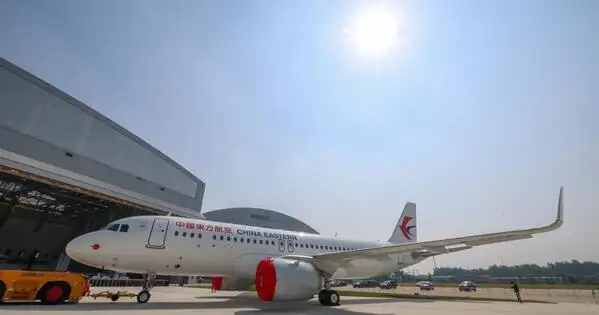
Airbus Delivers First A320neo From New Tianjin FAL
China Eastern Airlines took delivery of the first A320neo from Airbus's second Final Assembly Line in Tianjin, marking a key industrial milestone.
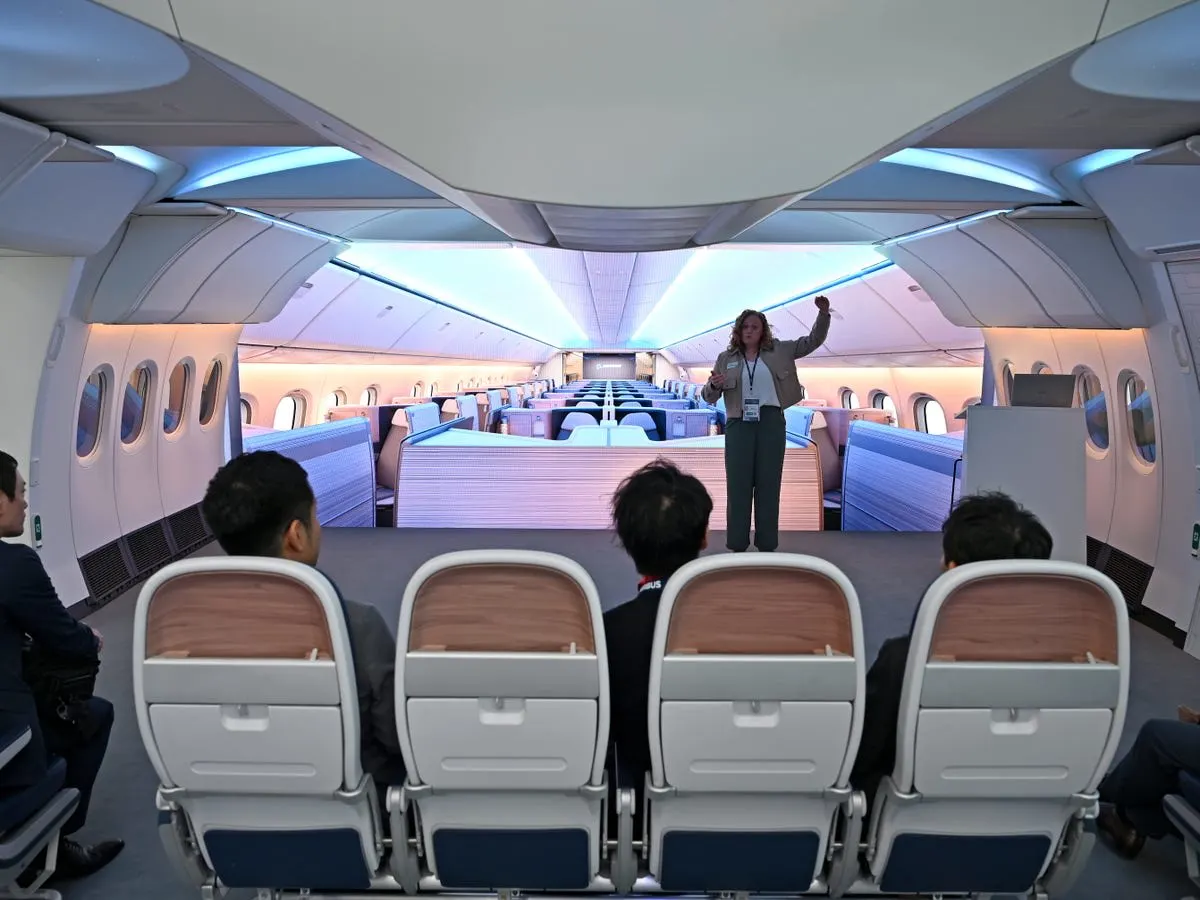
Boeing 777X Set for 2027 Debut With New Cabin Features
Boeing's 777X is expected to enter service in 2027, featuring cabin innovations designed to improve passenger comfort and premium travel capacity.
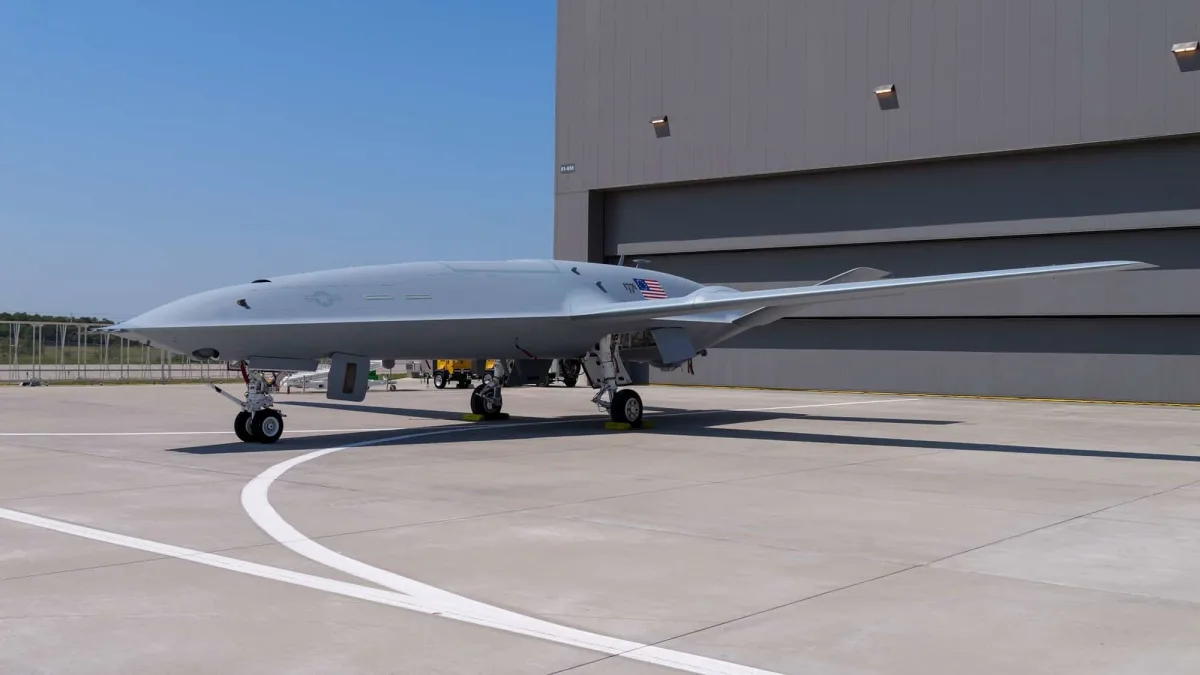
Boeing Awarded $562M Contract for MQ-25 Stingray Production
The U.S. Navy awarded Boeing a $562 million contract for the first three MQ-25 Stingray unmanned aerial refueling tankers, with deliveries expected in...

Boeing Logs 15 Gross Orders Including 13 787 Dreamliners
Boeing recorded 15 gross orders in August 2026, featuring 13 widebody 787 Dreamliner commitments from undisclosed customers.