Airbus Reaffirms 2026 Target to Deliver 870 Aircraft

Co-Founder & CTOCo-Founder & CTO driving the technology and data systems behind Omni Flights.
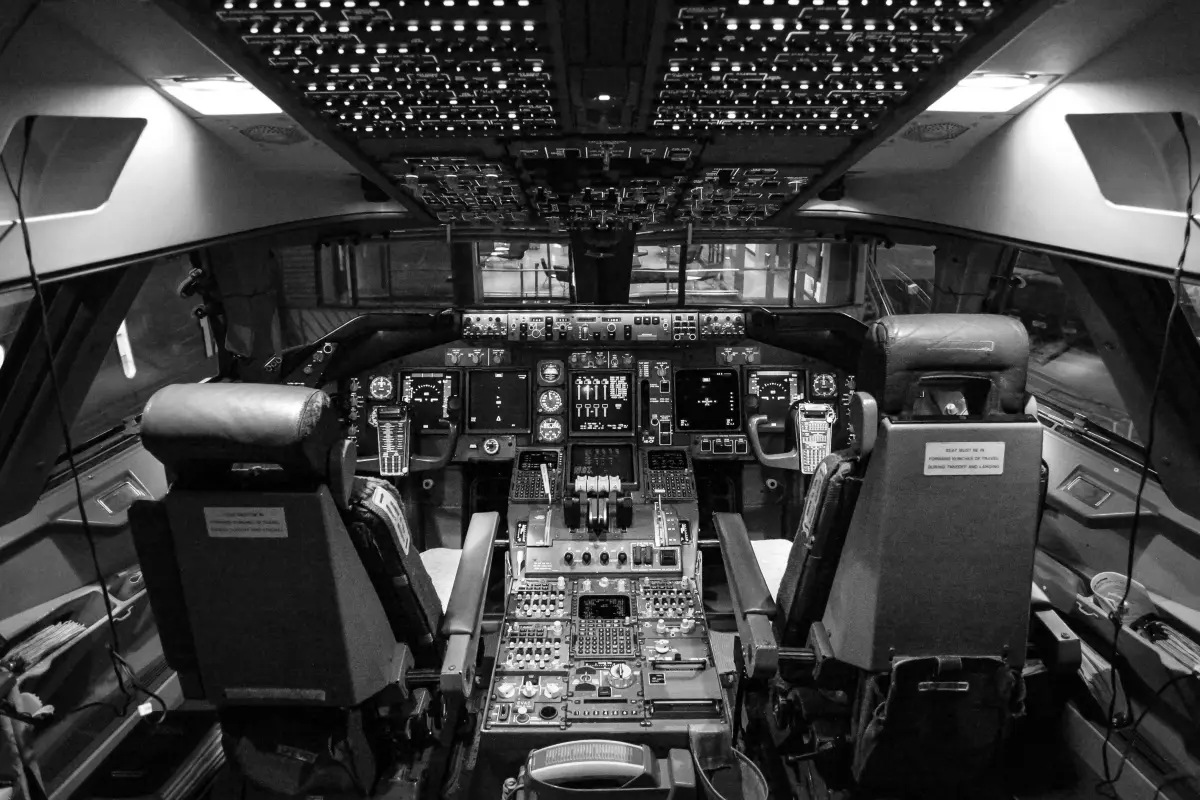
Airbus firmed up its full-year guidance to deliver approximately 870 commercial aircraft in 2026 to address its massive backlog of 9,222 jets.
Key Takeaways
- •Airbus reaffirms its 2026 delivery target of approximately 870 aircraft.
- •The manufacturer must deliver 519 aircraft in the second half of 2026.
- •Airbus commercial backlog reached 9,222 aircraft as of June 2026.
- •Production targets include 75 A320-family jets monthly by late 2027.
In its latest financial update, Airbus firmed up its full-year guidance to meet the Airbus 2026 delivery target of approximately 870 commercial aircraft. To achieve this, the manufacturer is accelerating its A321neo production rate and widebody output to address a record Airbus commercial aircraft backlog of 9,222 jets. This operational push comes as global airlines demand faster fleet modernization to replace older, less fuel-efficient aircraft.
The decision to maintain the delivery guidance underscores the commitment of Airbus to industrial recovery despite ongoing macroeconomic headwinds. According to the Airbus H1 2026 earnings release, the original equipment manufacturer (OEM) delivered 351 commercial aircraft in the first half of 2026. Consequently, the company must deliver 519 aircraft in the second half of 2026 to meet its annual projection. This required acceleration highlights the pressure on both Airbus final assembly lines and its global tier-structured supply chain.
Production Targets and Backlog Pressures
The total commercial backlog stood at 9,222 aircraft at the end of June 2026. This represents years of production capability and is driven by robust global demand. Airbus recorded 886 gross commercial aircraft orders in the first half of 2026 alone, reflecting sustained demand for narrowbody and widebody options. To support this demand, Airbus is targeting a monthly production rate of 70 to 75 A320-family aircraft by the end of 2027. This family includes the highly popular Airbus A321 New Engine Option (A321neo), which represents a substantial portion of the backlog.
For widebodies, Airbus is utilizing its A350 assembly line to scale up production, aiming for a monthly rate of 12 A350 aircraft by 2028. Guillaume Faury, Chief Executive Officer (CEO) of Airbus, stated: "Our good H1 results mainly reflect the higher level of commercial aircraft deliveries and strong performance in Defence and Space, against the backdrop of a complex and fast-changing environment. We are ramping up across all businesses to meet the growing demand for our civil and military solutions."
This manufacturing ramp-up directly impacts multiple industry sectors. Engine manufacturers, including Pratt & Whitney and CFM International, face high-severity pressure to scale engine output to support the target of 75 A320-family aircraft per month by 2027. Global airlines are also highly affected, as they rely on the timely delivery of these 870 aircraft to execute capacity growth and replace older, less fuel-efficient jets. Meanwhile, the broader aerospace supply chain faces medium-severity pressure to resolve persistent bottlenecks in cabin interiors and raw materials to match the accelerated final assembly rates.
Historical and Technical Comparisons
In 2024, Airbus targeted 800 deliveries as it worked to recover from post-pandemic supply chain woes. The 2026 target of 870 aircraft represents a continued stepwise increase in production capability following the stabilization of the supply chain. This contrasts sharply with the pandemic production cuts of 2020, when Airbus slashed production rates by a third across all commercial aircraft lines due to plummeting demand.
Airbus A321neo vs Boeing 737 MAX 10: Key Specifications
| Metric | Airbus A321neo | Boeing 737 MAX 10 |
|---|---|---|
| Range | Up to 4,000 nm | 3,100 nm |
| Maximum Capacity | 244 passengers | 230 passengers |
Airbus A350-1000 vs Boeing 777-300ER: Key Specifications
| Metric | Airbus A350-1000 | Boeing 777-300ER |
|---|---|---|
| Range | 8,700 nm | 7,370 nm |
| Maximum Capacity | 410 passengers (typical 3-class) | 396 passengers (typical 2-class) |
Supply Chain Friction and the Production Ramp-Up
This development indicates that Airbus is attempting to transition from a period of defensive supply chain management to aggressive industrial scaling. Historically, aerospace manufacturers have struggled to balance rapid production increases with tier-one supplier capabilities. The persistent bottlenecks in engine availability and cabin interiors represent a structural challenge that could lead to "gliders"—completed airframes waiting for critical components. However, the record order intake of 886 gross commercial aircraft in the first half of 2026 provides the financial security necessary to justify these capital-intensive production increases. If Airbus successfully navigates these supply chain constraints, it will solidify its lead over its primary competitors in both the narrowbody and widebody segments, accelerating the industry's shift toward next-generation, fuel-efficient fleets.
Key Production Milestones and Timelines
As Airbus progresses through the second half of 2026, several key milestones will determine the success of its industrial strategy. The manufacturer is expected to steadily increase its narrowbody assembly output to reach the targeted A320 family monthly production rate of 70 to 75 aircraft by the end of 2027. Furthermore, the widebody segment is expected to see a gradual acceleration, with the A350 family monthly production rate targeted to reach 12 aircraft by 2028. Industry analysts maintain a degree of caution, noting that ongoing supply chain bottlenecks and engine availability issues could still impact the timeline of these aggressive production ramp-ups.
Why the 870-Delivery Target Matters
Achieving the 870-aircraft delivery target is critical for maintaining airline trust and stabilizing global capacity planning. For carriers waiting on fuel-efficient replacements, any delay in delivery directly translates to extended leases on older, more emissions-intensive aircraft. Ultimately, Airbus's ability to execute this ramp-up serves as a bellwether for the entire aerospace supply chain's recovery and operational health.
Frequently Asked Questions
- How many aircraft does Airbus plan to deliver in 2026?
- Airbus plans to deliver approximately 870 commercial aircraft in 2026. To achieve this, the manufacturer must deliver 519 aircraft in the second half of the year, following 351 deliveries in the first half.
- What is the targeted production rate for the Airbus A320 family?
- Airbus is targeting a monthly production rate of 70 to 75 A320-family aircraft by the end of 2027. This ramp-up is intended to address the manufacturer's massive commercial backlog.
- What is the monthly production target for the Airbus A350?
- Airbus aims to reach a monthly production rate of 12 A350 widebody aircraft by 2028, up from current levels, to meet global demand for long-haul fleet modernization.
For global airline trends and commercial aviation news, turn to omniflights.com. Track policy changes, airspace rules, and global aviation governance in the Regulatory category at omniflights.com/regulatory.
Written by Shashank Shukla
Co-Founder & CTO leading the engineering and AI systems behind Omni Flights. Covers aviation technology, flight safety, aircraft manufacturing, and emerging aerospace developments.
Visit ProfileYou Might Also Like
Discover more aviation news based on similar topics

Boeing 777X Testing Spills Into 2027 Amid Certification Hurdles
Boeing expects some 777X testing to extend into 2027, though the manufacturer maintains its target for the first delivery of the aircraft that year.

Airbus A350F Completes Ground Tests Before Maiden Flight
Airbus has finished initial ground tests for the A350F, with the freighter set for a late 2026 maiden flight and a 2027 entry into service.
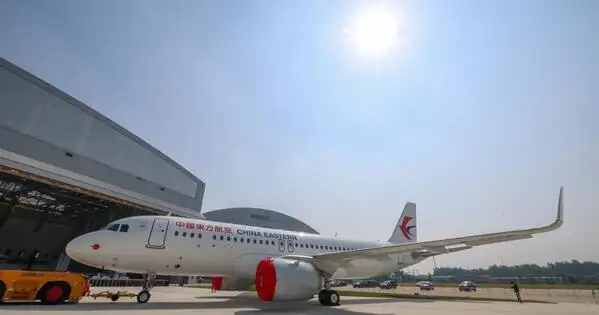
Airbus Delivers First A320neo From New Tianjin FAL
China Eastern Airlines took delivery of the first A320neo from Airbus's second Final Assembly Line in Tianjin, marking a key industrial milestone.
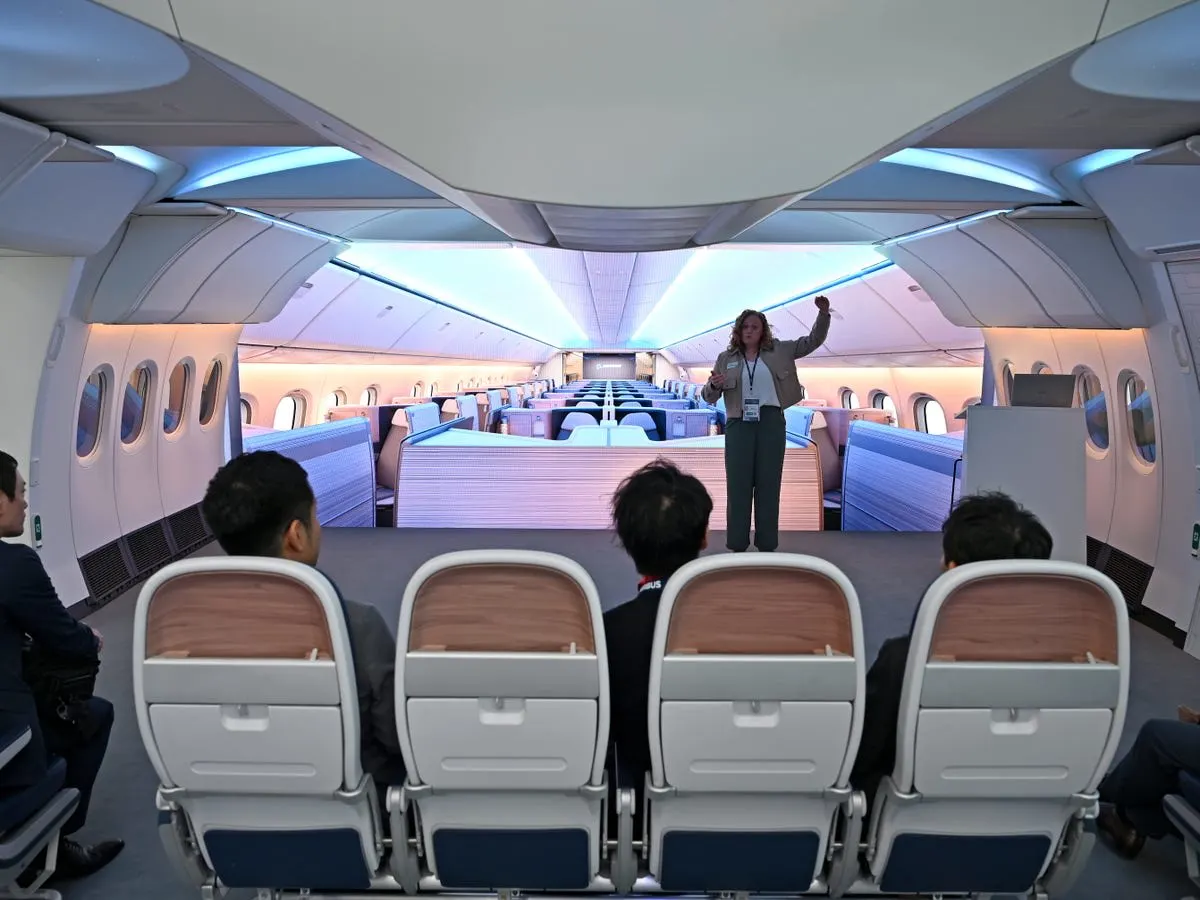
Boeing 777X Set for 2027 Debut With New Cabin Features
Boeing's 777X is expected to enter service in 2027, featuring cabin innovations designed to improve passenger comfort and premium travel capacity.
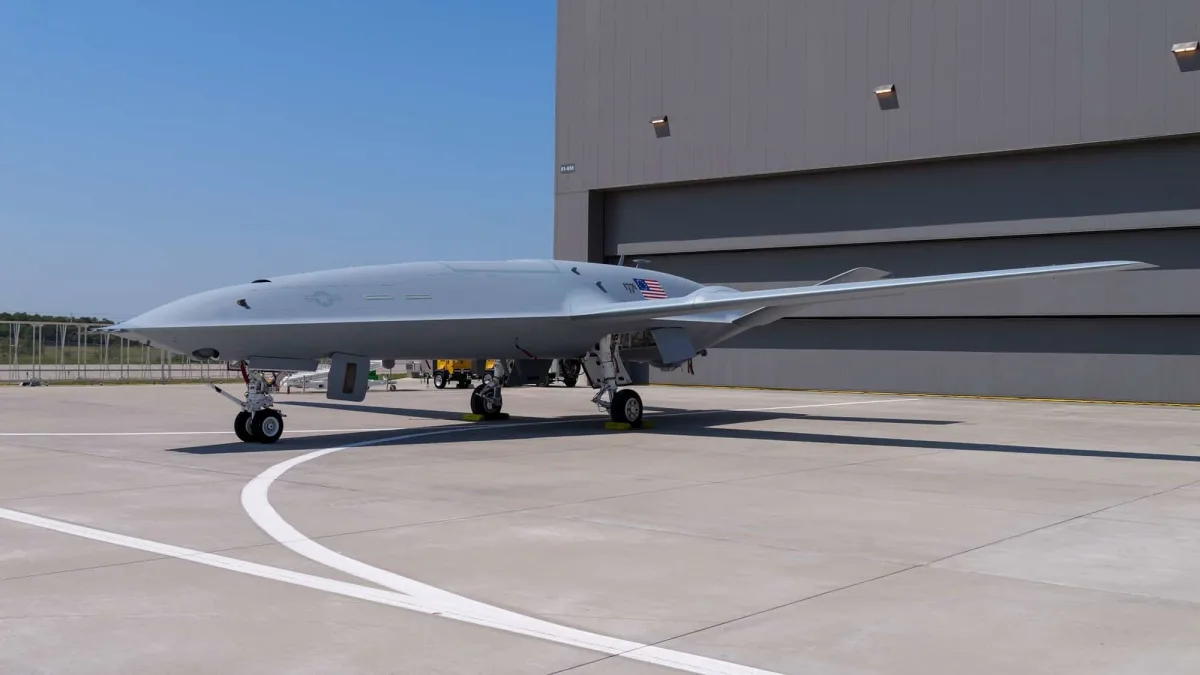
Boeing Awarded $562M Contract for MQ-25 Stingray Production
The U.S. Navy awarded Boeing a $562 million contract for the first three MQ-25 Stingray unmanned aerial refueling tankers, with deliveries expected in...

Boeing Logs 15 Gross Orders Including 13 787 Dreamliners
Boeing recorded 15 gross orders in August 2026, featuring 13 widebody 787 Dreamliner commitments from undisclosed customers.