AerCap Lauds Boeing 737 MAX Certification Progress

Co-Founder & CTOCo-Founder & CTO driving the technology and data systems behind Omni Flights.

AerCap CEO Aengus Kelly praised Boeing 737 MAX progress as the lessor manages over 1,700 aircraft.
Key Takeaways
- •AerCap CEO Aengus Kelly praised the Boeing 737 MAX certification progress.
- •The FAA certified the Boeing 737-7 variant on August 3, 2026.
- •Southwest Airlines holds over 260 orders for the newly certified 737-7.
- •Boeing completed 737-10 certification flight testing in late July 2026.
AerCap Aengus Kelly, Chief Executive Officer of the world's largest aircraft lessor AerCap, has praised the ongoing progress of the Boeing 737 MAX certification program. Kelly stated that the expansion of the 737 MAX family will ultimately strengthen the narrowbody aircraft market and provide global operators with increased fleet versatility. This endorsement follows a major regulatory milestone, as the Federal Aviation Administration (FAA) officially granted an Amended Type Certificate for the Boeing 737-7 on August 3, 2026, clearing the variant for commercial service.
The lessor's positive outlook underscores the critical role that leasing companies play in stabilizing aircraft programs during extended regulatory reviews. With aircraft lessors now owning or managing approximately 50% of the global commercial fleet, executive endorsements from leaders like Kelly serve as a vital signal of market confidence. The progress on both the smaller 737-7 and the larger 737-10 variants is expected to streamline fleet planning for major carriers, allowing them to optimize route structures with varying capacity and range requirements.
Regulatory Milestones for the 737-7 and 737-10
According to Boeing's MAX 7 certification announcement, the FAA's approval of the 737-7 validates the design updates implemented by the manufacturer, including modifications to the engine anti-ice system. The certification flight test program for the 737-7 accumulated more than 1,000 hours of flight and ground testing since its inception in 2018. Stephanie Pope, President and CEO of Boeing Commercial Airplanes, noted that the certification recognizes the determination and resilience of the development team as they transitioned to new, more rigorous certification processes.
Concurrently, Boeing completed the certification flight testing for the larger Boeing 737-10 variant in late July 2026. This dual progress addresses long-standing backlog pressures. For AerCap, which actively shapes global fleet dynamics, these milestones stabilize the asset values of its narrowbody order book. As detailed in AerCap's Q2 2026 operational release, the lessor managed, purchased, or sold 202 aviation assets during the second quarter of 2026 alone, highlighting the massive scale of its portfolio management.
Stakeholder Impact and Fleet Modernization
The certification of the 737-7 has immediate operational implications for major carriers. Southwest Airlines, the largest customer for the 737-7 with over 260 orders, can now finalize its long-term fleet modernization plans to replace its aging 737-700 fleet starting in 2027. This transition is critical for Southwest's operational efficiency, as the 737-7 typically seats 135 to 160 passengers in a two-class configuration and offers a range of up to 3,800 nautical miles. This range capability supports the industry trend toward narrowbody range extension, allowing airlines to serve thinner, longer-range routes without deploying more expensive widebody aircraft.
For engine manufacturer CFM International, the impending delivery ramp of these remaining MAX variants will drive increased production and long-term maintenance demand for the LEAP-1B engines. While Boeing celebrates these milestones, aviation safety advocates emphasize that the FAA must maintain strict oversight and not rush the remaining 737-10 certification, pointing to Boeing's recent manufacturing and quality control challenges.
Historical Scrutiny and Competitive Benchmarks
The extended timelines for the 737-7 and 737-10 certification programs reflect a broader industry shift toward intensified regulatory scrutiny. In 2020, the FAA's decision to unground the initial MAX variants after a 20-month safety review established a highly rigorous certification framework. This precedent directly influenced the protracted development cycles of the remaining family members.
A similar dynamic occurred in Europe. In 2024, the Airbus A321XLR achieved certification from the European Union Aviation Safety Agency (EASA) only after significant delays and design modifications to its novel rear center fuel tank. This historical precedent illustrates how regulatory bodies globally have raised the threshold for new aircraft derivatives, reinforcing the significance of Boeing's recent FAA approvals.
To understand how the newly certified 737-7 compares to the widely deployed 737-8, the following table outlines key performance metrics:
Boeing 737-7 vs. Boeing 737-8: Key Specifications
| Metric | Boeing 737-7 | Boeing 737-8 |
|---|---|---|
| Seating Capacity (2-class) | 135-160 passengers | 162-178 passengers |
| Maximum Range | 3,800 nm | 3,500 nm |
Fleet Dynamics and Lessor Asset Valuation
This development indicates a stabilizing phase for the narrowbody aircraft market, which has faced severe capacity constraints due to supply chain disruptions and regulatory bottlenecks. Historically, lessor confidence is a leading indicator of an aircraft program's long-term commercial viability. By securing the 737-7 certification and nearing the completion of the 737-10 program, Boeing mitigates the risk of order cancellations and lease renegotiations. The data suggests that the availability of a complete narrowbody family—ranging from the high-range, lower-capacity 737-7 to the high-capacity 737-10—allows lessors to offer highly tailored fleet solutions to airlines navigating volatile fuel costs and shifting passenger demand. This alignment accelerates the broader fleet replacement wave, replacing older, less efficient aircraft with platforms that offer double-digit fuel burn reductions.
Key Milestones for the 737 MAX Program
The timeline for the 737 MAX program now shifts toward production ramp-ups and remaining regulatory clearances:
- Late 2026: FAA Type Certification for the Boeing 737-10 is expected, which will complete the certification of the entire MAX family.
- Early 2027: The first Boeing 737-7 delivery to Southwest Airlines is expected, marking the official entry into service for the smallest MAX variant.
Why Lessor Confidence Matters for the Industry
For global airlines and financial institutions, the endorsement from AerCap signals that the 737 MAX family remains a highly bankable asset class despite historical delays. It reassures operators that their long-term fleet strategies are supported by stable residual values and proven operational versatility. Ultimately, this progress ensures that the global narrowbody market remains competitive, providing airlines with viable choices between Boeing and Airbus platforms.
Frequently Asked Questions
- When did the FAA certify the Boeing 737-7?
- The Federal Aviation Administration (FAA) certified the Boeing 737-7 on August 3, 2026, after the flight test program accumulated over 1,000 hours of testing.
- What is the seating capacity and range of the Boeing 737-7?
- The Boeing 737-7 typically seats 135 to 160 passengers in a two-class configuration and has a maximum range of up to 3,800 nautical miles.
- Which airline is the largest customer for the Boeing 737-7?
- Southwest Airlines is the largest customer for the Boeing 737-7, holding over 260 orders for the variant with plans to begin replacing its aging 737-700 fleet in 2027.
From airline operations to fleet updates, commercial aviation news lives at omniflights.com. For reporting on UAP sightings, investigations, and aviation-related encounters, see the UAPs section at omniflights.com/uaps.
Written by Shashank Shukla
Co-Founder & CTO leading the engineering and AI systems behind Omni Flights. Covers aviation technology, flight safety, aircraft manufacturing, and emerging aerospace developments.
Visit ProfileYou Might Also Like
Discover more aviation news based on similar topics

Boeing 777X Testing Spills Into 2027 Amid Certification Hurdles
Boeing expects some 777X testing to extend into 2027, though the manufacturer maintains its target for the first delivery of the aircraft that year.

Airbus A350F Completes Ground Tests Before Maiden Flight
Airbus has finished initial ground tests for the A350F, with the freighter set for a late 2026 maiden flight and a 2027 entry into service.

Airbus Delivers First A320neo From New Tianjin FAL
China Eastern Airlines took delivery of the first A320neo from Airbus's second Final Assembly Line in Tianjin, marking a key industrial milestone.
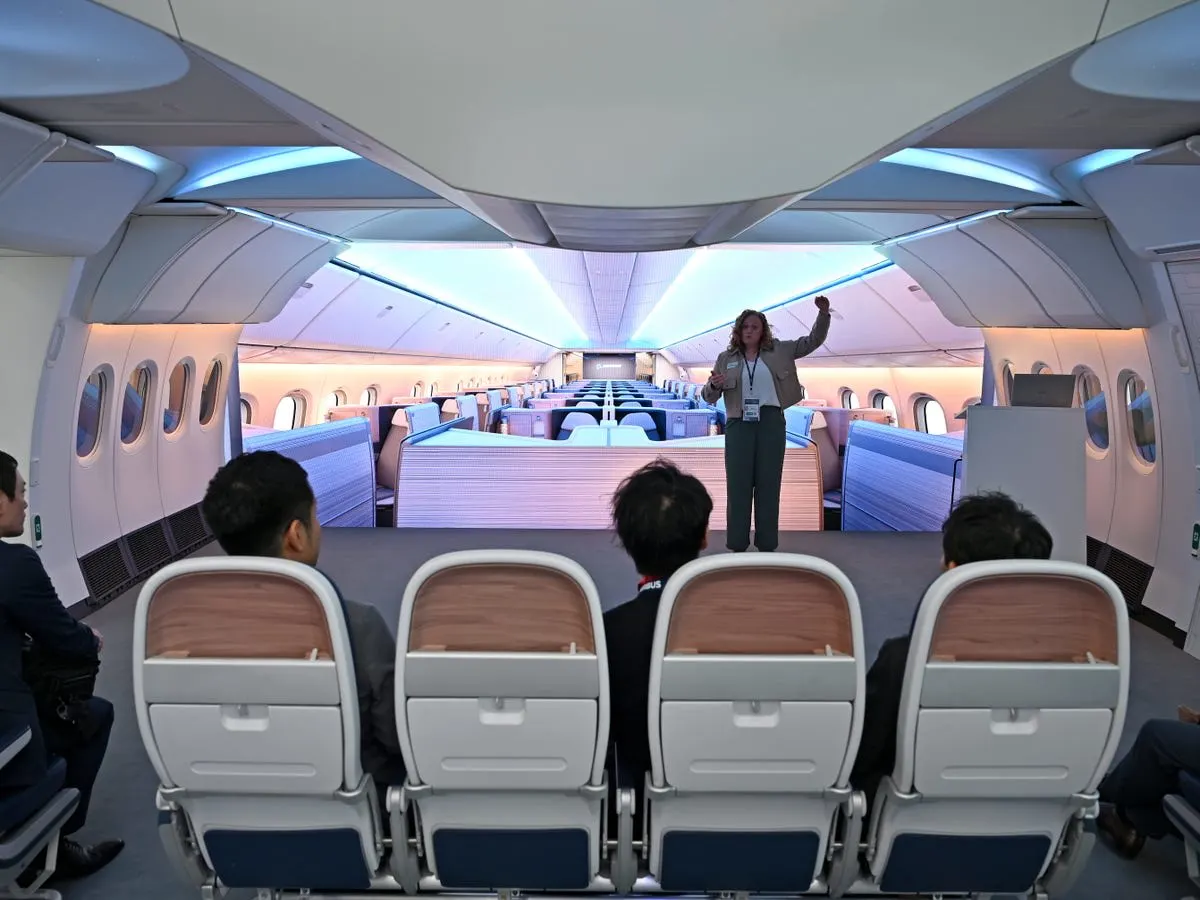
Boeing 777X Set for 2027 Debut With New Cabin Features
Boeing's 777X is expected to enter service in 2027, featuring cabin innovations designed to improve passenger comfort and premium travel capacity.
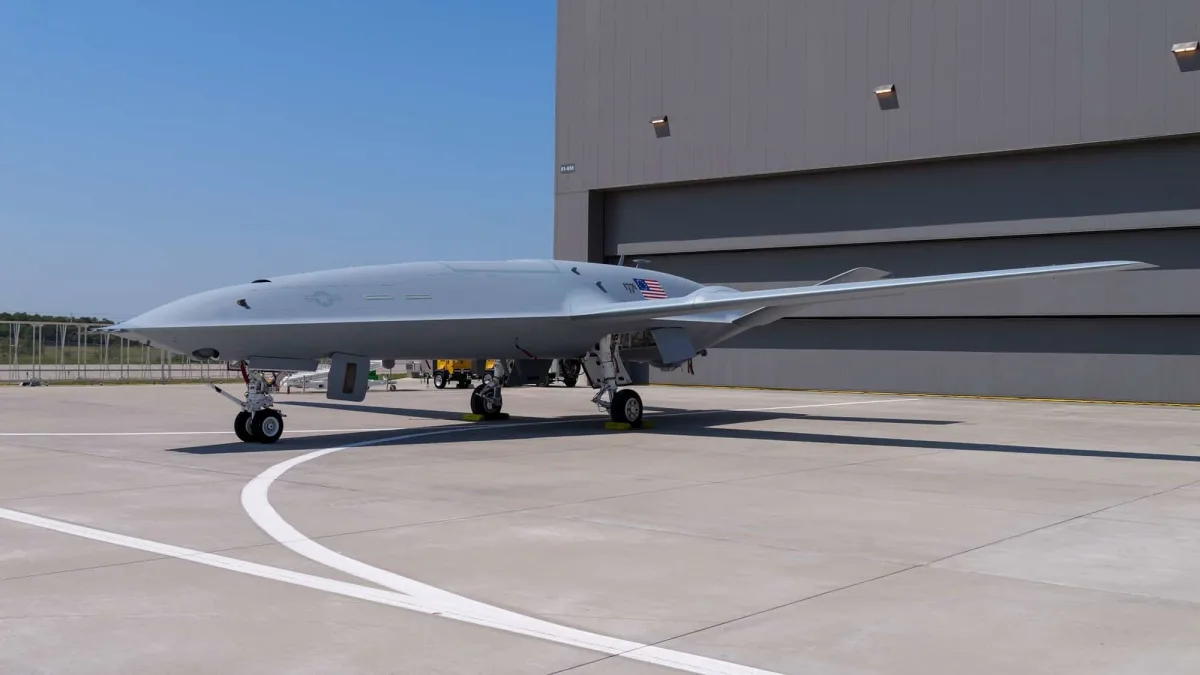
Boeing Awarded $562M Contract for MQ-25 Stingray Production
The U.S. Navy awarded Boeing a $562 million contract for the first three MQ-25 Stingray unmanned aerial refueling tankers, with deliveries expected in...

Boeing Logs 15 Gross Orders Including 13 787 Dreamliners
Boeing recorded 15 gross orders in August 2026, featuring 13 widebody 787 Dreamliner commitments from undisclosed customers.