Boeing 777-9 Seventh Test Jet Completes First Flight

Co-Founder & CTOCo-Founder & CTO driving the technology and data systems behind Omni Flights.
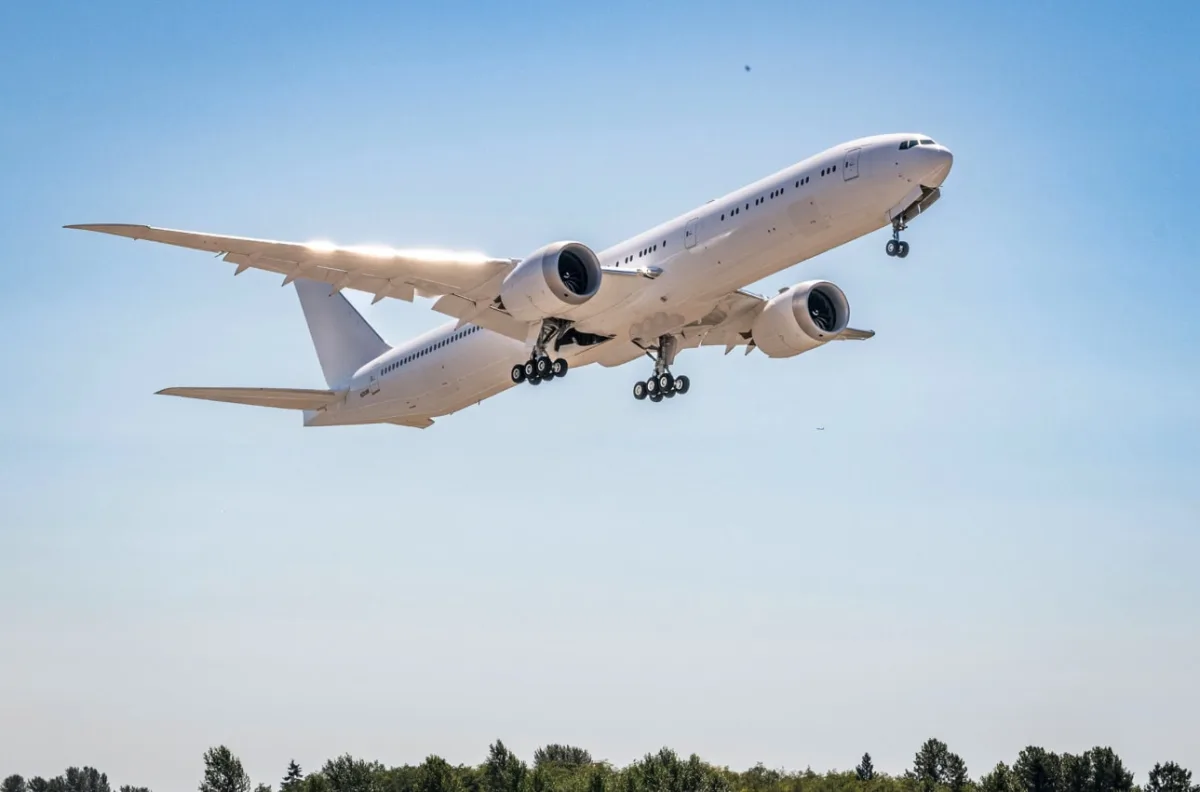
Boeing's seventh 777-9 test aircraft completed a three-hour maiden flight, advancing the widebody program toward its targeted 2027 delivery.
Key Takeaways
- •Seventh Boeing 777-9 test aircraft completed its maiden flight on July 24.
- •777X test fleet has logged over 4,800 flight hours across 1,700 flights.
- •Initial commercial deliveries of the 777-9 are currently targeted for 2027.
- •Boeing holds over 650 orders for the fuel-efficient 777X widebody family.
The Boeing 777-9 first flight of the program's seventh test aircraft successfully concluded on July 24, 2026, marking a critical expansion of the Boeing 777X test fleet. Departing from Paine Field (PAE) in Everett, Washington, the twin-engine jet completed an approximately three-hour flight to support upcoming ETOPS certification flights and functional reliability testing. This milestone is a key step in the revised 777X certification timeline, which currently targets initial commercial deliveries in 2027.
This flight represents a crucial acceleration for Boeing as it seeks to rebuild momentum for its flagship widebody program. The 777X program has faced multi-year delays, shifting its entry-into-service target from the original 2020 schedule to 2027. By adding a seventh airframe to the active flight test campaign, Boeing aims to satisfy rigorous regulatory requirements and clear the path for delivery to anxious airline customers who have collectively ordered over 650 aircraft from the 777X family.
Flight Testing Progress and System Validation
According to Boeing's official Q2 2026 earnings release, the 777X test fleet has accumulated more than 4,800 flight hours across approximately 1,700 flights. The maiden flight of the seventh aircraft, designated WH007, lasted approximately three hours and took the airframe over Washington, Idaho, and Oregon before returning to Paine Field.
The flight focused on testing the aircraft as a unified system, verifying the performance of its advanced avionics, aerodynamics, and propulsion systems. "The purpose of today's first flight is to test the entire airplane as a system, and then all the individual systems to make sure they're functioning properly. The airplane performed beautifully on its first flight; it was great to fly," stated Capt. Dan Mangel, Boeing Engineering Pilot.
The aircraft is powered by dual GE9X engines, developed by GE Aerospace, which are designed to deliver a 10% reduction in fuel consumption and emissions compared to previous-generation powerplants. However, the prolonged delay has deferred significant engine delivery and maintenance revenues for GE Aerospace.
"It's quite a milestone, but it's not the end of the line. We've got more work to do to certify this airplane and begin deliveries," added JeRae McCoy, Boeing's 777X Change Incorporation & Refurbishment Conformities Manager, emphasizing that while the flight is a major milestone, extensive testing remains.
For launch customer Emirates, which has ordered over 200 777X family aircraft, the continued delays carry a high severity of impact. The Dubai-based carrier has been forced to invest heavily in retrofitting and extending the operational lifespan of its existing fleet of Boeing 777-300ER and Airbus A380 aircraft. Similarly, Lufthansa is awaiting the 777-9 to replace its aging, less fuel-efficient four-engine widebodies, including the Boeing 747-400 and Airbus A340 fleets.
Regulatory Scrutiny and Historical Precedents
The delays in the 777X program mirror broader industry trends toward prolonged aircraft certification timelines. Following intense regulatory scrutiny after the 737 MAX groundings, the FAA (Federal Aviation Administration) has implemented more rigorous oversight protocols.
In 2007, the Boeing 787 Dreamliner program encountered severe certification delays, resulting in a commercial entry into service in 2011—several years behind its original 2008 target. This historical precedent of supply chain bottlenecks and extended testing requirements closely aligns with the current 777X trajectory. Furthermore, the Boeing 737 MAX 10 certification process has faced similar multi-year delays, pushing its expected entry into service to the late 2020s due to new FAA engineering and documentation requirements.
Boeing 777-9 vs. Boeing 777-300ER: Key Specifications
| Metric | Boeing 777-9 | Boeing 777-300ER |
|---|---|---|
| Capacity | 426 passengers (2-class) | 396 passengers (2-class) |
| Range | 7,285 nmi (13,500 km) | 7,370 nmi (13,649 km) |
| Engines | Dual GE9X | Dual GE90-115B |
| Wingspan (Extended) | 235 ft 5 in (71.75 m) | 212 ft 7 in (64.8 m) |
Systems Integration and the Path to ETOPS Compliance
The introduction of the seventh test aircraft highlights the intense systems integration phase required under modern regulatory frameworks. Historically, widebody certification relied on smaller test fleets, but heightened scrutiny from the FAA has expanded the scope of functional reliability testing. The seventh airframe is specifically tasked with conducting ETOPS (Extended-range Twin-engine Operational Performance Standards) proving flights, which are critical for validating that the twin-engine jet can safely operate long-haul transoceanic routes.
This development indicates that Boeing is shifting from basic aerodynamic envelope expansion to operational endurance validation. Within the broader industry, this transition reflects a structural shift where regulators demand exhaustive operational data before granting Type Certificates. By logging hours on multiple conformed airframes, Boeing aims to mitigate the risk of late-stage technical discoveries that have previously derailed certification schedules.
Key Regulatory Milestones and the 2027 Delivery Target
Boeing must navigate several critical milestones before delivering the first 777-9 to customers. The program received FAA Type Inspection Authorization (TIA) Phase 4B approval in mid-2026, which unlocked the ability for regulatory pilots to participate in certification flights.
The remaining predictive milestones include:
- FAA ETOPS Certification Approval: Expected to occur between late 2026 and 2027, depending on the performance of the seventh test aircraft during proving runs.
- First 777-9 Commercial Delivery: Expected in 2027, marking the official commercial debut of the aircraft type.
These timelines remain subject to FAA approval and the successful resolution of any anomalies discovered during the remaining flight hours.
Why the 777-9 Test Campaign Matters to Global Networks
The successful integration of the seventh test aircraft signals that the 777X program is entering its final, most intensive phase of regulatory scrutiny. For global network carriers, the aircraft represents the primary replacement vehicle for retiring four-engine fleets, offering crucial fuel-efficiency gains. Achieving the 2027 delivery target is essential for stabilizing long-haul capacity planning across major international hubs.
Frequently Asked Questions
- When did the seventh Boeing 777-9 complete its first flight?
- The seventh Boeing 777-9 test aircraft completed its maiden flight on July 24, 2026, departing from Paine Field in Everett, Washington, for a three-hour flight.
- When are the first Boeing 777-9 deliveries expected?
- Initial commercial deliveries for the Boeing 777-9 are currently targeted for 2027, following extensive regulatory testing and final FAA certification.
- What is the purpose of the seventh Boeing 777-9 test aircraft?
- The seventh test aircraft is primarily tasked with conducting ETOPS (Extended-range Twin-engine Operational Performance Standards) proving flights and functional reliability testing to ensure safe long-haul operations.
Get breaking commercial aviation news and expert airline analysis at omniflights.com. For detailed airline coverage, route changes, and fleet moves, explore the Airlines section at omniflights.com/airlines.
Written by Shashank Shukla
Co-Founder & CTO leading the engineering and AI systems behind Omni Flights. Covers aviation technology, flight safety, aircraft manufacturing, and emerging aerospace developments.
Visit ProfileYou Might Also Like
Discover more aviation news based on similar topics

Boeing 777X Testing Spills Into 2027 Amid Certification Hurdles
Boeing expects some 777X testing to extend into 2027, though the manufacturer maintains its target for the first delivery of the aircraft that year.

Airbus A350F Completes Ground Tests Before Maiden Flight
Airbus has finished initial ground tests for the A350F, with the freighter set for a late 2026 maiden flight and a 2027 entry into service.

Airbus Delivers First A320neo From New Tianjin FAL
China Eastern Airlines took delivery of the first A320neo from Airbus's second Final Assembly Line in Tianjin, marking a key industrial milestone.
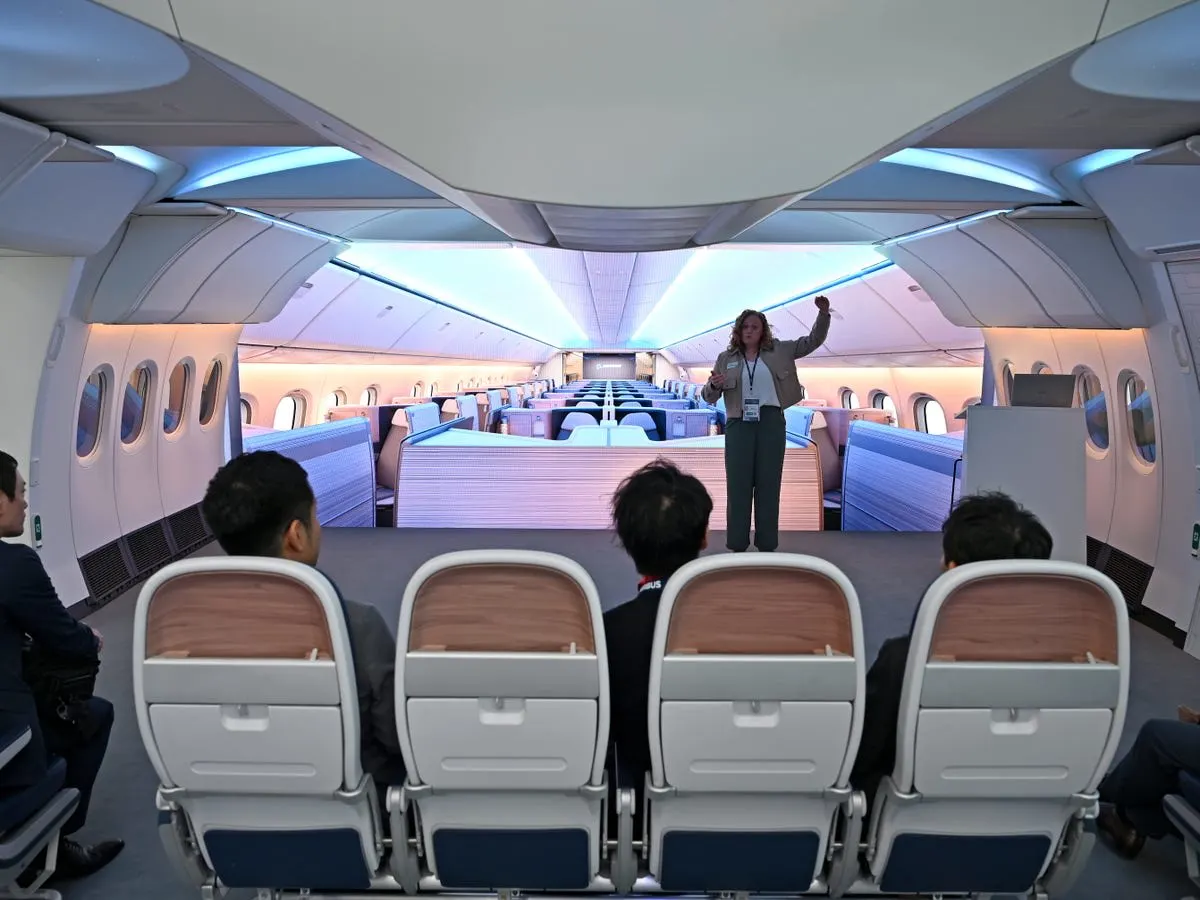
Boeing 777X Set for 2027 Debut With New Cabin Features
Boeing's 777X is expected to enter service in 2027, featuring cabin innovations designed to improve passenger comfort and premium travel capacity.
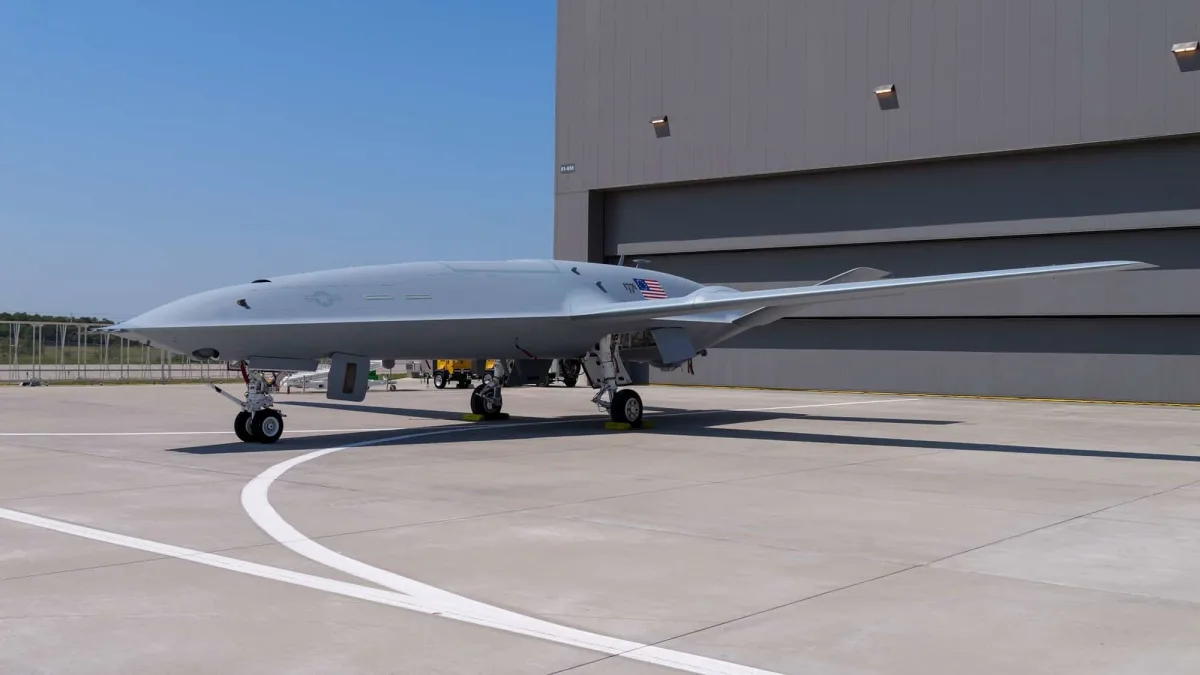
Boeing Awarded $562M Contract for MQ-25 Stingray Production
The U.S. Navy awarded Boeing a $562 million contract for the first three MQ-25 Stingray unmanned aerial refueling tankers, with deliveries expected in...

Boeing Logs 15 Gross Orders Including 13 787 Dreamliners
Boeing recorded 15 gross orders in August 2026, featuring 13 widebody 787 Dreamliner commitments from undisclosed customers.