Lufthansa Technik Breaks Ground on $100M Clark Facility

Co-Founder & CTOCo-Founder & CTO driving the technology and data systems behind Omni Flights.

LTP broke ground on a $100 million widebody maintenance facility at Clark, expanding regional capacity for A350 and 787 aircraft.
Key Takeaways
- •LTP breaks ground on a new $100 million widebody MRO facility at Clark.
- •The 157,000-square-meter site will accommodate up to nine widebody aircraft.
- •Operations are scheduled to begin in 2028, creating 1,200 aviation jobs.
- •New capabilities will include Airbus A350 and Boeing 787 heavy maintenance.
Lufthansa Technik Philippines has officially broken ground on its new Clark International Airport MRO facility, representing a major $100 million investment in regional widebody aircraft maintenance. This joint venture development, which marks a significant MacroAsia Corporation expansion in the region, will cover 157,000 square meters and address the rising global demand for heavy maintenance.
The new facility at Clark International Airport (CRK) is strategically positioned to capture the rapid widebody fleet growth in the Asia-Pacific region. By establishing a dedicated base outside the highly congested Ninoy Aquino International Airport (NAIA) in Manila, LTP (Lufthansa Technik Philippines) aims to provide airlines with reliable turnaround times for next-generation aircraft. The expansion will directly support long-haul carriers operating in the region, offering specialized services for composite-heavy airframes that require advanced technical capabilities.
Core Facility Capabilities and Regional Impact
According to Lufthansa Technik, the state-of-the-art facility is designed to accommodate up to nine widebody aircraft bays simultaneously. The project is expected to create approximately 1,200 highly skilled aviation jobs in the Pampanga region, boosting the local economy and establishing a robust pipeline for aerospace engineering talent. The site will initially focus on adding Airbus A350 overhaul and Boeing 787 maintenance capabilities to LTP's existing portfolio, with operations scheduled to commence in 2028.
To service these advanced international widebody aircraft, LTP must secure and extend its Part 145 Approved Maintenance Organization (AMO) Certification from key global regulators, including the Civil Aviation Authority of the Philippines (CAAP), the European Union Aviation Safety Agency (EASA), and the Federal Aviation Administration (FAA). This regulatory alignment ensures that the new facility complies with strict international safety and maintenance standards.
The project has significant implications for local and regional stakeholders. For the joint venture partner, MacroAsia Corporation, the expansion represents a high-severity positive impact by diversifying its footprint beyond NAIA and securing long-term revenue growth. Similarly, the Luzon International Premiere Airport Development (LIPAD) consortium, which operates CRK, secures a major anchor tenant for the Clark AeroDistrict, elevating the airport's profile as a primary logistics and aviation hub.
However, the development also introduces new competitive dynamics. Regional aviation market analysts suggest that competing MRO (Maintenance, Repair, and Overhaul) providers in Singapore, Malaysia, and Hong Kong will face intensified competition. These facilities may view the Philippines' combination of lower labor costs and rapidly expanding technical capabilities as a direct threat to their market share in the lucrative widebody heavy maintenance sector.
Lufthansa Technik CEO Soeren Stark emphasized the strategic importance of the project, stating: "Asia-Pacific is one of the fastest-growing aviation markets in the world, and the Philippines are central to our strategy in this region. With the investment in the new site in Clark, we are taking the next decisive step in our growth strategy and positioning Lufthansa Technik for the future of aviation—well beyond the borders of this region."
Infrastructure Context and Fleet Capabilities
The decision to build in Clark reflects a broader industry trend where heavy maintenance is shifted to secondary hubs due to capacity constraints at primary airports. In August 2022, LTP opened Hangar A at NAIA, a 15,000-square-meter facility that added vital capacity for Airbus A380 maintenance. However, that hangar quickly reached maximum capacity due to severe physical space limitations at Manila's primary airport, highlighting the necessity of the transition to Clark.
The new facility is specifically tailored to handle next-generation widebody twin-engine aircraft, which are increasingly dominating long-haul routes. The table below details the specifications of the primary aircraft types that the Clark facility will service.
Airbus A350-900 vs Boeing 787-9 Dreamliner: Key Specifications
| Metric | Airbus A350-900 | Boeing 787-9 Dreamliner |
|---|---|---|
| Range | 8,325 nmi (15,418 km) | 7,565 nmi (14,010 km) |
| Maximum Takeoff Weight (MTOW) | 283 tonnes | 254 tonnes |
| Typical 2-Class Seating | 315-350 passengers | 290 passengers |
The Economics of Next-Generation Widebody MRO
The establishment of the Clark facility represents a critical step in addressing the structural capacity deficit for next-generation widebody maintenance in the Asia-Pacific region. As airlines transition away from older metal-hull aircraft to composite-heavy platforms like the A350 and Boeing 787, the technical requirements for heavy maintenance checks have shifted dramatically. These modern airframes require specialized non-destructive testing workshops and advanced composite repair techniques to maintain structural integrity. By building a greenfield site of 157,000 square meters, LTP can integrate these specialized workflows from the ground up, avoiding the costly retrofitting cycles that hamper older facilities. This development accelerates the regional transition toward highly centralized, technologically advanced MRO hubs, leveraging Pampanga's growing logistical connectivity to lower operational costs for international carriers.
The 2028 Operational Timeline
Following the groundbreaking ceremony, the project will advance through several key construction and certification phases. The primary milestone is the expected commencement of operations for the new 157,000-square-meter MRO facility in 2028. Prior to this launch, LTP is scheduled to conduct extensive workforce recruitment and training programs to fill the 1,200 planned aviation jobs in Pampanga. Simultaneously, the company will work with CAAP, EASA, and the FAA to secure the necessary Part 145 AMO certifications for the A350 and Boeing 787 platforms, ensuring all regulatory approvals are active before the first aircraft enters the hangar bays.
What This Means for Asia-Pacific Fleet Operators
For airlines operating across the Asia-Pacific region, the expansion of LTP's widebody capabilities provides a critical alternative to congested MRO hubs in Singapore and Hong Kong. By offering nine additional widebody bays, the facility will help alleviate the regional heavy maintenance backlog, reducing aircraft-on-ground times and lowering maintenance ferry flight costs. Ultimately, this development strengthens the Philippines' position as a premier aerospace hub while driving down operational costs for global carriers.
Frequently Asked Questions
- When will the new Lufthansa Technik facility in Clark open?
- The new maintenance, repair, and overhaul facility at Clark International Airport is scheduled to commence operations in 2028.
- Which aircraft types will be serviced at the new Clark MRO facility?
- The facility will expand Lufthansa Technik Philippines' capabilities to service next-generation widebody aircraft, specifically the Airbus A350 and the Boeing 787 Dreamliner.
- How many jobs will the Lufthansa Technik Clark expansion create?
- The project is expected to create approximately 1,200 highly skilled aviation jobs, including maintenance, engineering, and support roles in the Pampanga region.
Visit omniflights.com for the latest commercial aviation news and airline industry updates. For reporting on UAP sightings, investigations, and aviation-related encounters, see the UAPs section at omniflights.com/uaps.
Written by Shashank Shukla
Co-Founder & CTO leading the engineering and AI systems behind Omni Flights. Covers aviation technology, flight safety, aircraft manufacturing, and emerging aerospace developments.
Visit ProfileYou Might Also Like
Discover more aviation news based on similar topics

Boeing 777X Testing Spills Into 2027 Amid Certification Hurdles
Boeing expects some 777X testing to extend into 2027, though the manufacturer maintains its target for the first delivery of the aircraft that year.

Airbus A350F Completes Ground Tests Before Maiden Flight
Airbus has finished initial ground tests for the A350F, with the freighter set for a late 2026 maiden flight and a 2027 entry into service.
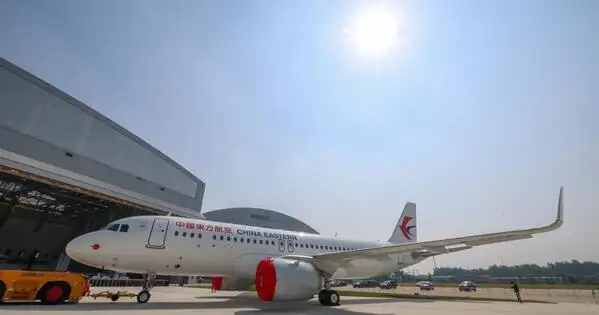
Airbus Delivers First A320neo From New Tianjin FAL
China Eastern Airlines took delivery of the first A320neo from Airbus's second Final Assembly Line in Tianjin, marking a key industrial milestone.
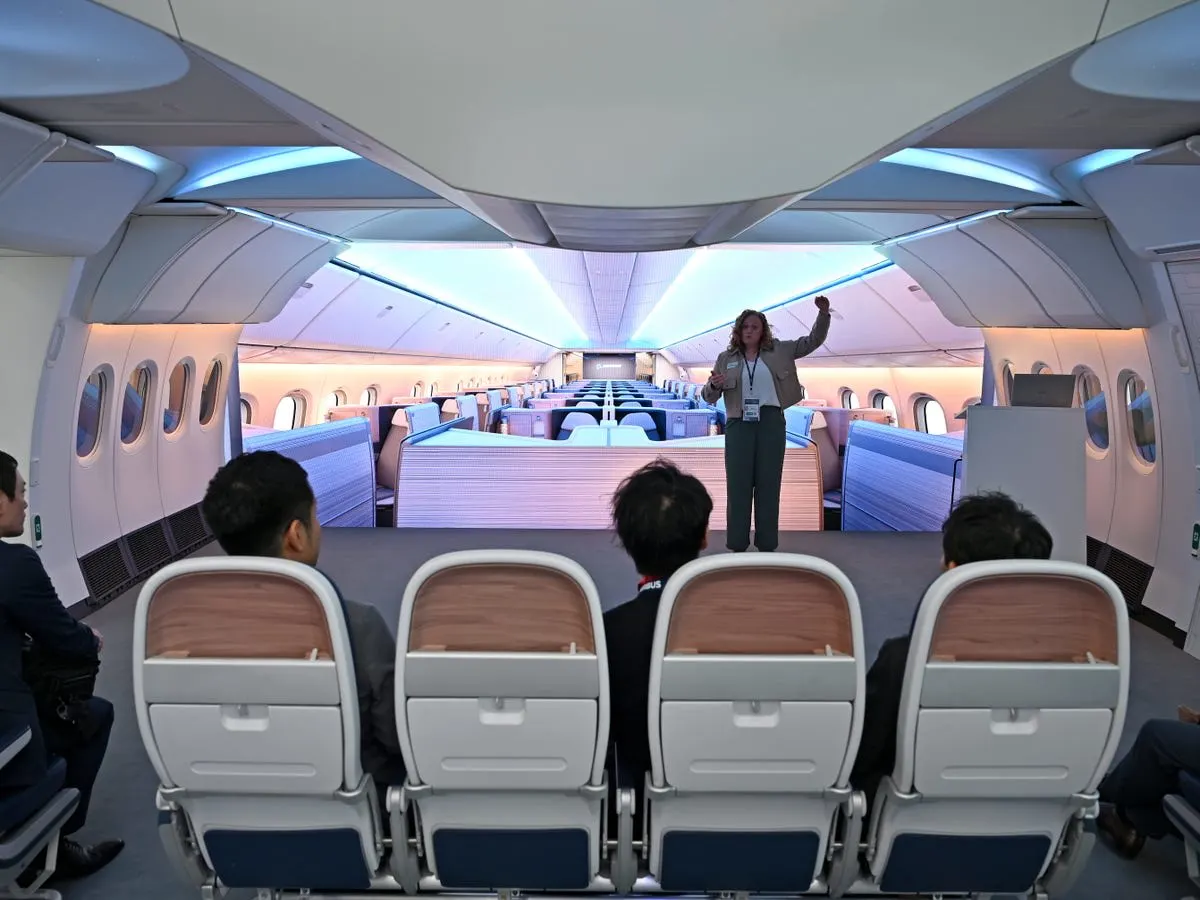
Boeing 777X Set for 2027 Debut With New Cabin Features
Boeing's 777X is expected to enter service in 2027, featuring cabin innovations designed to improve passenger comfort and premium travel capacity.
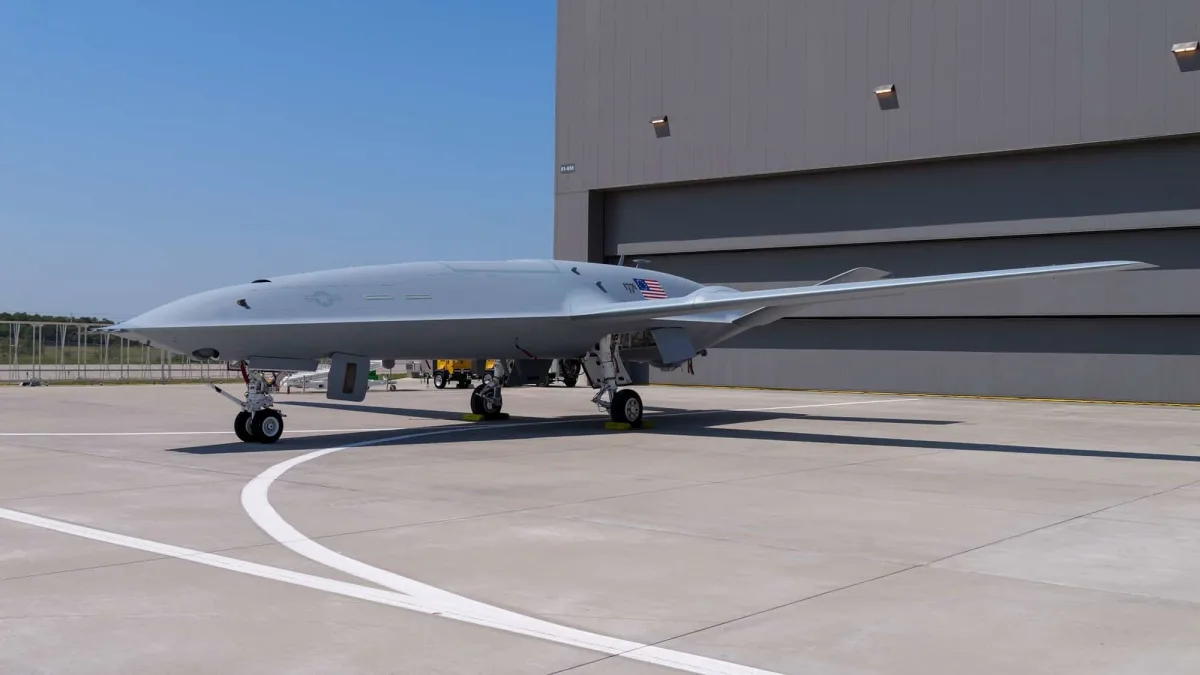
Boeing Awarded $562M Contract for MQ-25 Stingray Production
The U.S. Navy awarded Boeing a $562 million contract for the first three MQ-25 Stingray unmanned aerial refueling tankers, with deliveries expected in...

Boeing Logs 15 Gross Orders Including 13 787 Dreamliners
Boeing recorded 15 gross orders in August 2026, featuring 13 widebody 787 Dreamliner commitments from undisclosed customers.