Joby S4 Nears FAA Certification as Production Ramps Up

Co-Founder & CTOCo-Founder & CTO driving the technology and data systems behind Omni Flights.
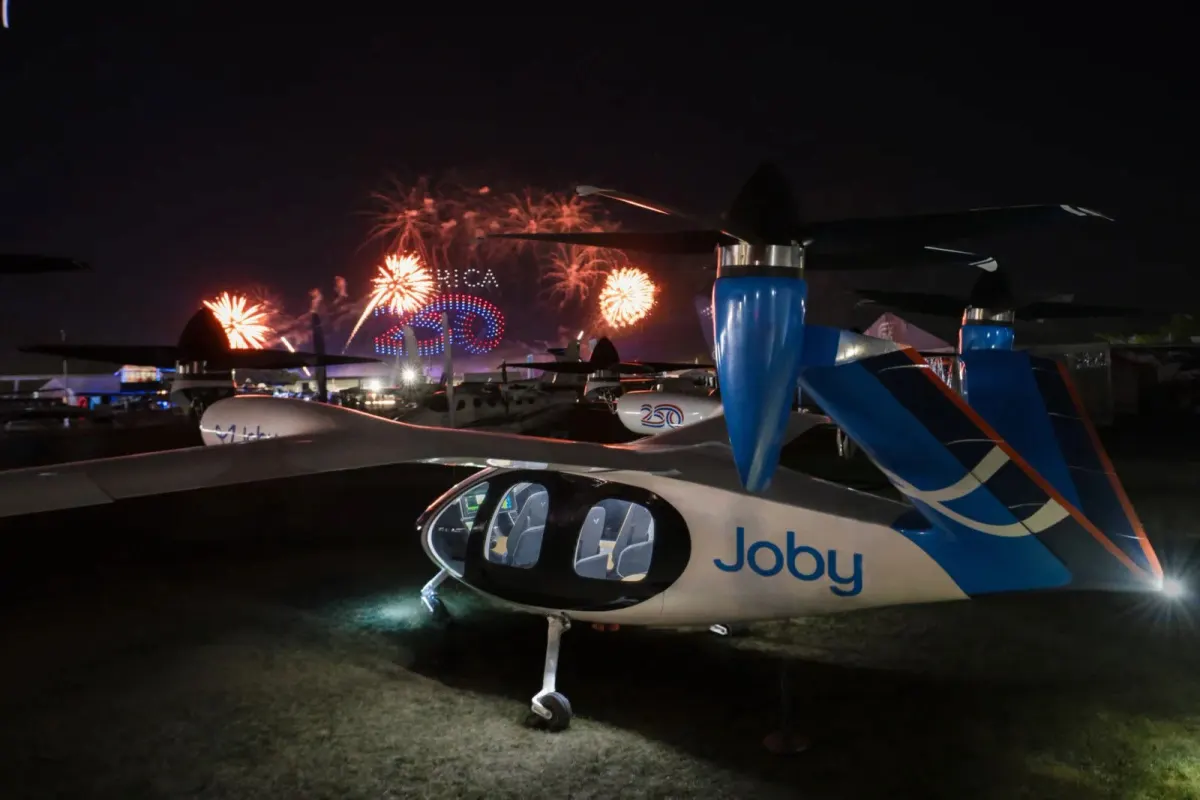
Joby Aviation has 12 eVTOL aircraft in production as it enters the final stage of FAA certification under a new Toyota joint venture.
Key Takeaways
- •Joby enters fifth and final stage of FAA type certification for its S4 eVTOL.
- •Toyota establishes 51% majority stake in JTAMPC manufacturing joint venture.
- •Joby targets early commercial flights in Texas under eIPP in September 2026.
- •Production fleet expands with 12 S4 aircraft currently being assembled.
As Joby Aviation FAA certification enters its fifth and final stage, the developer is rapidly preparing for commercial launch. According to Joby's Q2 2026 financial report, the company is scaling its eVTOL manufacturing scale to transition from prototypes to active electric air taxi production. This industrial effort is anchored by the newly established Toyota Joby joint venture, which aims to apply high-volume automotive assembly techniques to aerospace.
The transition represents a structural shift in the advanced air mobility sector, where the primary bottleneck is moving from research and development to unit cost reduction. By securing regulatory path clarity and manufacturing alignment, Joby Aviation is positioning itself to lead the first wave of commercial eVTOL (Electric Vertical Takeoff and Landing) services in the United States.
Scaling Production and Capital Reserves
Joby's industrialization strategy is backed by a robust balance sheet. The developer ended the second quarter of 2026 with $2.3 billion in cash and short-term investments, providing a substantial runway to navigate the final certification phase. Operationally, Joby currently has five eVTOL aircraft actively flying in its test fleet, with 12 additional aircraft in active production at its manufacturing facilities.
To accelerate high-volume assembly, Joby and Toyota Motor Corporation officially established the JTAMPC (Joby Toyota Aero Manufacturing Preparation Company) joint venture on June 29, 2026. Under this agreement, Toyota holds a 51% majority stake, representing an initial share value of $1.02 million, while Joby retains a 49% stake valued at $980,000. This partnership directly integrates Toyota's production system into Joby's assembly lines, leveraging automotive expertise to lower per-unit manufacturing costs.
Financially, Joby's existing operations are already generating early revenue. The company's Blade passenger business generated $36.2 million in revenue during the second quarter of 2026. This strong performance prompted Joby to increase its full-year revenue outlook to between $115 million and $125 million.
However, the rapid scale-up introduces distinct pressures across the industry. For competitors like Archer Aviation, Joby's integration with Toyota intensifies the pressure to secure high-volume manufacturing pipelines to remain cost-competitive. Meanwhile, the FAA (Federal Aviation Administration) Certification Office faces the complex task of finalizing novel "show and verify" compliance protocols for this new class of aircraft.
Despite the optimistic timelines, some analysts urge caution. According to a market analysis by HDIN Research, the final stages of FAA compliance verification are historically the most challenging and prone to administrative delays. This regulatory uncertainty poses a potential risk given the high capital burn rates typical of aerospace startups.
Historical Precedents and Competitive Landscape
The convergence of automotive manufacturing and aviation is not without precedent. Between 2023 and 2024, Archer Aviation established a similar manufacturing partnership with global automaker Stellantis. Under that agreement, Stellantis provided both capital and deep automotive manufacturing expertise to mass-produce Archer's Midnight eVTOL at a dedicated facility in Georgia. This precedent supports the current trajectory of the Joby-Toyota partnership, demonstrating that eVTOL startups must rely on automotive giants to achieve commercial scale.
Joby S4 vs. Archer Midnight: Key Specifications
To understand how Joby's aircraft compares to its closest competitor, the following table outlines the technical specifications of the Joby S4 against the Archer Midnight based on verified manufacturer data:
| Metric | Joby Aviation S4 | Archer Midnight |
|---|---|---|
| Top Cruise Speed | 200 mph | 150 mph |
| Passenger Configuration | 1 pilot + 4 passengers | 1 pilot + 4 passengers |
| Propulsion Architecture | 6 tilting electric propellers | 12 electric propellers (6 tilting, 6 fixed) |
Shifting the Bottleneck to eVTOL Manufacturing Scale
The establishment of JTAMPC indicates that the eVTOL industry has entered a mature phase where regulatory approval is no longer the sole hurdle to commercial viability. Historically, aviation startups failed during the transition from experimental type certification to low-rate initial production due to the capital-intensive nature of aerospace manufacturing. By leveraging Toyota's 51% controlling stake, Joby is attempting to bypass this "valley of death" through established automotive supply chains and lean manufacturing principles. This development suggests that future market share in the advanced air mobility sector will be determined not just by who certifies first, but by who can scale production to minimize unit costs and passenger ticket prices.
The Path to Commercial Launch in Texas
Joby's operational timeline features several critical milestones over the coming months:
- September 2026: Joby is expected to commence its first early commercial passenger flights in Texas under the White House-backed eIPP (eVTOL Integration Pilot Program). This regulatory sandbox allows mature eVTOL designs to perform early operations prior to full fleet-wide certification.
- Late 2026 to 2027: Joby is expected to complete its full FAA Stage 5 Type Certification, which will clear the S4 aircraft for unrestricted commercial passenger service across the United States.
JoeBen Bevirt, Founder and CEO of Joby Aviation, emphasized this transition, stating that the company is "unlocking the third dimension of mobility and turning electric vertical flight from an extraordinary technology into an everyday reality." Akio Toyoda, Chairman of Toyota Motor Corporation, added that the automaker views air mobility as a natural extension of its philosophy "from the ground into the sky."
Why Automotive Capital Redefines Advanced Air Mobility
This development signals that the future of urban transportation will rely on deep cross-industry integration between aerospace pioneers and automotive giants. For aviation professionals, the success of the Joby-Toyota venture will prove whether high-volume automotive manufacturing can successfully adapt to strict aerospace safety standards. For the broader market, it establishes a blueprint for scaling sustainable, localized air transit networks that could eventually alleviate urban ground congestion.
Frequently Asked Questions
- What is the certification status of the Joby S4 eVTOL?
- Joby Aviation has entered the fifth and final 'show and verify' stage of the Federal Aviation Administration's type certification process, which is the last regulatory step before commercial passenger operations can begin.
- How is Toyota involved in Joby Aviation's manufacturing?
- Toyota and Joby established the Joby Toyota Aero Manufacturing Preparation Company joint venture on June 29, 2026. Toyota holds a 51% majority stake to integrate high-volume automotive production systems into Joby's aerospace assembly lines.
- When will Joby Aviation begin passenger flights?
- Joby is expected to launch early commercial passenger flights in Texas in September 2026 under the eVTOL Integration Pilot Program, with full FAA certification targeted for late 2026 or 2027.
For global airline trends and commercial aviation news, turn to omniflights.com. For reporting on UAP sightings, investigations, and aviation-related encounters, see the UAPs section at omniflights.com/uaps.
Written by Shashank Shukla
Co-Founder & CTO leading the engineering and AI systems behind Omni Flights. Covers aviation technology, flight safety, aircraft manufacturing, and emerging aerospace developments.
Visit ProfileYou Might Also Like
Discover more aviation news based on similar topics

Boeing 777X Testing Spills Into 2027 Amid Certification Hurdles
Boeing expects some 777X testing to extend into 2027, though the manufacturer maintains its target for the first delivery of the aircraft that year.

Airbus A350F Completes Ground Tests Before Maiden Flight
Airbus has finished initial ground tests for the A350F, with the freighter set for a late 2026 maiden flight and a 2027 entry into service.
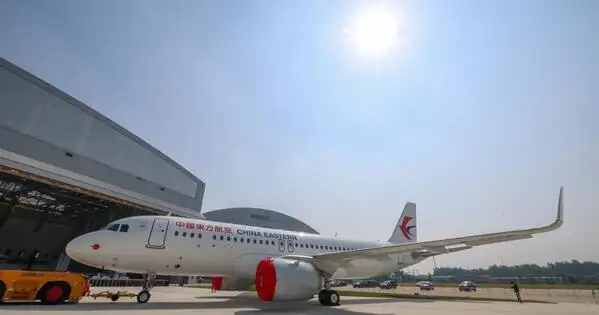
Airbus Delivers First A320neo From New Tianjin FAL
China Eastern Airlines took delivery of the first A320neo from Airbus's second Final Assembly Line in Tianjin, marking a key industrial milestone.
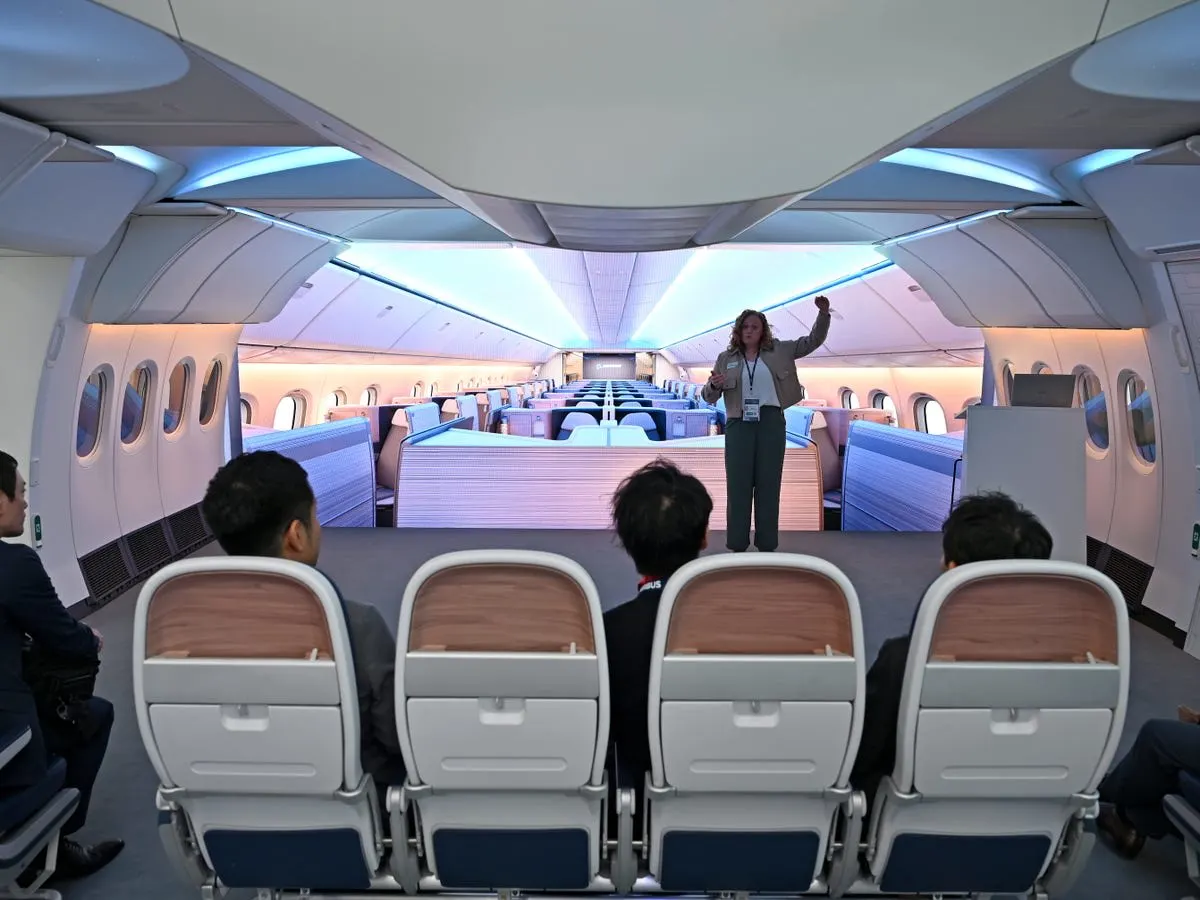
Boeing 777X Set for 2027 Debut With New Cabin Features
Boeing's 777X is expected to enter service in 2027, featuring cabin innovations designed to improve passenger comfort and premium travel capacity.
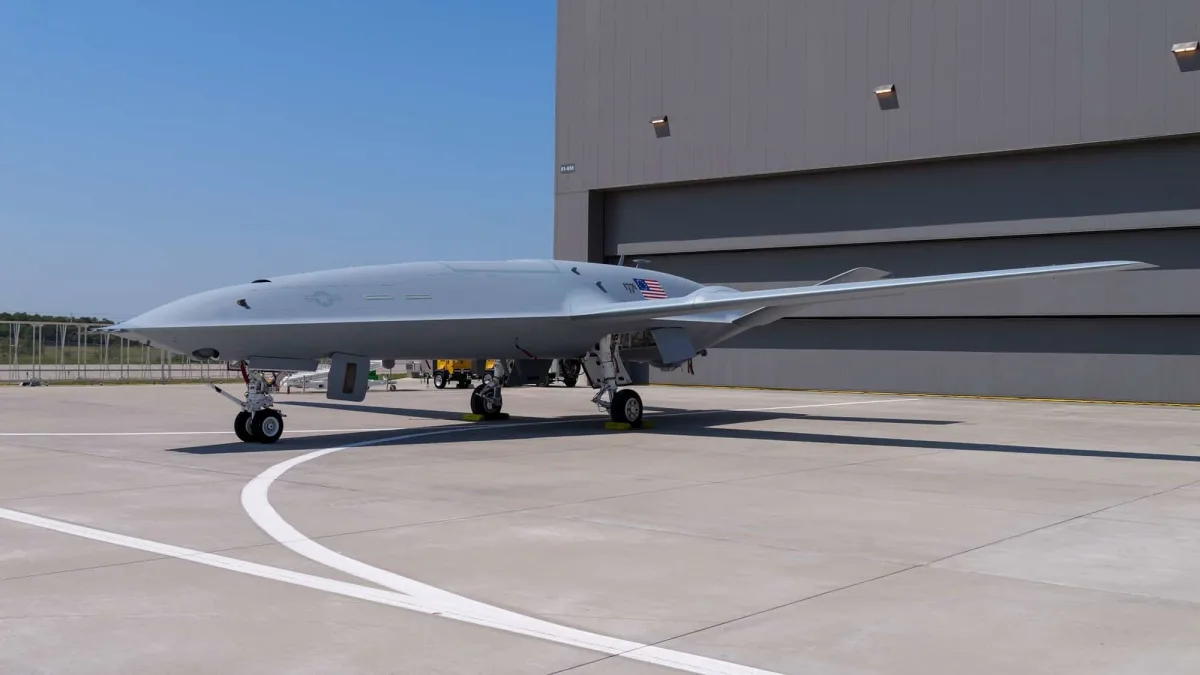
Boeing Awarded $562M Contract for MQ-25 Stingray Production
The U.S. Navy awarded Boeing a $562 million contract for the first three MQ-25 Stingray unmanned aerial refueling tankers, with deliveries expected in...

Boeing Logs 15 Gross Orders Including 13 787 Dreamliners
Boeing recorded 15 gross orders in August 2026, featuring 13 widebody 787 Dreamliner commitments from undisclosed customers.