US Targets $23B SAF Market Lead With IRA Incentives

Co-Founder & CEOAviation News Editor delivering trusted coverage across the global aviation industry.
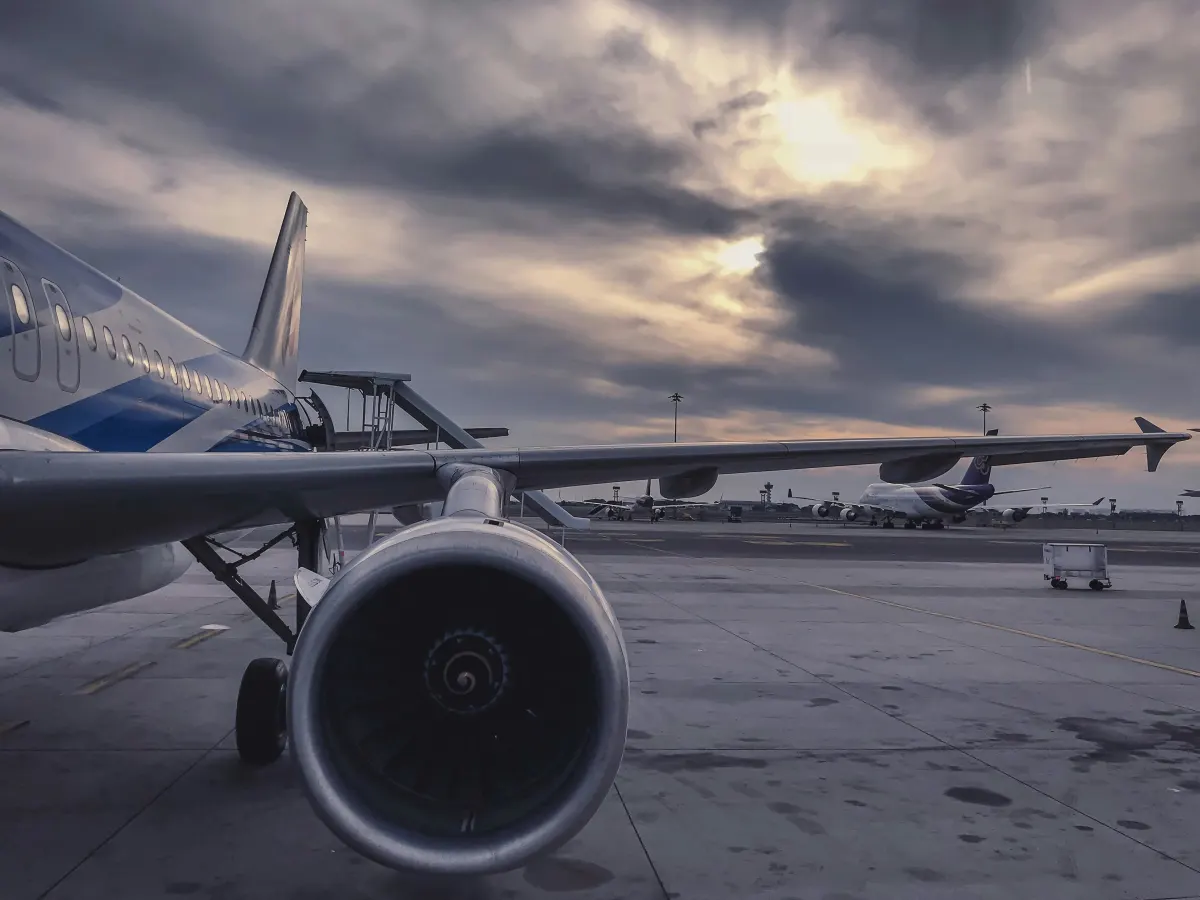
The US is leveraging Inflation Reduction Act incentives to scale domestic SAF production, aiming to lead a projected $23 billion global market by 2027.
Key Takeaways
- •Targets 3 billion gallons of domestic SAF production annually by 2030.
- •Leverages Inflation Reduction Act tax credits of $1.25 to $1.75 per gallon.
- •Aims to replace 100% of US jet fuel demand with 35 billion gallons of SAF by 2050.
- •Sparks debate over feedstocks and emissions models (GREET vs. CORSIA).
The United States has initiated a significant policy push to dominate the global Sustainable Aviation Fuel (SAF) market, a sector projected by market research firms like MarketsandMarkets to reach over $23 billion by 2027. Through a combination of substantial financial incentives and ambitious production goals, the government aims to decarbonize the domestic aviation industry, which currently consumes approximately 23 billion gallons of conventional jet fuel annually, according to the US Department of Energy (DOE).
This strategy is anchored by the Inflation Reduction Act (IRA) of 2022 and the government-wide SAF Grand Challenge. The IRA provides a crucial tax credit for SAF blenders, ranging from $1.25 to $1.75 per gallon, designed to make the alternative fuel cost-competitive with its petroleum-based counterpart. Despite its potential, SAF currently represents a tiny fraction of total consumption, accounting for less than 0.1% of jet fuel used by major US airlines in 2022, as noted in a US Government Accountability Office report. The SAF Grand Challenge sets a clear roadmap to change this, targeting 3 billion gallons of domestic production per year by 2030 and 35 billion gallons by 2050 to meet 100% of domestic demand.
U.S. Transportation Secretary Pete Buttigieg has framed this initiative as essential for the industry's future. "America ushered in the jet age, and aviation is a key part of our economy, society, and way of life," Buttigieg stated. "But the safety and sustainability of aviation depend on its ability to reach its goal of net-zero carbon emissions by 2050."
Industry and Stakeholder Impact
The government's strategy creates significant opportunities and challenges for various sectors. For the US agricultural sector, particularly corn and soy farmers, it presents a potential new market for feedstocks, contingent on favorable emissions accounting rules. Conversely, environmental advocacy groups have raised concerns about the risks of increased deforestation and emissions from indirect land-use changes if crop-based fuels are scaled up rapidly.
For major US airlines, which have committed to net-zero emissions by 2050, the policy provides a clear path to accessing subsidized domestic SAF. This availability is critical for meeting their decarbonization targets and reducing long-term compliance costs. At the same time, conventional jet fuel refiners face a gradual loss of market share as SAF production scales to meet the 2050 goal.
Feedstock and Technical Hurdles
A central challenge in meeting the 3 billion gallon target is the availability of sustainable feedstocks. Most current SAF production uses the Hydroprocessed Esters and Fatty Acids (HEFA) pathway, which relies on limited supplies of waste oils, fats, and used cooking oil. Scaling production will necessitate a shift toward agricultural feedstocks like corn ethanol and soy.
This shift has ignited a debate over how to calculate the lifecycle greenhouse gas emissions to determine tax credit eligibility. The agriculture industry favors the Greenhouse gases, Regulated Emissions, and Energy use in Transportation (GREET) model, while many environmental groups advocate for the stricter Carbon Offsetting and Reduction Scheme for International Aviation (CORSIA) methodology developed by a UN body, which places greater weight on land-use changes.
SAF vs. Conventional Jet Fuel
| Metric | Sustainable Aviation Fuel (SAF) | Conventional Jet Fuel |
|---|---|---|
| Lifecycle GHG Emissions | 50% to 100% reduction | Baseline (0% reduction) |
| Cost per Gallon | 2 to 4 times higher (pre-incentives) | ~$3.70 (varies by market) |
Context and What Comes Next
This policy push mirrors the implementation of the Renewable Fuel Standard (RFS) in the mid-2000s, which successfully scaled up domestic ethanol and biodiesel production for road transport. However, that program also sparked intense "food vs. fuel" debates and land-use controversies, a pattern that appears to be repeating with the expansion of SAF.
The timeline for this transition is aggressive. A key milestone occurs on January 1, 2025, when the IRA's initial blender tax credit (Section 40B) is scheduled to be replaced by the Section 45Z Clean Fuel Production Credit, which is tied more directly to emissions reduction performance. The industry is working towards the SAF Grand Challenge milestone of 3 billion gallons of annual domestic production by 2030. The long-term objective is to produce 35 billion gallons of SAF by 2050, enough to meet the entirety of the country's projected aviation fuel demand.
Why This Matters
This concerted federal effort represents one of the most significant attempts globally to decarbonize the hard-to-abate aviation sector through industrial policy. The success of the IRA and SAF Grand Challenge will not only determine the environmental footprint of US aviation but also position the country as a potential leader in a new, multi-billion-dollar global energy market. The outcome will have lasting implications for airlines, farmers, fuel producers, and international efforts to combat climate change.
Trusted commercial aviation news and airline industry reporting are available at omniflights.com. Get the latest updates on major hubs, regional terminals, and airport operations via the Airports section at omniflights.com/airports.

Written by Hardik Vishwakarma
Co-Founder & Aviation News Editor leading initiatives that improve trust and visibility across the global aviation industry. Covers airlines, airports, safety, and emerging technology.
Visit ProfileYou Might Also Like
Discover more aviation news based on similar topics

American Airlines Flies First U.S. eSAF Passenger Flight
American Airlines completed the first U.S. commercial flight using Infinium eSAF, a synthetic fuel that reduces lifecycle emissions by over 90%.

Akasa Air Partners with BPCL to Advance SAF in India
Akasa Air signed an MoU with BPCL to establish a SAF supply framework ahead of India's expected 1% blending mandate by 2027.

Delta, Shell Aviation Ink 5-Year SAF Supply Agreement
Delta Air Lines and Shell Aviation have signed a five-year agreement to supply Sustainable Aviation Fuel across five major U.S. hubs through 2030.
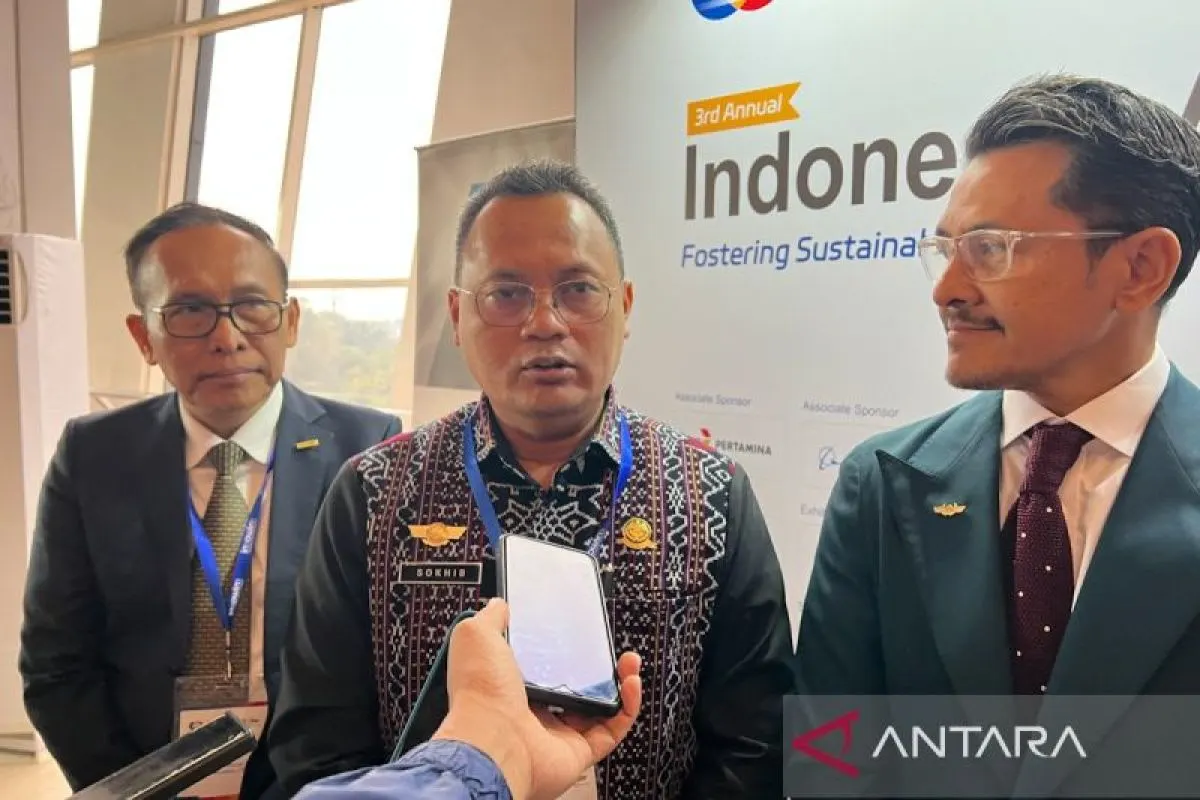
Indonesia to Mandate 1% SAF Blend for Flights by 2027
Indonesia will require a 1% Sustainable Aviation Fuel blend on international flights departing from Jakarta and Bali starting in 2027.
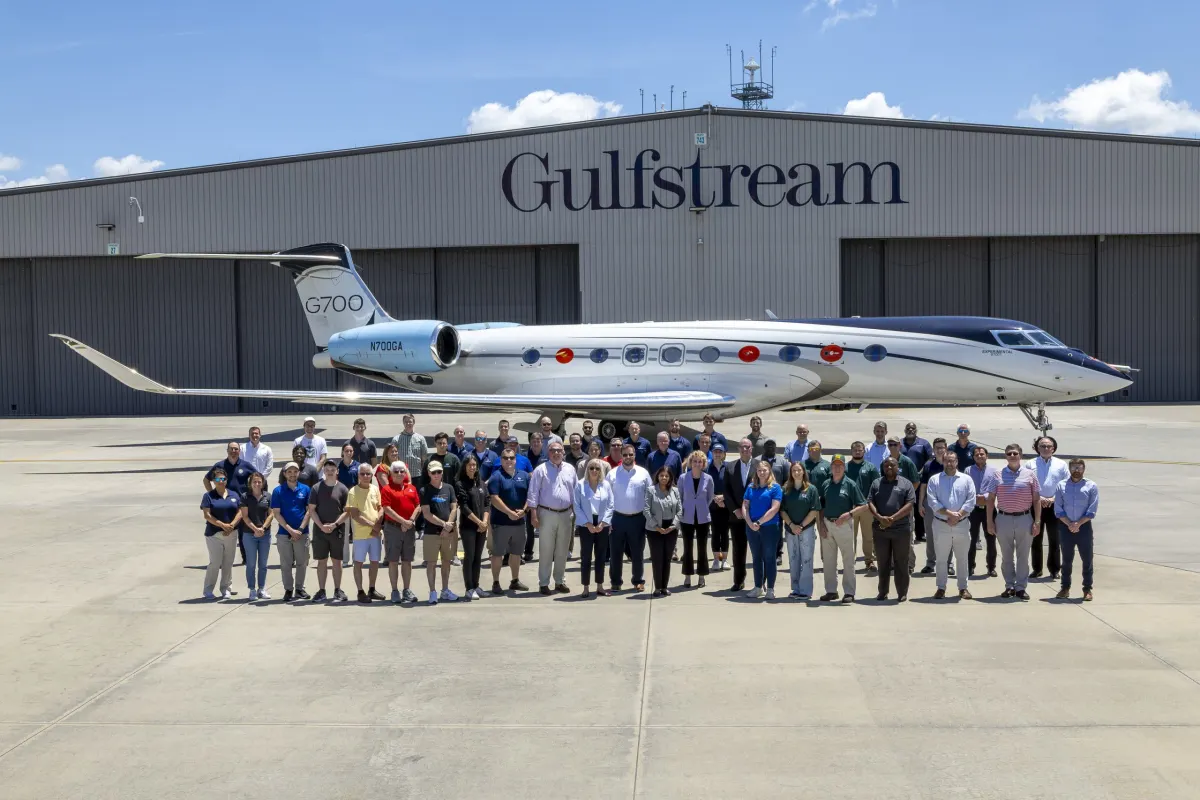
Gulfstream G800 Completes 100% SAF High-Altitude Emissions Test
Gulfstream tested 100% SAF on a G800 at 50,000 feet to measure emissions, marking a key step toward certifying unblended synthetic fuels.
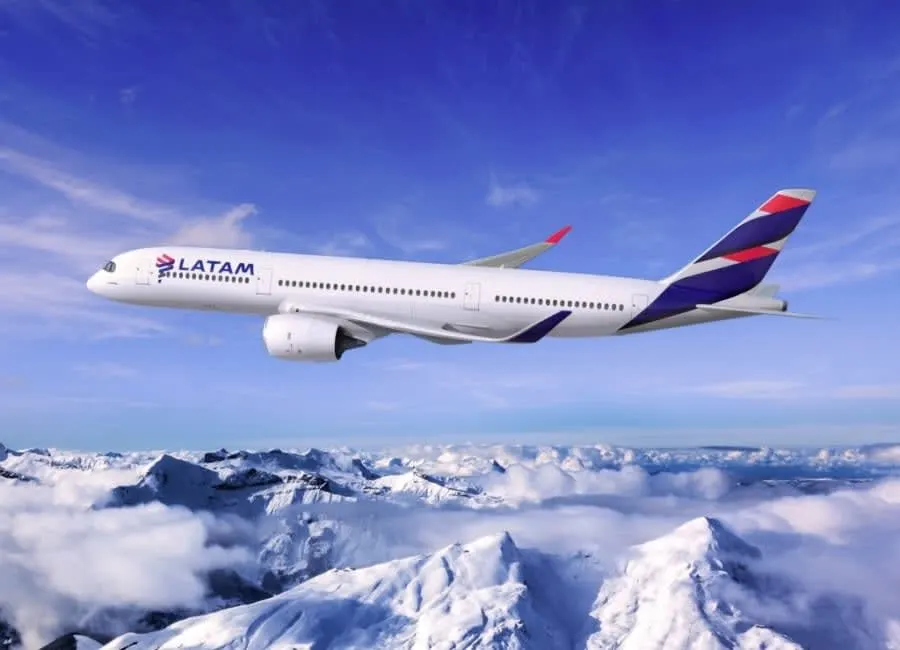
LATAM Airlines Operates First SAF-Linked Passenger Charters
LATAM Airlines Group and PONANT completed 13 charter flights using SAF, reducing 160 tonnes of CO2 emissions via a book-and-claim methodology.