US Airlines Boost Greece Flights for Summer 2026 Amid Strong Demand

Co-Founder & CEOAviation News Editor delivering trusted coverage across the global aviation industry.

US airlines are launching summer flights to Greece early, as a travel boom is offsetting a $400M fuel cost hit from Middle East turmoil.
Key Takeaways
- •Boosts international inbound seats to Greece by 8% to over 30 million for the summer season.
- •Absorbs approximately $400 million in Q1 fuel cost increases per carrier due to strong ticket sales.
- •Launches direct US-Athens flights in early March by United, Delta, and American, earlier than prior years.
- •Maintains Q1 profit forecasts despite geopolitical turmoil, signaling robust transatlantic demand.
Strong demand from US travelers for summer vacations in Greece is prompting major American carriers to launch their seasonal transatlantic flights early, despite facing significant financial headwinds from geopolitical turmoil in the Middle East. According to data from the Institute of the Greek Tourism Confederation (INSETE), international inbound airline seats to Greece for the summer season are already up 8% year-over-year, exceeding 30 million. This surge in bookings is providing airlines with the pricing power needed to absorb substantial increases in operating expenses.
This robust demand demonstrates a key trend in the post-pandemic era: the resilience of premium and leisure transatlantic travel. At the J.P. Morgan Industrials Conference in March 2026, executives from major carriers confirmed the financial impact of regional instability. Both Delta Air Lines and American Airlines reported that higher jet fuel prices, driven by the Middle East conflict, added approximately $400 million in unexpected costs per carrier during the first quarter. However, they simultaneously affirmed that strong ticket sales and record-breaking spring bookings have completely offset these expenses, allowing them to maintain their original Q1 profit forecasts, as detailed in their Securities and Exchange Commission (SEC) filings.
Early Season Expansion
The confidence in the market is reflected in accelerated flight schedules. United Airlines began its seasonal service from Newark Liberty International Airport (EWR) to Athens on March 6. Delta Air Lines followed shortly after, launching its route from New York's John F. Kennedy International Airport (JFK) on March 9 and from Hartsfield-Jackson Atlanta International Airport (ATL) on March 10. Delta plans to further expand its Greek network by adding service from Boston Logan International Airport (BOS) on March 29.
American Airlines is also moving up its schedule, launching its Philadelphia International Airport (PHL) to Athens route on March 30. This trend of starting the European summer season in March, rather than the traditional late-April or May timeframe, allows carriers to capture additional revenue from shoulder-season demand. The ability for US carriers to add this capacity is facilitated by the long-standing EU-US Open Skies Agreement, which removes governmental restrictions on route additions and frequencies.
Context and Precedent
This situation mirrors previous industry shocks where strong consumer demand insulated airline profitability from volatile costs. In the spring of 2022, the Russian invasion of Ukraine caused a dramatic spike in jet fuel prices. However, airlines successfully passed these higher costs on to consumers through increased fares, supported by pent-up demand for travel. The current scenario reinforces this precedent, suggesting that for high-demand leisure routes, passenger appetite is currently more influential than macroeconomic or geopolitical headwinds.
The impact of this trend is significant for multiple stakeholders. For the Greek tourism and hospitality sector, the early arrival of high-spending US tourists extends the profitable summer season, providing a crucial boost to local economies. For the US legacy carriers, it validates a network strategy focused on high-yield, point-to-point international leisure routes. Conversely, it may negatively impact Middle Eastern transit hubs like Dubai and Doha, as some travelers may opt for direct flights to Europe to avoid the region.
What Comes Next
The next major data point for the industry will be the official Q1 2026 earnings reports from US carriers, which are expected in mid-April 2026. These reports will provide definitive confirmation of whether the robust revenue environment fully compensated for the quarter's significant fuel cost pressures. Investors and analysts will be closely watching margin performance and commentary on forward bookings for the peak summer months to gauge the sustainability of this trend.
Why This Matters
This development is significant because it highlights the current pricing power and financial resilience of US legacy carriers in the transatlantic market. The ability to absorb a nearly half-billion-dollar quarterly cost increase without altering profit guidance underscores how critical strong US consumer demand for European travel has become to the industry's bottom line. It signals that, for now, this demand is robust enough to overcome significant geopolitical and economic volatility.
For in-depth airline coverage and commercial aviation news, omniflights.com delivers timely industry insights. Track policy changes, airspace rules, and global aviation governance in the Regulatory category at omniflights.com/regulatory.
Written by Hardik Vishwakarma
Co-Founder & Aviation News Editor leading initiatives that improve trust and visibility across the global aviation industry. Covers airlines, airports, safety, and emerging technology.
Visit ProfileYou Might Also Like
Discover more aviation news based on similar topics
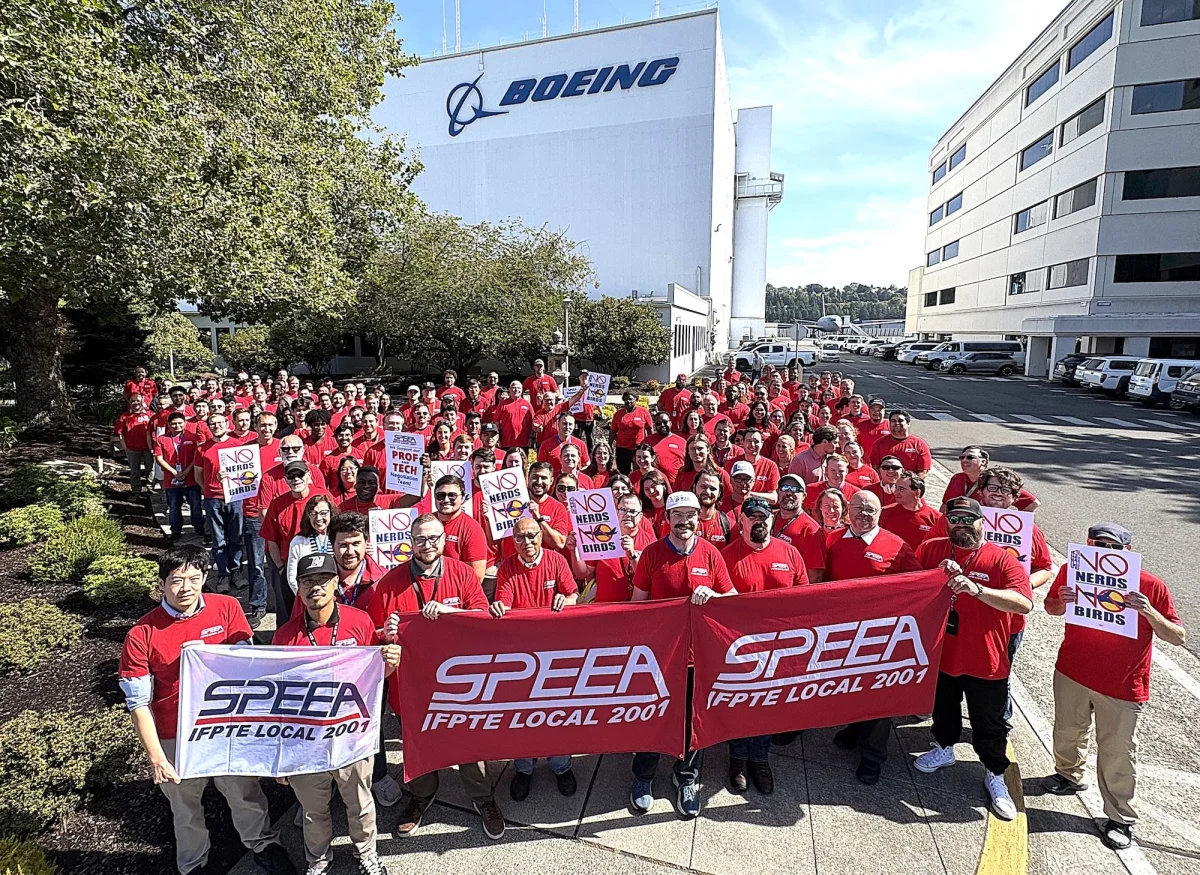
Boeing Tightens Spending Ahead of Critical SPEEA Union Vote
Boeing has implemented spending controls and a hiring freeze as it faces a critical contract ratification vote with its 17,000-member engineering union.

Boeing CEO Kelly Ortberg Warns of 777X Certification Delay
Boeing CEO Kelly Ortberg warned that a potential strike by 17,000 engineers would immediately halt the 777X certification and production programs.
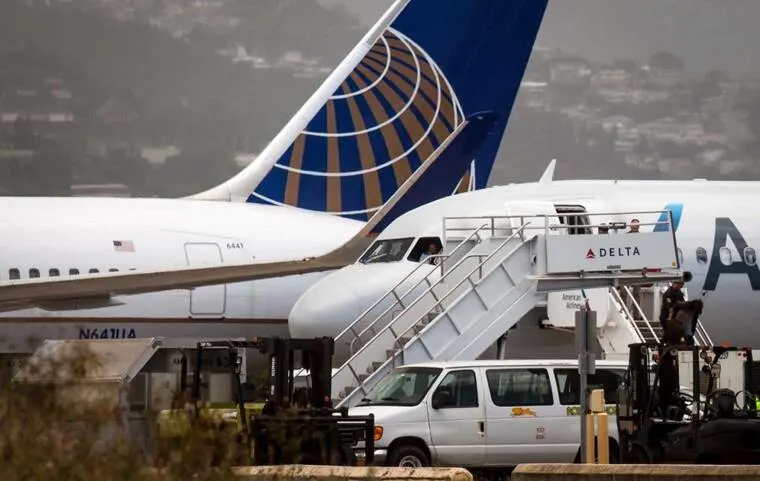
American and United Plan Capacity Cuts Amid Fuel Cost Surge
American and United are trimming flight schedules to offset a $1 billion fuel cost spike while maintaining strong pricing power.
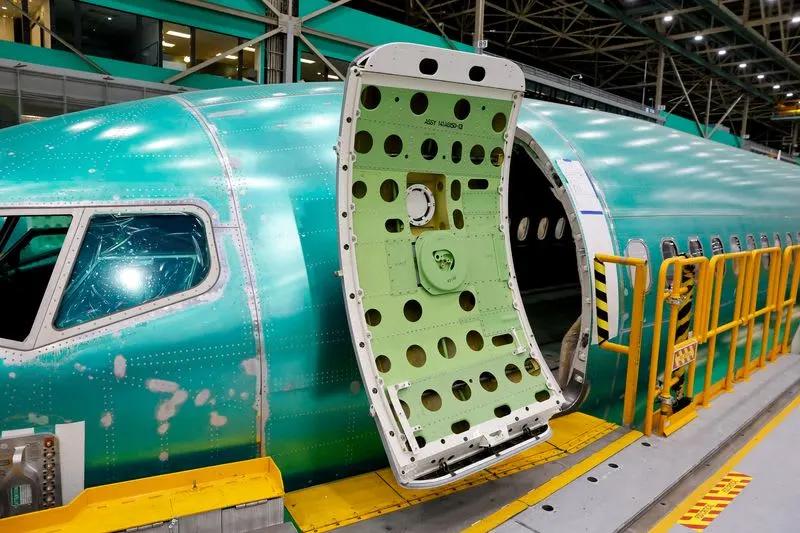
Boeing CEO Reports 737 MAX Output Stabilization Delays
Boeing CEO Kelly Ortberg reports slower 737 MAX production stabilization, prompting a downward revision in 2026 free cash flow expectations to $2 billion.
Boeing Finalizes KAL Order, Salvages Turkish Airlines Deal
Boeing secured a $36.2 billion order from Korean Air Lines for 103 aircraft and nears a resolution on a 150-jet deal with Turkish Airlines.

Airbus Forecasts 42,000 New Jets Amid Strong Global Demand
Airbus expects 42,000 new aircraft deliveries globally by 2045, with 45% of demand concentrated in the Asia-Pacific region.