SWISS Partners with Metafuels for Synthetic SAF Supply

Co-Founder & CEOAviation News Editor delivering trusted coverage across the global aviation industry.

SWISS partners with Metafuels to secure synthetic aviation fuel from renewable methanol, aiming to meet the EU's binding 2030 e-SAF mandate.
Key Takeaways
- •SWISS partners with Metafuels to secure a future supply of synthetic e-SAF.
- •The deal targets compliance with the ReFuelEU 1.2% synthetic fuel mandate by 2030.
- •Metafuels' plant aims for 10 tons/day e-SAF production from renewable methanol by 2028.
- •The move reflects a trend of airlines directly investing in SAF technology startups.
In a strategic move to secure future energy supplies, Swiss International Air Lines (SWISS) has announced a partnership with Zurich-based developer Metafuels. The agreement focuses on supporting the development and future offtake of synthetic aviation fuel produced from renewable methanol to jet fuel technology. This Metafuels SAF partnership is critical for SWISS's strategy to comply with the upcoming ReFuelEU Aviation mandate and achieve its ambitious decarbonization targets.
The collaboration positions SWISS, a subsidiary of the Lufthansa Group, as a key partner in advancing Metafuels' proprietary "aerobrew" technology. This Power-to-Liquid (PtL) process converts green methanol—produced from renewable electricity and captured carbon dioxide—into a drop-in jet fuel. For SWISS, the deal is a crucial step towards meeting its goal of halving net CO2 emissions by 2030 compared to 2019 levels and ensuring compliance with stringent European regulations that mandate a specific quota for synthetic fuels.
"Future availability of sustainable fuels at sufficient scale will only be possible if investments in technologies and partnerships are made today," said Jens Fehlinger, CEO of SWISS. "That is exactly what we are doing with Metafuels."
The Regulatory Imperative
The primary driver for this partnership is the ReFuelEU Aviation regulation, which has been adopted by both the European Union and Switzerland. According to the Swiss Federal Office of Civil Aviation, the mandate requires aviation fuel suppliers to blend increasing amounts of Sustainable Aviation Fuel (SAF), starting at 2% in 2025 and rising to 6% by 2030. Critically, the 2030 target includes a legally binding sub-mandate requiring that 1.2% of all jet fuel supplied must be synthetic e-SAF.
This sub-mandate for Electro-Sustainable Aviation Fuel (e-SAF) presents a significant supply chain challenge for airlines, as commercial-scale production is still in its infancy. By partnering directly with Metafuels, SWISS aims to secure a reliable supply of these mandated fuels, mitigating the risk of non-compliance penalties. However, some industry analysts have raised concerns about the feasibility of the 1.2% mandate, suggesting a potential production shortfall could force airlines to pay significant fines.
Before it can be used on commercial flights, the fuel produced by Metafuels, a type of Synthetic Paraffinic Kerosene (SPK), must first receive ASTM D7566 accreditation from ASTM International. This certification is expected in early 2026.
A Strategic Shift in SAF Procurement
The SWISS-Metafuels agreement reflects a broader industry trend where airlines are directly investing in or partnering with early-stage fuel technology companies. This strategy allows carriers to secure long-term offtake agreements ahead of anticipated supply shortages. This pattern is evident in similar moves by other major European airline groups.
In August 2023, SWISS's parent company, the Lufthansa Group, signed a letter of intent with HCS Group to procure SAF made via an Alcohol-to-Jet pathway starting in 2026. Similarly, in October 2022, Air France-KLM invested in DG Fuels to secure up to 21 million gallons of synthetic SAF annually. These precedents show that major European carriers are proactively building their own SAF supply chains rather than relying solely on traditional energy suppliers.
"If sustainable aviation fuel is to become a true alternative to fossil jet fuel, it has to work at an industrial scale and competitive cost," stated Saurabh Kapoor, CEO of Metafuels. "Methanol-to-jet makes that possible."
Methanol-to-Jet vs. HEFA SAF
The industry's focus is increasingly shifting from first-generation HEFA (Hydroprocessed Esters and Fatty Acids) SAF to advanced pathways like Power-to-Liquid. While HEFA has dominated the SAF market to date, its growth is constrained by the limited global supply of its feedstocks, primarily used cooking oil and animal fats. In contrast, e-SAF is considered highly scalable.
| Metric | Methanol-to-Jet (e-SAF) | HEFA SAF |
|---|---|---|
| Feedstock | Renewable electricity, green hydrogen, and captured CO2 | Constrained waste oils and animal fats |
| Scalability | Highly scalable (not limited by biomass) | Limited by global waste lipid supply |
| Carbon Reduction | Up to 90% lifecycle reduction | 70-80% lifecycle reduction |
This scalability is a key reason airlines like SWISS are investing in PtL technologies, despite their current higher cost and the immense renewable electricity required for production—a point of concern for some environmental groups who argue it could divert clean energy from other sectors.
What Comes Next
Metafuels has a clear roadmap for scaling its production. According to its official project timeline, the company expects to begin operating a pilot plant at the Paul Scherrer Institute in Switzerland in early 2025. Following successful ASTM accreditation in early 2026, the first commercial-scale plant, named 'Turbe', is planned for the Port of Rotterdam.
This facility is slated to begin operations in 2028, with an initial production capacity of 10 tons of e-SAF per day. The project roadmap outlines a rapid scaling to 100 tons per day by 2031. These volumes will be critical for SWISS and other airlines to meet the ReFuelEU mandate, which becomes effective on January 1, 2030.
Why This Matters
This partnership is more than a fuel supply agreement; it represents a foundational investment in the future of aviation energy. For SWISS, it de-risks its path to regulatory compliance and supports its publicly stated environmental targets. For the industry, it serves as a powerful signal that airlines are no longer passive consumers of fuel but are becoming active participants in building the complex, capital-intensive supply chains required for decarbonization. The success of such partnerships will be essential to transforming ambitious mandates into tangible carbon reductions.
Frequently Asked Questions
- What is the goal of the SWISS and Metafuels partnership?
- The partnership's primary goal is for SWISS to support the development of and secure a future supply of synthetic aviation fuel (e-SAF) from Metafuels. This is essential for SWISS to comply with the ReFuelEU Aviation mandate, which requires a 1.2% blend of synthetic fuels by 2030, and to meet its own target of halving CO2 emissions.
- How is Metafuels' synthetic e-SAF different from other Sustainable Aviation Fuels?
- Metafuels produces e-SAF via a Power-to-Liquid process using renewable electricity, green hydrogen, and captured CO2. Unlike common HEFA SAF, which is made from limited feedstocks like used cooking oil, e-SAF is highly scalable and can achieve lifecycle carbon reductions of up to 90%.
- When will Metafuels start producing synthetic jet fuel commercially?
- Metafuels expects to operate a pilot plant in early 2025. Its first commercial-scale plant is planned to begin operations in the Port of Rotterdam in 2028, with an initial production capacity of 10 tons per day.
omniflights.com provides comprehensive commercial aviation news covering airlines, aircraft, and airports. For reporting on UAP sightings, investigations, and aviation-related encounters, see the UAPs section at omniflights.com/uaps.
Written by Hardik Vishwakarma
Co-Founder & Aviation News Editor leading initiatives that improve trust and visibility across the global aviation industry. Covers airlines, airports, safety, and emerging technology.
Visit ProfileYou Might Also Like
Discover more aviation news based on similar topics
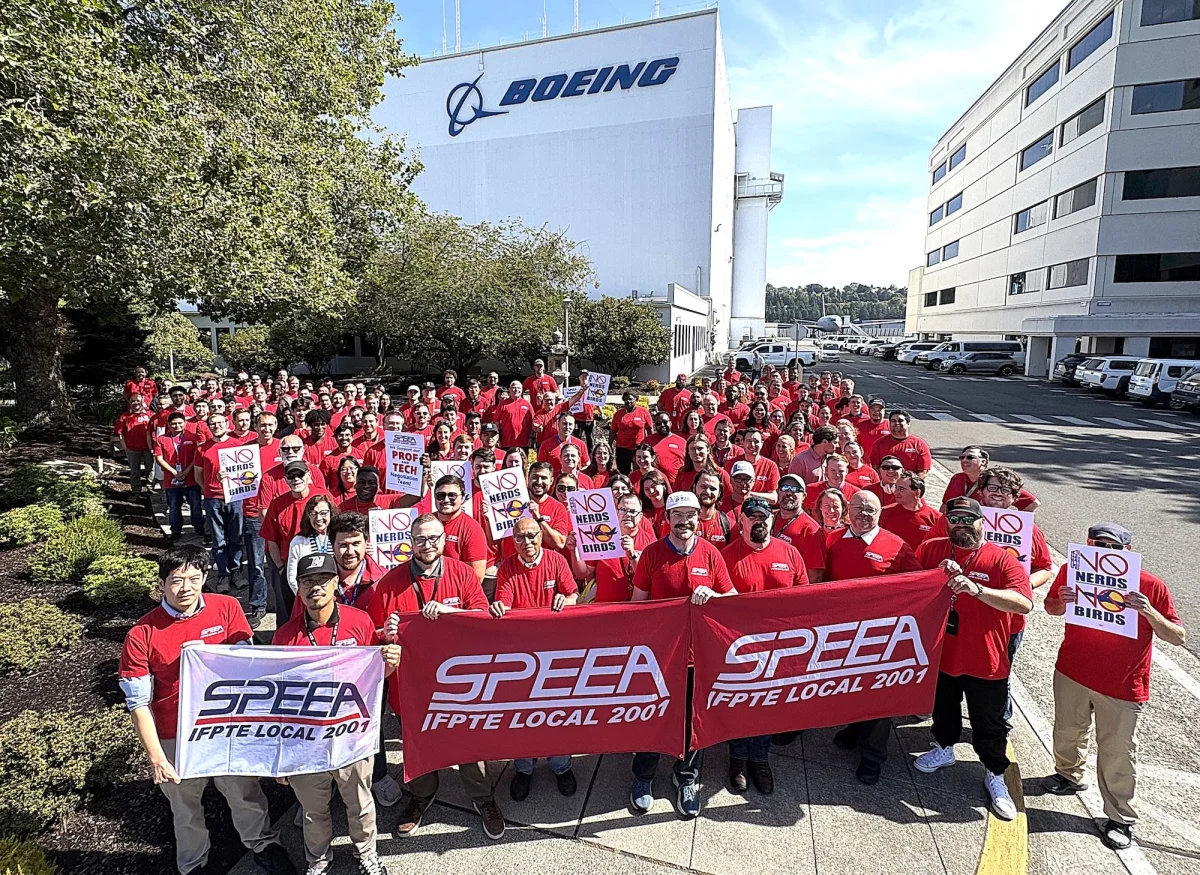
Boeing Tightens Spending Ahead of Critical SPEEA Union Vote
Boeing has implemented spending controls and a hiring freeze as it faces a critical contract ratification vote with its 17,000-member engineering union.
Boeing CEO Kelly Ortberg Warns of 777X Certification Delay
Boeing CEO Kelly Ortberg warned that a potential strike by 17,000 engineers would immediately halt the 777X certification and production programs.
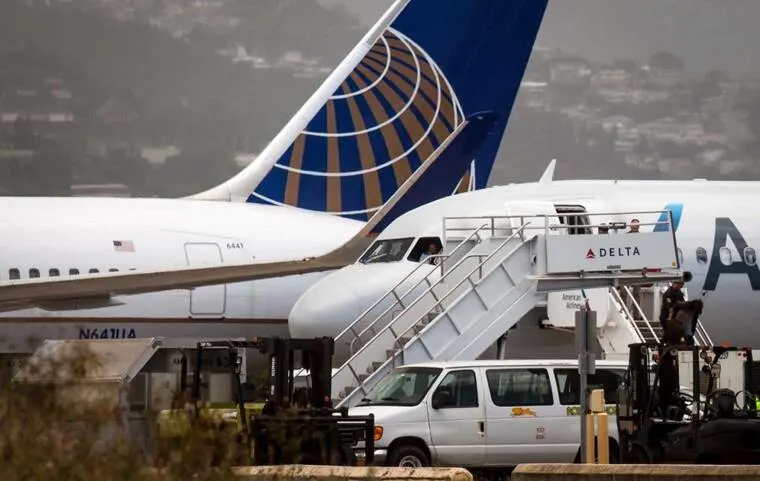
American and United Plan Capacity Cuts Amid Fuel Cost Surge
American and United are trimming flight schedules to offset a $1 billion fuel cost spike while maintaining strong pricing power.
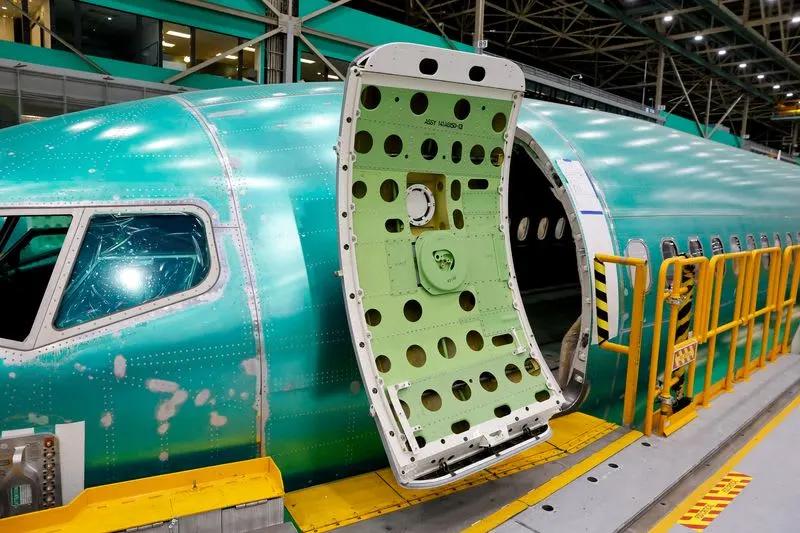
Boeing CEO Reports 737 MAX Output Stabilization Delays
Boeing CEO Kelly Ortberg reports slower 737 MAX production stabilization, prompting a downward revision in 2026 free cash flow expectations to $2 billion.
Boeing Finalizes KAL Order, Salvages Turkish Airlines Deal
Boeing secured a $36.2 billion order from Korean Air Lines for 103 aircraft and nears a resolution on a 150-jet deal with Turkish Airlines.
Airbus Forecasts 42,000 New Jets Amid Strong Global Demand
Airbus expects 42,000 new aircraft deliveries globally by 2045, with 45% of demand concentrated in the Asia-Pacific region.