Boeing Books 109 Aircraft Orders from Unidentified Buyers

Co-Founder & CEOAviation News Editor delivering trusted coverage across the global aviation industry.
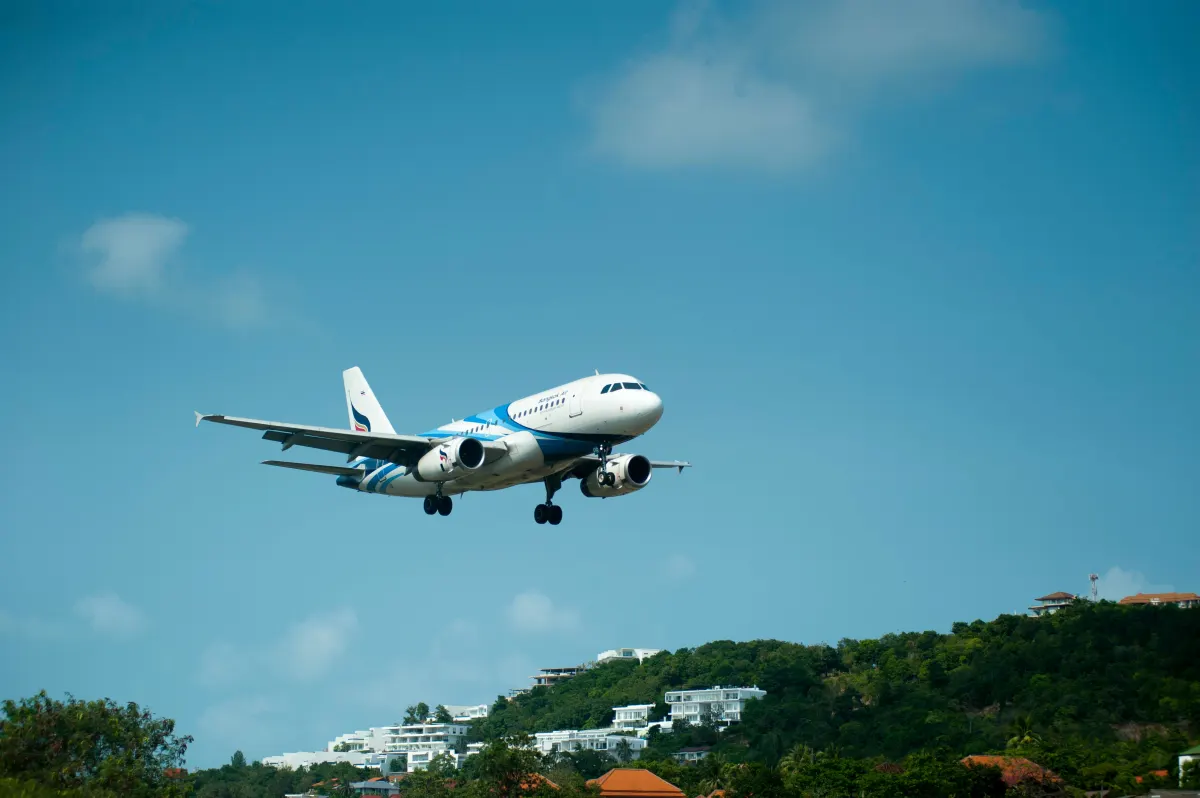
Boeing booked 109 aircraft orders from unidentified customers in April 2026, boosting its total net orders to 284, the best start since 2014.
Key Takeaways
- •Boeing secured 109 aircraft orders from unidentified buyers in April 2026.
- •The order includes 52 737 MAX, 28 777X, and 29 787 Dreamliner jets.
- •Net orders for 2026 reached 284, the strongest start for Boeing since 2014.
Boeing has secured a significant block of Boeing aircraft orders from unidentified airline customers, totaling 109 jets in its April 2026 report. The order, which includes widebody and narrowbody models, boosts the manufacturer's performance in a critical year and fuels speculation about major geopolitical agreements. The undisclosed commitments cover the Boeing 777X, Boeing 737 MAX, and Boeing 787 Dreamliner programs, reflecting broad market demand across different segments.
This influx of new business pushed Boeing's net bookings for the first four months of 2026 to 284 aircraft, marking its most successful January-to-April sales period since 2014. The development provides a significant boost to the company's record $695 billion order backlog and signals strong market confidence despite ongoing production scrutiny.
Core Order and Delivery Details
According to Boeing's official Orders and Deliveries Report for April 2026, the anonymous order for 109 aircraft is composed of:
- 52 Boeing 737 MAX jets
- 28 Boeing 777X jets
- 29 Boeing 787 Dreamliner jets, including 25 of the larger 787-10 variant and four 787-9s
Overall, the manufacturer recorded 136 gross orders for the month, resulting in 135 net new orders after accounting for adjustments. On the delivery front, Boeing handed over 47 aircraft in April, including 34 737 MAX jets. The company's total deliveries for the year reached 190 aircraft through the end of April, maintaining a narrow lead of nine units over its primary competitor, Airbus, which delivered 181 aircraft in the same period.
Regulatory and Production Context
Boeing's production and delivery rates continue to operate under close regulatory oversight. The 34 737 MAX backlog deliveries in April were intentionally below the monthly production cap imposed by the FAA (Federal Aviation Administration). This cap was put in place to ensure the manufacturer focuses on quality control and process improvements.
Deliveries of the 787 Dreamliner are also facing constraints, primarily due to pending FAA approvals for new premium interior seating configurations. Despite these hurdles, Boeing's Chief Financial Officer, Jay Malave, confirmed the company remains on track to deliver between 90 and 100 wide-body aircraft in 2026. The full range of Boeing Commercial Airplanes continues to see strong demand.
Geopolitical Significance and Historical Precedents
The timing and anonymity of the 109-aircraft order align with a historical pattern of geopolitical mega-orders. Industry analysts widely speculate the order is connected to a forthcoming US-China bilateral trade agreement, with a high-level US delegation, including Boeing CEO Kelly Ortberg, scheduled to visit Beijing in May 2026. Ortberg has previously commented that such agreements could yield a "meaningful opportunity" and a "big number" of orders.
This situation mirrors a precedent set in November 2017, when a massive 300-aircraft order from China Aviation Supplies Holding Company (CASC) was unveiled during a US presidential visit to Beijing. Similarly, in March 2023, a previously unidentified order for up to 72 Boeing 787s was later revealed as the foundational fleet for Saudi Arabia's new national carrier, Riyadh Air. These events demonstrate a pattern of using large aircraft deals as strategic elements in international trade and national industrial projects.
Stakeholder impact is significant, particularly for engine makers GE Aerospace & CFM International, which will supply powerplants for all 109 aircraft. For Airbus, the order, especially the 28 new 777X commitments, intensifies competition in the lucrative widebody market.
Boeing 777-9 vs Airbus A350-1000: Key Specifications
| Metric | Boeing 777-9 | Airbus A350-1000 |
|---|---|---|
| Capacity (2-class) | 426 passengers | 350-410 passengers |
| Range | 7,285 nmi | 8,700 nmi |
| Engine | GE Aerospace GE9X | Rolls-Royce Trent XWB-97 |
Boeing 737 MAX 8 vs Airbus A320neo: Key Specifications
| Metric | Boeing 737 MAX 8 | Airbus A320neo |
|---|---|---|
| Capacity (2-class) | 162-178 passengers | 150-180 passengers |
| Range | 3,500 nmi | 3,400 nmi |
| Engine | CFM LEAP-1B | CFM LEAP-1A / Pratt & Whitney PW1100G |
Technical Analysis
This large, anonymous order serves as a powerful indicator of the widebody market's recovery and the enduring role of aircraft manufacturing in international diplomacy. The order composition, weighted towards high-value widebodies like the 777X and 787, underscores a global airline trend of fleet renewal and expansion focused on long-haul routes. By following the established precedent of the 2017 CASC deal, this development suggests a potential return to using aircraft orders as a key component in broader trade negotiations between the US and China. While boosting Boeing's financial outlook, it also highlights the company's reliance on these large, politically sensitive, state-level transactions to maintain its record backlog and market position against Airbus.
What Comes Next
The identities of the unidentified customers are expected to be revealed between May and July 2026, likely coinciding with diplomatic or trade-related events. Looking further ahead, the first commercial delivery of the Boeing 777-9 is anticipated in 2027. On the production side, Boeing is expected to seek FAA approval to increase its 737 MAX production rate to 47 aircraft per month in the summer of 2026, a critical step in clearing its extensive backlog.
Why This Matters
This order surge is more than a commercial win; it signals a potential thaw in US-China trade relations, with aerospace serving as a key diplomatic and economic lever. For the aviation industry, it reaffirms the recovery of the long-haul market and solidifies Boeing's production pipeline for years to come. The move also signals to other airlines that future delivery slots for popular widebody and narrowbody aircraft are becoming increasingly scarce, potentially accelerating further purchasing decisions.
Frequently Asked Questions
- What aircraft did Boeing sell in its April 2026 unidentified order?
- Boeing's April 2026 order from undisclosed customers included 109 aircraft: 52 Boeing 737 MAXs, 28 Boeing 777Xs, and 29 Boeing 787 Dreamliners.
- Why are the customers for Boeing's 109 aircraft order unidentified?
- Boeing often keeps large customer identities confidential at the buyer's request, typically ahead of a major national event or a bilateral trade announcement. Industry analysis suggests this order may be revealed during US-China trade talks scheduled for May 2026.
For in-depth airline coverage and commercial aviation news, omniflights.com delivers timely industry insights. Stay informed on aviation incidents, investigations, and best practices in the Safety category at omniflights.com/safety.
Written by Hardik Vishwakarma
Co-Founder & Aviation News Editor leading initiatives that improve trust and visibility across the global aviation industry. Covers airlines, airports, safety, and emerging technology.
Visit ProfileYou Might Also Like
Discover more aviation news based on similar topics
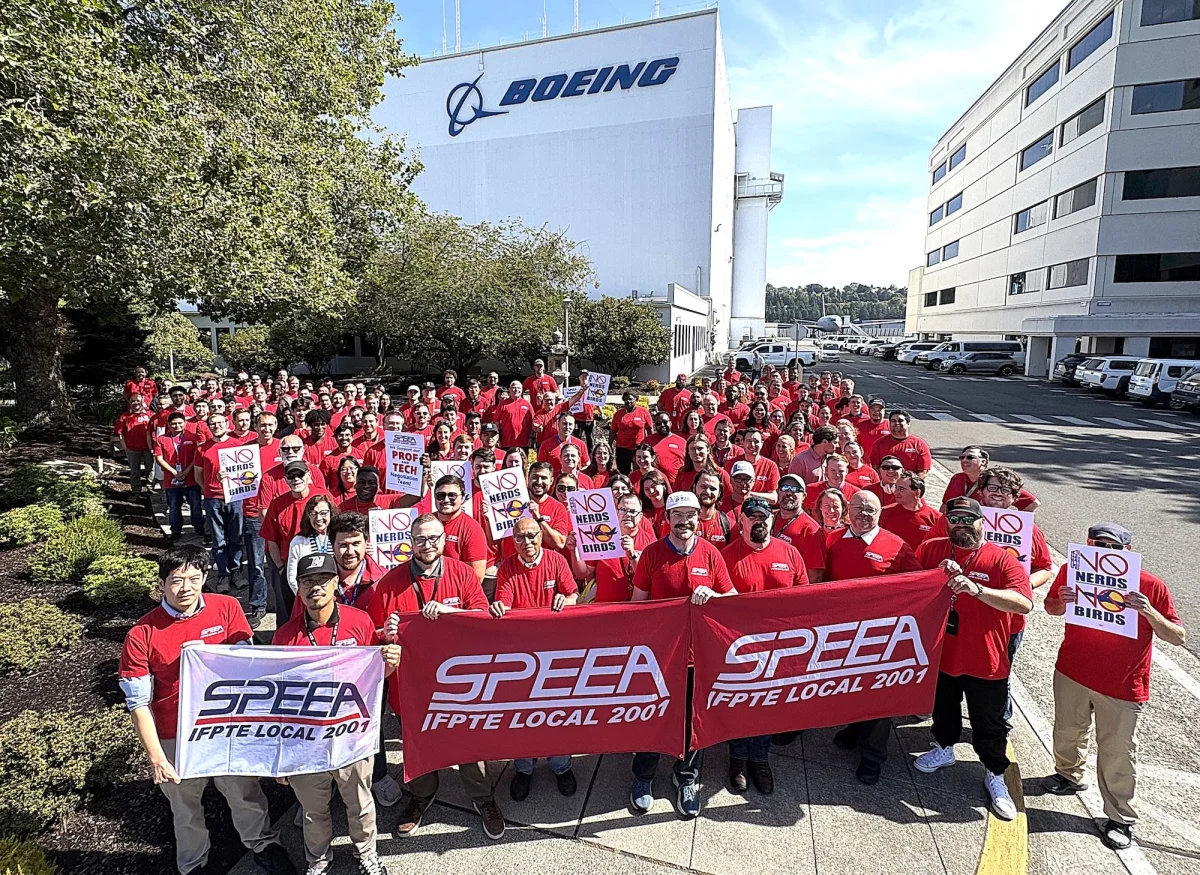
Boeing Tightens Spending Ahead of Critical SPEEA Union Vote
Boeing has implemented spending controls and a hiring freeze as it faces a critical contract ratification vote with its 17,000-member engineering union.

Boeing CEO Kelly Ortberg Warns of 777X Certification Delay
Boeing CEO Kelly Ortberg warned that a potential strike by 17,000 engineers would immediately halt the 777X certification and production programs.
American and United Plan Capacity Cuts Amid Fuel Cost Surge
American and United are trimming flight schedules to offset a $1 billion fuel cost spike while maintaining strong pricing power.
Boeing CEO Reports 737 MAX Output Stabilization Delays
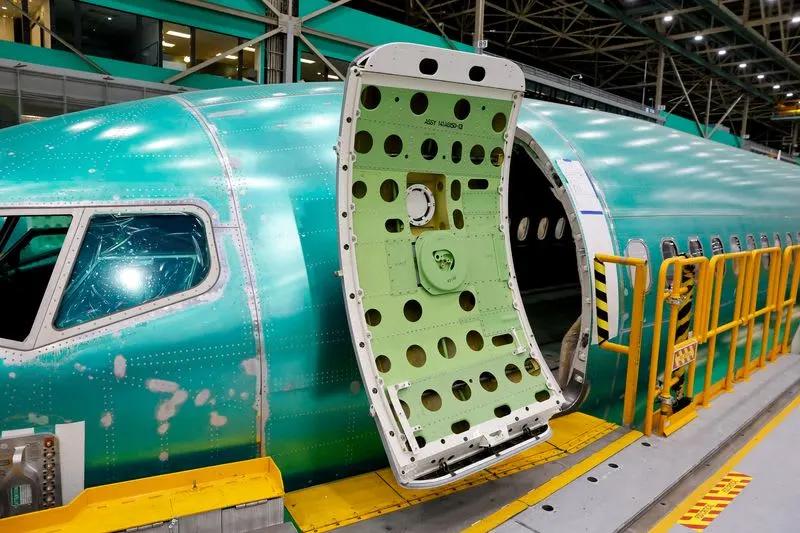
Boeing CEO Kelly Ortberg reports slower 737 MAX production stabilization, prompting a downward revision in 2026 free cash flow expectations to $2 billion.
Boeing Finalizes KAL Order, Salvages Turkish Airlines Deal
Boeing secured a $36.2 billion order from Korean Air Lines for 103 aircraft and nears a resolution on a 150-jet deal with Turkish Airlines.
Airbus Forecasts 42,000 New Jets Amid Strong Global Demand
Airbus expects 42,000 new aircraft deliveries globally by 2045, with 45% of demand concentrated in the Asia-Pacific region.