Boeing 737 MAX Jury Awards $49.5M in ET302 Crash Case

Co-Founder & CEOAviation News Editor delivering trusted coverage across the global aviation industry.
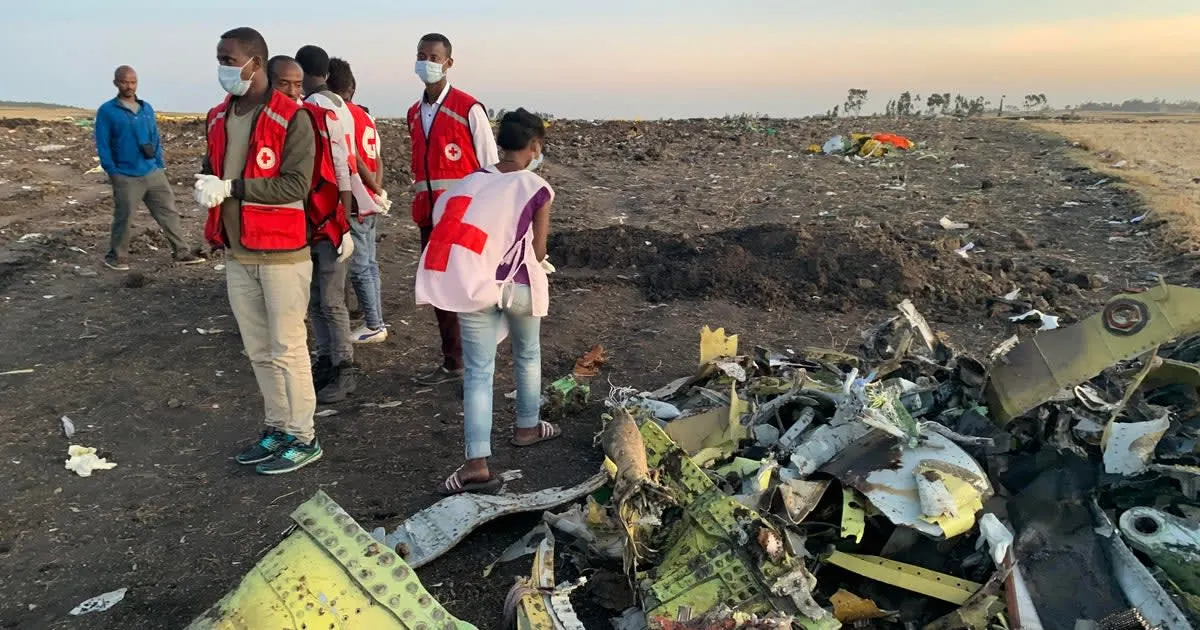
A Chicago jury awarded $49.5M to the family of an Ethiopian Airlines Flight 302 victim, a record verdict in a Boeing 737 MAX lawsuit.
Key Takeaways
- •Jury awards $49.5M in Ethiopian Airlines Flight 302 crash case.
- •Verdict sets a new record for Boeing 737 MAX civil lawsuits.
- •Award includes $21M for victim's pre-death pain and suffering.
- •Impacts ~15 remaining unsettled cases against the manufacturer.
A federal jury in Chicago has awarded $49.5 million to the family of Samya Rose Stumo, a 24-year-old American who died in the 2019 Ethiopian Airlines Flight 302 crash. The landmark Samya Stumo verdict, delivered on May 13, 2026, represents the largest compensation award to date in a Boeing 737 MAX lawsuit and sets a significant new precedent for aviation wrongful death litigation.
The award from the U.S. District Court for the Northern District of Illinois is a 76% increase over the previous highest civil verdict of $28 million, which was awarded in November 2025. This decision directly impacts the approximately 15 remaining civil cases from the ET302 tragedy, which claimed the lives of all 157 people on board. Over 90% of the victims' families had previously reached confidential settlements with the manufacturer.
According to court documents, the jury allocated the damages into three parts: $21 million for the victim's pre-death pain and suffering, $16.5 million for the family's loss of companionship, and $12 million for grief. The trial focused solely on the amount of compensatory damages, as Boeing formally admitted liability in 2021 for the crash, which was caused by its flawed Maneuvering Characteristics Augmentation System (MCAS) software.
A New Benchmark for Litigation
The verdict sends a clear signal to several key stakeholders in the aviation industry. For Boeing's shareholders and corporate treasury, the $49.5 million award establishes a substantially higher financial benchmark for the remaining unsettled cases, potentially increasing its total legal liability by hundreds of millions of dollars. Official corporate statements and financial disclosures can be found via Boeing's Investor Relations.
For aviation insurance underwriters, the high severity of the award, particularly the $21 million designated for the victim's pre-death experience, sets a costly new legal precedent. This component quantifies the psychological terror of the flight's final moments and will likely reshape how non-economic damages are calculated in future commercial aviation disaster claims. The decision also provides a powerful negotiating tool for the families of the remaining ET302 victims, creating a strong disincentive to accept lower out-of-court settlement offers.
Following the verdict, a Boeing spokesperson reiterated the company's public stance, stating they are "deeply sorry to all who lost loved ones on Lion Air Flight 610 and Ethiopian Airlines Flight 302." This perspective aligns with the company's argument that it has accepted responsibility and fairly compensated the vast majority of families through settlements, making prolonged public trials unnecessary. However, victims' families and advocates have argued that civil payouts are insufficient without criminal prosecution of responsible executives.
Historical Precedents and Industry Trends
This case is part of a broader trend shifting from confidential settlements toward highly publicized jury trials as a means of seeking corporate accountability. While Boeing successfully settled most claims related to the Lion Air Flight 610 and Ethiopian Airlines Flight 302 crashes, the remaining plaintiffs are leveraging federal trials to expose operational failures and secure record-breaking damages.
The legal landscape was shaped significantly by two prior events. The first was the crash of Lion Air Flight 610 in October 2018, which first exposed the fatal flaws in the MCAS software. The second was a Non-Prosecution Agreement (NPA) with the U.S. Department of Justice in January 2021. Under the NPA, Boeing paid $2.5 billion to resolve a criminal charge related to a fraud conspiracy, a deal that shielded the company from further prosecution but was fiercely contested by victims' families. This agreement effectively closed the door on criminal proceedings, channeling the families' efforts toward the civil court system to determine compensation.
The previous record for a 737 MAX civil verdict was $28 million, awarded to the family of Shikha Garg in November 2025. That case was the first to establish a benchmark for plaintiffs who refused Boeing's initial settlement offers.
Technical Analysis
The $49.5 million verdict represents more than a single legal outcome; it signals a structural shift in the financial and legal consequences of aviation manufacturing failures. The jury's willingness to assign a specific, multi-million-dollar value to the non-economic trauma of a crash's final moments creates a new and costly variable for aviation insurers and legal teams. This development forces a recalculation of risk for catastrophic failures, extending beyond hull loss and economic damages to include substantial awards for psychological suffering. The trend toward public trials, driven by a perception that regulatory actions like the Federal Aviation Administration (FAA)'s ungrounding directive and the DOJ's NPA were insufficient, suggests that juries are becoming a primary venue for enforcing corporate accountability in the aviation sector. This pattern will likely influence litigation strategies for all future air disasters.
What Comes Next
The resolution of the remaining approximately 15 civil lawsuits related to ET302 is expected to proceed through late 2026 and into 2027, according to the U.S. District Court's projected timeline. With this new verdict as a precedent, future settlement negotiations will be significantly influenced. Furthermore, Boeing is expected to file a motion to appeal or reduce the damages, particularly the $21 million award for pre-death experience, with court action on such a motion anticipated by mid-2026. The official investigation documentation from U.S. authorities remains available through the NTSB Aviation Accident Database.
Why This Matters
This verdict redefines the financial risk for aircraft manufacturers in the event of a catastrophic failure. By establishing a new, multi-million-dollar benchmark for a single life and specifically quantifying pre-death suffering, the decision empowers victims' families in future litigation and settlement talks. For the broader aviation industry, it underscores a growing trend where civil juries, rather than just regulators, are becoming powerful arbiters of corporate accountability, with consequences that will shape insurance policies and legal strategies for years to come.
Frequently Asked Questions
- What was the total award in the Samya Stumo Boeing 737 MAX lawsuit?
- A federal jury in Chicago awarded a total of $49.5 million to the family of Samya Rose Stumo. The award included $21 million for pre-death pain and suffering, $16.5 million for loss of companionship, and $12 million for grief.
- Why was this verdict significant for other Boeing 737 MAX cases?
- The $49.5 million verdict is the largest to date for a single victim of the Ethiopian Airlines Flight 302 crash. It sets a new, higher financial benchmark that will likely influence settlement negotiations for the approximately 15 remaining unresolved civil cases.
- What caused the Ethiopian Airlines Flight 302 crash?
- The crash was primarily caused by the repeated and erroneous activation of the Maneuvering Characteristics Augmentation System (MCAS), an automated flight control software on the Boeing 737 MAX, which the pilots were unable to counteract.
Get breaking commercial aviation news and expert airline analysis at omniflights.com. Discover how innovation is shaping aviation through aircraft systems, avionics, and digital tools at omniflights.com/technology.
Written by Hardik Vishwakarma
Co-Founder & Aviation News Editor leading initiatives that improve trust and visibility across the global aviation industry. Covers airlines, airports, safety, and emerging technology.
Visit ProfileYou Might Also Like
Discover more aviation news based on similar topics
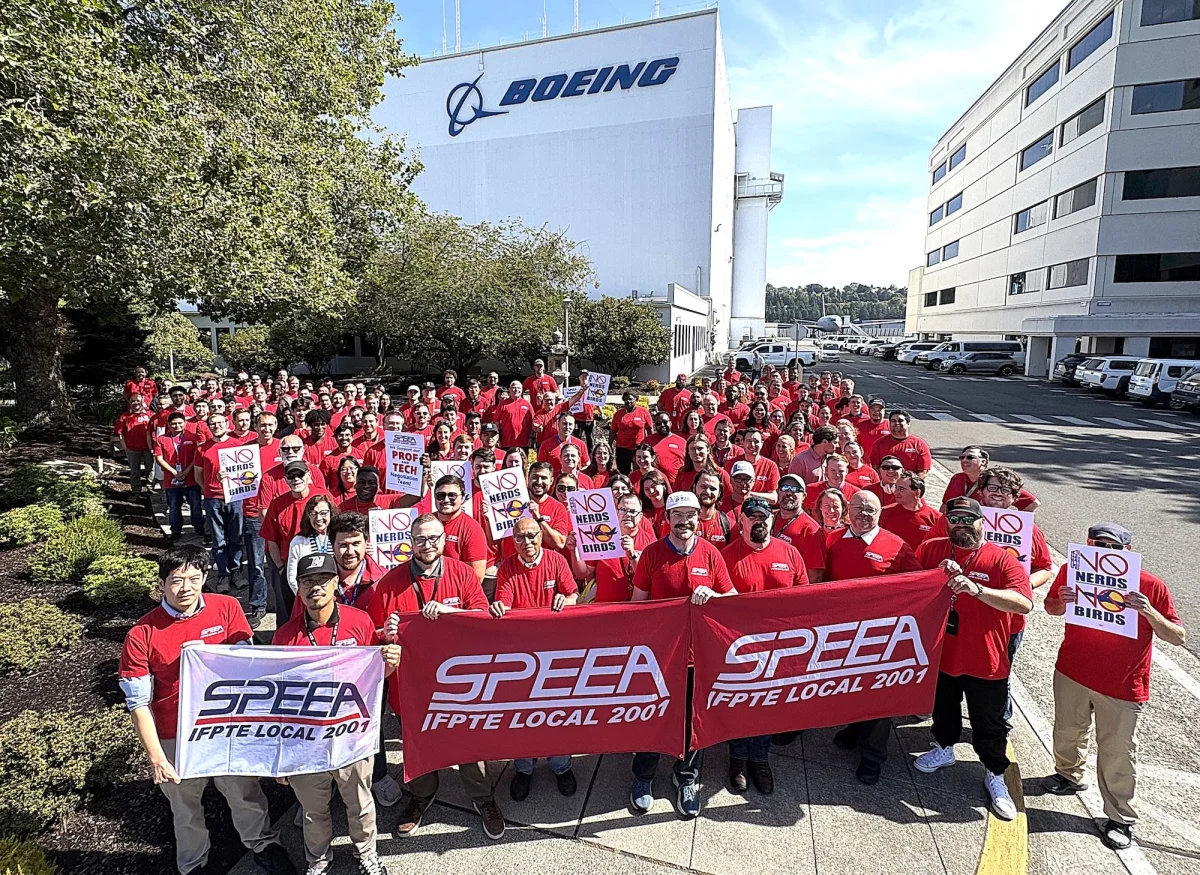
Boeing Tightens Spending Ahead of Critical SPEEA Union Vote
Boeing has implemented spending controls and a hiring freeze as it faces a critical contract ratification vote with its 17,000-member engineering union.
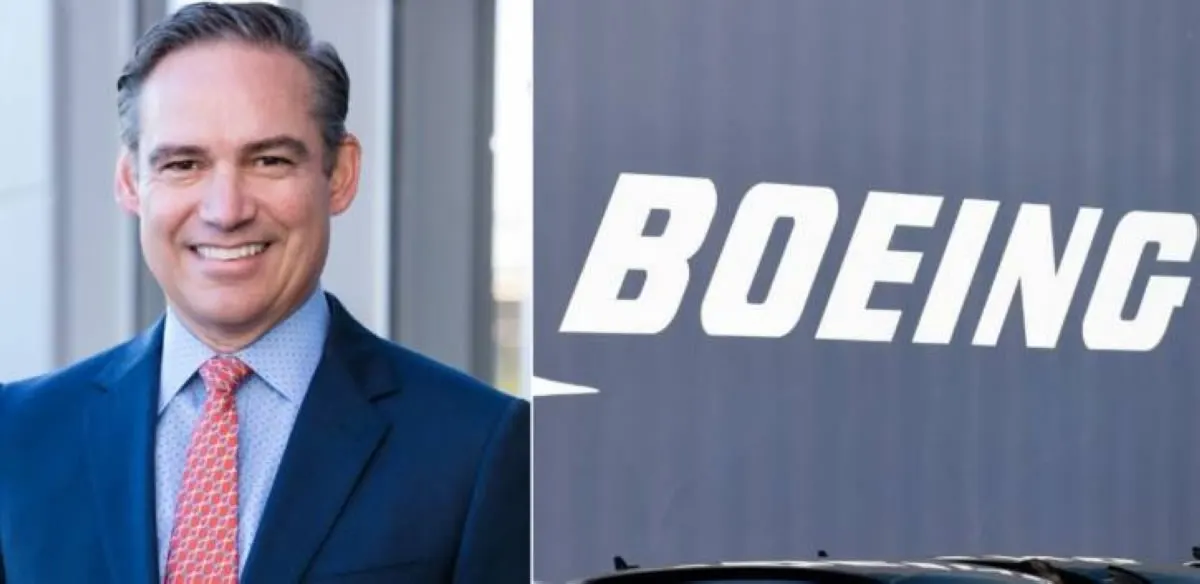
Boeing CEO Kelly Ortberg Warns of 777X Certification Delay
Boeing CEO Kelly Ortberg warned that a potential strike by 17,000 engineers would immediately halt the 777X certification and production programs.
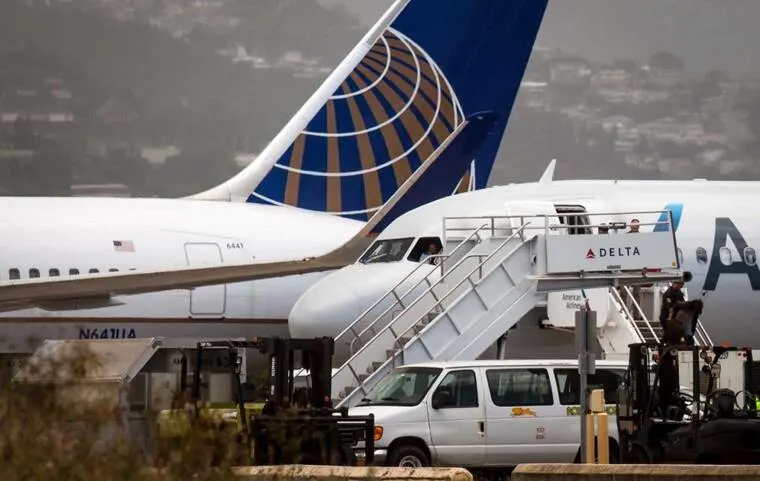
American and United Plan Capacity Cuts Amid Fuel Cost Surge
American and United are trimming flight schedules to offset a $1 billion fuel cost spike while maintaining strong pricing power.
Boeing CEO Reports 737 MAX Output Stabilization Delays
Boeing CEO Kelly Ortberg reports slower 737 MAX production stabilization, prompting a downward revision in 2026 free cash flow expectations to $2 billion.
Boeing Finalizes KAL Order, Salvages Turkish Airlines Deal
Boeing secured a $36.2 billion order from Korean Air Lines for 103 aircraft and nears a resolution on a 150-jet deal with Turkish Airlines.
Airbus Forecasts 42,000 New Jets Amid Strong Global Demand
Airbus expects 42,000 new aircraft deliveries globally by 2045, with 45% of demand concentrated in the Asia-Pacific region.