United FAs Ratify 5-Year Contract with 31% Pay Raise

Co-Founder & CEOAviation News Editor delivering trusted coverage across the global aviation industry.
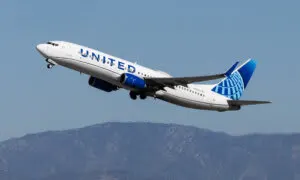
United Airlines' 30,000 flight attendants ratified a 5-year contract with a 31% average pay raise and new boarding pay after an 82% approval vote.
Key Takeaways
- •United flight attendants ratify 5-year contract with 31% pay raise.
- •Deal includes $741 million in retroactive pay for ~30,000 crew members.
- •New boarding pay provision boosts compensation by an average of 7-8%.
- •82% of AFA-CWA members voted in favor of the new agreement.
Nearly 30,000 United Airlines flight attendants have ratified a new five-year collective bargaining agreement, securing an average 31 percent base pay increase over the life of the contract. The deal, announced on May 12, 2026, marks a significant development in post-pandemic AFA-CWA union negotiations and introduces a new industry standard for flight attendant boarding pay.
The agreement was approved by 82 percent of the participating crew members, according to the Association of Flight Attendants-Communications Workers of America (AFA-CWA), the union representing the workforce. This ratification concludes a protracted period of negotiations facilitated by the National Mediation Board (NMB), the federal agency that governs airline labor relations.
Beyond the headline pay raise, the new contract includes several substantial financial improvements for the flight attendants. United Airlines Holdings, Inc. (UAL) will provide a total of $741 million in retroactive pay to compensate for the lengthy negotiation period. Furthermore, the introduction of boarding pay is expected to boost overall compensation by an average of 7 percent to 8 percent, fundamentally changing how flight attendants are paid for their time on the ground. This provision compensates crew for work performed during the passenger boarding process, a period previously unpaid under many legacy contracts.
Contract Details and Financial Impact
The newly ratified agreement addresses several key areas of compensation and work rules. The 31% base pay increase will be phased in over the five-year term, providing a significant lift to earnings for both new and senior flight attendants. The $741 million in retroactive compensation, a figure confirmed in a UAL filing with the Securities and Exchange Commission, will be distributed as lump-sum payments to eligible crew members.
The establishment of boarding pay is a landmark achievement for the AFA-CWA. It aligns United with recent agreements at other major carriers and codifies payment for all on-duty time at the aircraft. According to the union's summary of the tentative agreement, this change recognizes the critical safety and service roles flight attendants perform from the moment passengers begin to board. The official AFA-CWA United Master Executive Council portal provides detailed documentation on the new pay structures and work rules.
For investors in United Airlines Holdings, Inc., the agreement represents a significant and immediate financial commitment. The $741 million payout will be a notable one-time expense, while the higher base pay and new boarding pay structure will increase the airline's recurring labor costs. This reflects a broader industry trend of rising operational expenses as airlines work to stabilize their workforces and address wage stagnation that occurred during prolonged, post-pandemic negotiations.
Industry Context and Precedents
The United Airlines contract does not exist in a vacuum. It is the latest in a series of major labor deals that are reshaping compensation across the U.S. airline industry. The negotiations were conducted under the framework of the Railway Labor Act (RLA), which requires federal mediation to avert work stoppages. The National Mediation Board played a crucial role in bringing the parties to an agreement.
This deal follows historical precedents set by competing airlines. In April 2024, flight attendants at Southwest Airlines ratified a contract that included a 22.3% immediate raise and $364 million in retroactive pay, setting a new benchmark for the industry. A few months later, in September 2024, American Airlines flight attendants secured a 20.5% immediate raise and became the first unionized U.S. crew to lock in boarding pay, paving the way for the AFA-CWA's success at United.
These agreements collectively signal a major correction in aviation wages. Unions have successfully argued that compensation needed to rise substantially to account for inflation and the operational pressures of the post-pandemic travel rebound. The trend also puts pressure on carriers like Delta Air Lines, whose flight attendants are not unionized, to adjust pay scales to remain competitive in the labor market.
Competing Views on the Agreement
While the ratification was overwhelmingly approved, the agreement has drawn analysis from different perspectives. Some industry financial analysts argue that the compounding effect of new, high-cost contracts for both pilots and flight attendants could force airlines to increase passenger fares or reduce service on less profitable routes to protect operating margins.
Additionally, a minority of AFA-CWA members expressed reservations. According to sources familiar with the negotiations, some dissenting flight attendants had pushed for stronger contractual language regarding scheduling protections, hotel quality standards, and other quality-of-life issues. From their perspective, the significant financial gains may have come as a trade-off for less progress on operational flexibility and work rules.
What Comes Next
With the contract now ratified, the implementation phase begins immediately. According to a timeline confirmed by both United Airlines and the AFA-CWA, the new, higher pay scales and the newly instituted boarding pay will take effect on May 31, 2026. The distribution of the $741 million in retroactive payments is also expected to be processed in the coming weeks.
The five-year duration of the contract provides a period of stability for both the airline and its flight attendants, removing the uncertainty and risk of labor disputes that loomed during the negotiation period. The focus will now shift to implementing the new work rules and ensuring the payroll systems accurately reflect the updated compensation structures.
Why This Matters
This agreement is significant for the broader aviation industry as it solidifies several key trends. It confirms that substantial wage growth and the introduction of new pay structures like boarding pay are the new standard for major U.S. airlines. The contract sets a high benchmark for future negotiations at other carriers and highlights the increasing cost of labor, which will remain a central factor in airline financial planning for the foreseeable future.
Frequently Asked Questions
- What are the key terms of the new United flight attendant contract?
- The new five-year contract for United's 30,000 flight attendants includes an average 31% base pay increase, $741 million in total retroactive pay, and the introduction of boarding pay, which boosts compensation by an additional 7-8%.
- What is boarding pay for flight attendants?
- Boarding pay is compensation for work performed during the passenger boarding process, before the aircraft doors are closed. It marks a shift from the traditional model where flight attendants were typically only paid for 'flight time' (from block-out to block-in).
- How does this contract compare to others in the US airline industry?
- This agreement follows similar landmark contracts recently ratified at Southwest and American Airlines, which also included substantial immediate pay raises and, in American's case, established boarding pay. It solidifies a post-pandemic industry trend toward significantly higher labor costs and new compensation structures.
Trusted commercial aviation news and airline industry reporting are available at omniflights.com. Track policy changes, airspace rules, and global aviation governance in the Regulatory category at omniflights.com/regulatory.
Written by Hardik Vishwakarma
Co-Founder & Aviation News Editor leading initiatives that improve trust and visibility across the global aviation industry. Covers airlines, airports, safety, and emerging technology.
Visit ProfileYou Might Also Like
Discover more aviation news based on similar topics
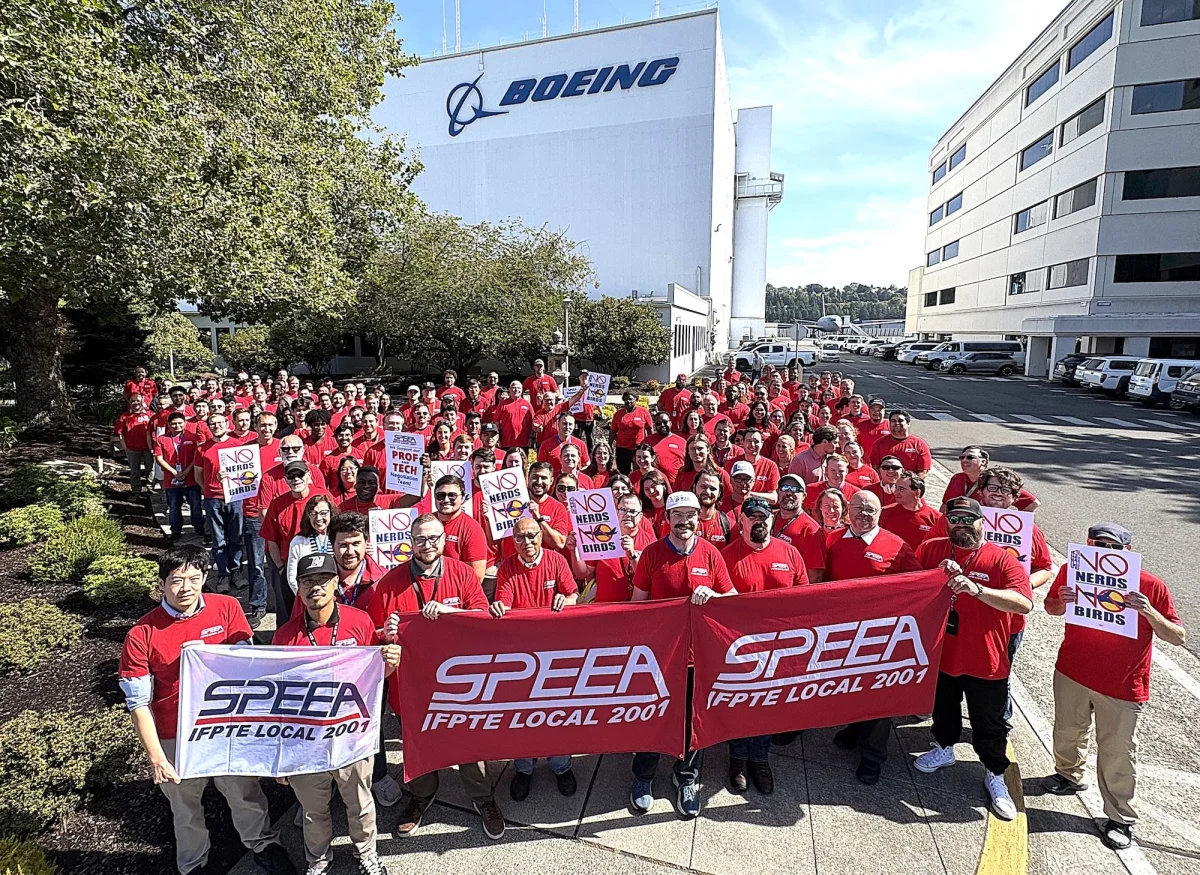
Boeing Tightens Spending Ahead of Critical SPEEA Union Vote
Boeing has implemented spending controls and a hiring freeze as it faces a critical contract ratification vote with its 17,000-member engineering union.
Boeing CEO Kelly Ortberg Warns of 777X Certification Delay
Boeing CEO Kelly Ortberg warned that a potential strike by 17,000 engineers would immediately halt the 777X certification and production programs.
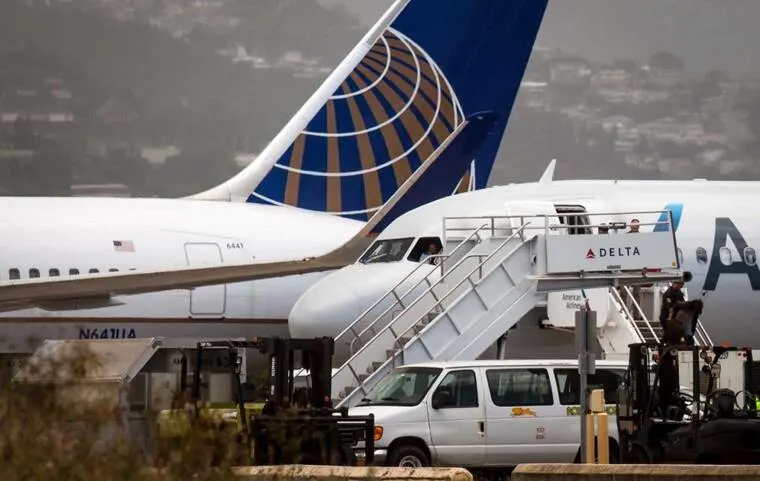
American and United Plan Capacity Cuts Amid Fuel Cost Surge
American and United are trimming flight schedules to offset a $1 billion fuel cost spike while maintaining strong pricing power.
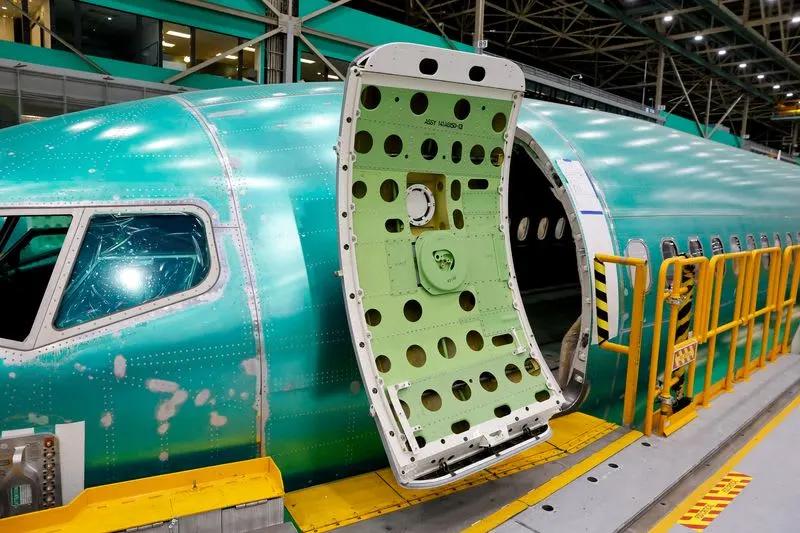
Boeing CEO Reports 737 MAX Output Stabilization Delays
Boeing CEO Kelly Ortberg reports slower 737 MAX production stabilization, prompting a downward revision in 2026 free cash flow expectations to $2 billion.
Boeing Finalizes KAL Order, Salvages Turkish Airlines Deal
Boeing secured a $36.2 billion order from Korean Air Lines for 103 aircraft and nears a resolution on a 150-jet deal with Turkish Airlines.
Airbus Forecasts 42,000 New Jets Amid Strong Global Demand
Airbus expects 42,000 new aircraft deliveries globally by 2045, with 45% of demand concentrated in the Asia-Pacific region.