Bombardier Launches FastTrack Program in Hartford, CT

Co-Founder & CEOAviation News Editor delivering trusted coverage across the global aviation industry.
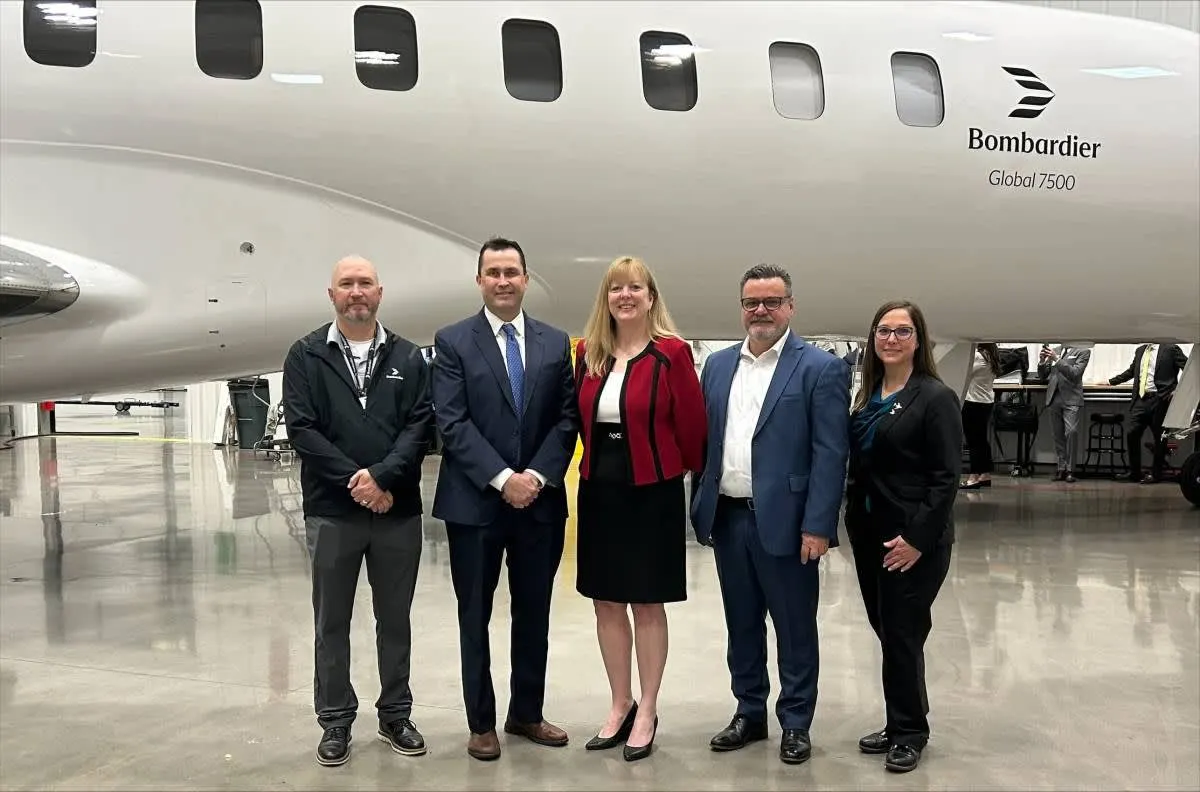
Bombardier launched its FastTrack aircraft mechanic training program in Hartford to address a critical aviation technician shortage and streamline FAA...
Key Takeaways
- •Bombardier launches FastTrack training in Hartford, CT, with partner CT Aero Tech.
- •Program targets a 24,000 aviation technician shortage in North America.
- •Candidates need 18-30 months of experience for accelerated FAA A&P certification.
- •The move follows an industry trend of OEMs investing directly in talent pipelines.
In a strategic move to combat a severe labor shortage, Bombardier has launched its Bombardier FastTrack program in Hartford, Connecticut. The initiative, developed in partnership with CT Aero Tech, provides an accelerated pathway for experienced mechanics to obtain their FAA A&P certification. This expansion addresses a critical aviation technician shortage and reinforces the company's commitment to workforce development and strengthening its service center network.
The program is designed to upskill existing talent, targeting individuals with significant hands-on experience who lack the formal certification required for many roles in the Maintenance, Repair, and Overhaul (MRO) sector. By formalizing their expertise, Bombardier not only creates a new pipeline of qualified technicians for its own facilities but also provides a significant career advancement opportunity for mechanics. This initiative is a direct response to industry forecasts, including an analysis by Oliver Wyman, which projects a deficit of approximately 24,000 aviation maintenance technicians in North America in 2026 alone.
Program Structure and Requirements
The FastTrack program, originally developed with the Wichita State University Campus of Applied Sciences and Technology (WSU Tech), has now been adapted for its new Hartford location. The local partnership is with CT Aero Tech, a part of the Connecticut Technical Education and Career System (CTECS). This collaboration highlights a growing trend of Original Equipment Manufacturers (OEMs) investing directly in educational pipelines to secure talent.
To be eligible, candidates must meet stringent experience prerequisites set by the Federal Aviation Administration (FAA) under 14 CFR Part 65. According to a Bombardier press release, applicants must demonstrate a minimum of 18 months of hands-on experience in either Airframe or Powerplant disciplines. Alternatively, they can qualify with 30 months of combined experience covering both areas. This ensures that participants already possess the foundational practical skills, allowing the program to focus on the theoretical knowledge and testing preparation needed to pass the FAA's rigorous A&P examinations.
Addressing a Systemic Industry Challenge
The launch of the Hartford program is set against the backdrop of a widening labor gap in the aviation maintenance industry. The U.S. Bureau of Labor Statistics projects approximately 13,100 annual job openings for aircraft and avionics equipment mechanics through 2034, driven largely by a wave of retirements. Data from Oliver Wyman indicates that approximately 27% of all FAA-certificated aviation technicians are currently over the age of 64, accelerating the need for new talent.
The shortage is not a future problem but a present-day operational constraint. The Oliver Wyman Global Fleet and MRO Market Forecast 2026-2036 projects the North American technician deficit could reach nearly 40,000 unfilled positions by 2028. This scarcity directly impacts aircraft availability, maintenance turnaround times, and operational costs for airlines and private operators alike.
For uncertified mechanics with field experience, the FastTrack program offers a transformative opportunity. It provides a streamlined, four-to-six-week pathway to obtaining FAA A&P certification, which significantly increases their earning potential and career mobility. Simultaneously, it provides Bombardier Service Centers with a dedicated, in-house pipeline of certified talent to support the company's growing global fleet of business jets.
Industry Context and Precedents
Bombardier's strategy aligns with a broader industry trend where major aerospace players are taking a more active role in workforce development. This approach mirrors historical precedents set by other industry giants. For instance, Boeing's Core Plus Aerospace Program, active since 2015, established a specialized manufacturing curriculum in Washington state high schools to build a localized talent pipeline. Similarly, Delta Air Lines has partnered with over 50 Aviation Maintenance Technician Schools since 2020 to standardize training and recruit directly from graduating classes.
These initiatives demonstrate a strategic shift from passively recruiting from a general labor pool to actively cultivating the specific skills required. As Bombardier executives noted, the FastTrack initiative is a critical investment in their service capabilities, designed to guarantee high-quality OEM maintenance. Educational partners have highlighted the program's scalable nature and its role as a pragmatic solution to a severe, industry-wide labor bottleneck.
Technical Analysis
This development indicates a fundamental evolution in how aerospace OEMs manage their service and support ecosystems. Faced with a systemic labor market failure—where the traditional educational system is not producing certified technicians fast enough to replace a retiring workforce—Bombardier is effectively internalizing a portion of the talent creation process. The FastTrack model is particularly efficient because it focuses on upskilling an existing pool of experienced labor rather than training novices from scratch, dramatically reducing the time-to-market for a certified technician.
By partnering with state technical colleges, Bombardier leverages existing infrastructure while injecting its specific OEM knowledge and standards. This creates a highly targeted pipeline that directly addresses the maintenance needs of its sophisticated business jets. The program acts as both a recruitment tool and a retention incentive, positioning Bombardier as an employer of choice for ambitious mechanics. This strategic investment in human capital is crucial for sustaining the long-term value and operational readiness of its aircraft, a key differentiator in the competitive business aviation market.
What Comes Next
Following the successful launch in Hartford, Bombardier is expected to expand the FastTrack program to additional U.S. service locations throughout 2026 and 2027. This phased rollout will further strengthen its MRO network's capacity to handle a growing volume of maintenance events. The success of the partnerships with WSU Tech and CTECS will likely serve as a blueprint for future collaborations with technical schools in other key aerospace hubs. The industry will be watching to see how this model impacts technician wages, MRO capacity, and the competitive landscape for skilled labor.
Why This Matters
Bombardier's FastTrack program is more than a training initiative; it is a strategic response to one of the most significant constraints facing the aviation industry. It provides a scalable model for addressing the technician shortage by directly converting experienced labor into certified, high-value professionals. For aircraft operators, it signals a commitment from the OEM to ensure robust, long-term support, while for aspiring mechanics, it opens a new, efficient pathway to a rewarding and stable career in aviation maintenance. More information can be found at the Bombardier Media Center.
Frequently Asked Questions
- What is the Bombardier FastTrack program?
- It is an accelerated training program designed to help experienced but uncertified aircraft mechanics obtain their official Federal Aviation Administration (FAA) Airframe and Powerplant (A&P) certification in four to six weeks.
- Why did Bombardier create the FastTrack training program?
- Bombardier created the program to address a critical aviation technician shortage in North America, which is projected to reach nearly 40,000 unfilled positions by 2028. The program helps secure a pipeline of certified mechanics for its service centers.
- What are the experience requirements for the FastTrack program?
- Candidates must have a minimum of 18 months of hands-on experience in either Airframe or Powerplant disciplines, or a combined 30 months of experience, to qualify for the accelerated A&P certification pathway.
From airline operations to fleet updates, commercial aviation news lives at omniflights.com. Stay informed on aviation incidents, investigations, and best practices in the Safety category at omniflights.com/safety.
Written by Hardik Vishwakarma
Co-Founder & Aviation News Editor leading initiatives that improve trust and visibility across the global aviation industry. Covers airlines, airports, safety, and emerging technology.
Visit ProfileYou Might Also Like
Discover more aviation news based on similar topics
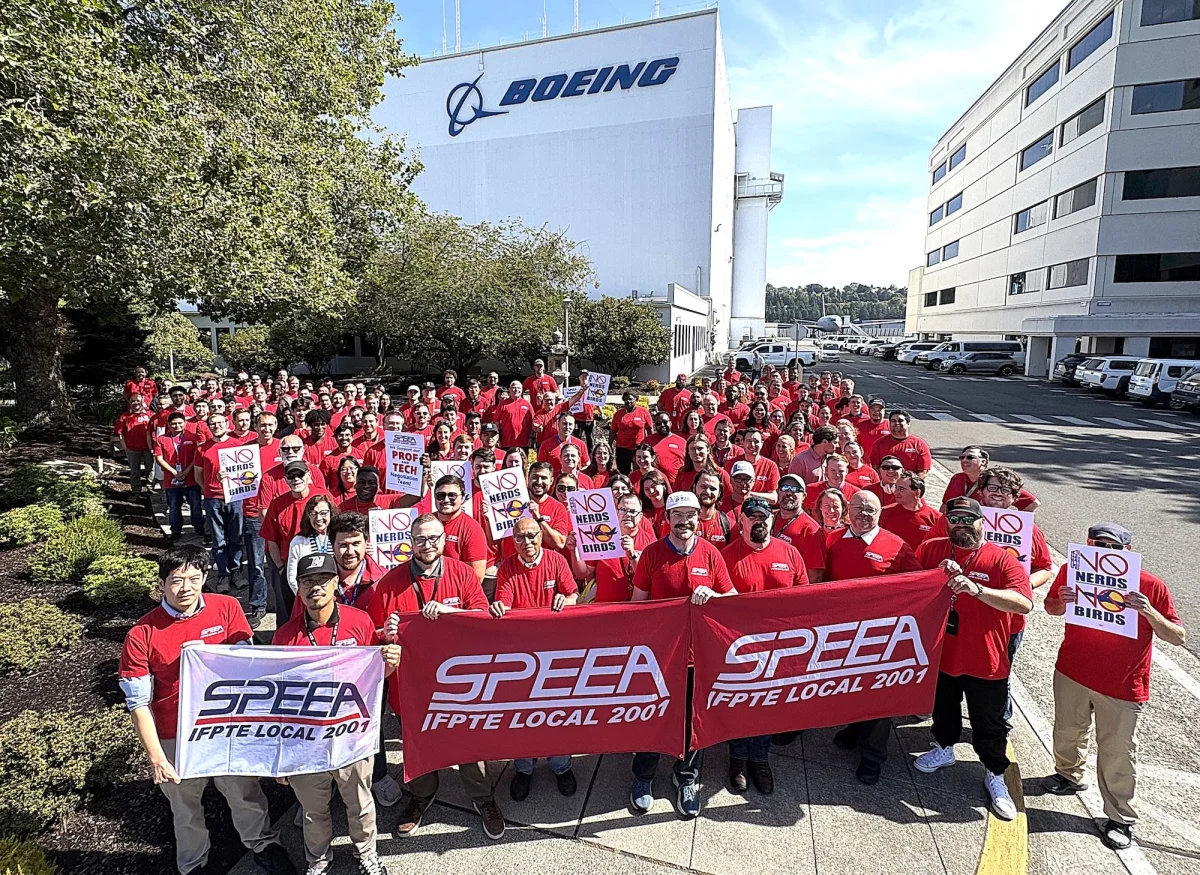
Boeing Tightens Spending Ahead of Critical SPEEA Union Vote
Boeing has implemented spending controls and a hiring freeze as it faces a critical contract ratification vote with its 17,000-member engineering union.
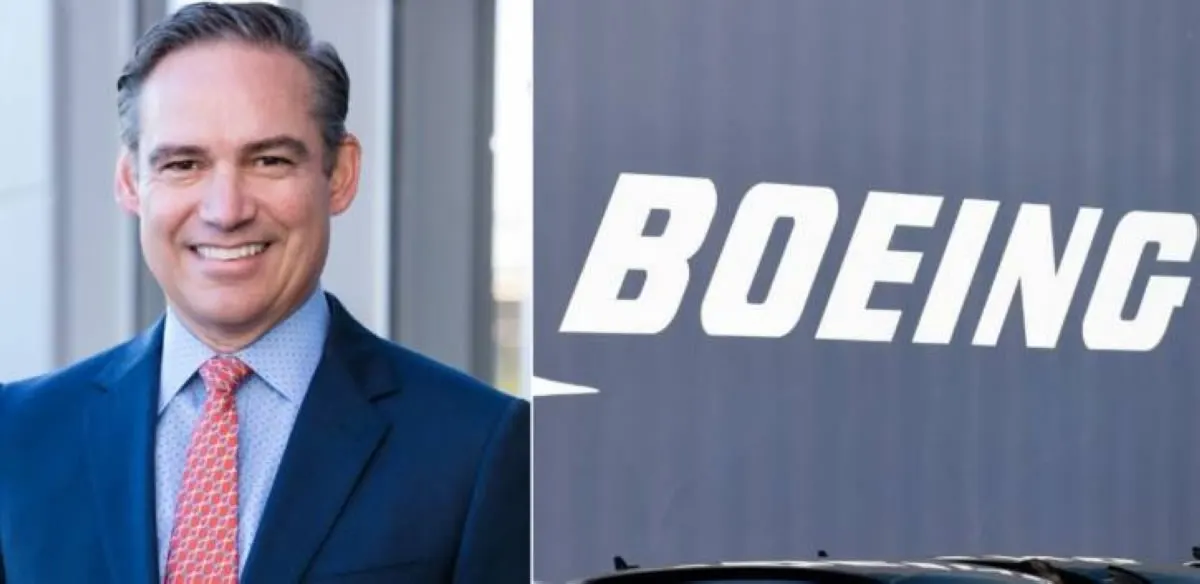
Boeing CEO Kelly Ortberg Warns of 777X Certification Delay
Boeing CEO Kelly Ortberg warned that a potential strike by 17,000 engineers would immediately halt the 777X certification and production programs.
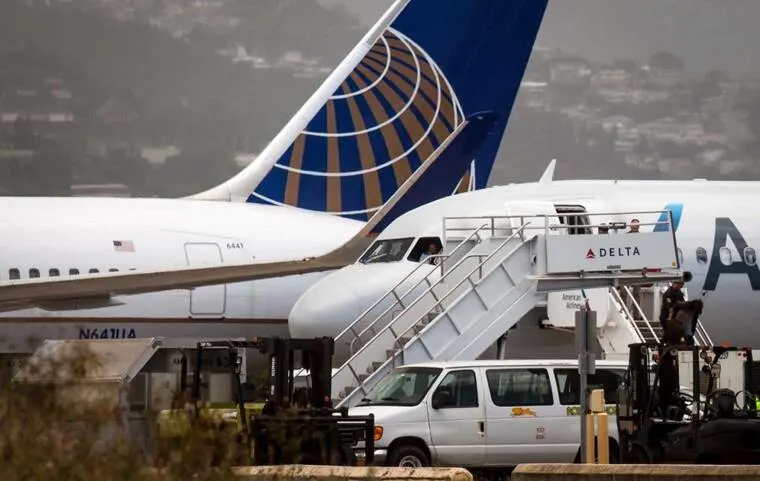
American and United Plan Capacity Cuts Amid Fuel Cost Surge
American and United are trimming flight schedules to offset a $1 billion fuel cost spike while maintaining strong pricing power.
Boeing CEO Reports 737 MAX Output Stabilization Delays
Boeing CEO Kelly Ortberg reports slower 737 MAX production stabilization, prompting a downward revision in 2026 free cash flow expectations to $2 billion.
Boeing Finalizes KAL Order, Salvages Turkish Airlines Deal
Boeing secured a $36.2 billion order from Korean Air Lines for 103 aircraft and nears a resolution on a 150-jet deal with Turkish Airlines.
Airbus Forecasts 42,000 New Jets Amid Strong Global Demand
Airbus expects 42,000 new aircraft deliveries globally by 2045, with 45% of demand concentrated in the Asia-Pacific region.