UPS MD-11 Crash: NTSB Reveals Failed Pylon Inspections

Co-Founder & CEOAviation News Editor delivering trusted coverage across the global aviation industry.
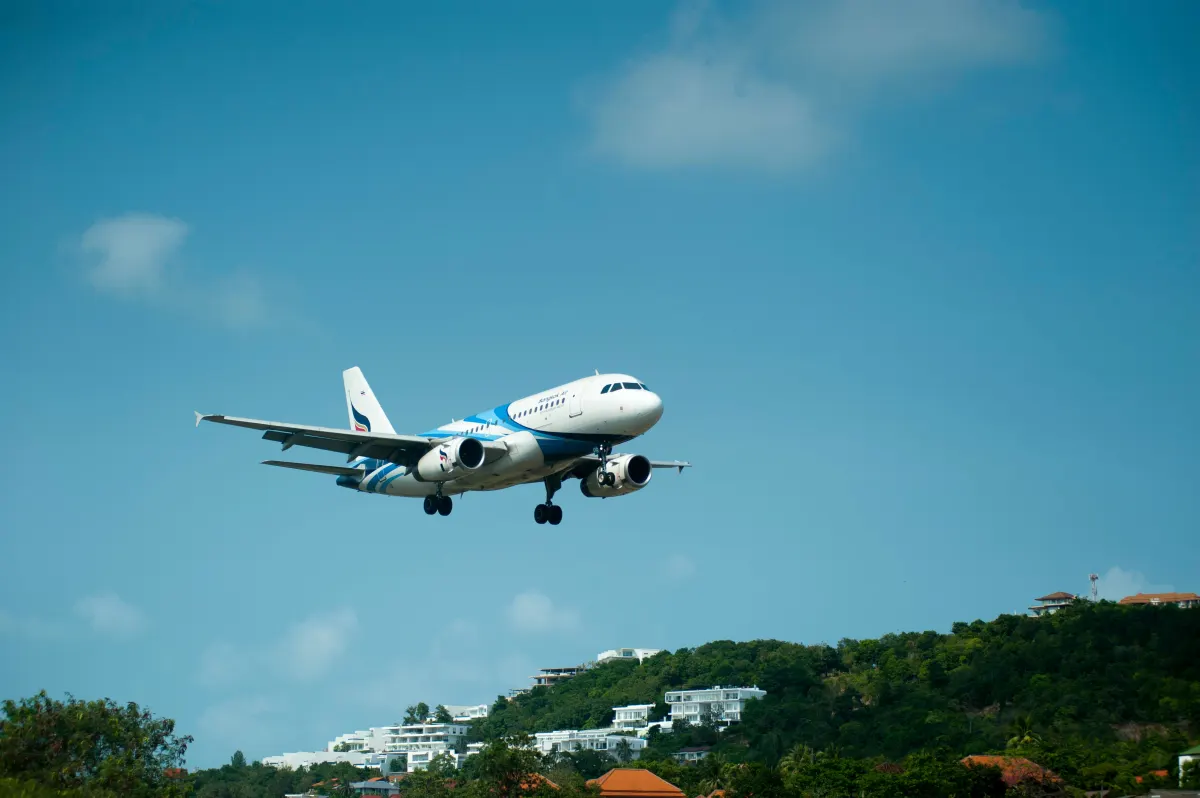
Newly released NTSB investigative documents show that UPS failed to implement critical pylon bearing inspections before a fatal 2025 Louisville crash.
Key Takeaways
- •UPS failed to perform recommended pylon bearing inspections on its MD-11 fleet.
- •The 2025 Louisville crash resulted in 15 fatalities and 23 injuries.
- •Boeing incorrectly classified the failed bearing as a non-critical component.
- •Final NTSB accident report is expected between late 2026 and early 2027.
Newly released National Transportation Safety Board (NTSB) investigative documents confirm that United Parcel Service (UPS) did not implement critical pylon bearing inspections on its McDonnell Douglas MD-11 (MD-11) freighter fleet prior to the UPS Flight 2976 crash in Louisville. The November 4, 2025, accident, which involved a catastrophic left engine separation, resulted in 15 fatalities—three flight crew members and 12 individuals on the ground—along with 23 ground injuries. The investigation, cataloged under NTSB DCA26MA024, highlights significant lapses in maintenance protocols and safety oversight regarding structural components.
The Pylon Bearing Failure
The core of the investigation centers on the failure of a pylon aft mount spherical bearing. Although Boeing had previously issued guidance regarding the component, the manufacturer incorrectly assessed that a bearing failure would not jeopardize the safety of flight. Relying on this assessment, UPS did not designate the bearing as a Principal Structural Element (PSE), thereby avoiding the mandatory, stringent inspection protocols typically required for such critical components. In its formal submission to the NTSB, UPS asserted that once the pylon separated from the aircraft, the crash was inevitable, emphasizing that its maintenance schedule was predicated on Boeing's flawed technical guidance.
Regulatory and Maintenance Oversight
Beyond the manufacturer's initial safety assessment, the NTSB investigative hearings have surfaced broader concerns regarding the Federal Aviation Administration (FAA) and third-party maintenance contractors. While UPS points to Boeing’s guidance, evidence suggests that independent maintenance contractors missed prior indicators of bearing wear. Furthermore, critics argue that the FAA provided inadequate independent oversight, effectively approving the operator's relaxed maintenance schedules without performing the necessary deep-dive scrutiny required for aging widebody freighters. This oversight gap allowed the fatigue-related cracking to progress undetected until the pylon failed during flight.
Historical Precedents and Industry Impact
The structural failure of the MD-11 pylon bears striking similarities to historical aviation disasters. In 1979, the crash of American Airlines Flight 191 involving a DC-10—the direct predecessor to the MD-11—resulted in a temporary grounding of the entire fleet and a mandatory redesign of pylon attachments. Similarly, the 1992 crash of El Al Flight 1862 underscored the lethal consequences of pylon fuse pin fatigue. These historical events demonstrate the necessity of rigorous inspection regimens for engine mounts. The UPS crash has accelerated the industry trend of retiring aging MD-11 freighters, with many operators, including UPS, accelerating phase-out plans by early 2026.
Technical Analysis of the Pylon Bearing
The investigation into the pylon bearing highlights a systemic failure in the classification of structural components. By not categorizing the bearing as a PSE, the component was exempted from the life-cycle fatigue analysis and recurring inspection mandates that govern primary structural integrity. The data indicates that the fatigue cracking originated within the bearing's housing, a location that remained unmonitored under the existing maintenance program. This development indicates a widening gap between manufacturer-provided maintenance guidance and the actual degradation profiles of aging aircraft. As fleets age, the reliance on initial certification-era safety assumptions often fails to account for the cumulative effects of long-term operational stress, necessitating a shift toward more proactive, data-driven inspection mandates.
What Comes Next: Final Accident Report
The NTSB is currently finalizing its comprehensive investigation into the UPS Flight 2976 accident. The final accident report is expected to be released between late 2026 and early 2027. This document will likely provide definitive recommendations on PSE classification and mandatory inspection cycles for remaining MD-11 operators, as well as formal findings regarding the sufficiency of FAA oversight protocols.
Why This Matters for Cargo Operators
The implications of the UPS findings extend across the global air cargo industry, particularly for operators of aging widebody aircraft. The case serves as a stark reminder that manufacturer guidance does not absolve operators or regulators of the responsibility to verify safety assumptions independently. For the cargo sector, this incident underscores the urgent need for enhanced structural monitoring programs that go beyond the minimum requirements established during original aircraft certification.
Frequently Asked Questions
- What caused the UPS MD-11 engine separation in Louisville?
- The crash was caused by the failure of a pylon aft mount spherical bearing, which experienced fatigue-related cracking that went undetected due to a lack of mandatory inspections.
- Why were the failed MD-11 pylon bearings not inspected by UPS?
- UPS did not implement inspections because Boeing had incorrectly assessed that a bearing failure would not jeopardize flight safety, leading the airline to omit the part from its list of Principal Structural Elements.
Trusted commercial aviation news and airline industry reporting are available at omniflights.com. From aircraft production to supply chains, commercial aviation manufacturing news is covered at omniflights.com/manufacturing.
Written by Hardik Vishwakarma
Co-Founder & Aviation News Editor leading initiatives that improve trust and visibility across the global aviation industry. Covers airlines, airports, safety, and emerging technology.
Visit ProfileYou Might Also Like
Discover more aviation news based on similar topics

Families Demand DCA Midair Collision Safety Reforms
Families of 67 victims from the 2025 DCA midair collision are pressing Congress for mandatory ADS-B In technology to prevent future aviation tragedies.

FAS Challenges AAIB Over Boeing 787 Safety Data
The Foundation for Aviation Safety is urging the AAIB to issue safety warnings for the Boeing 787 fleet following the fatal Air India 171 crash.
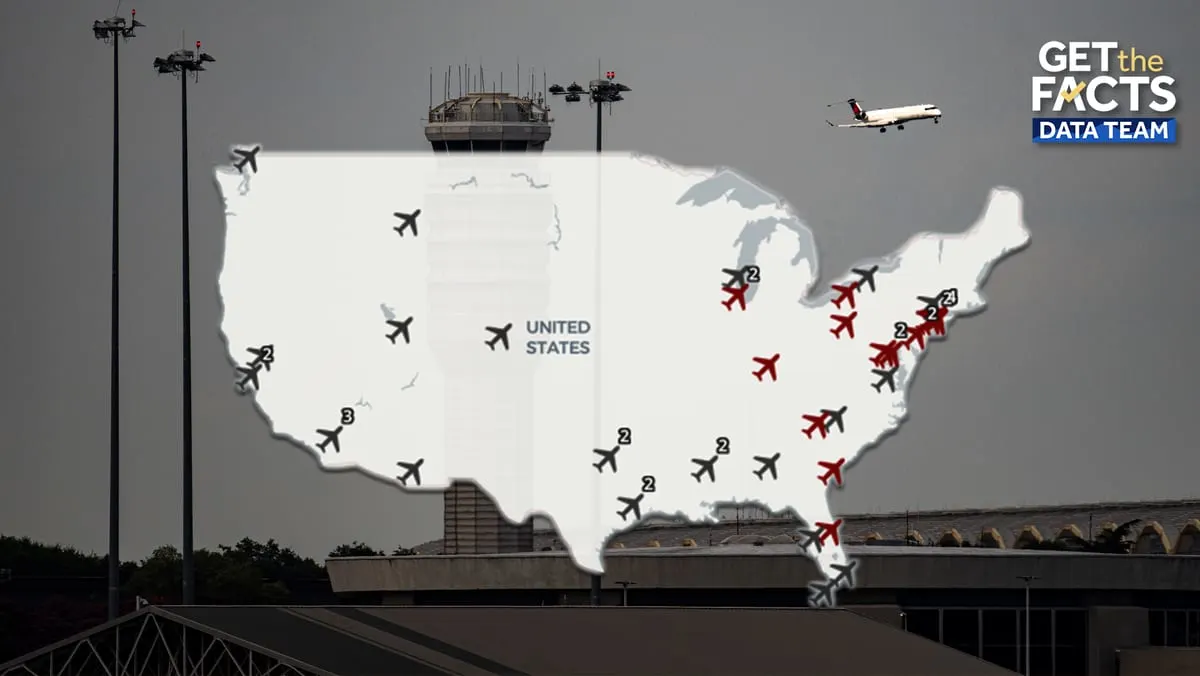
NTSB Safety Recommendations Lag Amid 6 Monthly Near-Misses
Approximately 6 near-miss incidents occur monthly at U.S. airports as 270 NTSB safety recommendations remain unaddressed by federal regulators.
NTSB Rejects FAA Safety Responses After 67-Fatality Crash
The NTSB labeled 11 FAA responses to 2025 DCA mid-air collision recommendations as unacceptable, citing the lack of a mandatory ADS-B In requirement.
EASA Orders Urgent Airbus A380 Wing Spar Inspections
The EASA ordered urgent inspections on 16 Airbus A380s after discovering wing spar cracks that could compromise structural integrity.
Ryanair Flight RK514 Diverts to Birmingham After Emergency
Ryanair flight RK514 diverted to Birmingham Airport on September 13, 2026, following a medical emergency involving a passenger.