American 737-800s Avoid Close Call in Call Sign Mix-up

Co-Founder & CTOCo-Founder & CTO driving the technology and data systems behind Omni Flights.
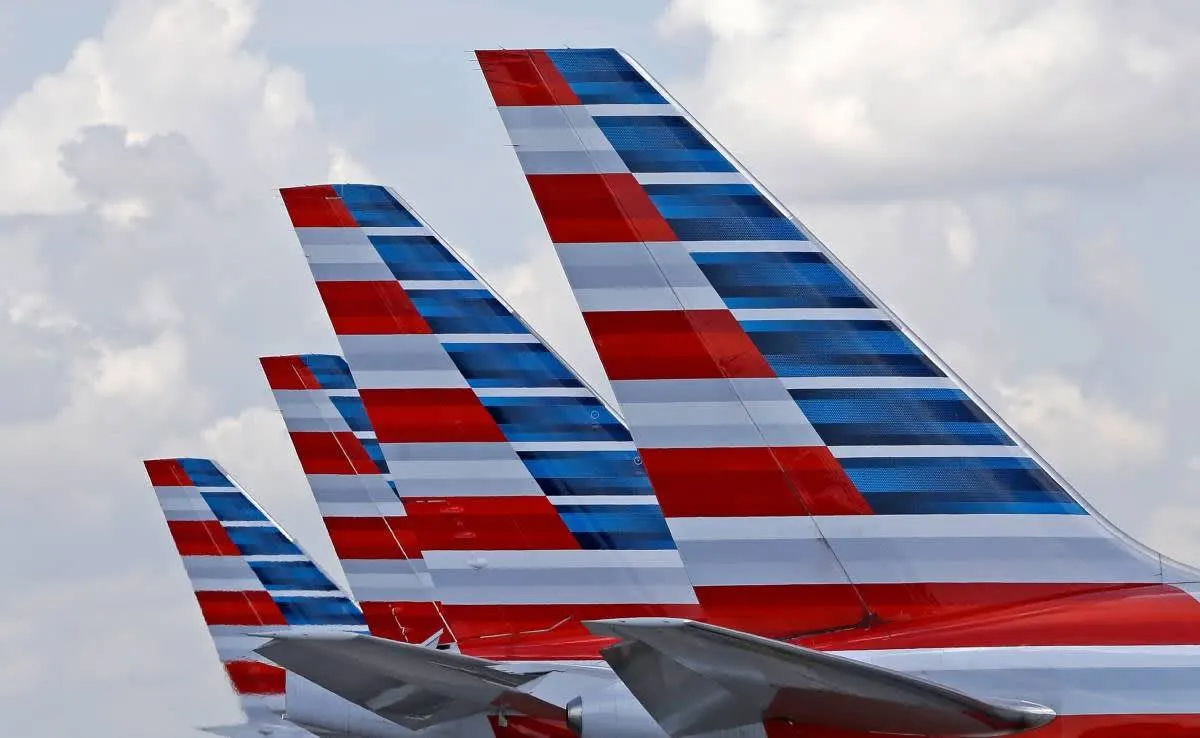
A Phoenix air traffic controller averted a potential collision between 2 American Airlines Boeing 737-800s sharing the same flight number.
Key Takeaways
- •Phoenix air traffic controller averts collision between two American Airlines jets.
- •Delayed inbound and on-time outbound flights shared Flight 2482 call sign.
- •FAA launches investigation into American Airlines dispatch and scheduling systems.
- •Identical call sign incident occurred previously in Las Vegas in April 2026.
A potential disaster was averted on August 14, 2026, near Phoenix Sky Harbor International Airport (PHX) when Phoenix air traffic control (ATC) recognized that two Boeing 737-800 aircraft were mistakenly sharing the same flight number. The same flight number incident involving American Airlines Flight 2482 prompted immediate action to resolve the call sign confusion and ensure safe separation. An FAA aviation investigation has been launched to determine how both flights were permitted to operate simultaneously.
The incident occurred shortly after midnight, when an inbound flight from Chicago O'Hare International Airport (ORD) overlapped with an outbound flight departing from Phoenix. According to Flightradar24 historical data, the outbound flight departed Phoenix at 11:58 PM, while the delayed inbound flight landed at 12:13 AM, creating a 15-minute window where both aircraft shared the same active airspace and call sign. If both flight crews had acted on the same altitude instructions, a catastrophic mid-air collision could have occurred.
The ground controller, who possesses 25 years of air traffic control experience, noticed the conflict as the two flight paths began to converge. Audio recorded during the event shows the controller quickly adapted by referring to the aircraft as "American 2482 on the arrival" and "American 2482 on the departure" to maintain clear communication. By instructing the departing aircraft to halt its climb and keeping the arriving flight safely above it, the controller maintained proper vertical separation. The controller also ensured both flight crews had visual contact with each other while they were still miles apart.
The operational overlap occurred due to an aircraft swap delay caused by weather. The inbound Chicago-to-Phoenix flight was significantly delayed, leading American Airlines to dispatch a second Boeing 737-800 from Phoenix to ensure the outbound leg departed on schedule. However, the airline's dispatch system failed to update or deconflict the flight numbers, leaving both active in the system. Aviation safety expert and former dispatcher Steve Arroyo noted that a failure likely occurred within the airline's dispatch center, missing the overlap when the flight plans were signed off. Arroyo, who spent 40 years with United Airlines as a dispatcher and pilot, stated: "You can drop the ball and that shouldn’t happen, but it’s nice to see that the system is resilient and we have all the safeguards."
The incident carries a high severity impact for American Airlines Dispatch Operations, which now faces internal audits and regulatory scrutiny regarding its flight planning software and call sign deconfliction protocols during equipment substitutions. For air traffic controllers, the event highlights a medium severity operational stress, emphasizing the heavy reliance on human vigilance to catch automated system errors. From an alternative perspective, members of the air traffic control community via r/ATC forums have argued that recurrent duplicate call signs are a systemic issue driven by airline dispatch negligence. The r/ATC forum contributors noted that controllers handle over 45,000 daily flights in the US, making automated dispatch errors a significant hazard that carriers should face financial penalties for to incentivize fixing their internal systems.
This event is not isolated. On April 26, 2026, a nearly identical American Airlines Call Sign Confusion at Harry Reid International Airport occurred in Las Vegas. In that precedent, two American Airlines aircraft operated with the exact same call sign on the same frequency, causing temporary controller confusion before one aircraft landed safely. The recurrence of this specific operational dispatch error within a span of 110 days highlights a potential systemic issue with how the carrier manages flight number assignments during delays and aircraft swaps.
The Operational Risks of Aircraft Swapping
Airlines frequently utilize aircraft swapping and equipment substitution to maintain schedule integrity at major hubs. While this practice minimizes passenger delays, it introduces significant data synchronization challenges between airline dispatch offices and the Federal Aviation Administration (FAA) air traffic systems. When a delayed inbound flight's active window overlaps with its rescheduled outbound counterpart, the risk of duplicate call signs in a single airspace sector increases. This Phoenix incident and the Las Vegas event represent 2 distinct occurrences of this dispatch failure within a short timeframe, indicating that automated safeguards within airline dispatch software are failing to flag active duplicate flight plans. Historically, similar dispatch anomalies have been resolved before takeoff, but these recent events suggest an accelerating vulnerability in airline operational control centers that requires automated, systemic intervention rather than relying solely on human radar monitoring.
Pending FAA Investigation and System Audits
The FAA and American Airlines are conducting joint investigations into the dispatch breakdown. The release of findings from the FAA investigation into the American Airlines call sign dispatch error is expected between Late 2026 and 2027. This safety report will likely evaluate whether automated alerts can be integrated directly into ATC radar systems to flag duplicate call signs within the same sector before flights converge. American Airlines has stated that its flight crews and controllers maintained required separation at all times, and the carrier is reviewing its internal dispatch routing workflows to prevent future overlaps.
Why Systemic Dispatch Audits Matter
For the aviation industry, this incident highlights the critical safety margins provided by human controllers when automated airline systems fail. It underscores the need for tighter integration between airline scheduling databases and federal airspace management systems. Ensuring that duplicate call signs are blocked before flight plans are approved is vital to protecting up to 320 passengers aboard both aircraft and preventing catastrophic mid-air collisions in congested terminal airspaces.
Frequently Asked Questions
- Why did two American Airlines planes have the same flight number?
- A weather delay on an inbound flight from Chicago prompted American Airlines to swap aircraft for the outbound flight from Phoenix. The airline's dispatch system failed to update the flight plans, resulting in both Boeing 737-800 aircraft operating simultaneously as Flight 2482.
- How did air traffic control resolve the call sign confusion?
- The controller, utilizing twenty-five years of experience, differentiated the two Boeing 737-800 aircraft by referring to them as 'American 2482 on the arrival' and 'American 2482 on the departure' while maintaining safe vertical separation.
- Has American Airlines experienced duplicate flight number issues before?
- Yes. A similar call sign confusion incident occurred on April 26, 2026, at Harry Reid International Airport in Las Vegas, where two American Airlines planes operated on the same frequency with identical call signs.
For global airline trends and commercial aviation news, turn to omniflights.com. From aircraft production to supply chains, commercial aviation manufacturing news is covered at omniflights.com/manufacturing.
Written by Shashank Shukla
Co-Founder & CTO leading the engineering and AI systems behind Omni Flights. Covers aviation technology, flight safety, aircraft manufacturing, and emerging aerospace developments.
Visit ProfileYou Might Also Like
Discover more aviation news based on similar topics
Families Demand DCA Midair Collision Safety Reforms
Families of 67 victims from the 2025 DCA midair collision are pressing Congress for mandatory ADS-B In technology to prevent future aviation tragedies.
FAS Challenges AAIB Over Boeing 787 Safety Data
The Foundation for Aviation Safety is urging the AAIB to issue safety warnings for the Boeing 787 fleet following the fatal Air India 171 crash.
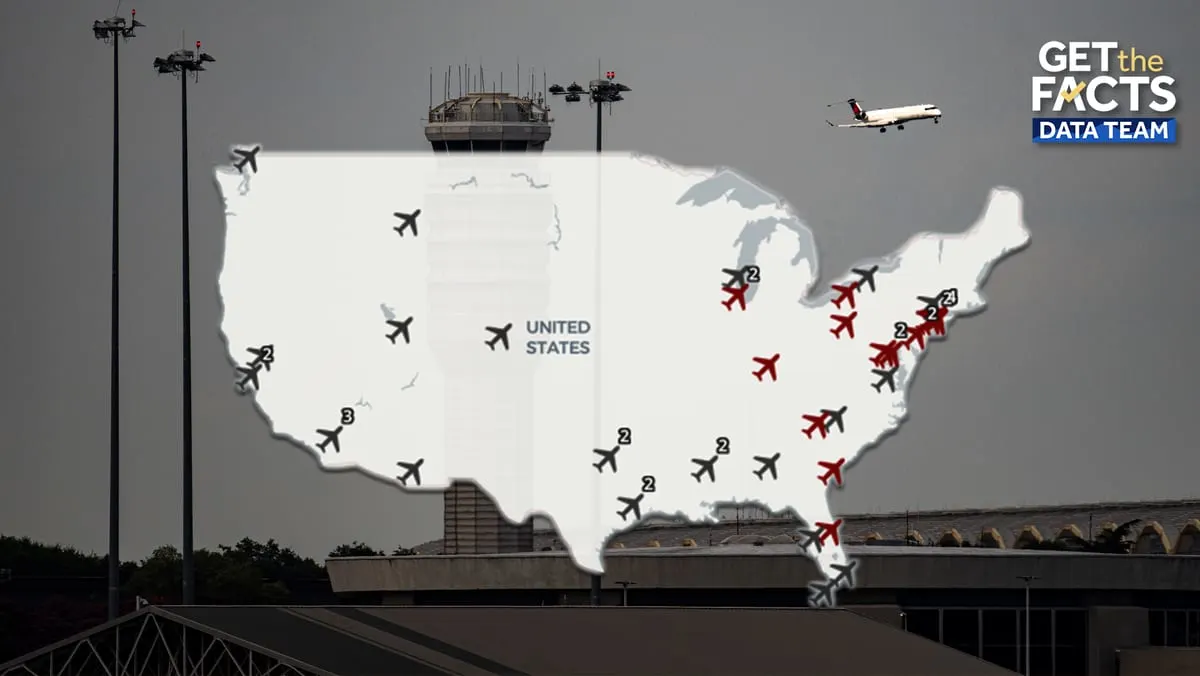
NTSB Safety Recommendations Lag Amid 6 Monthly Near-Misses
Approximately 6 near-miss incidents occur monthly at U.S. airports as 270 NTSB safety recommendations remain unaddressed by federal regulators.
NTSB Rejects FAA Safety Responses After 67-Fatality Crash
The NTSB labeled 11 FAA responses to 2025 DCA mid-air collision recommendations as unacceptable, citing the lack of a mandatory ADS-B In requirement.
EASA Orders Urgent Airbus A380 Wing Spar Inspections
The EASA ordered urgent inspections on 16 Airbus A380s after discovering wing spar cracks that could compromise structural integrity.
Ryanair Flight RK514 Diverts to Birmingham After Emergency
Ryanair flight RK514 diverted to Birmingham Airport on September 13, 2026, following a medical emergency involving a passenger.