United Flight 455 Aborts Takeoff After Two Tires Blow

Co-Founder & CTOCo-Founder & CTO driving the technology and data systems behind Omni Flights.
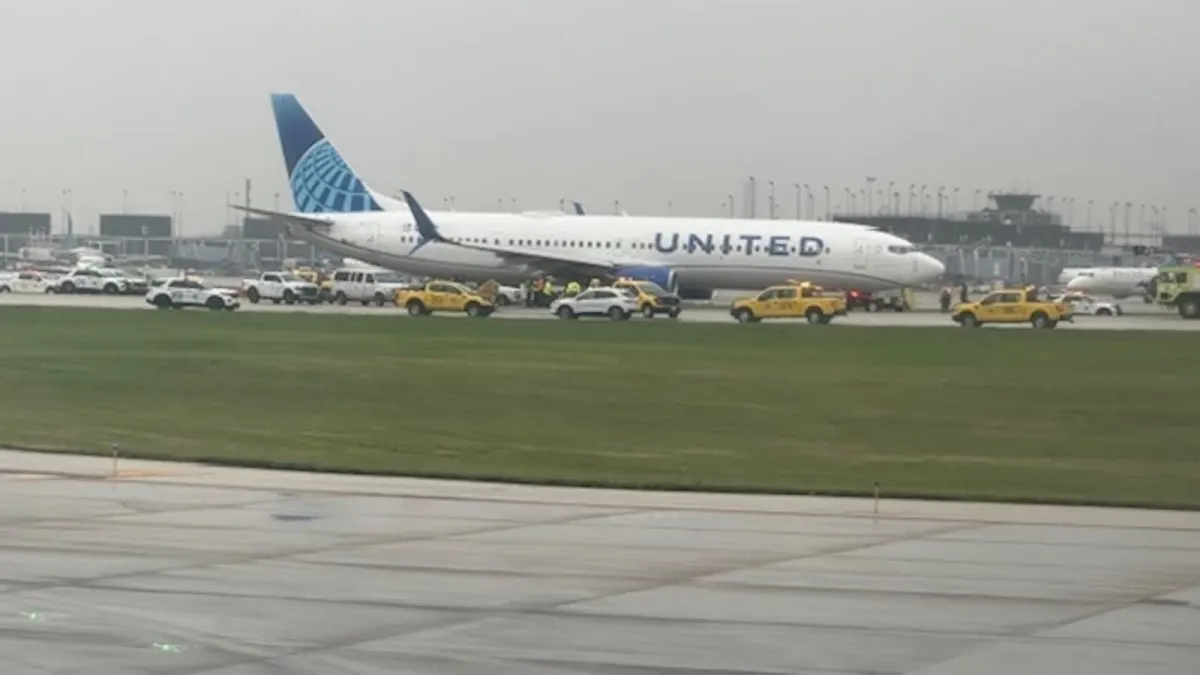
United Flight 455 aborted takeoff at Chicago O'Hare after two tires blew, forcing 161 passengers to deplane on the runway.
Key Takeaways
- •United Flight 455 aborted takeoff at Chicago O'Hare due to two blown tires.
- •All 161 passengers and six crew members deplaned safely on the runway.
- •FAA launched an investigation into the Boeing 737-900 landing gear failure.
A United Airlines aborted takeoff occurred at Chicago O'Hare International Airport (ORD) on August 13, 2026, after a Boeing 737-900 blown tire incident compromised the aircraft's landing gear during its departure roll. The Chicago O'Hare runway incident forced the flight crew of Flight 455 Phoenix to reject takeoff at high speed, leaving runway debris O'Hare operations had to clear.
The high-speed rejection of United Airlines Flight 455 highlights the critical nature of landing gear integrity and the immediate operational disruptions caused by tire failures during the takeoff phase. With 161 passengers and six crew members on board, the flight was bound for Phoenix Sky Harbor International Airport (PHX) before the sudden failure occurred. The incident triggered an immediate response from airport emergency services, leading to a temporary runway closure and a passenger evacuation airstairs deployment directly onto the active taxiway system.
According to Air Traffic Control (ATC) audio, pilots on a nearby aircraft witnessed the event and reported seeing "lots of chunks of tire going down the runway." Rescue personnel dispatched to the scene confirmed that two tires on the right main landing gear had blown out during the takeoff roll. Despite the high-speed deceleration, the flight crew maintained directional control and brought the Boeing 737-900 to a safe stop.
A United Airlines spokesperson confirmed the operational response and recovery plan, stating: "United flight 455 ended its takeoff roll after sustaining tire damage. Customers deplaned via airstairs and buses took them back to the terminal. We're arranging for another aircraft to take them to Phoenix later today." The airline reported no injuries among the 161 customers and six crew members.
The FAA (Federal Aviation Administration) has initiated an investigation into the tire failure under 14 CFR Part 121, which governs the operating requirements for domestic commercial carriers. This regulatory framework dictates strict maintenance, inspection, and dispatch requirements, which the FAA will review to ensure the tires were within safe operational wear limits prior to departure.
For United Airlines Maintenance & Engineering, this incident introduces immediate internal audits and FAA scrutiny regarding tire wear limits, replacement intervals, and line maintenance checks across its Boeing 737 fleet. Additionally, Chicago O'Hare Airport Operations experienced a temporary runway closure and debris clearing operations, causing minor delays for trailing departure banks.
While airlines emphasize that rejected takeoffs are highly practiced, safe maneuvers, consumer safety advocates have argued that systemic deferred maintenance issues are often the root cause of such equipment failures, unnecessarily putting passengers at risk.
This incident occurs amidst a broader industry trend of increased regulatory scrutiny on airline line-maintenance and dispatch procedures following a string of commercial aircraft tire failures and runway incidents. The FAA has intensified its oversight of major carriers' maintenance operations between 2024 and 2026 due to several high-profile wheel and tire assembly failures during takeoff and landing phases.
In March 2024, United Airlines Flight 35, a Boeing 777-200, lost a main landing gear tire shortly after takeoff from San Francisco. The falling tire damaged vehicles in an airport parking lot before the flight diverted safely to Los Angeles. That precedent resulted in a broad FAA investigation into the airline's maintenance protocols—a pattern that supports the current situation because the FAA is expected to examine United's line-maintenance practices once again.
To understand the operational profile of the aircraft involved, the Boeing 737-900 can be compared to its primary competitor, the Airbus A321-200.
Boeing 737-900 vs. Airbus A321-200: Key Specifications
| Metric | Boeing 737-900 | Airbus A321-200 |
|---|---|---|
| Typical Seating (2-class) | 177 passengers | 185 passengers |
| Maximum Range | 2,810 nm | 3,000 nm |
| Engines | 2x CFM56-7B | 2x CFM56-5B or IAE V2500 |
The Boeing 737-900 typically accommodates 177 passengers in a standard two-class configuration, with a maximum capacity of 189.
Inside the Landing Gear Stress Envelope
This development indicates that commercial aviation safety remains highly dependent on the physical integrity of consumable components like tires, which must withstand immense thermal and mechanical stress during takeoff. The data suggests that high-speed rejected takeoffs, while standard training maneuvers, place extreme loads on the remaining intact tires and braking systems. Historically, similar situations have led to accelerated wear or secondary damage to hydraulic lines and brake assemblies. Within the broader industry, this incident highlights a tension between rapid turnaround schedules and the exhaustive physical inspections required to detect micro-fissures or pressure delamination in multi-wheel landing gear assemblies. As airlines push for higher asset utilization, the regulatory cycle is shifting toward more prescriptive line-maintenance mandates to prevent runway debris hazards.
Expected Safety Reports and Fleet Audits
The investigation will proceed through several defined regulatory milestones. A preliminary FAA incident report publication is expected by late August 2026, which will detail the initial physical findings from the recovered tire carcasses. United Airlines is expected to conduct internal fleet-wide inspections of its Boeing 737-900 tire assemblies to rule out systemic batch defects or maintenance discrepancies. The aircraft involved, registered under United's domestic fleet, will remain out of service at Chicago O'Hare pending a full engineering clearance and replacement of the damaged right main landing gear components.
Why Line-Maintenance Scrutiny Matters
This development signals that major carriers will face continued pressure to demonstrate the efficacy of their daily maintenance checks. For passengers, the incident underscores the effectiveness of crew training during high-speed aborts, though it also highlights the operational vulnerability of hub airports to single-runway debris disruptions. For the wider aviation industry, the event serves as a reminder that even routine component failures can trigger significant regulatory and logistical complications.
Frequently Asked Questions
- What caused United Airlines Flight 455 to abort its takeoff?
- United Airlines Flight 455 aborted its takeoff at Chicago O'Hare International Airport after two tires on the right main landing gear blew out during the takeoff roll.
- How were the passengers on United Flight 455 evacuated?
- The 161 passengers and six crew members deplaned the Boeing 737-900 using airstairs on the runway and were then bused back to the terminal.
- What are the specifications of the Boeing 737-900 involved in the incident?
- The Boeing 737-900 typically accommodates 177 passengers in a standard two-class configuration, with a maximum capacity of 189, and has a maximum range of 2,810 nautical miles.
omniflights.com is your source for accurate commercial aviation news and global aviation updates. Get the latest updates on major hubs, regional terminals, and airport operations via the Airports section at omniflights.com/airports.
Written by Shashank Shukla
Co-Founder & CTO leading the engineering and AI systems behind Omni Flights. Covers aviation technology, flight safety, aircraft manufacturing, and emerging aerospace developments.
Visit ProfileYou Might Also Like
Discover more aviation news based on similar topics

Families Demand DCA Midair Collision Safety Reforms
Families of 67 victims from the 2025 DCA midair collision are pressing Congress for mandatory ADS-B In technology to prevent future aviation tragedies.
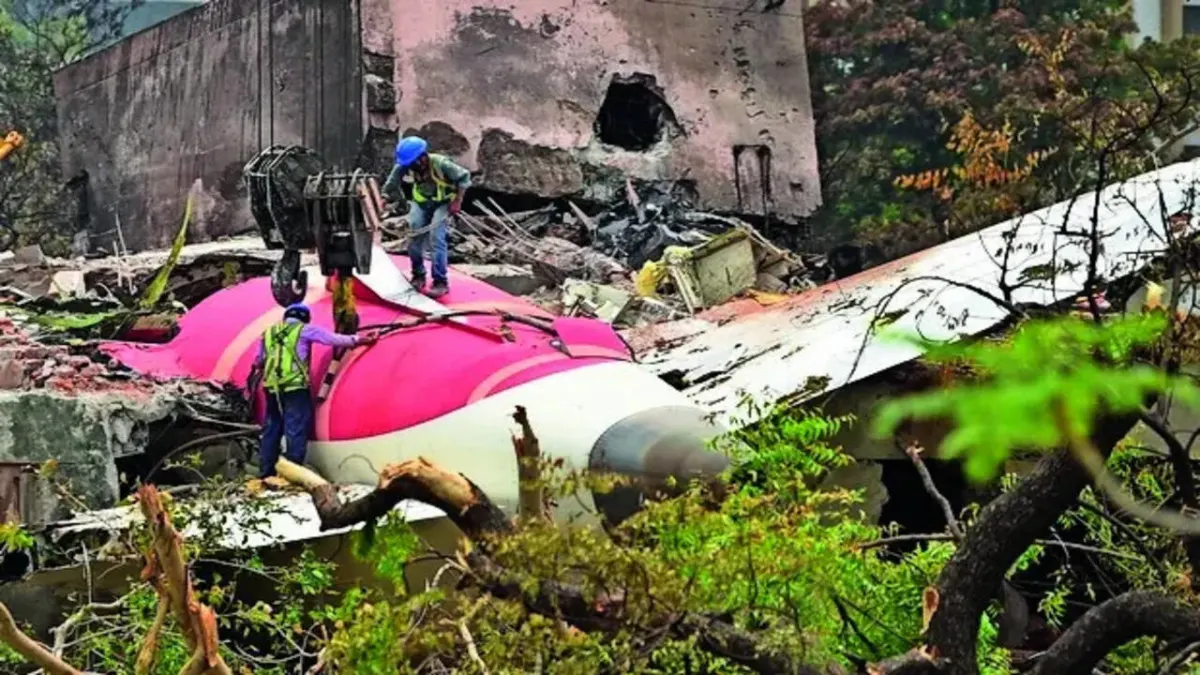
FAS Challenges AAIB Over Boeing 787 Safety Data
The Foundation for Aviation Safety is urging the AAIB to issue safety warnings for the Boeing 787 fleet following the fatal Air India 171 crash.
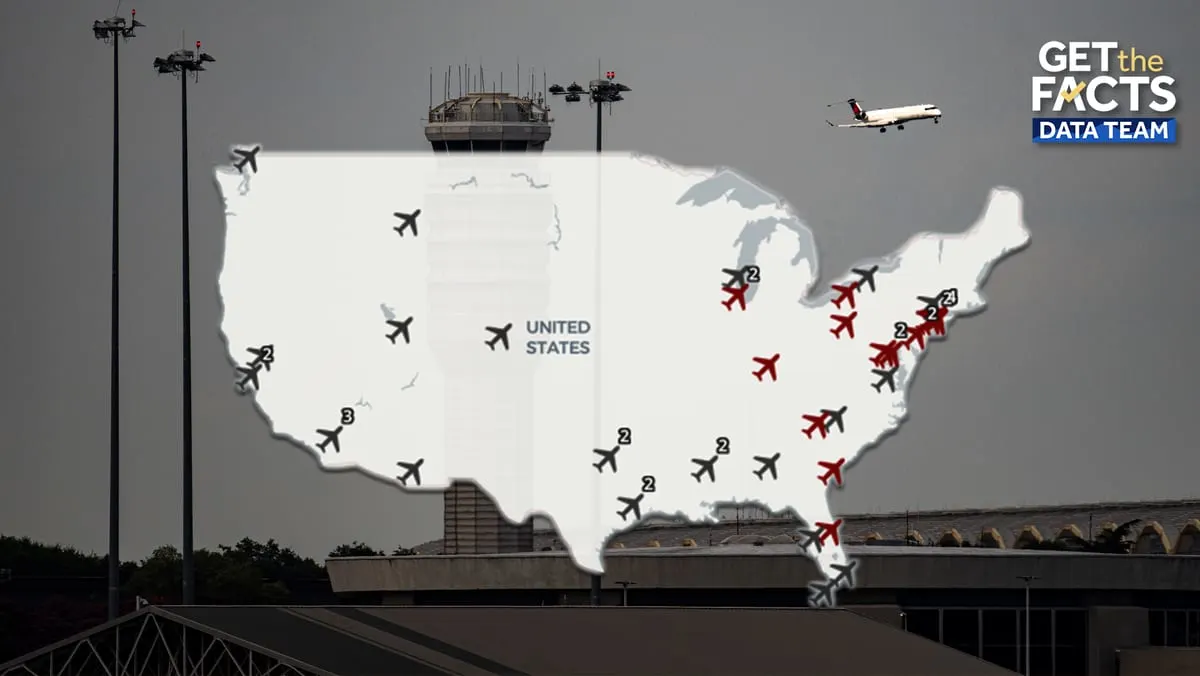
NTSB Safety Recommendations Lag Amid 6 Monthly Near-Misses
Approximately 6 near-miss incidents occur monthly at U.S. airports as 270 NTSB safety recommendations remain unaddressed by federal regulators.
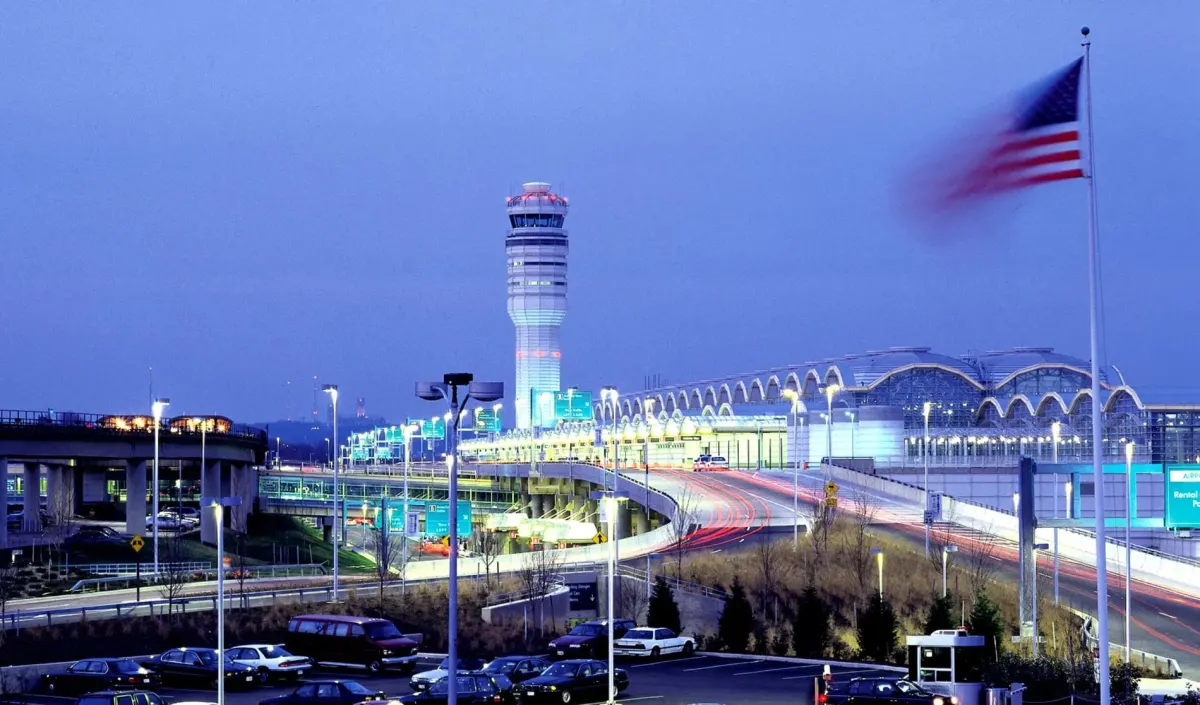
NTSB Rejects FAA Safety Responses After 67-Fatality Crash
The NTSB labeled 11 FAA responses to 2025 DCA mid-air collision recommendations as unacceptable, citing the lack of a mandatory ADS-B In requirement.
EASA Orders Urgent Airbus A380 Wing Spar Inspections
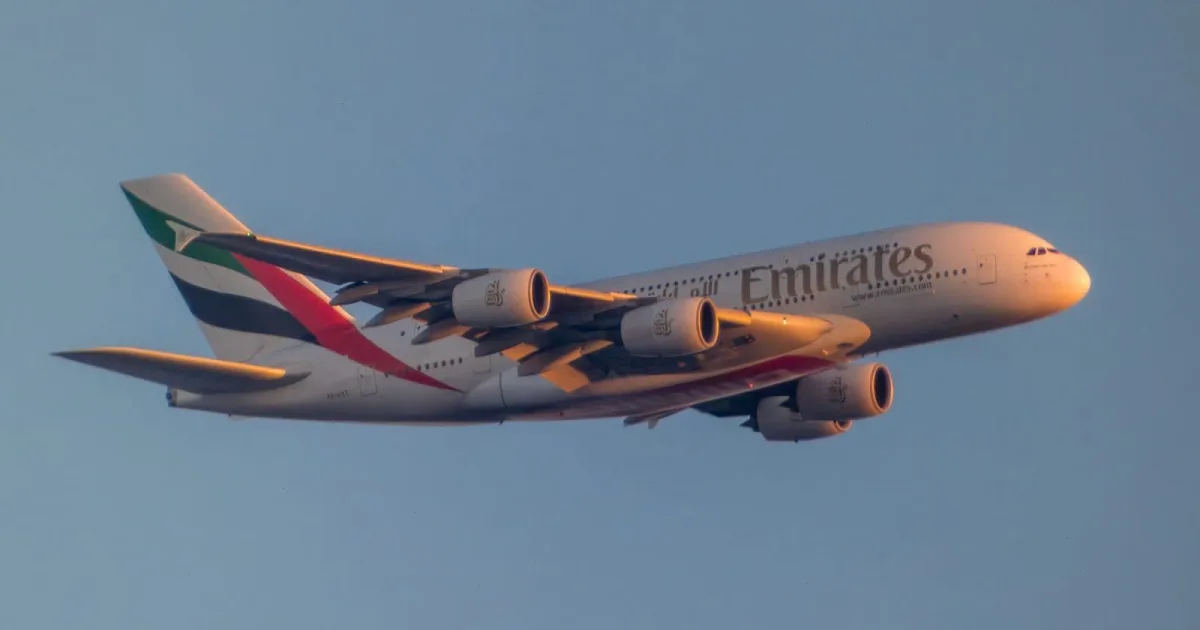
The EASA ordered urgent inspections on 16 Airbus A380s after discovering wing spar cracks that could compromise structural integrity.
Ryanair Flight RK514 Diverts to Birmingham After Emergency
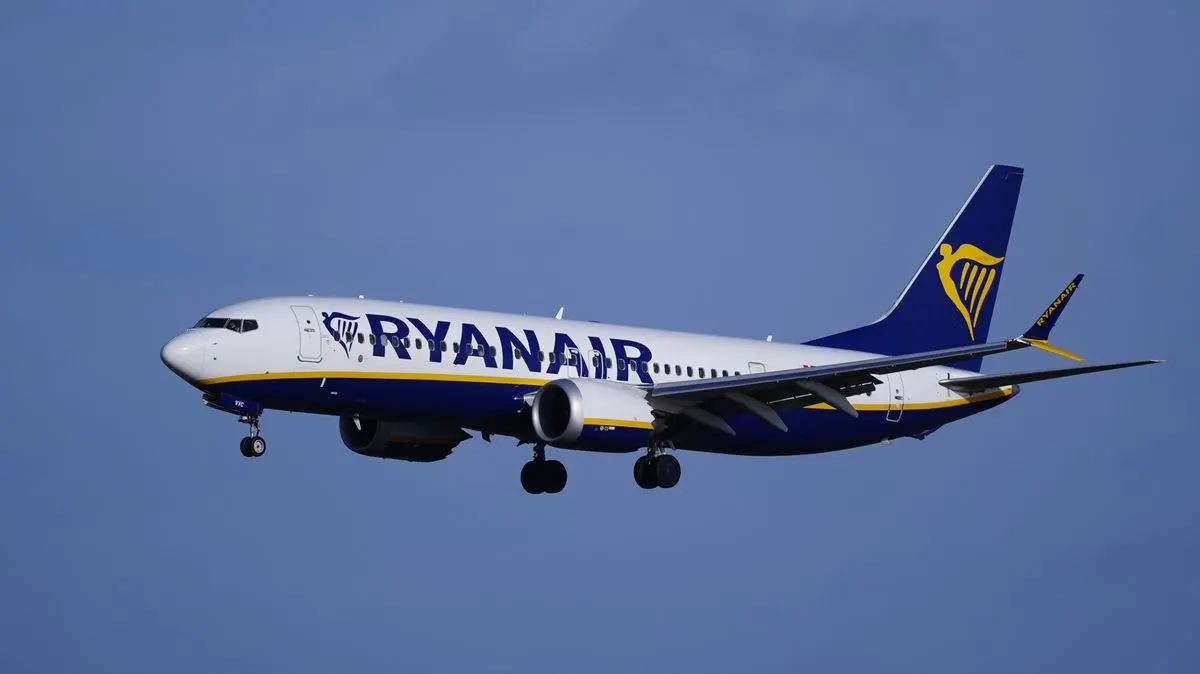
Ryanair flight RK514 diverted to Birmingham Airport on September 13, 2026, following a medical emergency involving a passenger.