Air Canada Flight 624 Settlement Reaches $12.9 Million

Co-Founder & CTOCo-Founder & CTO driving the technology and data systems behind Omni Flights.
The Supreme Court of Nova Scotia approved an $18.075 million CAD settlement for passengers of the 2015 Air Canada Flight 624 crash in Halifax.
Key Takeaways
- •Nova Scotia court approves $18.075 million CAD Air Canada Flight 624 settlement.
- •Air Canada will pay $15.075 million CAD of the total crash settlement.
- •Nav Canada and Halifax Airport Authority contribute remaining settlement funds.
- •Settlement resolves 11 years of litigation following the 2015 Halifax crash.
The Supreme Court of Nova Scotia has approved an $18.075 million CAD (approximately $12.9 million USD) class-action settlement resolving the litigation from the Air Canada Flight 624 accident. The Halifax plane crash settlement concludes an 11-year legal battle stemming from the March 29, 2015, runway excursion of an Airbus A320-200. This milestone ruling brings a close to the A320 crash class action lawsuit, officially known as Carroll-Byrne v Air Canada, which has significantly impacted Canadian aviation jurisprudence.
The legal resolution represents a major milestone for the 133 passengers and five crew members who were on board the flight when it struck terrain short of the runway at Halifax Stanfield International Airport. By securing this court-approved agreement, the affected passengers avoid a scheduled 45-day civil trial that was set to begin in late 2026. The settlement distributes financial responsibility among the primary operator, the national air navigation service provider, and the regional airport authority, reflecting the complex web of operational factors identified in the subsequent safety investigation.
Settlement Breakdown and Financial Obligations
Under the terms of the approved settlement, Air Canada will pay the vast majority of the compensation, contributing $15.075 million CAD to the settlement pool. Nav Canada, the country's civil air navigation service provider, has agreed to pay $2 million CAD, while the Halifax International Airport Authority (HIAA) will contribute $1 million CAD. None of the defendants have admitted any liability or wrongdoing as part of the agreement.
According to court documents from the Supreme Court of Nova Scotia, the funds will be used to compensate eligible class members for physical injuries, psychological trauma, and property loss sustained during the accident. During the March 2015 landing attempt in severe winter weather, the aircraft severed power lines, crashed through an antenna array, and suffered severe damage before coming to a rest. The incident resulted in 25 people sustaining injuries that required transportation to local hospitals.
"We are satisfied the matter has been resolved through an agreement," stated Air Canada spokesperson Sean Davidson following the court's approval. A spokesperson for Nav Canada added, "Nav Canada welcomes the court's approval of the settlement. The resolution of this long and complex litigation is a positive outcome for all parties."
The Battle Over Cockpit Voice Recorder Data
A defining characteristic of this litigation was a high-stakes legal dispute over the aircraft's Cockpit Voice Recorder (CVR). The TSB (Transportation Safety Board of Canada) vigorously opposed the release of the CVR audio and transcript to the civil litigation parties. The TSB argued that disclosing sensitive cockpit recordings for civil lawsuits could compromise future safety investigations by discouraging flight crews from speaking freely.
However, this argument was ultimately rejected. The Supreme Court of Canada dismissed the TSB's appeal, marking a landmark decision in Canadian aviation law. The ruling established that the interest of justice in civil proceedings outweighed the statutory privilege of the CVR in this specific instance, highlighting an ongoing tension between independent safety investigations and civil liability discovery.
Historical Precedents in Canadian Aviation Litigation
The resolution of the Air Canada Flight 624 litigation closely mirrors historical outcomes of major runway excursions in Canada. In August 2005, the runway overrun of Air France Flight 358—an Airbus A340 that overran the runway at Toronto Pearson International Airport—led to a similar class-action lawsuit. That litigation was ultimately settled in 2008 for $12 million CAD.
While the Air France settlement was resolved within three years, the Air Canada Flight 624 proceedings spanned over a decade due to the extensive appeals regarding evidence disclosure and the multi-party nature of the defense.
The official Transportation Safety Board of Canada report, published under reference TSB report A15H0002, concluded that a combination of non-precision approach procedures, poor visibility, and inadequate airfield lighting contributed to the aircraft striking terrain short of the runway. The findings from this investigation provided critical factual backing for the class-action claims, illustrating how federal safety reports heavily influence civil litigation outcomes despite the TSB's non-punitive mandate.
Balancing Safety Privilege and Civil Justice
This development indicates a shifting equilibrium in how aviation accidents are litigated within Canada. Historically, safety investigators maintained near-absolute control over flight deck data to preserve a "just culture" where pilots could report errors without fear of legal reprisal. The Supreme Court of Canada's decision to permit CVR disclosure in the Carroll-Byrne case accelerates a broader global trend toward greater transparency in civil discovery, even when it conflicts with traditional safety investigation privileges. For aircraft operators and navigation service providers, this precedent means that internal communications and cockpit recordings are increasingly vulnerable to disclosure in subsequent class-action lawsuits, raising the stakes for post-accident legal strategy and risk management.
Settlement Distribution Timeline
The focus of the proceeding now shifts to the administration and distribution of the settlement funds.
- Late 2026: The claims administrator, under the supervision of the Supreme Court of Nova Scotia, is expected to begin the formal distribution of the $18.075 million CAD settlement pool to eligible class members.
- Post-2026: Class members will undergo individual assessments to determine specific compensation levels based on documented physical and psychological impacts.
The Precedent for Future Air Disaster Claims
This settlement establishes a clear financial and legal benchmark for how multi-party aviation liability is apportioned in Canada. By involving the airline, the air navigation provider, and the airport authority in the final payout, the case underscores that runway safety is a shared responsibility. For the wider aviation industry, the resolution demonstrates that while class-action litigation can take over a decade to resolve, the combination of regulatory safety findings and judicial pressure remains a powerful mechanism for passenger compensation.
Frequently Asked Questions
- What was the settlement amount for the Air Canada Flight 624 crash?
- The Supreme Court of Nova Scotia approved an $18.075 million CAD (approximately $12.9 million USD) settlement. Air Canada will pay $15.075 million CAD, while Nav Canada and the Halifax International Airport Authority will contribute $2 million CAD and $1 million CAD, respectively.
- What caused the 2015 Air Canada crash in Halifax?
- The Transportation Safety Board of Canada report concluded that approach procedures, poor visibility, and airfield lighting contributed to the Airbus A320 striking terrain short of the runway.
- Why did the Air Canada Flight 624 lawsuit take 11 years to settle?
- The litigation was prolonged by complex multi-party negotiations and a landmark legal dispute over whether the Transportation Safety Board of Canada had to release the aircraft's cockpit voice recorder data for civil proceedings.
Access up-to-date commercial aviation news and airline industry developments via omniflights.com. Get the latest updates on major hubs, regional terminals, and airport operations via the Airports section at omniflights.com/airports.
Written by Shashank Shukla
Co-Founder & CTO leading the engineering and AI systems behind Omni Flights. Covers aviation technology, flight safety, aircraft manufacturing, and emerging aerospace developments.
Visit ProfileYou Might Also Like
Discover more aviation news based on similar topics
Families Demand DCA Midair Collision Safety Reforms
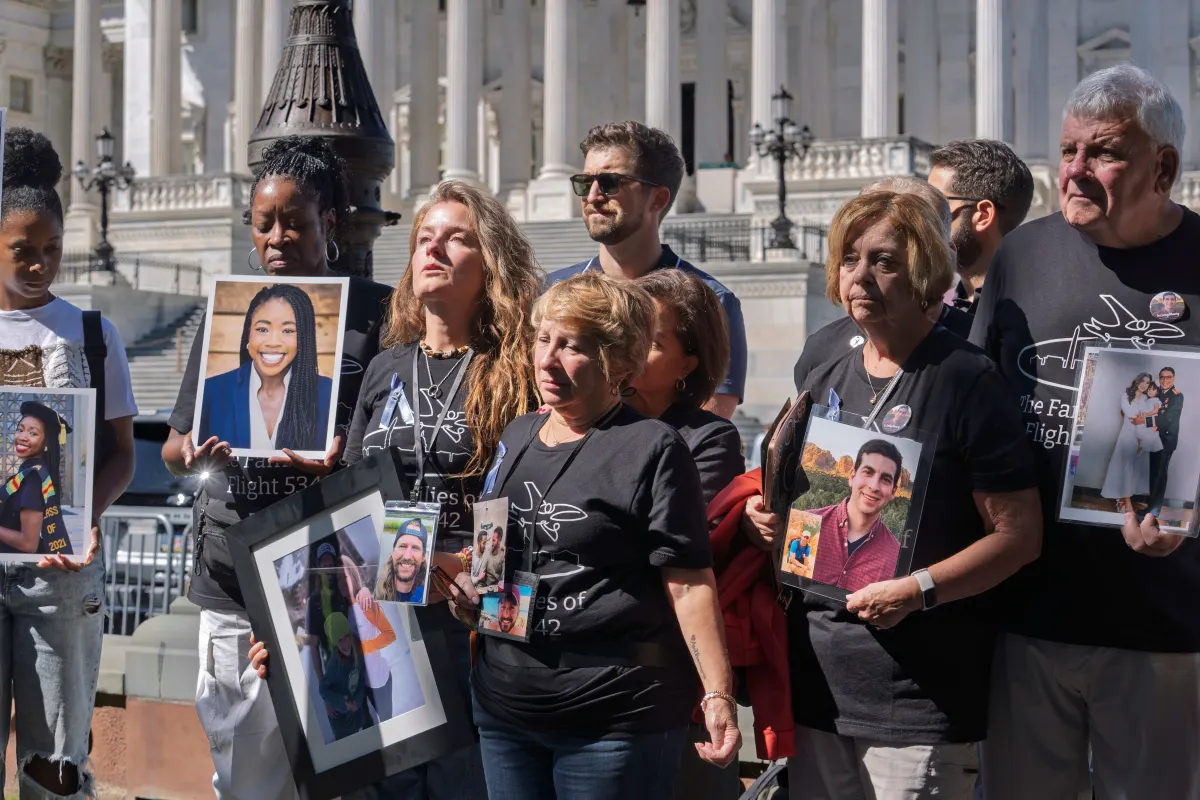
Families of 67 victims from the 2025 DCA midair collision are pressing Congress for mandatory ADS-B In technology to prevent future aviation tragedies.
FAS Challenges AAIB Over Boeing 787 Safety Data
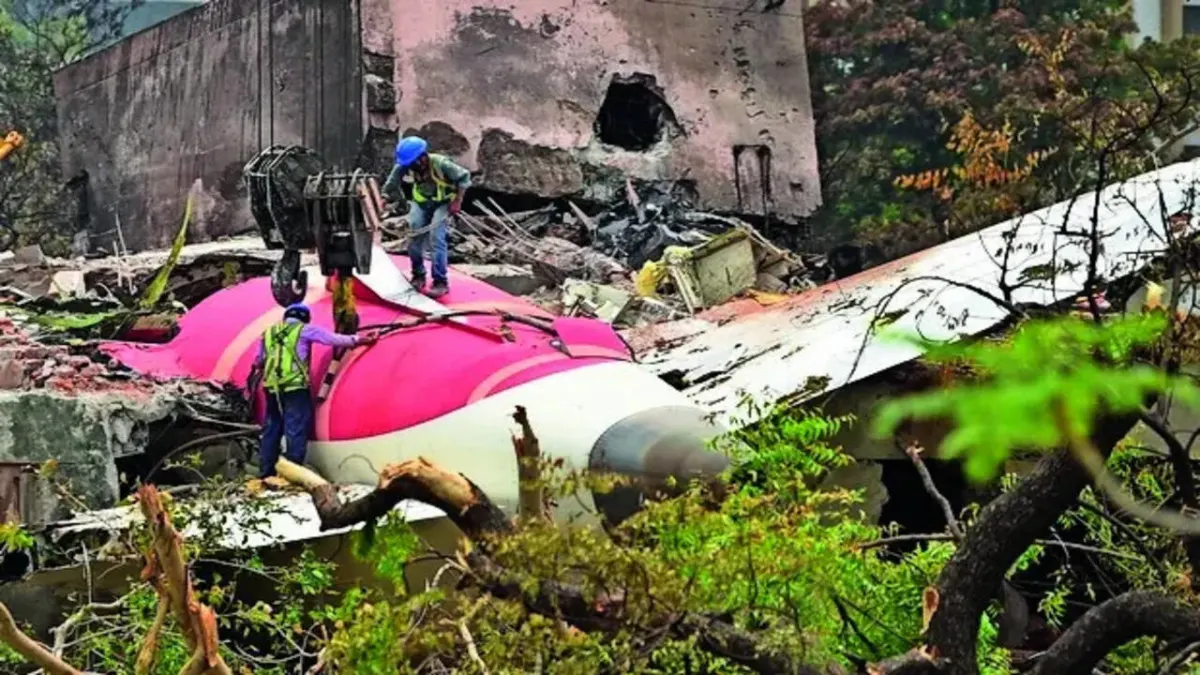
The Foundation for Aviation Safety is urging the AAIB to issue safety warnings for the Boeing 787 fleet following the fatal Air India 171 crash.
NTSB Safety Recommendations Lag Amid 6 Monthly Near-Misses
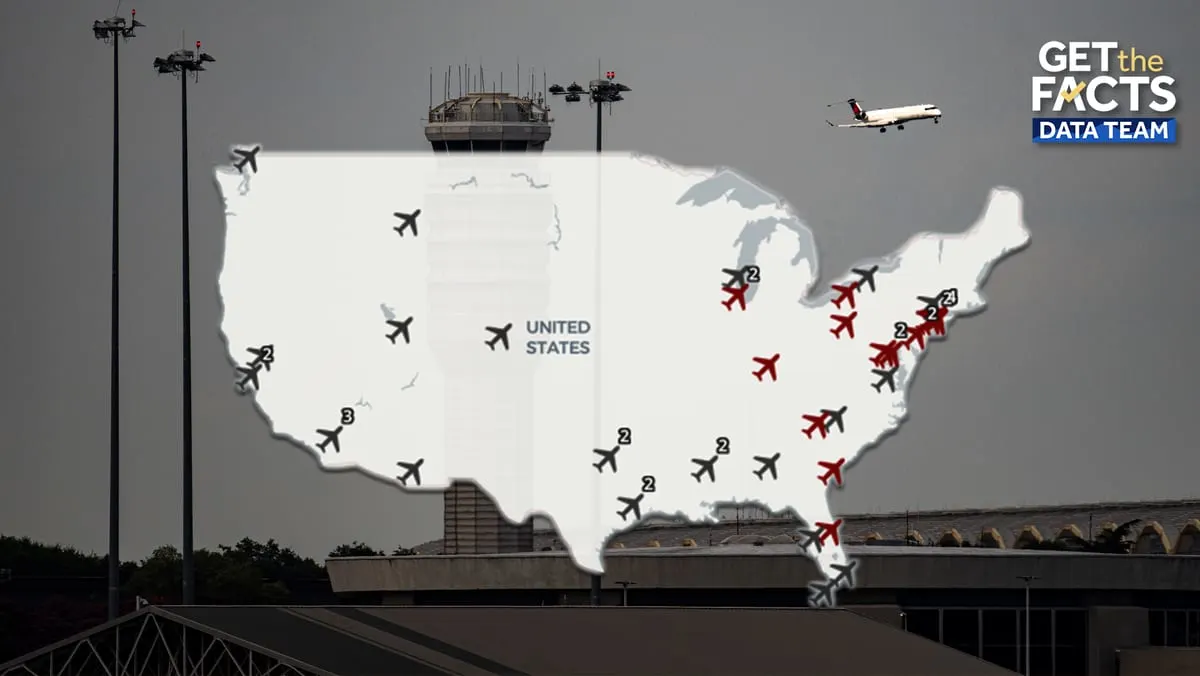
Approximately 6 near-miss incidents occur monthly at U.S. airports as 270 NTSB safety recommendations remain unaddressed by federal regulators.
NTSB Rejects FAA Safety Responses After 67-Fatality Crash
The NTSB labeled 11 FAA responses to 2025 DCA mid-air collision recommendations as unacceptable, citing the lack of a mandatory ADS-B In requirement.
EASA Orders Urgent Airbus A380 Wing Spar Inspections
The EASA ordered urgent inspections on 16 Airbus A380s after discovering wing spar cracks that could compromise structural integrity.
Ryanair Flight RK514 Diverts to Birmingham After Emergency
Ryanair flight RK514 diverted to Birmingham Airport on September 13, 2026, following a medical emergency involving a passenger.