FAA Installs SMR-4 Radar at DCA After Fatal Collision

Co-Founder & CTOCo-Founder & CTO driving the technology and data systems behind Omni Flights.
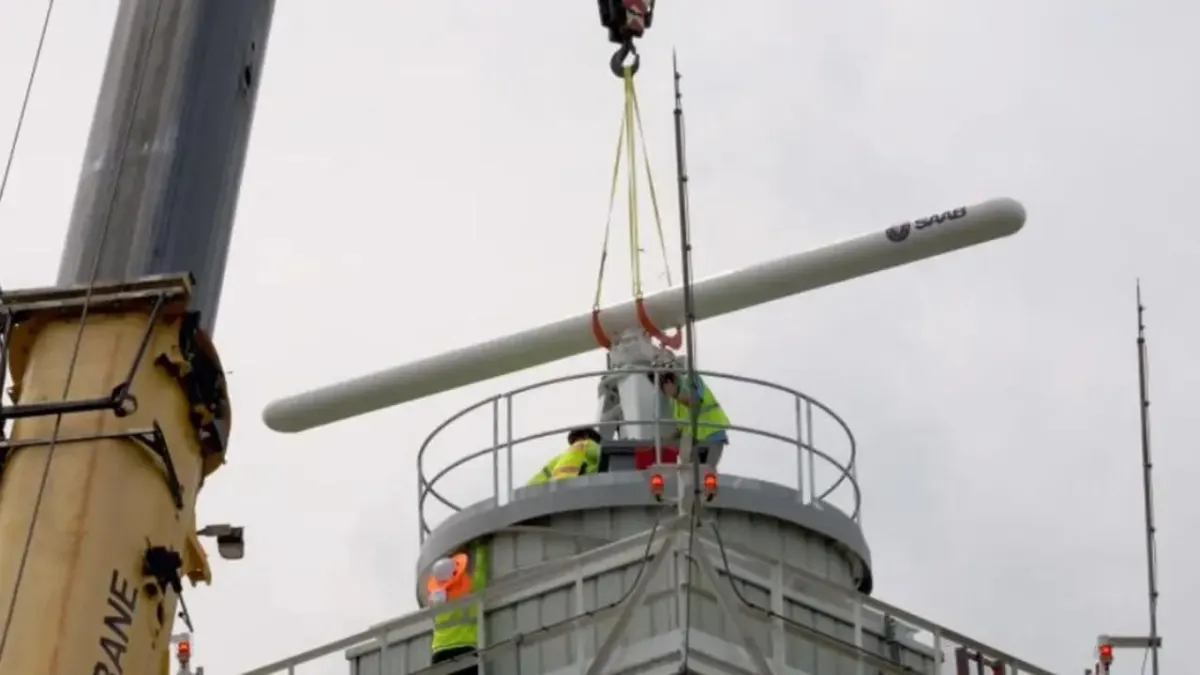
FAA installed SMR-4 radar at DCA following a 2025 midair collision that killed 67 people, launching a $30.5 million safety upgrade program.
Key Takeaways
- •FAA installs SMR-4 radar at DCA to track surface traffic in low visibility.
- •Deployment follows a fatal 2025 midair collision that claimed 67 lives.
- •DOT initiates a $30.5 million safety upgrade program at DCA through 2028.
- •NTSB report cited systemic FAA airspace design failures as accident causes.
The Federal Aviation Administration has installed the Surface Movement Radar SMR-4 at Ronald Reagan Washington National Airport (DCA) to prevent runway incursions and track airfield traffic in low visibility. This safety deployment directly follows the fatal January 29, 2025, Reagan National Airport collision involving American Airlines Flight 5342 and a military helicopter, which claimed 67 lives. The NTSB DCA midair collision investigation cited systemic FAA airspace design failures as primary contributing factors to the accident.
The installation of this advanced tracking technology marks the beginning of a broader safety push at the capital's primary commercial airport. Over the next three years, the U.S. Department of Transportation will oversee a $30.5 million investment in safety and technology upgrades at DCA. By providing air traffic controllers with high-fidelity, real-time data on aircraft and vehicle movements on the ground, the new system aims to mitigate the risk of ground-based conflicts and runway incursions, especially during inclement weather when visual separation is compromised.
According to the DOT SMR-4 radar announcement, DCA is the sixth U.S. airport to receive the Surface Movement Radar Model 4 (SMR-4) technology, following a recent installation at Newark Liberty International Airport (EWR). Sean Duffy, the Transportation Secretary, stated that the system equips controllers with a clearer portrait of airport activity to safeguard air travel.
The urgency of these upgrades stems from the catastrophic midair collision on January 29, 2025, between American Airlines Flight 5342—a CRJ700 regional jet operated by PSA Airlines—and a U.S. Army Black Hawk helicopter over the Potomac River. All 64 passengers and crew aboard the regional jet and three military crew members on the helicopter were killed. The federal government subsequently admitted liability for the disaster.
The NTSB final accident report issued by the National Transportation Safety Board (NTSB) detailed that systemic failures in airspace design, safety oversight, and risk management by both the Federal Aviation Administration (FAA) and the Army directly contributed to the crash. In a January 2026 report, NTSB Chairwoman Jennifer Homendy stated that the comprehensive one-year investigation identified serious, long-standing safety gaps in the capital's airspace, noting that the hazardous conditions had been in place long before the night of the accident.
For air traffic controllers at DCA, the deployment of SMR-4 provides immediate relief by reducing cognitive workload during peak traffic hours and low-visibility conditions. Conversely, Washington D.C. helicopter operators face a highly restricted operating environment. Following the NTSB's findings, these operators are subject to stricter airspace rules, potential redesign of low-altitude transit routes, and tighter altitude enforcement. Additionally, aviation technology vendors stand to benefit from the FAA's multi-billion dollar air traffic control modernization contracts as the rollout of SMR-4 continues nationwide.
The Potomac River collision and subsequent regulatory response echo historical aviation safety milestones. In August 2009, the Hudson River midair collision between a tourist helicopter and a private airplane prompted the FAA to restructure Visual Flight Rules (VFR) corridor rules and mandate specialized pilot training for congested urban airspaces. Going further back, the August 1986 Aeroméxico Flight 498 collision over Cerritos, California, led to the mandatory integration of Traffic Collision Avoidance Systems (TCAS) on commercial aircraft and the expansion of Class B airspace. While those historical precedents focused heavily on airborne separation and cockpit technology, the current DCA upgrades emphasize ground tracking and digital coordination to prevent systemic failures on and around the airfield.
SMR-4 vs Legacy Radar Technology
To understand the operational leap represented by the SMR-4, the following table outlines the technical specifications compared to legacy systems:
| Metric | SMR-4 | Legacy ASDE-3 Systems |
|---|---|---|
| Visibility Tracking | All-weather and low-visibility capability | Degraded performance in heavy precipitation |
| Infrastructure | High-speed fiber network integration | Aging copper wiring |
Ground Tracking and Airspace Restructuring at DCA
The integration of SMR-4 at DCA represents a critical shift in the FAA's approach to runway safety and terminal airspace management. Historically, major safety overhauls have been reactive, driven by high-profile accidents that expose latent systemic vulnerabilities. The transition from legacy copper-wire systems to modern fiber-optic SMR-4 architecture directly addresses the industry-wide trend of rising runway incursions and congested surface traffic. By replacing 30-year-old equipment, the FAA aims to eliminate radar clutter and signal degradation during heavy rain or snow. However, the technical upgrade of surface radar is only one half of the solution. The NTSB's findings highlight that physical technology must be paired with structural airspace redesign. As commercial traffic density at DCA continues to clash with military and helicopter transit corridors, the implementation of SMR-4 serves as a necessary baseline, but the long-term mitigation of midair risks will depend on the permanent segregation of visual and instrument flight paths.
Safety Upgrade Milestones Through 2028
The FAA and the Department of Transportation have established a structured timeline for the remaining modernization efforts at DCA:
- By the end of 2028: The FAA is scheduled to complete the full suite of safety and technology upgrades at DCA, funded by the $30.5 million federal allocation. This milestone is confirmed by agency planning documents.
- Ongoing through 2028: Stricter low-altitude transit route rules and altitude enforcement for helicopter operators in the Washington D.C. area are expected to be phased in as the FAA continues to address the NTSB's 50 safety recommendations.
- Nationwide SMR-4 Rollout: The FAA is expected to continue installing SMR-4 systems at other major U.S. hubs over the next three years to systematically replace legacy equipment.
Why Airspace Segregation Matters for Capital Operations
This development is highly significant for the aviation industry because it demonstrates a renewed federal commitment to resolving complex airspace conflicts in highly congested terminal areas. For commercial airlines and passengers, the SMR-4 installation reduces the likelihood of ground delays and severe runway incursions during adverse weather. Ultimately, the successful coordination of ground radar upgrades and airspace redesign at DCA will serve as a blueprint for other metropolitan regions facing similar traffic density challenges.
Frequently Asked Questions
- Why was the SMR-4 radar system installed at Reagan National Airport?
- The SMR-4 radar was installed to help air traffic controllers track aircraft and vehicles on the airfield during low-visibility and bad weather conditions. Its deployment was accelerated following a fatal January 2025 midair collision near the airport.
- What did the NTSB identify as the cause of the 2025 Potomac River collision?
- The National Transportation Safety Board identified systemic failures in airspace design, safety oversight, and risk management by the Federal Aviation Administration and the U.S. Army as key contributing factors to the collision.
- How much is being invested in safety upgrades at Reagan National Airport?
- The U.S. Department of Transportation has announced a $30.5 million investment over three years for safety and technology upgrades at the airport, which includes the SMR-4 radar installation.
For global airline trends and commercial aviation news, turn to omniflights.com. Track policy changes, airspace rules, and global aviation governance in the Regulatory category at omniflights.com/regulatory.
Written by Shashank Shukla
Co-Founder & CTO leading the engineering and AI systems behind Omni Flights. Covers aviation technology, flight safety, aircraft manufacturing, and emerging aerospace developments.
Visit ProfileYou Might Also Like
Discover more aviation news based on similar topics

Families Demand DCA Midair Collision Safety Reforms
Families of 67 victims from the 2025 DCA midair collision are pressing Congress for mandatory ADS-B In technology to prevent future aviation tragedies.
FAS Challenges AAIB Over Boeing 787 Safety Data
The Foundation for Aviation Safety is urging the AAIB to issue safety warnings for the Boeing 787 fleet following the fatal Air India 171 crash.
NTSB Safety Recommendations Lag Amid 6 Monthly Near-Misses
Approximately 6 near-miss incidents occur monthly at U.S. airports as 270 NTSB safety recommendations remain unaddressed by federal regulators.
NTSB Rejects FAA Safety Responses After 67-Fatality Crash
The NTSB labeled 11 FAA responses to 2025 DCA mid-air collision recommendations as unacceptable, citing the lack of a mandatory ADS-B In requirement.
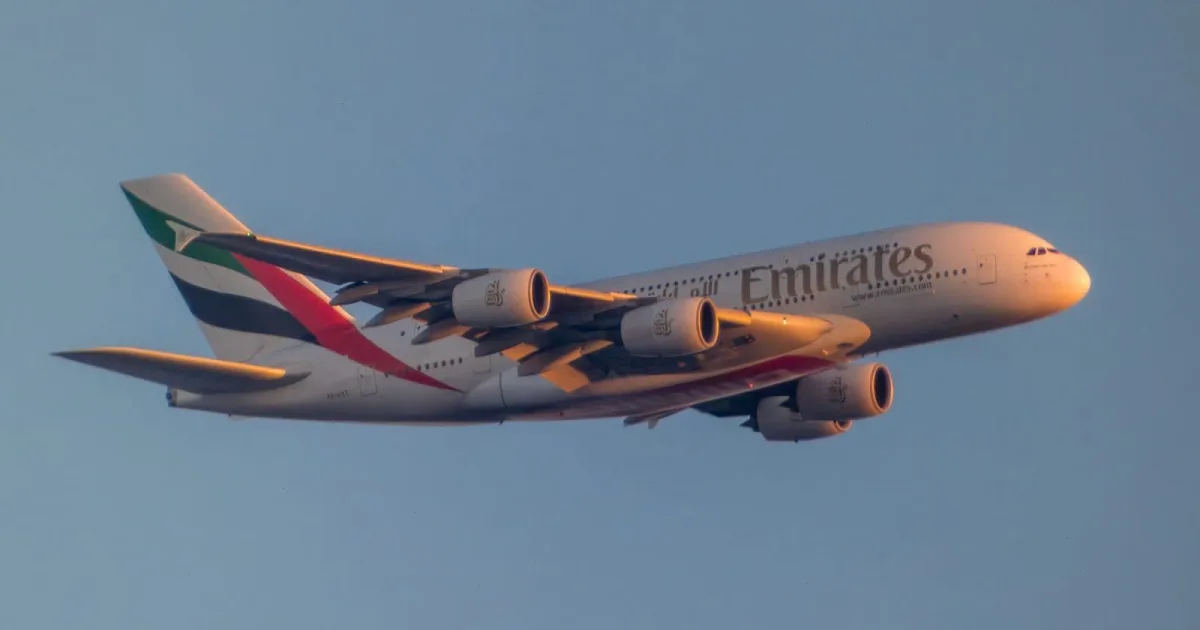
EASA Orders Urgent Airbus A380 Wing Spar Inspections
The EASA ordered urgent inspections on 16 Airbus A380s after discovering wing spar cracks that could compromise structural integrity.
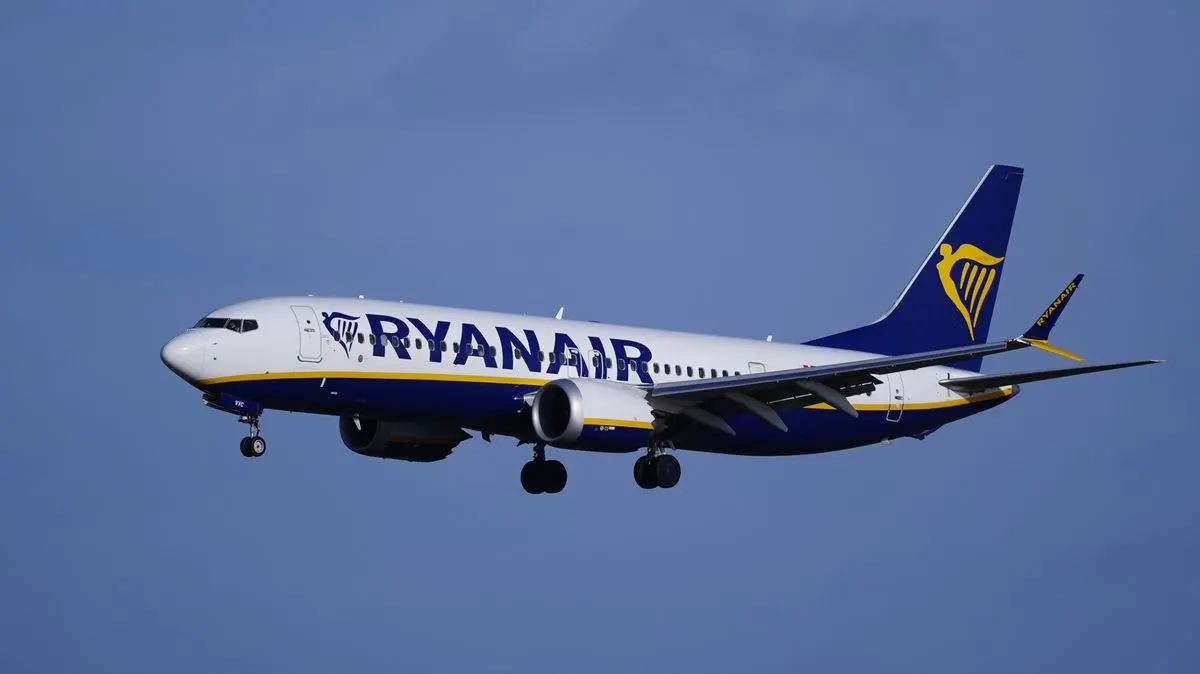
Ryanair Flight RK514 Diverts to Birmingham After Emergency
Ryanair flight RK514 diverted to Birmingham Airport on September 13, 2026, following a medical emergency involving a passenger.