UPS Cites Boeing Guidance in Fatal 2025 MD-11 Crash

Co-Founder & CEOAviation News Editor delivering trusted coverage across the global aviation industry.
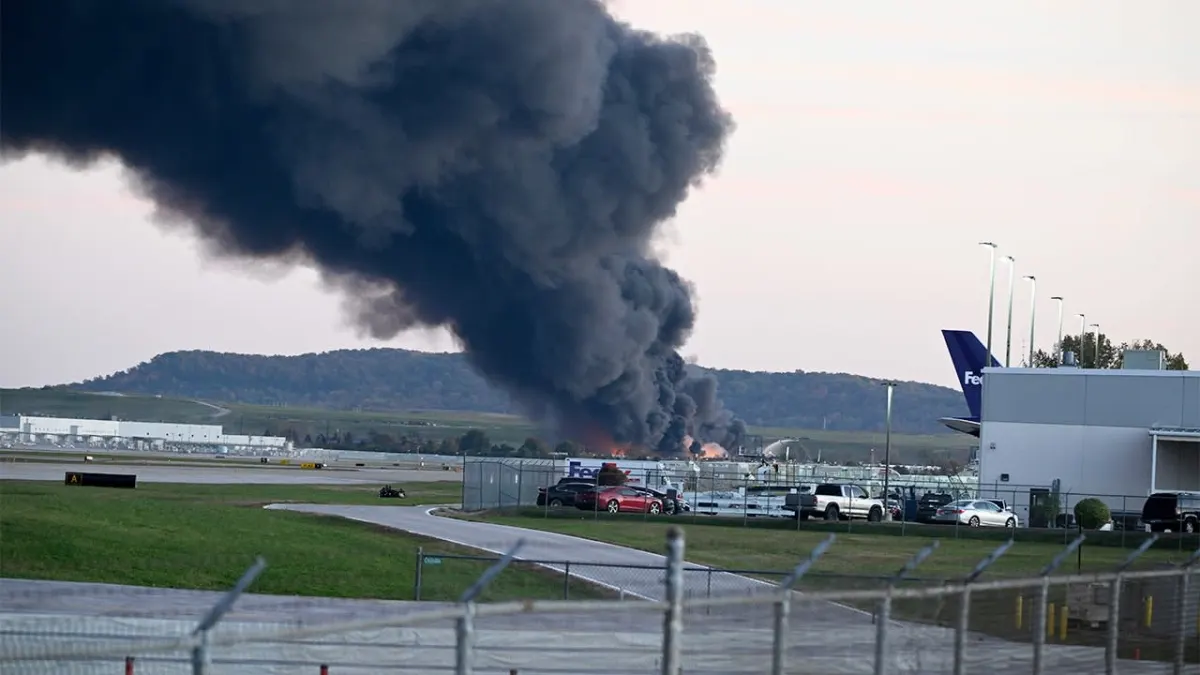
UPS says Boeing's guidance led it to skip enhanced MD-11 inspections before a 2025 crash that resulted in 14 fatalities in Louisville, KY.
Key Takeaways
- •UPS Flight 2976 crash caused 14 fatalities in Louisville, KY.
- •Boeing's 2011 service letter dismissed bearing cracks as low risk.
- •NTSB investigation reveals 75% fatigue propagation in bearing race.
- •FAA issued emergency grounding for all MD-11 freighters post-crash.
UPS Flight 2976 Investigation
UPS Airlines has stated that it relied on technical guidance from The Boeing Company when it opted against implementing enhanced inspections for a critical engine mount component prior to the fatal crash of UPS Flight 2976 in November 2025. Newly released documents from the National Transportation Safety Board (NTSB) investigation into the MD-11F accident reveal that the carrier reviewed manufacturer service letters and concluded that the identified issues did not constitute a flight safety risk.
The crash, which occurred during takeoff in Louisville, Kentucky, resulted in 14 fatalities, including three crew members and 11 individuals on the ground. The NTSB investigation (DCA26MA024) indicates that the left engine separated from the aircraft due to a fractured spherical bearing within the engine pylon.
Boeing Service Letter 2011 Assessment
Central to the investigation is the 2011 Boeing service letter, MD-11-SL-54-104-A, which identified cracking issues within the pylon spherical bearings. Despite documenting four previous failures of the exact same component across three different aircraft, Boeing’s engineering assessment concluded that the defect did not represent a safety-of-flight condition.
"Investigators found that UPS had reviewed the service letters and determined no further action was required," stated Chihoon Shin, the NTSB Investigator-in-Charge. According to the NTSB Materials Laboratory examination, fatigue cracks had propagated through approximately 75% of the interior surface of the bearing race before the final over-stress failure on the accident flight.
Regulatory and Legal Scrutiny
Following the accident, the Federal Aviation Administration (FAA) issued Emergency Airworthiness Directive (AD) 2025-23-51, which mandated the immediate grounding of all MD-11 and MD-11F aircraft to perform urgent inspections of the pylon spherical bearings. The directive highlights the systemic failure of the manufacturer’s original risk assessment to account for the catastrophic potential of the bearing failure.
While UPS points to Boeing’s flawed guidance as a primary factor in its maintenance decision-making, the carrier faces significant legal challenges. According to the Clifford Law Offices, which represents victims' families, wrongful death lawsuits allege that UPS, as the operator, holds negligence for continuing to operate an unairworthy aircraft and failing to implement a more robust inspection regime despite the documented history of bearing failures.
Historical Precedents and Industry Impact
The incident draws parallels to historical aviation events involving engine pylon structural failures. In May 1979, the crash of American Airlines Flight 191, involving a McDonnell Douglas DC-10, led to the grounding of the fleet and a complete redesign of pylon maintenance procedures. Similarly, the 1992 crash of El Al Flight 1862 highlighted the risks of metal fatigue in 747 engine pylon attachments. These precedents underscore the high stakes for MD-11 freighter operators, who remain under intense regulatory scrutiny regarding their Continued Operational Safety (COS) programs.
Technical Analysis of Bearing Failure
The failure of the spherical bearing in the MD-11 pylon demonstrates the criticality of fatigue monitoring in aging widebody fleets. The NTSB data indicates that the failure was not an isolated event but a predictable outcome of the crack propagation identified in the 2011 service letter. The industry is now evaluating the efficacy of manufacturer-issued risk assessments, with experts suggesting that reliance on OEM (Original Equipment Manufacturer) guidance must be balanced with independent operator oversight. This development signals a shift toward more conservative maintenance cycles for legacy cargo aircraft, as regulators prioritize structural integrity over historical manufacturer risk assessments.
Publication of the NTSB Final Report
Stakeholders are now awaiting the final accident report from the NTSB, which is expected to be published between late 2026 and 2027. This document will provide the definitive findings on the causal chain involving both the manufacturer's guidance and the operator's maintenance protocols. The findings are expected to influence future FAA mandates regarding the inspection of legacy widebody structural components.
Why This Matters for Cargo Operators
This incident highlights the liability risks inherent in relying on manufacturer risk assessments for older aircraft fleets. For cargo operators, the crash of UPS Flight 2976 serves as a stark reminder that regulatory compliance with existing service letters may not be sufficient to ensure safety. The case is expected to set a major precedent for how airlines manage aging aircraft maintenance and how manufacturers are held accountable for their safety-of-flight determinations.
Frequently Asked Questions
- What caused the engine separation on UPS Flight 2976?
- The NTSB investigation determined that the left engine separated from the MD-11F due to a fractured spherical bearing in the engine pylon, which had suffered from significant fatigue cracking.
- Why did UPS decide not to adopt enhanced inspections for the MD-11 engine pylon?
- UPS stated it relied on a 2011 Boeing service letter that identified the cracking issue but explicitly concluded that the bearing failure did not pose a flight safety risk.
Access up-to-date commercial aviation news and airline industry developments via omniflights.com. For airline finances, mergers, and industry strategy, visit the Business category at omniflights.com/business.
Written by Hardik Vishwakarma
Co-Founder & Aviation News Editor leading initiatives that improve trust and visibility across the global aviation industry. Covers airlines, airports, safety, and emerging technology.
Visit ProfileYou Might Also Like
Discover more aviation news based on similar topics

Families Demand DCA Midair Collision Safety Reforms
Families of 67 victims from the 2025 DCA midair collision are pressing Congress for mandatory ADS-B In technology to prevent future aviation tragedies.

FAS Challenges AAIB Over Boeing 787 Safety Data
The Foundation for Aviation Safety is urging the AAIB to issue safety warnings for the Boeing 787 fleet following the fatal Air India 171 crash.
NTSB Safety Recommendations Lag Amid 6 Monthly Near-Misses
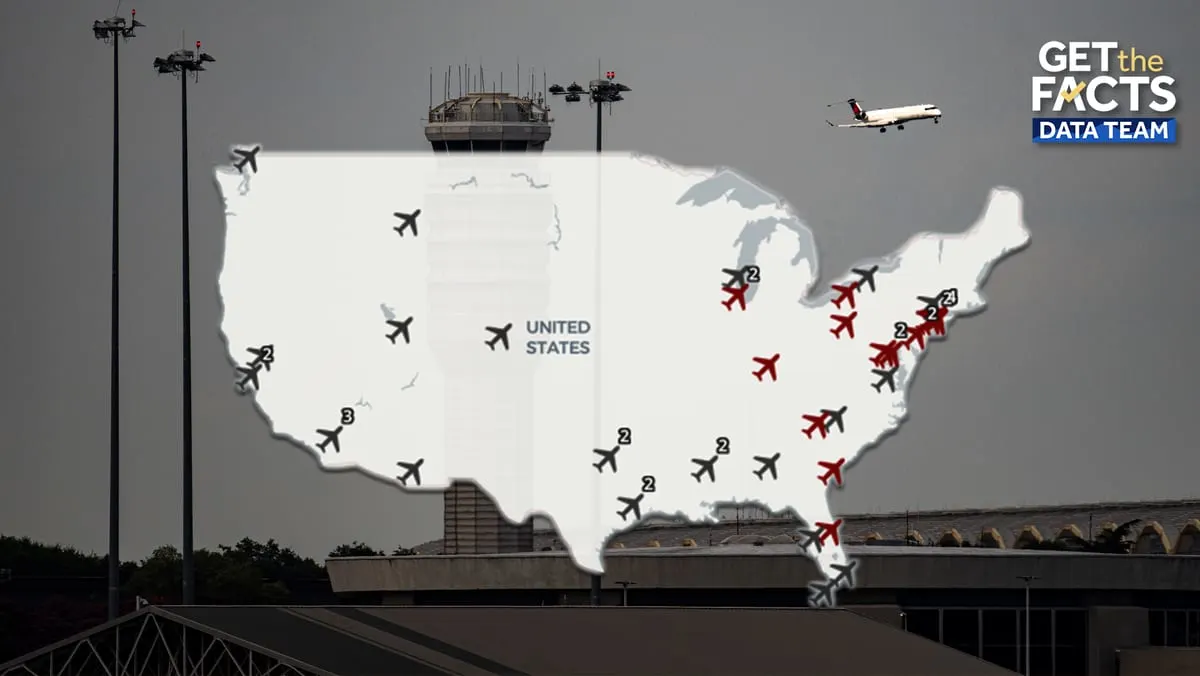
Approximately 6 near-miss incidents occur monthly at U.S. airports as 270 NTSB safety recommendations remain unaddressed by federal regulators.
NTSB Rejects FAA Safety Responses After 67-Fatality Crash
The NTSB labeled 11 FAA responses to 2025 DCA mid-air collision recommendations as unacceptable, citing the lack of a mandatory ADS-B In requirement.
EASA Orders Urgent Airbus A380 Wing Spar Inspections
The EASA ordered urgent inspections on 16 Airbus A380s after discovering wing spar cracks that could compromise structural integrity.
Ryanair Flight RK514 Diverts to Birmingham After Emergency
Ryanair flight RK514 diverted to Birmingham Airport on September 13, 2026, following a medical emergency involving a passenger.