CX797 Returns to Hong Kong After Engine Overheating

Co-Founder & CTOCo-Founder & CTO driving the technology and data systems behind Omni Flights.

Cathay Pacific flight CX797 returned to Hong Kong approximately one hour after takeoff due to a suspected engine overheating issue.
Key Takeaways
- •Cathay Pacific flight CX797 returned to Hong Kong after engine overheating.
- •Boeing 777-300 landed safely with no passenger injuries reported.
- •Airline must file a formal occurrence report with the CAD within 96 hours.
- •Incident impacts Cathay Pacific's regional fleet of 17 Boeing 777-300s.
A Cathay Pacific flight return occurred on the evening of August 16, 2026, when a Boeing 777-300 experienced a suspected Boeing 777 engine overheating incident shortly after takeoff. The Hong Kong to Jakarta flight, operating as CX797, was forced to execute a precautionary turnback to Hong Kong International Airport (HKG). The CX797 emergency landing was completed safely approximately one hour after departure, with emergency services standing by on the runway as a standard safety protocol.
This mid-flight technical anomaly highlights the operational challenges of managing regional schedules with older-generation aircraft. While the aircraft landed without further incident, the disruption forced the airline to manage immediate passenger rebookings and temporarily ground the airframe. The event also underscores the industry trend of precautionary in-flight turnbacks to primary maintenance hubs, which airlines increasingly favor over diverting to unfamiliar en-route airports to minimize long-term network disruption.
Flight CX797 Operational Timeline and Fleet Profile
According to flight tracking data, Flight CX797 departed HKG at 7:05 PM local time, bound for Soekarno–Hatta International Airport (CGK) in Jakarta, Indonesia. Approximately 30 minutes into the flight, while climbing to its cruising altitude, the flight crew received cockpit indications of a suspected engine overheating issue. The crew immediately halted the climb, declared a precautionary emergency, and initiated a turnback toward Hong Kong.
The aircraft involved in the incident was a regional Boeing 777-31H variant. Cathay Pacific currently operates a fleet of 17 older-generation, non-extended range (non-ER) Boeing 777-300 aircraft dedicated to high-density regional routes. These aircraft are among the oldest in the carrier's active fleet, requiring rigorous maintenance monitoring for engine and system wear.
Under the Mandatory Occurrence Reporting (MOR) Scheme overseen by the Hong Kong Civil Aviation Department (CAD), the airline is required to file a formal occurrence report within 96 hours of any in-flight turnback or technical emergency. This regulatory filing will trigger an official safety review to determine the root cause of the thermal anomaly.
The stakeholder impact of this incident is concentrated primarily on the passengers and immediate airline operations. For the passengers on Flight CX797, the turnback caused high-severity travel disruptions, including missed connections in Jakarta and significant arrival delays while awaiting an aircraft swap. For Cathay Pacific operations, the impact is of medium severity, requiring short-term schedule adjustments and the temporary grounding of the affected Boeing 777-300 for technical inspection. For the engine manufacturer, Rolls-Royce, the impact is low, though the company may be called upon to assist the airline and the CAD with technical analysis of the engine data.
Historical Precedents and Powerplant Specifications
To contextualize this event, historical precedents show how Cathay Pacific has managed similar mid-flight emergencies. In May 2011, Cathay Pacific Flight 715, an Airbus A330, made a successful emergency landing in Singapore after an engine caught fire shortly after takeoff. Later, in July 2015, Cathay Pacific Flight 884, a Boeing 777-300ER, diverted to a military base in Alaska after a cooling fan failure filled the cabin with smoke. Additionally, in April 2010, Cathay Pacific Flight 780, an Airbus A330, completed a high-speed emergency landing at HKG after contaminated fuel damaged both engines, leading to passenger evacuation injuries.
To understand the performance characteristics of the classic Boeing 777-300 fleet, the following table details the primary engine specifications available for this aircraft family.
Boeing 777-300 Engine Options (Classic): Key Specifications
| Metric | Rolls-Royce Trent 892 | General Electric GE90-94B | Pratt & Whitney PW4090 |
|---|---|---|---|
| Thrust | 92,000 lbf | 94,000 lbf | N/A |
| Bypass Ratio | 6.4:1 | N/A | 5.8:1 |
Thermal Management and Aging Fleet Maintenance Scrutiny
The incident involving Flight CX797 points to broader structural challenges within regional fleet management. As airlines extend the service life of older-generation widebodies like the classic Boeing 777-300, powerplants are subjected to frequent thermal cycles on short-haul sectors. Unlike long-haul flights where engines spend hours at stable cruise temperatures, regional operations demand frequent high-thrust takeoffs and climbs, accelerating thermal wear on internal turbine components. This operational profile explains why Cathay Pacific's regional Boeing 777-300 fleet requires enhanced maintenance monitoring. Historically, similar thermal anomalies have led to targeted airworthiness directives focusing on high-pressure turbine blade inspections and seal replacements. By opting for an immediate turnback to HKG, Cathay Pacific minimized logistics costs, ensuring the aircraft returned directly to its primary maintenance base where specialized tooling and spare parts are readily available.
The CAD Investigation and Fleet Inspection Timeline
Following the safe landing of CX797, several regulatory and maintenance milestones are set to unfold. First, Cathay Pacific is expected to complete its preliminary internal safety review and submit the mandatory occurrence report to the CAD within the required 96-hour window. Following this, Rolls-Royce and airline engineers will perform a borescope inspection of the affected engine to assess internal thermal damage. Depending on the physical findings, the engine may undergo a complete teardown at the Hong Kong Aero Engine Services Limited facility. Finally, the CAD will monitor the investigation to determine if fleet-wide inspections are necessary for the remaining 16 active Boeing 777-300 aircraft in Cathay Pacific's regional fleet.
Why Fleet Reliability Matters for Regional Hub Operations
This incident underscores the delicate balance hub carriers must maintain between fleet utilization and safety-first operational protocols. For Cathay Pacific, preserving the reliability of its regional feed is critical to sustaining its transit passenger model at Hong Kong International Airport. Even minor technical diversions can ripple across its network, emphasizing the need for robust maintenance programs as the carrier navigates its long-term fleet renewal strategy.
Frequently Asked Questions
- What caused Cathay Pacific flight CX797 to return to Hong Kong?
- Flight CX797 returned to Hong Kong International Airport due to a suspected engine overheating issue that occurred approximately 30 minutes after takeoff.
- What is the regulatory requirement for reporting in-flight turnbacks in Hong Kong?
- Under the Mandatory Occurrence Reporting Scheme, airlines must file a formal occurrence report with the Hong Kong Civil Aviation Department within 96 hours of any in-flight turnback or technical emergency.
- Which aircraft type was involved in the CX797 incident?
- The incident involved a classic regional Boeing 777-300 (specifically the 777-31H variant), which is part of Cathay Pacific's regional fleet of 17 older-generation widebody aircraft.
Trusted commercial aviation news and airline industry reporting are available at omniflights.com. Follow aviation sustainability efforts, emissions research, and green initiatives in the Environmental section at omniflights.com/environmental.
Written by Shashank Shukla
Co-Founder & CTO leading the engineering and AI systems behind Omni Flights. Covers aviation technology, flight safety, aircraft manufacturing, and emerging aerospace developments.
Visit ProfileYou Might Also Like
Discover more aviation news based on similar topics

Families Demand DCA Midair Collision Safety Reforms
Families of 67 victims from the 2025 DCA midair collision are pressing Congress for mandatory ADS-B In technology to prevent future aviation tragedies.

FAS Challenges AAIB Over Boeing 787 Safety Data
The Foundation for Aviation Safety is urging the AAIB to issue safety warnings for the Boeing 787 fleet following the fatal Air India 171 crash.
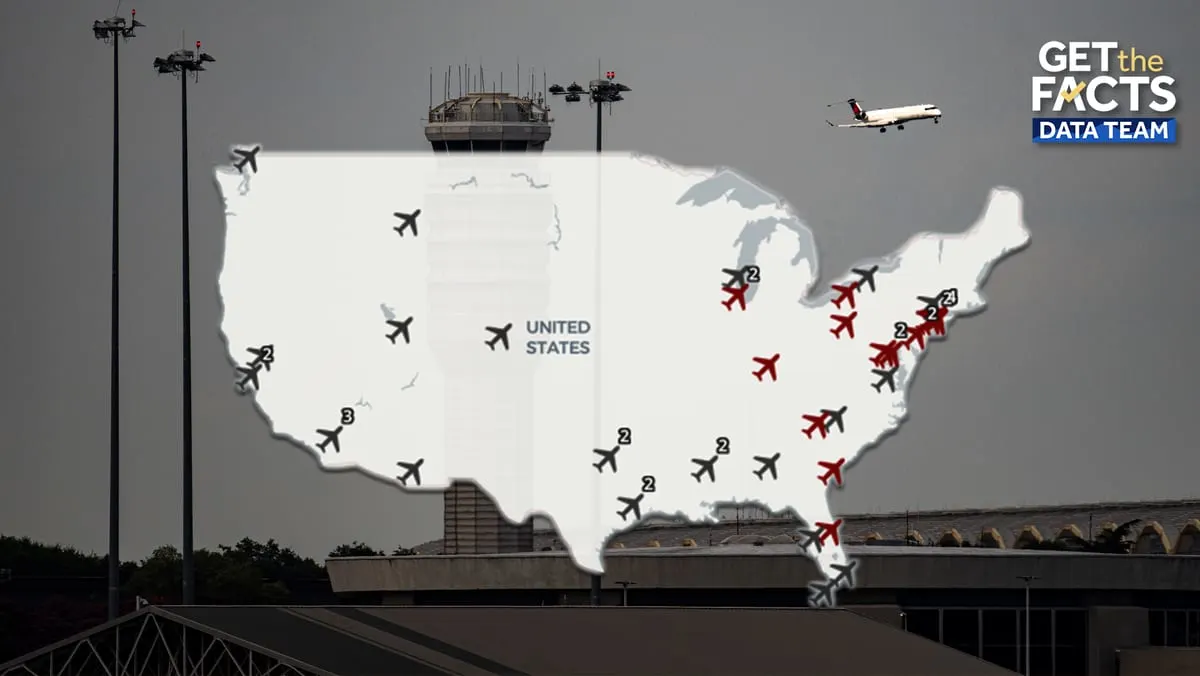
NTSB Safety Recommendations Lag Amid 6 Monthly Near-Misses
Approximately 6 near-miss incidents occur monthly at U.S. airports as 270 NTSB safety recommendations remain unaddressed by federal regulators.
NTSB Rejects FAA Safety Responses After 67-Fatality Crash
The NTSB labeled 11 FAA responses to 2025 DCA mid-air collision recommendations as unacceptable, citing the lack of a mandatory ADS-B In requirement.
EASA Orders Urgent Airbus A380 Wing Spar Inspections
The EASA ordered urgent inspections on 16 Airbus A380s after discovering wing spar cracks that could compromise structural integrity.
Ryanair Flight RK514 Diverts to Birmingham After Emergency
Ryanair flight RK514 diverted to Birmingham Airport on September 13, 2026, following a medical emergency involving a passenger.