Air India Express IX-1810 Gunfire Injures Two at Varanasi

Co-Founder & CTOCo-Founder & CTO driving the technology and data systems behind Omni Flights.
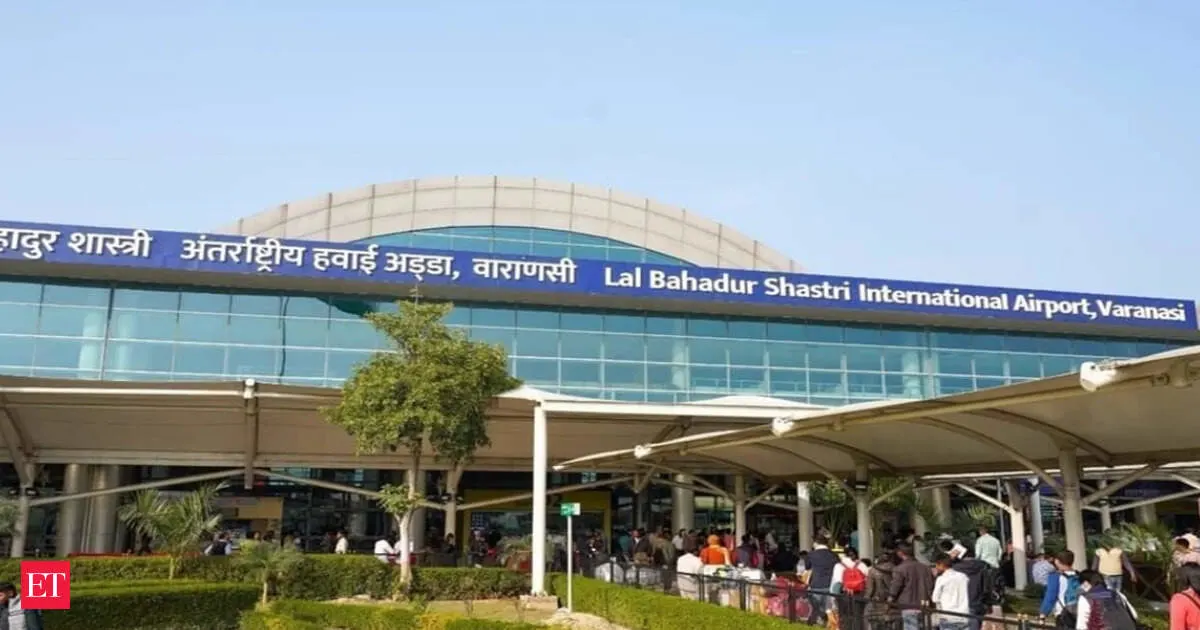
A passenger's weapon accidentally discharged during security checks for Air India Express IX-1810, injuring two screeners.
Key Takeaways
- •Accidental weapon discharge occurred at Varanasi Airport on August 16, 2026.
- •Two AAICLAS security screeners were injured by a ricocheting bullet.
- •Firearm was declared for Air India Express flight IX-1810 to Mumbai.
- •Bureau of Civil Aviation Security launched an investigation into the incident.
An accidental weapon discharge occurred during a security inspection at Lal Bahadur Shastri International Airport (VNS) in Varanasi on August 16, 2026, leading to a Varanasi airport accidental firing incident. The weapon, a licensed 7.62 mm pistol, belonged to a passenger scheduled to travel with his wife on Air India Express IX-1810 to Mumbai. During the mandatory safety screening of the declared firearm, the weapon discharged, leaving two AAICLAS security screeners injured by a ricocheting bullet.
The incident has triggered an immediate investigation by the Bureau of Civil Aviation Security (BCAS) into the handling protocols of declared civilian firearms at Indian airports. While the passenger had declared the weapon in accordance with standard check-in procedures, the accidental discharge highlights the ongoing operational safety risks associated with the physical inspection of firearms within terminal environments.
Details of the Varanasi Security Incident
According to a Ministry of Civil Aviation press release issued on August 16, 2026, the passenger presented the licensed 7.62 mm pistol along with 21 live cartridges for transport. Under Indian civil aviation guidelines, passengers are legally permitted to carry up to 50 cartridges in registered, checked baggage, provided they undergo rigorous verification and physical inspection before being loaded into the aircraft's cargo hold.
The discharge occurred while personnel from the AAI Cargo Logistics and Allied Services Company Limited (AAICLAS) were conducting the mandatory physical inspection of the firearm. A single round was fired from the weapon, and the bullet ricocheted off a hard surface, striking two security screeners.
Varanasi Airport Director Puneet Gupta confirmed the details of the incident and the immediate emergency response. "During the inspection of the weapon, a round was accidentally fired, injuring two AAICLAS screeners," Gupta stated. "Both were taken to New Laxmi Trauma Centre for treatment. Local police have been informed, and an investigation is underway."
Regulatory Protocols and Stakeholder Impact
The carriage of civilian weapons on commercial flights in India is strictly governed by the Bureau of Civil Aviation Security (BCAS) under AvSec Order No. 03/2022. This regulation dictates the precise procedure for the carriage of weapons and ammunition, requiring all firearms to be completely unloaded, declared at check-in, and transported exclusively within registered checked baggage.
The accidental discharge has had varying levels of impact across multiple industry stakeholders:
- AAICLAS: The impact on the ground handling and security agency is high, with two screeners sustaining gunshot wounds. This has led to immediate medical interventions and is expected to trigger a comprehensive review of weapon-handling safety protocols for frontline staff.
- BCAS: As the primary regulatory authority, the impact is medium. The agency must oversee a formal investigation to determine whether established firearm inspection procedures were violated or if the current safety framework requires systemic updates.
- Air India Express: The operational impact on the carrier was low, though flight IX-1810 faced minor localized disruptions as a result of the security incident. The airline is cooperating fully with local police and federal aviation authorities.
Safety Risks in Manual Weapon Screening Protocols
The incident at Varanasi highlights a critical vulnerability in the execution of civilian firearm carriage protocols. While aviation security frameworks are designed to prevent unauthorized weapons from entering the aircraft cabin, the physical verification of a weapon's status—ensuring it is completely unloaded—remains a manual and inherently hazardous process.
Industry trends indicate that while specialized screening areas are utilized to isolate declared weapons, the safety of these inspections relies heavily on the passenger having properly cleared the chamber before presenting the firearm. When a passenger fails to do so, security screeners are exposed to significant risk during manual handling. This event demonstrates that even strict regulatory frameworks like AvSec Order No. 03/2022 can be compromised by human error during the transition from passenger possession to secure baggage loading.
Pending BCAS Investigation and Safety Review
The Bureau of Civil Aviation Security is expected to complete its formal investigation into the accidental firearm discharge at Varanasi Airport by Late 2026. This safety report will analyze the exact sequence of events that led to the loaded weapon being handled by security staff and will likely recommend updated training or physical safety barriers, such as clearing barrels, at weapon declaration counters.
Operational Vulnerabilities in Airport Security
This incident underscores the critical importance of strict adherence to firearm clearing protocols before weapons enter airport terminals. For airport operators and security agencies, the event serves as a stark reminder that administrative compliance must be coupled with rigorous physical safety measures to protect frontline personnel. Ensuring that passengers and security staff strictly verify that chambers are clear will remain a priority for Indian aviation regulators.
Frequently Asked Questions
- What happened during the security check at Varanasi Airport?
- On August 16, 2026, a passenger's licensed 7.62 mm pistol accidentally discharged during a security inspection at Lal Bahadur Shastri International Airport, injuring two AAICLAS screeners.
- What are the rules for carrying firearms on commercial flights in India?
- Under BCAS AvSec Order No. 03/2022, passengers can carry declared, completely unloaded firearms and up to 50 cartridges in checked baggage.
- Which flight was affected by the Varanasi Airport firing incident?
- The incident involved a passenger scheduled to travel on Air India Express flight IX-1810 from Varanasi to Mumbai.
Get breaking commercial aviation news and expert airline analysis at omniflights.com. For airline finances, mergers, and industry strategy, visit the Business category at omniflights.com/business.
Written by Shashank Shukla
Co-Founder & CTO leading the engineering and AI systems behind Omni Flights. Covers aviation technology, flight safety, aircraft manufacturing, and emerging aerospace developments.
Visit ProfileYou Might Also Like
Discover more aviation news based on similar topics

Families Demand DCA Midair Collision Safety Reforms
Families of 67 victims from the 2025 DCA midair collision are pressing Congress for mandatory ADS-B In technology to prevent future aviation tragedies.
FAS Challenges AAIB Over Boeing 787 Safety Data
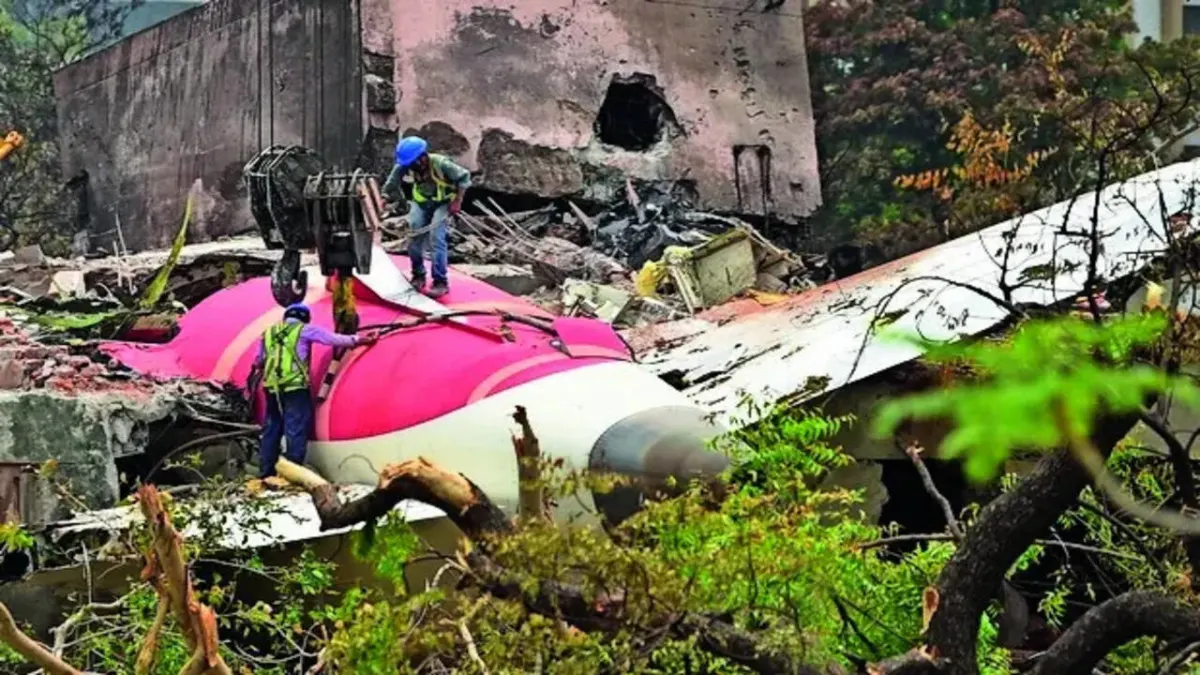
The Foundation for Aviation Safety is urging the AAIB to issue safety warnings for the Boeing 787 fleet following the fatal Air India 171 crash.
NTSB Safety Recommendations Lag Amid 6 Monthly Near-Misses
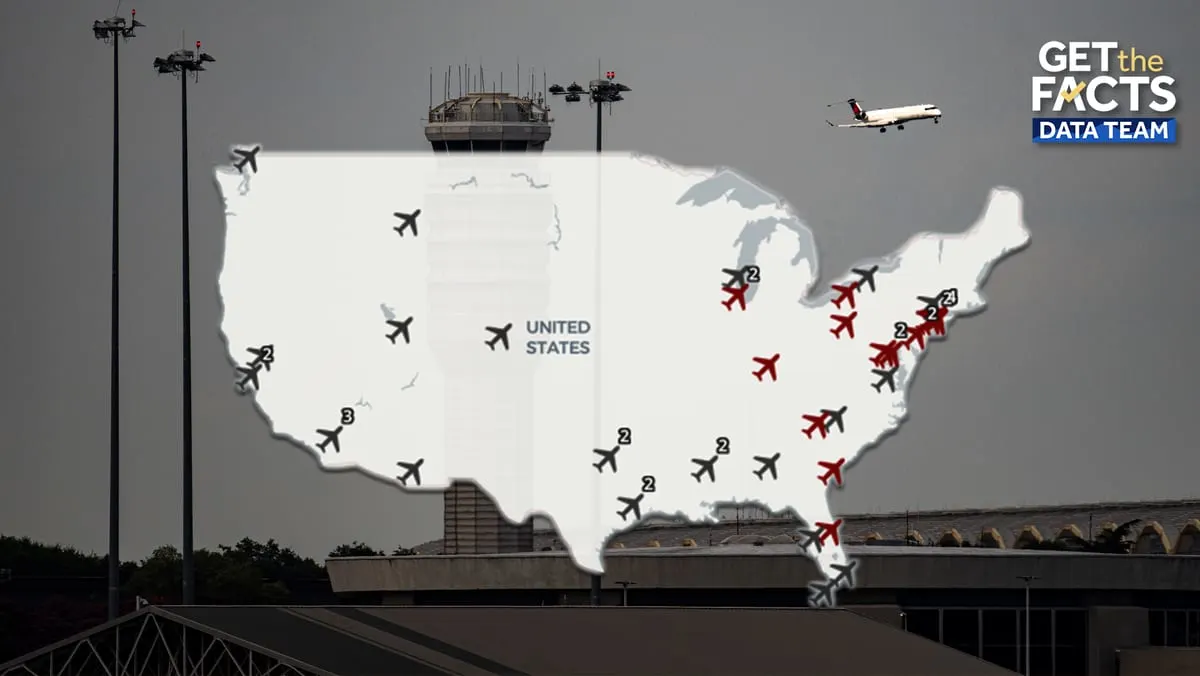
Approximately 6 near-miss incidents occur monthly at U.S. airports as 270 NTSB safety recommendations remain unaddressed by federal regulators.
NTSB Rejects FAA Safety Responses After 67-Fatality Crash
The NTSB labeled 11 FAA responses to 2025 DCA mid-air collision recommendations as unacceptable, citing the lack of a mandatory ADS-B In requirement.
EASA Orders Urgent Airbus A380 Wing Spar Inspections
The EASA ordered urgent inspections on 16 Airbus A380s after discovering wing spar cracks that could compromise structural integrity.
Ryanair Flight RK514 Diverts to Birmingham After Emergency
Ryanair flight RK514 diverted to Birmingham Airport on September 13, 2026, following a medical emergency involving a passenger.