Qantas A380 Flew Transpacific with Light in Wing

Co-Founder & CTOCo-Founder & CTO driving the technology and data systems behind Omni Flights.
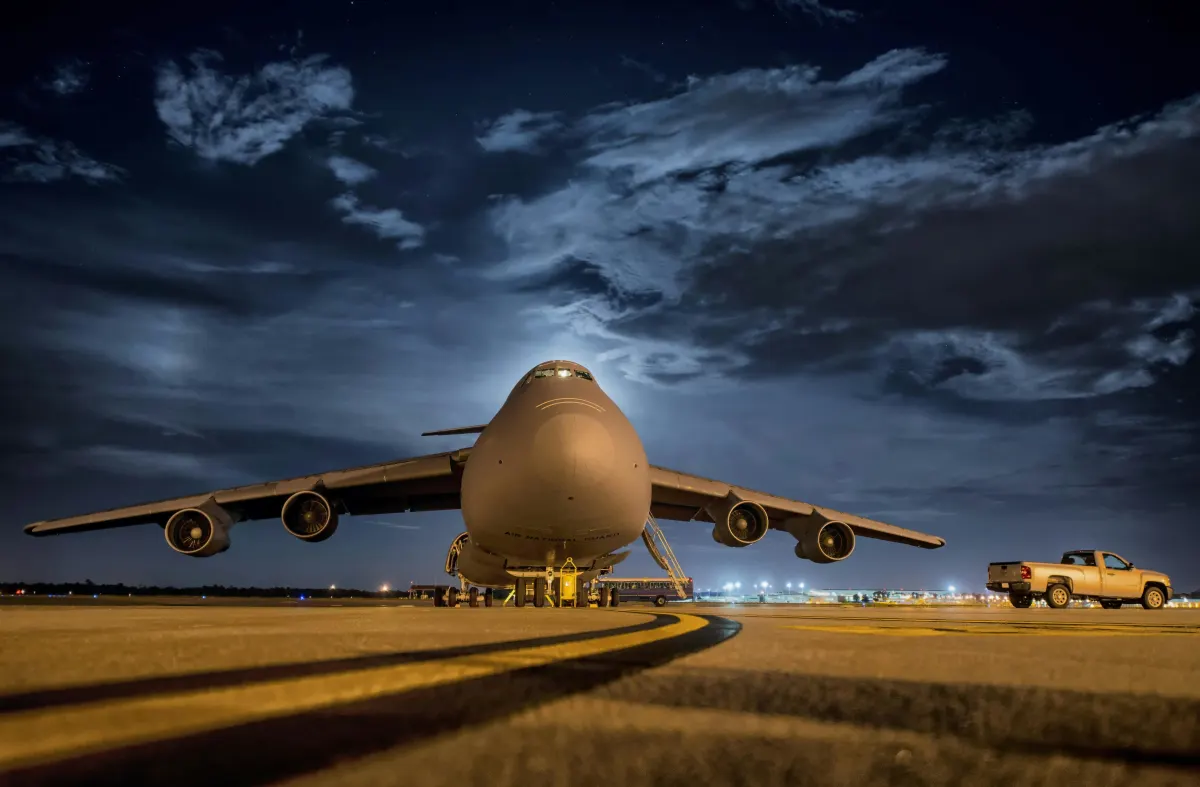
A Qantas A380 operated two transpacific flights with a maintenance light left inside its wing, exposing tool control gaps in an ATSB investigation.
Key Takeaways
- •Qantas Airbus A380 flew two transpacific flights with a light left in its wing.
- •ATSB investigation cites human error and system gaps in tool tracking.
- •Qantas Engineering overhauls tooling control following the January 2026 incident.
- •Analogous 2023 incident involved a tool left in another A380 engine for a month.
An ATSB tool control investigation has revealed critical gaps in tool tracking after a Qantas Airbus A380 operated with a lost maintenance light inside its left wing. The Qantas A380 maintenance incident involved aircraft registration VH-OQK, which completed two transpacific flight sectors between Sydney and Dallas Fort Worth before the tool was discovered. This occurrence highlights the ongoing challenge of managing Foreign Object Debris aviation risks during heavy maintenance turnarounds.
According to the Australian Transport Safety Bureau (ATSB) final investigation report AO-2026-004, released on August 17, 2026, the maintenance work light was left inside the aircraft's left wing during air conditioning maintenance on January 7, 2026. The aircraft subsequently flew from Sydney (SYD) to Dallas Fort Worth (DFW) and back, remaining unaccounted for inside the structure for approximately two days. The tool was only discovered upon the aircraft's return to Sydney on January 9, 2026.
Breakdowns in Tool Accountability
The investigation detailed that a licensed engineer issued a Certificate of Release to Service (CRS) despite the tool being missing. The ATSB found that maintenance personnel did not detect the light during foreign object clearance inspections at the conclusion of the maintenance. Furthermore, the tool's absence was not identified during the unreturned tool check at the end of the shift.
ATSB Chief Commissioner Angus Mitchell noted that the operator's maintenance information system lacked the necessary controls to alert certifying staff of the unreturned item. "Maintainers did not find the light during their foreign object clearance inspections at the end of the maintenance," Mitchell stated. "And the work light's absence was not noticed when the maintainer returned the tools, or during the unreturned tool check at the end of the shift. Contributing to this, the operator's maintenance information system did not provide a prompt or control to alert the certifier to the unreturned tool."
For Qantas Engineering, the high-severity impact of this incident requires immediate safety directives, an overhaul of tooling control processes, and the formation of a dedicated working group to integrate new tool-tracking technologies across its maintenance locations. Conversely, the ATSB faced a low-severity impact, allocating resources to conduct a Defined-level occurrence investigation and publish formal findings to address systemic maintenance vulnerabilities.
Historical Precedent of Fleet Tool Lapses
This occurrence is not an isolated event for the carrier's double-decker fleet. In December 2023, a highly analogous tool control failure occurred involving another Qantas Airbus A380, registration VH-OQI. In that precedent, a 1.25-meter turning tool was left inside an engine compressor case during maintenance at Los Angeles International Airport (LAX).
The aircraft subsequently operated 34 flight sectors over nearly a month before the tool was discovered. Following that event, Qantas issued internal safety directives requiring strict adherence to tool control, yet the January 2026 incident indicates that human-centric procedures remain vulnerable to lapses.
Systemic Gaps in Maintenance Information Systems
The transition from purely physical toolboxes to digital maintenance environments has exposed a critical gap in how airlines reconcile physical tools with digital records. The ATSB investigation highlights that relying solely on human memory and manual checks at shift handovers is insufficient for modern, high-tempo maintenance environments.
While MRO (Maintenance, Repair, and Overhaul) providers are increasingly adopting automated tool control systems, such as Radio Frequency Identification (RFID) tagging and digital locker alerts, these technologies must be integrated directly into the primary maintenance information systems. Without automated hard-blocks that prevent a Certificate of Release to Service from being generated while a tool remains checked out, human factors will continue to bypass traditional physical inspections. This incident accelerates the industry trend toward automated, software-enforced tool accountability to eliminate Foreign Object Debris (FOD) risks before aircraft dispatch.
Qantas Engineering Tooling Upgrades
Following the release of report AO-2026-004, Qantas Engineering is expected to implement a series of corrective actions. The airline's newly formed working group is tasked with reviewing maintenance information system alerts and evaluating RFID-based tool-tracking solutions.
These technological integrations are expected to undergo trial phases at major maintenance hubs, including Sydney and Los Angeles, by late 2026. The ATSB will monitor the implementation of these corrective actions as part of its safety recommendation tracking process, though a finalized completion date for the fleet-wide rollout has not been publicly declared.
Why Tool Accountability Matters for Fleet Safety
This incident underscores the critical importance of robust tool control in preventing catastrophic foreign object damage to commercial aircraft. For aviation professionals, it demonstrates that even minor procedural lapses during routine maintenance can result in heavy tools traveling undetected inside flight-critical structures across oceans. Ensuring automated accountability in the hangar is vital to maintaining the structural integrity of ultra-long-haul fleets.
Frequently Asked Questions
- How long was the maintenance light left inside the Qantas A380 wing?
- The maintenance work light remained inside the left wing of the Qantas Airbus A380 for approximately two days, spanning two transpacific flights between Sydney and Dallas Fort Worth.
- What did the ATSB identify as a contributing factor in the Qantas A380 tool incident?
- The Australian Transport Safety Bureau identified that the operator's maintenance information system did not provide alerts or controls to warn the certifying engineer about the unreturned tool.
- Has Qantas experienced similar tool control failures in the past?
- Yes. In December 2023, a 1.25-meter turning tool was left inside the engine of another Qantas Airbus A380 (VH-OQI) during maintenance at LAX, and the aircraft flew 34 sectors before it was found.
Visit omniflights.com for the latest commercial aviation news and airline industry updates. For airline finances, mergers, and industry strategy, visit the Business category at omniflights.com/business.
Written by Shashank Shukla
Co-Founder & CTO leading the engineering and AI systems behind Omni Flights. Covers aviation technology, flight safety, aircraft manufacturing, and emerging aerospace developments.
Visit ProfileYou Might Also Like
Discover more aviation news based on similar topics

Families Demand DCA Midair Collision Safety Reforms
Families of 67 victims from the 2025 DCA midair collision are pressing Congress for mandatory ADS-B In technology to prevent future aviation tragedies.
FAS Challenges AAIB Over Boeing 787 Safety Data
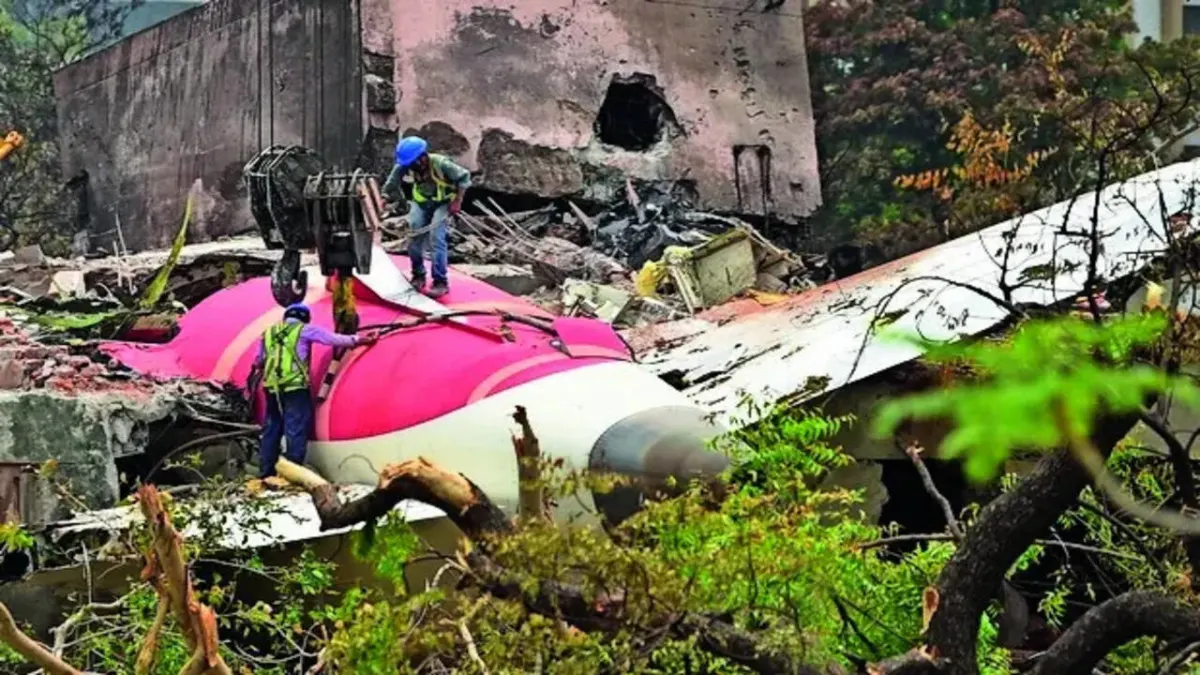
The Foundation for Aviation Safety is urging the AAIB to issue safety warnings for the Boeing 787 fleet following the fatal Air India 171 crash.
NTSB Safety Recommendations Lag Amid 6 Monthly Near-Misses
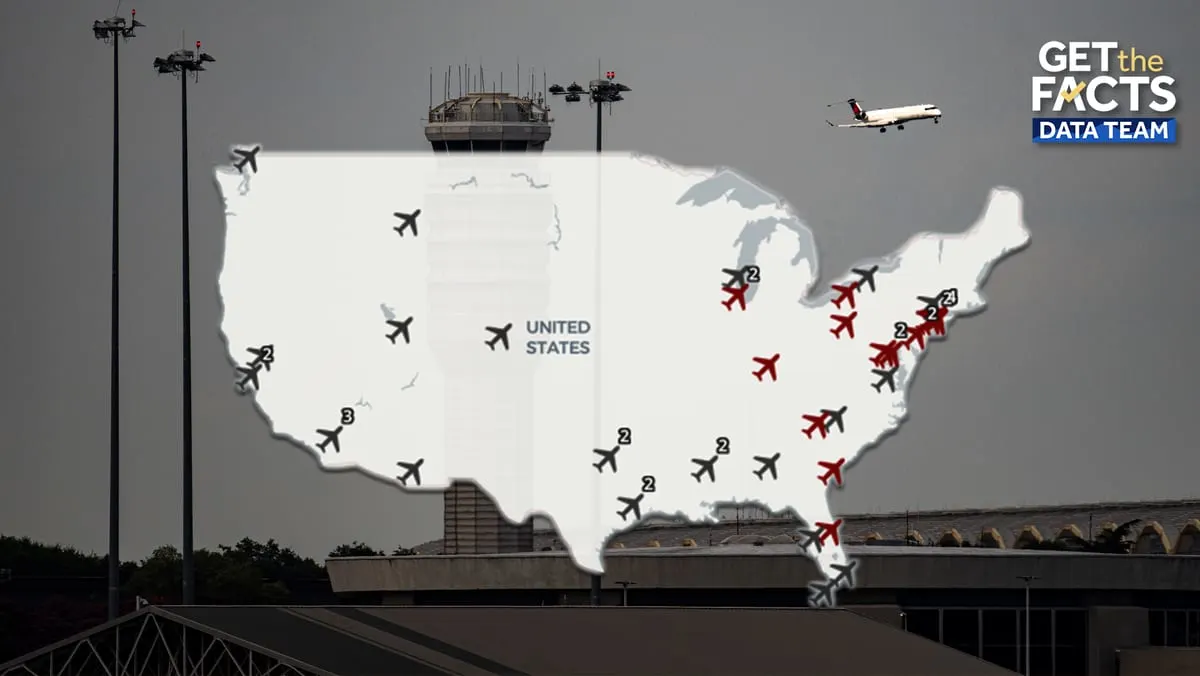
Approximately 6 near-miss incidents occur monthly at U.S. airports as 270 NTSB safety recommendations remain unaddressed by federal regulators.
NTSB Rejects FAA Safety Responses After 67-Fatality Crash
The NTSB labeled 11 FAA responses to 2025 DCA mid-air collision recommendations as unacceptable, citing the lack of a mandatory ADS-B In requirement.
EASA Orders Urgent Airbus A380 Wing Spar Inspections
The EASA ordered urgent inspections on 16 Airbus A380s after discovering wing spar cracks that could compromise structural integrity.

Ryanair Flight RK514 Diverts to Birmingham After Emergency
Ryanair flight RK514 diverted to Birmingham Airport on September 13, 2026, following a medical emergency involving a passenger.