United Airlines Receives First iMTOW Boeing 787-9

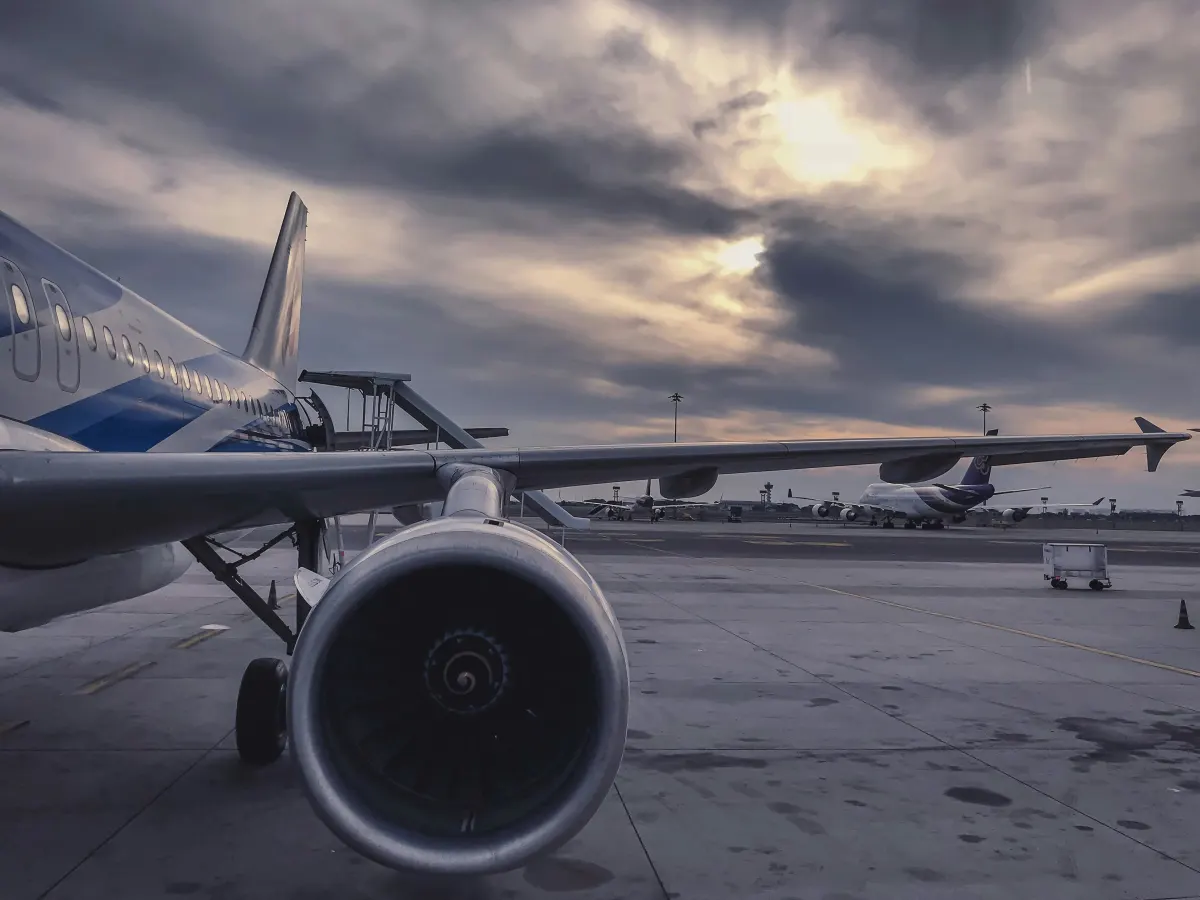
United Airlines has taken delivery of its first Boeing 787-9 with an Increased Maximum Takeoff Weight, boosting payload and range for long-haul routes.
Key Takeaways
- •United Airlines received the first iMTOW Boeing 787-9 in May 2026.
- •FAA certification adds 10,000 lbs to the 787-9 maximum takeoff weight.
- •Upgrade provides 300 nautical miles more range or 3 metric tons more payload.
- •Air New Zealand expects its first iMTOW 787-9 delivery in late 2026.
United Airlines Operates First iMTOW 787-9
United Airlines has taken delivery of the first Boeing 787-9 featuring an Increased Maximum Takeoff Weight (iMTOW), a significant performance enhancement for the carrier's widebody fleet. This delivery marks the entry into service for the upgraded variant, which aims to optimize operational flexibility on the airline's most demanding long-haul networks. The aircraft is already performing scheduled revenue service on high-yield routes, including connections between San Francisco International Airport (SFO) and London Heathrow Airport (LHR), as well as the ultra-long-haul transpacific service to Singapore Changi Airport (SIN).
FAA Certification and Performance Gains
The Federal Aviation Administration (FAA) officially granted the iMTOW certification in March 2026, a move that validates the structural enhancements integrated into the Boeing 787 airframe. According to official Boeing specifications, this certification increases the 787-9's maximum takeoff weight by 10,000 lbs, raising the total to 571,500 lbs (259.2 metric tons). The FAA Newsroom confirms that these regulatory updates apply to all airframes assembled from December 2025 onward, ensuring that the structural integrity meets the requirements for the higher weight limits.
For operators, the upgrade translates into substantial performance gains. The iMTOW configuration provides the 787-9 with approximately 300 nautical miles of additional range or, alternatively, 3 metric tons of extra payload capacity. This flexibility is critical for United Airlines, as it allows the carrier to mitigate payload penalties on weight-restricted routes where fuel requirements for long-distance flying previously necessitated limiting passenger or cargo capacity.
Competitive Dynamics and Industry Trends
The introduction of the iMTOW program reflects a broader industry trend where airlines prioritize incremental performance upgrades to existing platforms to maximize profitability. By enhancing the 787-9 and 787-10—the latter of which received a 14,000 lbs increase to a new total of 574,000 lbs—Boeing is positioning the Dreamliner to more aggressively compete with the payload-range capabilities of the Airbus A350-900. While analysts note that the upgrade does not entirely close the gap with the A350 in every segment, it significantly strengthens the 787's value proposition for ultra-long-haul network expansion.
787-9 Weight Variants: Key Specifications
| Metric | iMTOW Variant | Standard Variant |
|---|---|---|
| MTOW | 571,500 lbs | 561,500 lbs |
| Additional Range | +300 nm | Baseline |
| Additional Payload | +3 metric tons | Baseline |
Historical Context for Weight Upgrades
The industry has long utilized MTOW adjustments as a strategy for fleet optimization. In 2020, the European Union Aviation Safety Agency (EASA) certified an increased MTOW for the Airbus A330-900neo, which unlocked an additional 650 nautical miles of range. Similarly, the 2017 upgrade of the Airbus A350-900 to 280 tonnes enabled ultra-long-haul routes that were previously operationally unfeasible. The current Boeing initiative follows this established pattern, providing airlines with the tools to adapt existing aircraft to evolving market demands without the capital expenditure of introducing entirely new designs.
What Comes Next for the iMTOW Program
Following the successful deployment with United Airlines, Boeing is expected to continue the rollout of the iMTOW variant across its global customer base. The next major milestone in this program is the delivery of the first iMTOW-equipped 787-9 to Air New Zealand, which is currently expected to occur in late 2026. As more of these aircraft enter service, airport authorities at major hubs like SFO, LHR, and SIN will likely see shifts in landing fee revenues, which are typically indexed to an aircraft's certified MTOW.
Why This Matters for Long-Haul Economics
For airlines, the ability to carry more payload on ultra-long-haul routes directly impacts the bottom line by increasing revenue potential per flight. By enabling carriers to avoid the difficult trade-off between fuel weight and passenger or cargo capacity, the iMTOW upgrade offers a vital enabler for network strategy. This development signals that the competition for long-haul efficiency is increasingly focused on maximizing the utility of existing twin-aisle platforms.
Frequently Asked Questions
- What is the primary benefit of the iMTOW upgrade for the Boeing 787-9?
- The iMTOW upgrade increases the aircraft's maximum takeoff weight by 10,000 lbs, allowing for approximately 300 nautical miles of additional range or 3 metric tons of extra payload capacity.
- Which airlines have received the iMTOW-certified Boeing 787-9?
- United Airlines received the first iMTOW-certified Boeing 787-9 in May 2026, with Air New Zealand expected to receive its first delivery in late 2026.
Stay ahead of the airline industry with commercial aviation news from omniflights.com. Stay informed on aviation incidents, investigations, and best practices in the Safety category at omniflights.com/safety.

Written by Hardik Vishwakarma
Co-Founder & Aviation News Editor leading initiatives that improve trust and visibility across the global aviation industry. Covers airlines, airports, safety, and emerging technology.
Visit ProfileYou Might Also Like
Boeing Reports 161 Commercial Deliveries for Q3 2026

GE Aerospace Plans to Double India Supplier Spend by 2030
Boeing Tests MUM-T Software for MQ-25A and F/A-18 Teaming

COMAC C919 Faces Production Delays Amid US Export Curbs
Boeing Awarded $14.7B Contract for PAC-3 Missile Seekers