Electra Selects Safran TG600 for EL9 Hybrid-Electric Fleet

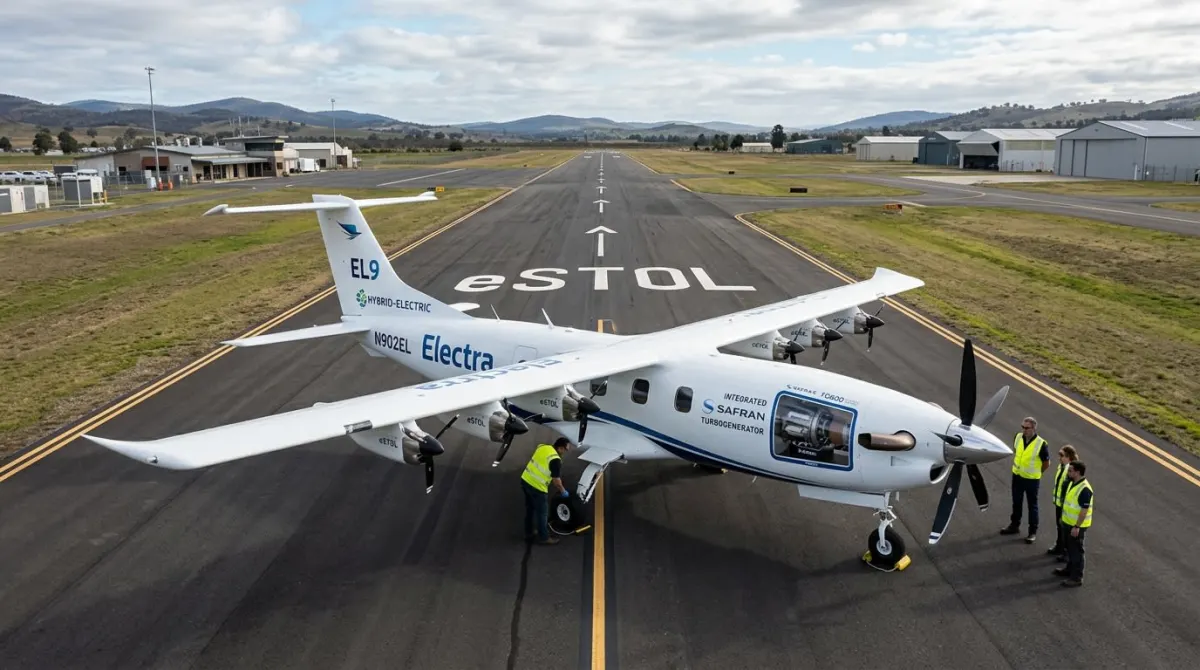
Electra finalized a life-of-program deal with Safran for 250 TG600 turbogenerators to power its EL9 hybrid-electric aircraft starting in 2029.
Key Takeaways
- •Electra orders 250 Safran TG600 turbogenerators for the EL9 aircraft.
- •EL9 eSTOL aircraft requires only 150 feet for takeoff and landing.
- •Backlog exceeds 2,200 pre-orders from over 60 commercial operators.
- •Commercial entry into service is targeted for 2029 to 2030.
Electra Finalizes Propulsion Supply for EL9 Program
Electra.aero and Safran Helicopter Engines have finalized a life-of-program agreement to supply the Safran TG600 turbogenerator for the upcoming Electra EL9 aircraft. This partnership marks a critical milestone for hybrid-electric aviation and the broader Advanced Air Mobility (AAM) sector, providing the power density required for the EL9's unique operational profile. The agreement includes an initial firm order for 250 units, signaling a significant shift toward scalable, sustainable regional connectivity.
Operational Impact and Market Positioning
The EL9 is a nine-passenger Electric Short Takeoff and Landing (eSTOL) aircraft designed to operate from runways as short as 150 feet. By utilizing blown-lift technology, the aircraft can access non-traditional infrastructure, such as small regional airfields or underutilized paved surfaces, that are inaccessible to conventional aircraft. According to Electra corporate data, the company has already amassed a backlog of over 2,200 aircraft pre-orders from more than 60 commercial operators, highlighting strong market demand for the aircraft's capability to bridge the gap between vertical-takeoff-only aircraft and traditional regional planes.
Technical Specifications and Propulsion Architecture
The TG600 turbogenerator is a 600 Kilowatt (kW) system based on the proven Arrano engine core. It serves as the primary power source for the EL9's hybrid-electric propulsion system, which pairs the turbine with electric motors to provide the necessary thrust for short-field operations. This hybrid architecture is designed to optimize fuel efficiency and emissions while maintaining the payload and range capabilities necessary for commercial viability. The move toward hybrid systems allows manufacturers to bypass the current payload and range constraints inherent in pure battery-electric designs.
EL9 vs. Traditional eVTOLs and Helicopters
| Metric | EL9 eSTOL | Traditional eVTOL |
|---|---|---|
| Takeoff Distance | 150 feet | 0 feet (vertical) |
| Payload/Range | 2.5x payload vs eVTOL | 10x longer range vs eVTOL |
| Operating Costs | 70% lower than helicopters | Varies by design |
Regulatory and Development Path
The EL9 is currently pursuing Federal Aviation Administration (FAA) Part 23 Type Certification. The G-1 issue paper has been closed, which formally establishes the certification basis for the aircraft. Marc Allen, CEO of Electra, stated that the Safran partnership is a defining step forward for the company, noting that Safran's technical leadership is critical to bringing the EL9 to market. While the hybrid-electric design offers a path to immediate regional utility, some environmental advocates have raised concerns that the continued reliance on gas turbines delays the transition to fully zero-emission propulsion systems.
What Comes Next: Flight Testing and Certification
Electra is accelerating its development timeline with first test flights of the EL9 expected in 2027. Following the flight test campaign, the program is targeting FAA certification and entry into commercial service between 2029 and 2030. These milestones are essential for validating the aircraft's performance in real-world conditions and finalizing the production configuration for the initial 250-unit order.
Why This Matters for the AAM Industry
This agreement solidifies Safran's role as a dominant propulsion provider in the emerging AAM market, mirroring its strategic push seen in earlier partnerships like the 2019 Bell Nexus concept. For regional operators, the EL9 represents a potential shift in network economics, allowing for the activation of thousands of non-traditional airfields. The success of this propulsion integration will likely serve as a benchmark for other developers seeking to balance the environmental benefits of electrification with the operational rigors of commercial aviation.
Frequently Asked Questions
- What is the takeoff distance required for the Electra EL9?
- The Electra EL9 is designed to take off and land in spaces as short as 150 feet, enabling operations at non-traditional airfields.
- How much power does the Safran TG600 turbogenerator provide?
- The Safran TG600 turbogenerator provides 600 kilowatts of electrical power to the EL9's propulsion system.
- When is the Electra EL9 expected to enter commercial service?
- Electra is targeting Federal Aviation Administration Part 23 certification and commercial entry into service between 2029 and 2030.
omniflights.com provides comprehensive commercial aviation news covering airlines, aircraft, and airports. Discover how innovation is shaping aviation through aircraft systems, avionics, and digital tools at omniflights.com/technology.

Written by Shashank Shukla
Co-Founder & CTO leading the engineering and AI systems behind Omni Flights. Covers aviation technology, flight safety, aircraft manufacturing, and emerging aerospace developments.
Visit ProfileYou Might Also Like

GE Aerospace Plans to Double India Supplier Spend by 2030
Boeing Tests MUM-T Software for MQ-25A and F/A-18 Teaming

COMAC C919 Faces Production Delays Amid US Export Curbs

Boeing Awarded $14.7B Contract for PAC-3 Missile Seekers

Boeing 777X Testing Spills Into 2027 Amid Certification Hurdles