Airbus A220 Engine Crisis to End by Late 2026

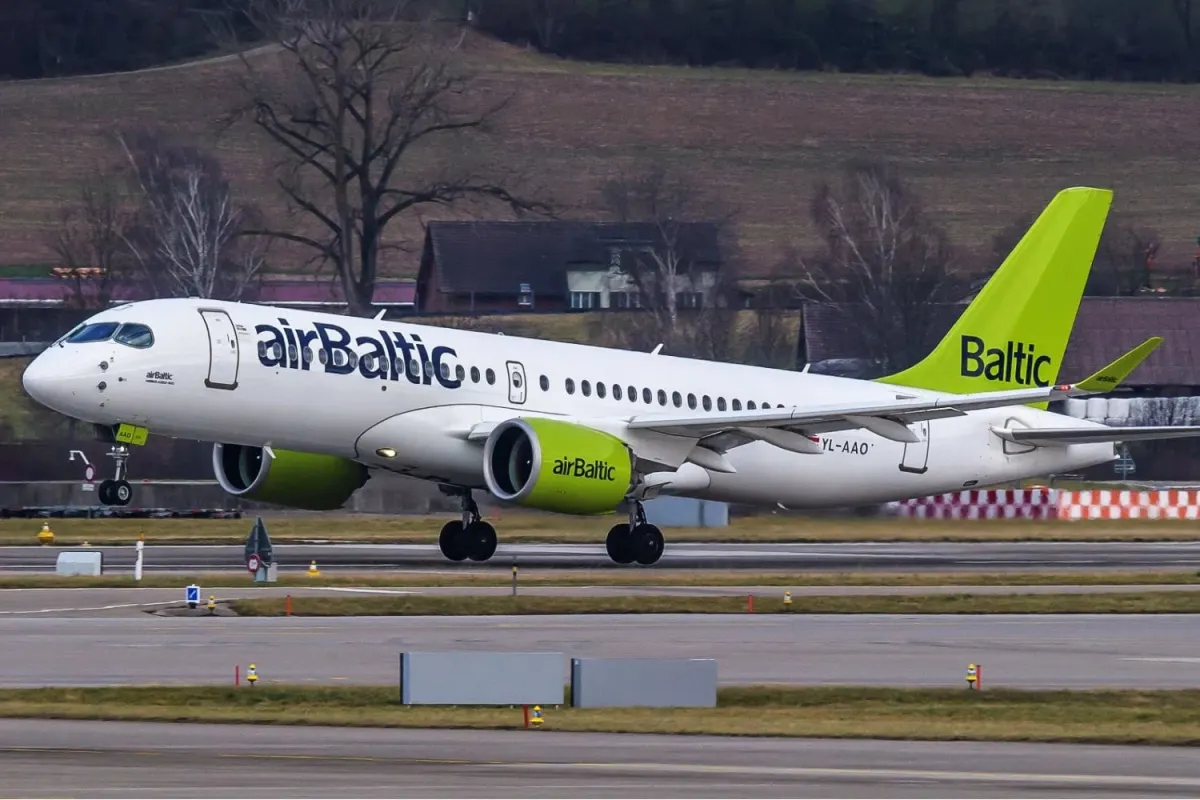
Airbus expects A220 engine groundings to resolve by late 2026 as global aircraft-on-ground rates drop to 2% to 3% following MRO expansion.
Key Takeaways
- •Airbus projects A220 GTF engine crisis will resolve fully by late 2026.
- •Global A220 aircraft-on-ground rates fell from 17% to just 2% to 3%.
- •Pratt & Whitney faces a €150 million damage claim from ITA Airways.
- •MRO capacity increases and design updates resolved the supply backlog.
The long-standing Airbus A220 GTF engine reliability crisis is projected to end by late 2026, following a major recovery in global aircraft on ground (AOG) rates. Airbus and Pratt & Whitney expect the technical disruptions affecting the Pratt & Whitney PW1500G engine family to be fully resolved within this timeframe. This stabilization marks a critical turning point for A220 engine reliability and the broader narrowbody market.
The operational recovery follows a significant drop in fleet groundings, which peaked at approximately 17% of the global A220 fleet in late 2025. Increased investments in Maintenance, Repair, and Overhaul (MRO) capacity and supply chain stabilization have accelerated engine turnaround times. For airlines that have struggled with capacity constraints, the resolution of these engine issues will restore scheduled flight operations and eliminate the need for costly wet-lease agreements.
Rapid Drop in Grounded Fleet Metrics
According to an Airbus Canada media briefing held in Airbus Canada Mirabel, the operational crisis is effectively over. Guillaume Chevasson, the Head of the A220 program and Chief Executive Officer of Airbus Canada, confirmed that the current global AOG rate due to Geared Turbofan (GTF) issues has dropped to just 2% to 3% of the active fleet. He noted that technical issues affecting the fleet are now close to zero, with the engine performing near the reliability benchmarks established by the larger Airbus A320 family.
The root of the crisis traces back to a GTF powder metal issue that prompted regulatory action. The Federal Aviation Administration (FAA) issued Airworthiness Directive US-2024-06-04, which mandated accelerated inspections of the PW1500G high-pressure turbine hubs and compressor disks due to potential powder metal contamination. These strict inspection requirements created a massive bottleneck at specialized engine shops, leaving dozens of aircraft without functional powerplants.
While Airbus and Pratt & Whitney report that the operational challenges are subsiding, the financial fallout remains a point of contention. Several airlines are aggressively pursuing compensation for past disruptions. For instance, ITA Airways is seeking approximately €150 million in damages from Pratt & Whitney through legal filings, citing severe schedule disruptions and the need to secure alternative capacity. Major operators like Swiss and airBaltic have also faced high-severity impacts, though the recovery of fleet capacity will now allow them to phase out expensive wet-leases.
Historical Precedents and Exclusivity Pressures
The GTF crisis mirrors previous engine durability challenges in the commercial aviation industry. Between 2018 and 2020, the Rolls-Royce Trent 1000 engine durability crisis on the Boeing 787 resulted in extensive fleet groundings and delayed deliveries. In that case, Rolls-Royce was forced to redesign turbine blades and invest heavily in MRO infrastructure to clear the backlog—a recovery trajectory that closely resembles Pratt & Whitney's recent efforts to stabilize the PW1500G program.
However, the A220 program faced unique risks due to its engine exclusivity. Unlike other narrowbody aircraft that offer operators a choice of powerplants, the A220 relies solely on a single engine family.
Engine Exclusivity vs Options: Key Specifications
| Metric | Airbus A220 | Airbus A320neo |
|---|---|---|
| Engine Exclusivity vs Options | Exclusive to Pratt & Whitney PW1500G | Choice of Pratt & Whitney PW1100G or CFM LEAP-1A |
Inside the Geared Turbofan Durability Recovery
This development indicates that the aerospace supply chain is finally absorbing the shock of post-pandemic disruptions and technical setbacks. Historically, engine durability crises follow a predictable cycle of regulatory intervention, MRO bottlenecking, and eventual engineering resolution. The rapid reduction in the A220 AOG rate from 17% to under 3% in less than a year suggests that Pratt & Whitney's industrial ramp-up has successfully bypassed the prolonged recovery curves seen in prior decades. By resolving the powder metal contamination and expanding MRO throughput, the manufacturer has safeguarded the long-term viability of the A220 platform. This stabilization allows Airbus to shift its focus back to increasing production rates at its Mirabel and Mobile assembly lines, aligning with broader industry trends of narrowbody fleet renewal.
The Path to Zero Groundings by Late 2026
The primary milestone remaining for the program is achieving zero A220 aircraft grounded due to GTF engine availability. This milestone is expected by late 2026, according to joint projections from Airbus and Pratt & Whitney. Over the next several months, MRO facilities will continue processing the remaining PW1500G engines requiring the mandated powder metal inspections. While the operational crisis is largely resolved, legal and financial negotiations between RTX (the parent company of Pratt & Whitney) and affected carriers will continue as airlines seek to recoup the losses incurred during the peak grounding period of late 2025.
Why Fleet Stabilization Matters for Operators
For the global aviation industry, the resolution of the GTF crisis restores confidence in one of the most fuel-efficient narrowbody platforms on the market. It allows key operators to stabilize their networks, reduce reliance on costly wet-leases, and proceed with long-term fleet planning. Furthermore, it clears a significant regulatory and operational hurdle for Airbus as it seeks to secure new orders for the A220 family.
Frequently Asked Questions
- When will the Airbus A220 engine reliability issues be resolved?
- Airbus and Pratt & Whitney expect the A220 Geared Turbofan (GTF) engine issues to be fully resolved by late 2026, following significant improvements in maintenance capacity and parts supply.
- How much did the A220 aircraft-on-ground rate improve?
- The global aircraft-on-ground (AOG) rate for the A220 fleet fell from a peak of approximately 17% in late 2025 to between 2% and 3% by mid-2026.
- Why were so many Airbus A220 engines grounded?
- The groundings were primarily caused by a powder metal contamination issue in the Pratt & Whitney PW1500G engines, which triggered mandatory FAA safety inspections and created MRO shop bottlenecks.
omniflights.com provides comprehensive commercial aviation news covering airlines, aircraft, and airports. Discover how innovation is shaping aviation through aircraft systems, avionics, and digital tools at omniflights.com/technology.

Written by Shashank Shukla
Co-Founder & CTO leading the engineering and AI systems behind Omni Flights. Covers aviation technology, flight safety, aircraft manufacturing, and emerging aerospace developments.
Visit ProfileYou Might Also Like

GE Aerospace Plans to Double India Supplier Spend by 2030
Boeing Tests MUM-T Software for MQ-25A and F/A-18 Teaming
COMAC C919 Faces Production Delays Amid US Export Curbs

Boeing Awarded $14.7B Contract for PAC-3 Missile Seekers

Boeing 777X Testing Spills Into 2027 Amid Certification Hurdles