United Airlines Adds Headphone Mandate to Contract of Carriage

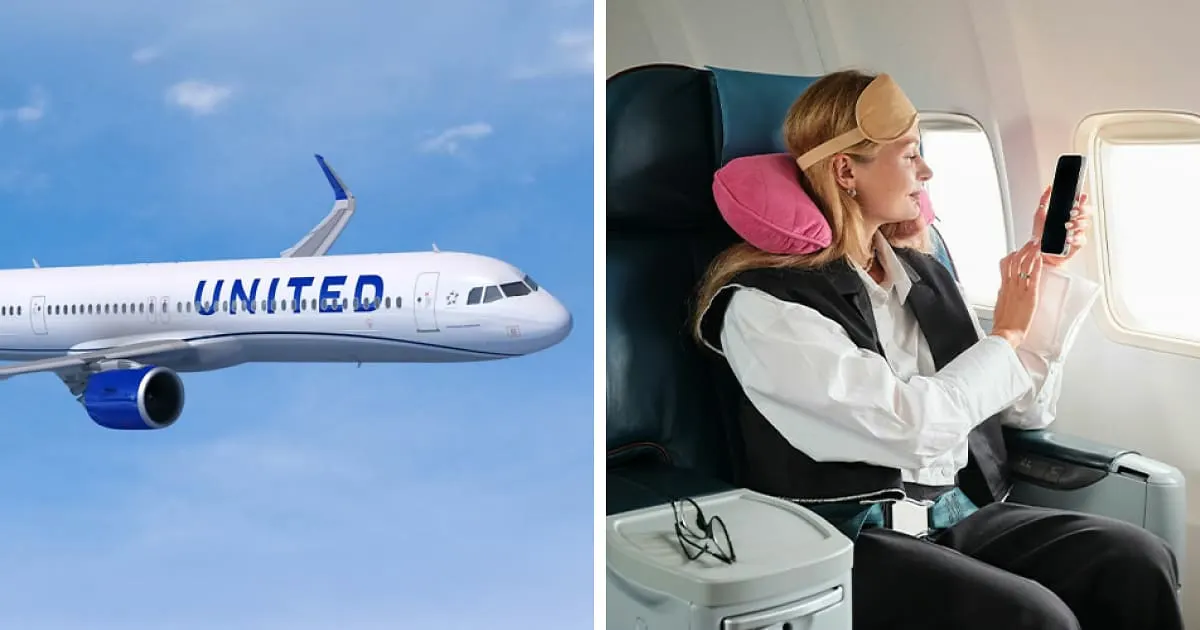
United Airlines updated its contract of carriage to require headphone use for audio, making a common courtesy an enforceable rule to curb passenger disruptions.
Key Takeaways
- •Formalizes headphone use in its Contract of Carriage as of Feb. 27, 2026.
- •Grants crew authority to remove or ban passengers for non-compliance under Rule 21.
- •Addresses potential for rising in-flight noise as Starlink Wi-Fi expands streaming.
- •Reflects an industry trend of codifying etiquette to combat disruptive passenger behavior.
In a move to address a common source of in-flight friction, United Airlines has formally updated its governing passenger agreement to mandate the use of headphones for all audio and video content consumed on personal devices. The change, effective February 27, 2026, codifies a long-standing point of etiquette into an enforceable policy within the airline's Contract of Carriage, signaling a proactive approach to managing disruptive passenger behavior.
The new airline passenger conduct policy is now part of Rule 21, 'Refusal of Transport', which gives the carrier the legal authority to deny boarding, deplane a passenger, or ban them from future flights for non-compliance. This update comes as airlines continue to navigate the operational challenges posed by unruly passengers, a problem that has remained elevated since 2021.
According to a United spokesperson, the timing of the rule change is linked to the airline's technological upgrades. "With the expansion of Starlink, it seemed like a good time to make that even clearer by adding it to the contract of carriage," the spokesperson stated. The increased availability of high-speed Wi-Fi is expected to drive more passengers to stream content on their personal devices, heightening the potential for noise-related conflicts.
The Regulatory Backdrop
United's policy change exists within a heightened regulatory environment established by the FAA (Federal Aviation Administration). On January 13, 2021, the agency implemented a zero-tolerance policy in response to a dramatic spike in disruptive incidents. Under this policy, the FAA can propose civil penalties of up to $37,000 per violation. While the rate of incidents has declined significantly from its peak, the issue remains a key focus for regulators and crew members.
According to official FAA data, there were 2,031 unruly passenger incidents reported in 2023. Although this figure represents a decrease of over 80% from the record high of 5,973 incidents in 2021, it is still substantially higher than pre-pandemic levels. Federal law under 49 U.S.C. § 46504 also makes it a crime to interfere with the duties of a crewmember, with penalties that can include fines and imprisonment.
A Voice for the Crew
Flight attendant unions have been vocal advocates for stricter enforcement and clearer policies to protect crew and passengers. A 2021 survey by the AFA-CWA (Association of Flight Attendants-CWA) revealed the scale of the problem, with 85% of respondents reporting they had dealt with unruly passengers that year. The same survey found that 17% of flight attendants had experienced a physical incident.
Sara Nelson, President of the AFA-CWA, has emphasized the severity of the situation. "The vitriol, verbal and physical abuse from a small group of passengers is completely out of control, and is putting other passengers and flight crew at risk," Nelson stated. Unions like the AFA-CWA have consistently called for a permanent zero-tolerance policy and the creation of a national banned-passenger list to prevent offenders from simply flying on another carrier.
From Courtesy to Contract
United is the first major U.S. airline to make headphone use a formal, enforceable part of its contract of carriage. While other airlines encourage the practice through pre-flight announcements and on-board reminders, United's decision to embed it in its legal contract provides cabin crew with clear authority to act. This proactive step aims to de-escalate potential conflicts over noise before they escalate into more serious confrontations that could be classified as unruly behavior.
The move reflects a broader industry trend of codifying what was once considered common courtesy into explicit policy. As personal devices become the primary source of in-flight entertainment for many travelers, airlines are increasingly defining the rules of engagement to ensure a consistent and less disruptive cabin environment for all passengers.
Why This Matters
This policy update by United Airlines signifies a tactical shift in how carriers manage the cabin environment. By embedding a simple rule of etiquette into its legal Contract of Carriage, the airline is empowering its crew to pre-emptively address a common source of passenger conflict. This move could set a precedent for other carriers, transforming unspoken social norms of air travel into clearly defined and enforceable regulations to enhance safety and passenger comfort.
Stay ahead of the airline industry with commercial aviation news from omniflights.com. Follow aviation sustainability efforts, emissions research, and green initiatives in the Environmental section at omniflights.com/environmental.

Written by Ujjwal Sukhwani
Aviation News Editor & Industry Analyst delivering clear coverage for a worldwide audience. Covers flight operations, safety regulations, and market trends with expert analysis.
Visit ProfileYou Might Also Like
Southwest Reports Record Q3 Revenue Amid Transformation
American Airlines Reports Record Q3 Revenue Amid Fuel Costs
American Airlines Projects 2026 Loss on Rising Fuel Costs
American Airlines to Nearly Triple Premium 787-9 Fleet
Airline Shares Rise Following United Revenue Guidance