SAS SK969 Diverts After Missing India Airspace Clearance

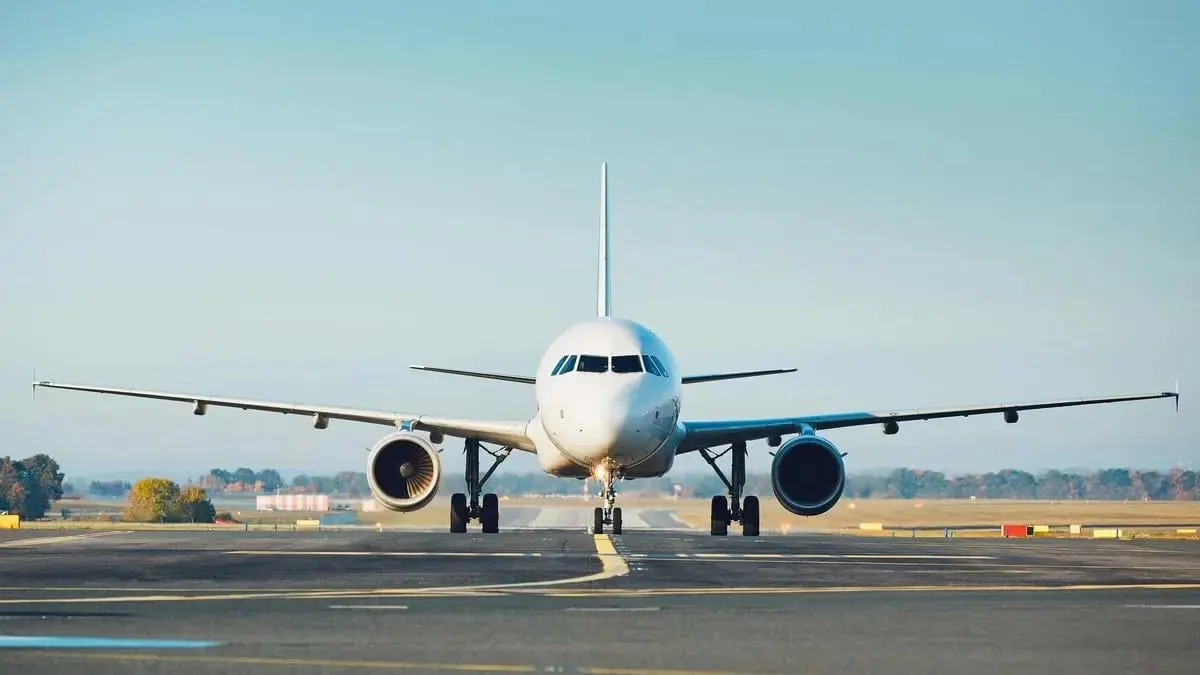
Scandinavian Airlines System flight SK969 returned to Copenhagen after failing to secure necessary regulatory clearance from the Indian DGCA.
Key Takeaways
- •SAS flight SK969 returned to Copenhagen after missing Indian airspace clearance.
- •The 8-hour flight was the first SAS service to India in 17 years.
- •DGCA clearance was expected mid-flight but failed to materialize.
- •SAS plans to resume the 5-times-weekly Mumbai route pending final approvals.
SAS Operations Disrupted by Regulatory Oversight
Scandinavian Airlines System (SAS) experienced a significant operational disruption on June 2, 2026, when its inaugural flight to Mumbai, India, was forced to return to its point of origin. The SAS Copenhagen Mumbai flight (SK969) departed from Copenhagen Airport (CPH) but was compelled to turn back while cruising over Azerbaijan. This mid-air turnaround, which resulted in an 8-hour 'flight to nowhere,' occurred because the airline had not secured the final regulatory approval required to enter Indian airspace from the Directorate General of Civil Aviation (DGCA).
The incident marks a difficult start for the Scandinavian Airlines India return, which represents the carrier's first service to the country in 17 years. According to FlightRadar24, the aircraft spent approximately 4 hours heading toward India before the decision was made to return to Denmark. The route, which is intended to operate 5 times per week, is a key component of the airline's strategic pivot into the SkyTeam alliance network.
The Impact of the Regulatory Gap
The failure to obtain formal written clearance from the DGCA highlights a critical breakdown in operational coordination. While the airline stated in its official newsroom that it had expected the remaining regulatory documentation to be finalized while the flight was en route, industry analysts argue that dispatching a long-haul aircraft without confirmed entry permits constitutes an unacceptable operational risk.
For passengers on flight SK969, the diversion meant the loss of an entire day of travel and the disruption of business engagements. Furthermore, the operational costs associated with the flight—including excessive fuel burn, crew duty time, and potential passenger compensation—represent a significant financial burden for the airline. Ground operations at Chhatrapati Shivaji Maharaj International Airport (BOM) were also affected, as the planned inaugural welcome, including a ceremonial water cannon salute, had to be abruptly canceled.
Historical Precedents and Industry Trends
The incident follows a pattern observed in other recent international aviation disruptions. In March 2026, an Air India flight to Canada was forced to turn back mid-air due to similar administrative oversights. These events underscore the complexity of modern international route launches, particularly as European carriers increasingly target India to capture growing VFR (Visiting Friends and Relatives) and business traffic.
Technical Considerations for Long-Haul Operations
As SAS integrates its new routes, the choice of equipment remains a focal point for long-haul efficiency. The following table highlights the specifications of the aircraft currently utilized in SAS's long-haul fleet versus larger alternatives.
| Metric | Airbus A330-300 | Airbus A350-900 |
|---|---|---|
| Range | 6,350 nm | 8,500 nm |
| Typical 3-Class Seating | 250-290 | 300-350 |
| Max Seating | 440 | 440 |
Operational Recovery and Future Clearances
The airline is currently working to finalize the regulatory requirements to allow the service to commence. The issuance of final airspace and landing clearance by the DGCA is expected to occur in June 2026, which would allow the airline to resume its scheduled 5-times-weekly service. Until this milestone is reached, the status of the Mumbai route remains subject to government approval.
Why This Matters for International Connectivity
This incident serves as a stark reminder of the regulatory hurdles airlines face when re-entering long-haul markets after extended absences. For the industry, the case highlights the necessity of strict adherence to pre-departure regulatory verification, even when diplomatic or commercial negotiations appear to be in the final stages. As SAS continues its network realignment, the successful launch of this route remains a vital test of the carrier's ability to coordinate complex international operations under its new alliance structure.
Frequently Asked Questions
- Why did SAS flight SK969 turn back to Copenhagen?
- The flight was forced to return because the airline had not secured the final regulatory airspace clearance from the Indian Directorate General of Civil Aviation before entering Indian airspace.
- How often does SAS plan to operate the Copenhagen-Mumbai route?
- SAS has scheduled the Copenhagen-Mumbai route to operate five times per week.
Access up-to-date commercial aviation news and airline industry developments via omniflights.com. For reporting on UAP sightings, investigations, and aviation-related encounters, see the UAPs section at omniflights.com/uaps.

Written by Hardik Vishwakarma
Co-Founder & Aviation News Editor leading initiatives that improve trust and visibility across the global aviation industry. Covers airlines, airports, safety, and emerging technology.
Visit ProfileYou Might Also Like
Southwest Reports Record Q3 Revenue Amid Transformation
American Airlines Reports Record Q3 Revenue Amid Fuel Costs
American Airlines Projects 2026 Loss on Rising Fuel Costs
American Airlines to Nearly Triple Premium 787-9 Fleet
Airline Shares Rise Following United Revenue Guidance