United Airlines Lost and Found: Liability for Cabin Items

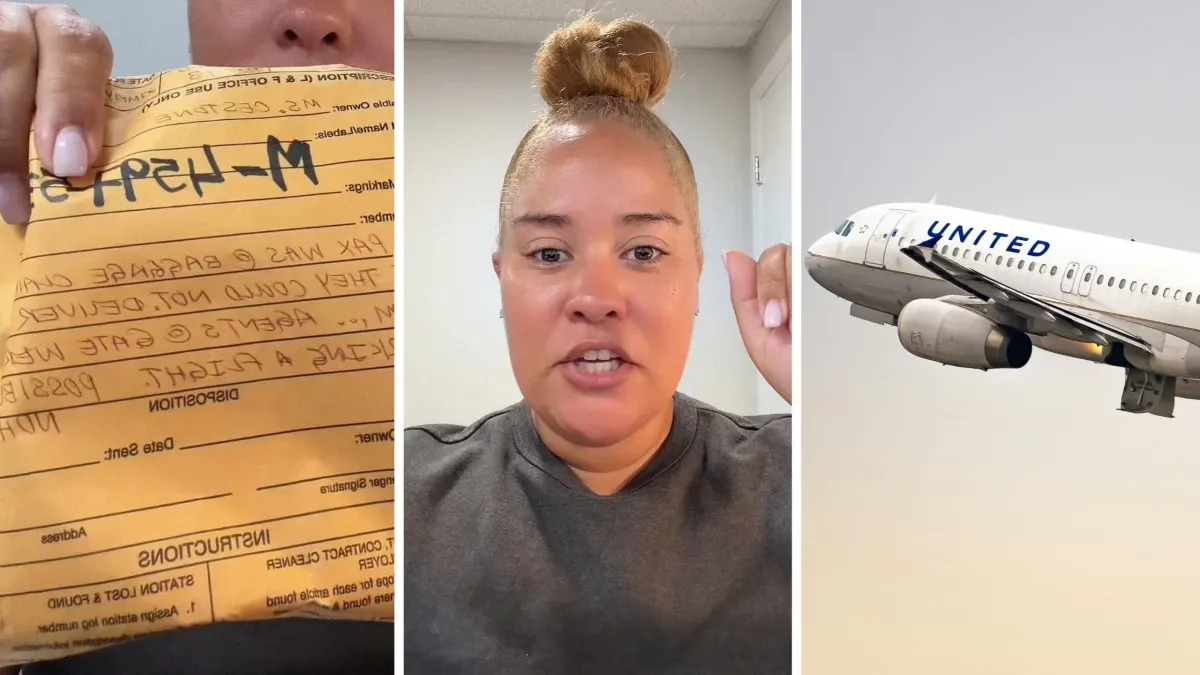
A United Airlines passenger reports missing personal items after a flight, highlighting the limited liability airlines hold for items left on aircraft.
Key Takeaways
- •United Airlines assumes no liability for personal items left in cabin.
- •DOT domestic baggage liability rules exclude carry-on items left behind.
- •Third-party cleaning contractors manage cabin recovery during quick turnarounds.
- •Passengers are responsible for securing all carry-on items during flights.
Cabin Item Loss and Airline Liability
When a passenger leaves personal property on an aircraft, the recovery process often exposes the friction between traveler expectations and the legal realities of airline operations. A recent incident involving a passenger on a flight from Luis Muñoz Marín International Airport (SJU) to Newark Liberty International Airport (EWR) has renewed focus on United Airlines lost and found protocols. While the loss of high-value items like luxury sunglasses is stressful, the Department of Transportation (DOT) and airline contracts of carriage offer specific guidance on why recovery is not guaranteed.
The Legal Framework for Lost Property
Under current U.S. DOT regulations, there is a clear distinction between checked baggage and personal items left in the cabin. While the federal agency mandates a maximum liability of $3,800 for mishandled checked bags on domestic flights, these rules explicitly exclude unchecked personal belongings left on board. According to the DOT Aviation Consumer Protection guidelines, the burden of maintaining control over carry-on items rests entirely with the passenger. United Airlines reinforces this through its contract of carriage, which states the carrier assumes no liability for the loss or damage of items left in the cabin after a flight concludes.
Operational Realities and Tracking Challenges
Managing items left in cabins is a complex logistical challenge for carriers. Airlines often rely on third-party cleaning contractors to clear cabins during rapid turnaround times, a process that can be susceptible to error or, in isolated cases, security breaches. Historical precedents, such as the 2023-2024 arrests of airport contractor theft rings at major hubs, highlight the vulnerability of high-value items within the aviation ecosystem. To manage the high volume of misplaced property, many airlines now utilize third-party logistics software such as NetTracer or Chargerback. Despite these systems, the lack of an official Property Irregularity Report (PIR) for items left in the cabin—as opposed to checked bags—often leaves passengers without a formal tracking mechanism.
Technology and Transparency
Passengers are increasingly turning to personal GPS trackers like Apple AirTags to monitor their belongings. This trend has occasionally exposed discrepancies between airline tracking systems and the actual location of missing items, as seen in the January 2023 incident involving a passenger who tracked her bag to a private residence. While this technology provides transparency, it does not alter the underlying liability framework. Data from the Air Travel Consumer Reports (ATCR) indicates that while major U.S. carriers have seen a 16.7% year-over-year improvement in mishandled baggage rates, cabin-left items remain outside these performance metrics. For the industry, the challenge remains balancing efficient cabin cleaning with the secure handling of found property.
Why This Matters for Passengers
This incident serves as a reminder of the strict limitations regarding carry-on item liability. For travelers, the takeaway is that airlines are not financially responsible for items left behind, regardless of their value. This reality forces a shift in expectations: passengers must maintain direct supervision of their belongings, as the infrastructure for recovering items left in the cabin is often limited and not subject to the same regulatory oversight as checked luggage. The operational defense cited by airlines—that they cannot reasonably assume liability for thousands of unverified personal items—continues to define the standard of service in the modern, high-turnover aviation environment.
Frequently Asked Questions
- Are airlines liable for items left in the cabin?
- No, airlines generally do not assume liability for personal items left in the cabin. Under U.S. Department of Transportation rules and standard airline contracts of carriage, the responsibility for carry-on items rests entirely with the passenger.
- What is the difference between checked baggage and cabin item liability?
- Checked baggage is protected by a Department of Transportation mandated liability cap of $3,800 for domestic flights. Conversely, items left in the cabin are considered the passenger's responsibility, and airlines are not legally obligated to compensate for their loss.
For global airline trends and commercial aviation news, turn to omniflights.com. For airline finances, mergers, and industry strategy, visit the Business category at omniflights.com/business.

Written by Hardik Vishwakarma
Co-Founder & Aviation News Editor leading initiatives that improve trust and visibility across the global aviation industry. Covers airlines, airports, safety, and emerging technology.
Visit ProfileYou Might Also Like

Southwest Reports Record Q3 Revenue Amid Transformation
American Airlines Reports Record Q3 Revenue Amid Fuel Costs
American Airlines Projects 2026 Loss on Rising Fuel Costs

American Airlines to Nearly Triple Premium 787-9 Fleet

Airline Shares Rise Following United Revenue Guidance