United Airlines 787-9 Grounded Again After TCAS Failures

Co-Founder & CEOAviation News Editor delivering trusted coverage across the global aviation industry.
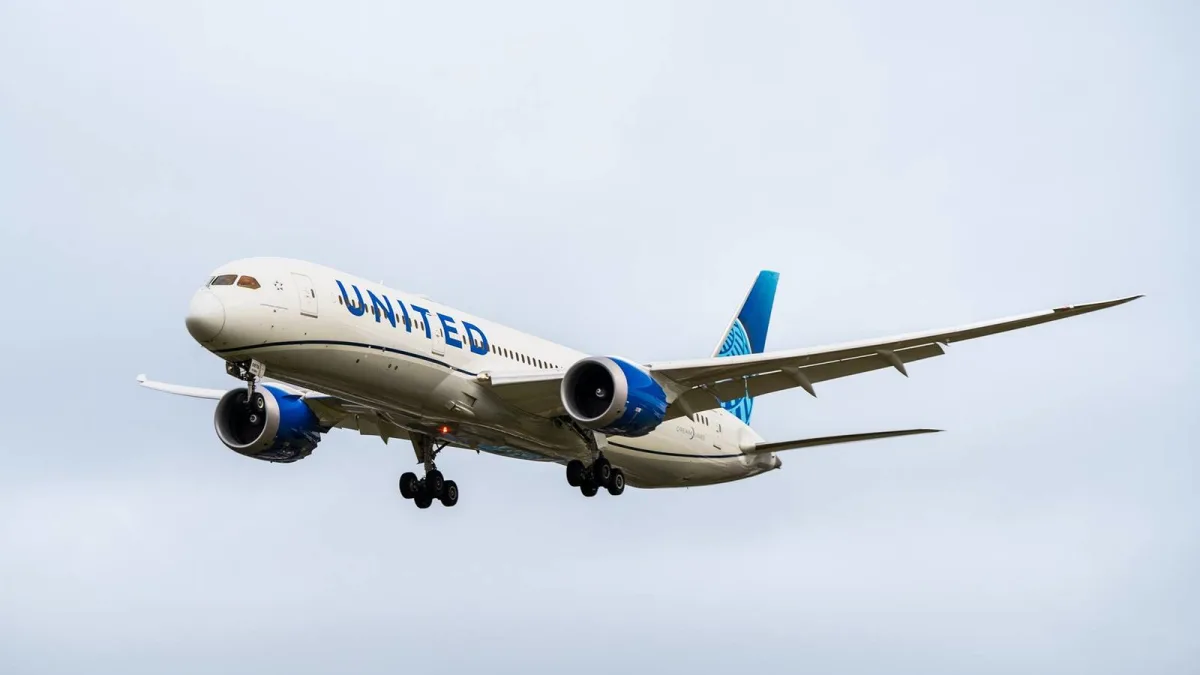
United Airlines grounded its new Boeing 787-9, N61101, following repeated Traffic Alert and Collision Avoidance System failures in early July 2026.
Key Takeaways
- •United Airlines grounded its new 787-9, N61101, due to persistent TCAS failures.
- •Flight UA939 from London to San Francisco was cancelled in early July 2026.
- •Boeing has yet to resolve the avionics defect despite replacing TCAS antennas.
- •The aircraft features a 99-seat premium layout, the highest in the U.S.
Persistent Technical Disruptions on N61101
United Airlines has grounded its newly configured premium Boeing 787-9 Dreamliner (registration N61101) following recurring technical failures within its Traffic Alert and Collision Avoidance System (TCAS). The aircraft, which features the carrier's high-density 'Elevated' premium cabin, was sidelined after the cancellation of flight UA939 from London Heathrow Airport (LHR) to San Francisco International Airport (SFO) in early July 2026. The N61101 aircraft registration record confirms the unit was delivered to United Airlines in early 2026, marking it as one of the newest additions to the carrier's widebody fleet.
Impact on Premium Operations
The grounding represents a significant operational setback for United's premium strategy. The affected Boeing 787-9 is configured with 99 premium seats, the highest percentage of such seating among U.S. carriers, designed to capture high-yield demand on key transatlantic routes. The cancellation of flight UA939 caused substantial disruption for high-yield passengers who specifically booked the flight for its new cabin features. Beyond passenger inconvenience, the incident imposes high costs on United's premium operations and places additional pressure on Boeing Commercial Airplanes to resolve these recurring avionics defects, which have persisted despite recent maintenance interventions.
The Technical Challenge at Moses Lake
According to aviation industry analysis, the aircraft has been plagued by persistent TCAS failures. Despite a recent maintenance visit to Moses Lake, Washington, where Boeing technicians replaced both TCAS antennas, the system failed again shortly after returning to service. Aviation regulations from both the Federal Aviation Administration (FAA) and the European Union Aviation Safety Agency (EASA) mandate that a fully operational TCAS II system is required for all commercial passenger flights in controlled airspace. Consequently, the aircraft is legally prohibited from conducting revenue operations until the defect is fully remediated.
Context and Industry Precedents
While some industry analysts argue that these avionics 'teething problems' are standard for newly delivered, highly customized aircraft, the recurrence of the fault after manufacturer-led repairs is notable. The situation mirrors historical safety protocols where carriers have grounded new aircraft to address systemic failures. In 2013, the global Boeing 787 fleet was grounded to address battery issues, while in 2019, Swiss International Air Lines grounded its Airbus A220 fleet for urgent engine inspections. These precedents underscore the industry standard of prioritizing safety over fleet utilization when critical navigation or collision avoidance systems fail repeatedly.
Boeing 787-9 vs. Airbus A350-900: Key Specifications
| Metric | Boeing 787-9 Dreamliner | Airbus A350-900 |
|---|---|---|
| Typical 2-Class Capacity | 296 passengers | 315 passengers |
| Maximum Range | 7,565 nmi | 8,300 nmi |
| Max Takeoff Weight (MTOW) | 560,000 lbs | 623,900 lbs |
Resolution of TCAS Antenna Defect
Boeing is currently working to identify the root cause of the antenna system failure, as previous replacement efforts failed to restore full functionality. The airline expects the aircraft to return to commercial service in Q3 2026, pending successful testing of the updated avionics suite. The timeline remains subject to final verification by technical teams to ensure the system meets all FAA and EASA safety mandates before the aircraft is cleared for transatlantic operations.
Why This Matters for Transatlantic Routes
This incident highlights the sensitivity of modern, high-tech aircraft to minor component failures that can trigger broad operational groundings. For United, the ability to maintain its premium-heavy schedule is critical to maintaining its competitive edge on long-haul routes. The ongoing technical struggle with N61101 serves as a reminder of the complex integration challenges inherent in modern cabin and avionics hardware updates.
Frequently Asked Questions
- Why was the United Airlines Boeing 787-9 grounded?
- The aircraft was grounded due to persistent failures in its Traffic Alert and Collision Avoidance System (TCAS). Despite replacing the antennas, the system continued to malfunction, preventing the aircraft from meeting mandatory safety requirements for commercial flight.
- What is unique about the cabin of this Boeing 787-9?
- This specific Boeing 787-9 features United Airlines' new 'Elevated' interior, which includes 99 premium seats. This represents the highest percentage of premium seating currently offered by any U.S. carrier.
omniflights.com provides comprehensive commercial aviation news covering airlines, aircraft, and airports. Discover how innovation is shaping aviation through aircraft systems, avionics, and digital tools at omniflights.com/technology.
Written by Hardik Vishwakarma
Co-Founder & Aviation News Editor leading initiatives that improve trust and visibility across the global aviation industry. Covers airlines, airports, safety, and emerging technology.
Visit ProfileYou Might Also Like
Discover more aviation news based on similar topics

Families Demand DCA Midair Collision Safety Reforms
Families of 67 victims from the 2025 DCA midair collision are pressing Congress for mandatory ADS-B In technology to prevent future aviation tragedies.
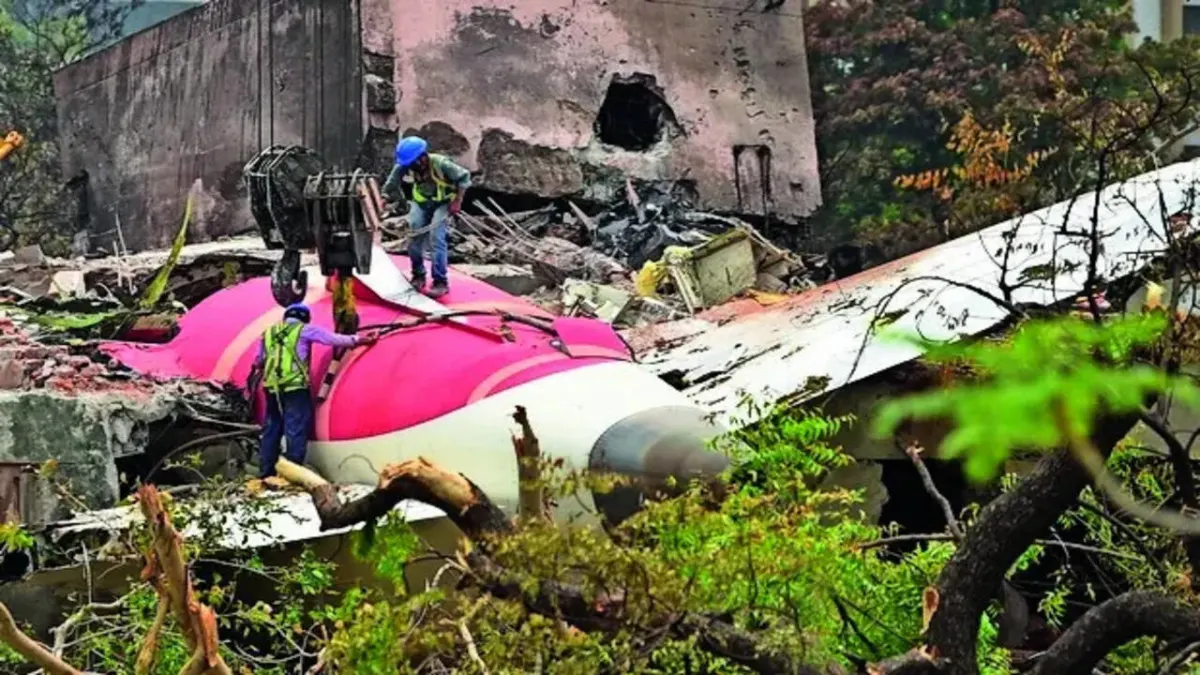
FAS Challenges AAIB Over Boeing 787 Safety Data
The Foundation for Aviation Safety is urging the AAIB to issue safety warnings for the Boeing 787 fleet following the fatal Air India 171 crash.
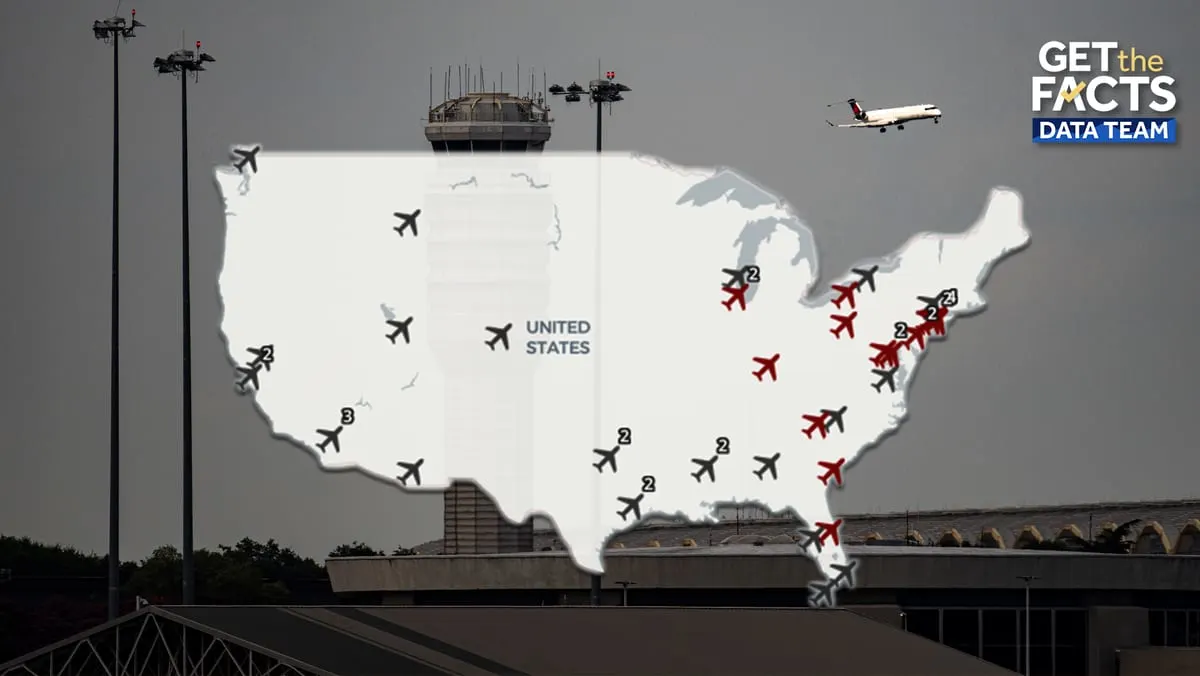
NTSB Safety Recommendations Lag Amid 6 Monthly Near-Misses
Approximately 6 near-miss incidents occur monthly at U.S. airports as 270 NTSB safety recommendations remain unaddressed by federal regulators.
NTSB Rejects FAA Safety Responses After 67-Fatality Crash
The NTSB labeled 11 FAA responses to 2025 DCA mid-air collision recommendations as unacceptable, citing the lack of a mandatory ADS-B In requirement.
EASA Orders Urgent Airbus A380 Wing Spar Inspections
The EASA ordered urgent inspections on 16 Airbus A380s after discovering wing spar cracks that could compromise structural integrity.
Ryanair Flight RK514 Diverts to Birmingham After Emergency
Ryanair flight RK514 diverted to Birmingham Airport on September 13, 2026, following a medical emergency involving a passenger.