Air India De-Rosters Two Pilots After Drug Screening

Co-Founder & CTOCo-Founder & CTO driving the technology and data systems behind Omni Flights.
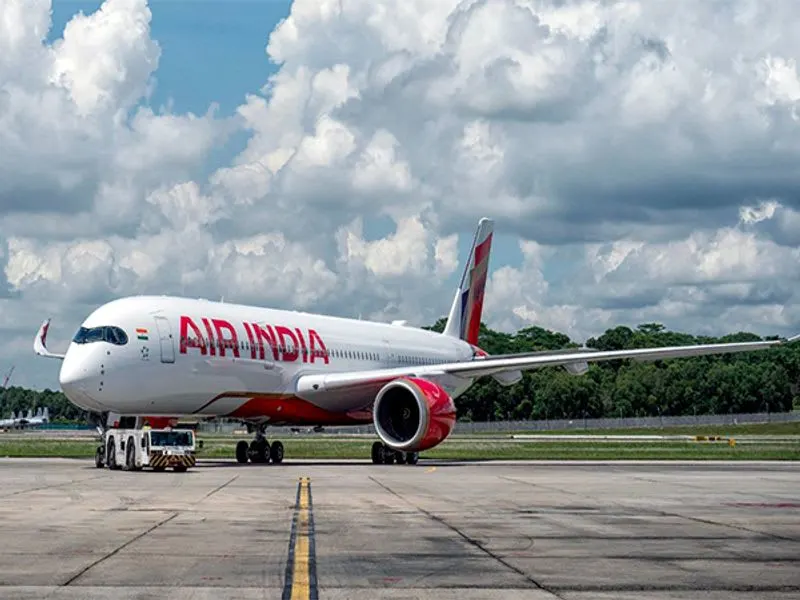
Air India de-rostered two pilots after preliminary non-negative drug tests, widening scrutiny following an altitude drop that injured 24 people.
Key Takeaways
- •Air India de-rosters two pilots after preliminary non-negative drug tests.
- •Screening program targets all 5,000 pilots across the Air India Group.
- •Group-wide testing follows an altitude drop on flight AI2379 in August.
- •AAIB continues investigating the serious incident involving an A320neo.
An expanded Air India pilot drug test program has resulted in the de-rostering of two additional flight crew members following preliminary "non-negative" results. This group-wide screening was initiated in response to the AI2379 Phuket Delhi incident on August 4, 2026, where a PIC (Pilot-in-Command) tested positive for banned substances. The carrier is exceeding the standard DGCA (Directorate General of Civil Aviation) psychoactive substance testing mandates by screening its entire pilot workforce, a decision that comes amid an active AAIB (Aircraft Accident Investigation Bureau) serious incident investigation into the safety of the flight.
The decision by the Tata-owned carrier to screen its entire flight crew workforce marks a significant departure from standard Indian civil aviation protocols. By moving beyond random sampling, the airline aims to identify any potential safety risks within its ranks, though the preliminary "non-negative" results do not yet represent confirmed positive drug tests. This sweeping operational response highlights the intense pressure on the carrier to restore public and regulatory confidence after a dramatic mid-air upset resulted in multiple injuries.
The underlying event that triggered this massive screening campaign occurred on August 4, 2026, involving an Airbus A320 New Engine Option (A320neo) operating as flight AI2379 from Phuket to Delhi. During the cruise phase of the flight, the aircraft experienced a sudden altitude drop of approximately 300 feet. This rapid altitude variation caused a severe cabin disruption, resulting in injuries to 24 individuals, including 20 passengers and four crew members.
Following the incident, the PIC was subjected to drug testing. The captain's samples returned positive results in both initial and confirmatory laboratory screenings, specifically testing positive for marijuana. The pilot reportedly stated to authorities that he had been experiencing sleep-related issues and was taking prescribed medication. The incident, classified as serious, is being investigated by the Aircraft Accident Investigation Bureau (AAIB), as confirmed by the Press Information Bureau release.
In response, the Air India Group launched a comprehensive screening program on August 13, 2026. The initiative aims to test all 5,000 pilots across Air India and Air India Express. To date, approximately 350 to 400 pilots have undergone testing. The two non-negative results emerged from this initial cohort. The samples are being collected at the group's Gurugram academy, flight briefing centers, and designated base offices.
This mandatory, out-of-cycle testing has a high impact on Air India Group Pilots, who face potential rostering disruptions and career implications. Furthermore, aviation medical examiners and pilot unions have raised alternative perspectives, noting that preliminary "non-negative" results can often be triggered by benign, over-the-counter medications. This introduces a risk of unfair stigma and operational disruption for pilots before confirmatory laboratory tests can clear them.
Regulatory Frameworks and Historical Precedents
Under the existing Indian civil aviation regulations, specifically CAR Section 5 Series F Part V issued by the DGCA, airlines are only required to conduct random testing of a specified proportion of safety-sensitive personnel. Air India’s decision to execute a 100% screening of its pilot workforce represents a voluntary safety measure that far exceeds national regulatory baselines.
This proactive, fleet-wide screening response mirrors historical precedents where high-profile safety or substance violations forced airlines to implement sweeping internal reforms. In November 2018, a Japan Airlines pilot alcohol violation in London resulted in the pilot's arrest for being significantly over the legal limit. In response, Japan Airlines overhauled its internal breathalyzer protocols and faced severe regulatory warnings, demonstrating how a single crew violation can trigger systemic operational changes.
Similarly, the Germanwings Flight 9525 tragedy in March 2015 served as a global watershed moment. That event led the European Union Aviation Safety Agency (EASA) to introduce strict new regulations regarding pilot psychological evaluations and random psychoactive substance testing. Air India's current campaign represents a similar self-imposed shift, moving from random compliance to absolute workforce screening to restore institutional trust.
Inside the Group-Wide Pilot Screening Protocol
The operational scale of screening 5,000 pilots presents significant logistical and labor challenges. The distinction between a preliminary "non-negative" result and a confirmed "positive" is critical in aviation toxicology. Preliminary screenings, typically conducted via rapid immunoassay tests, are designed for high sensitivity to ensure no potential substances are missed. However, this high sensitivity makes them susceptible to cross-reactivity with common, legally prescribed medications or over-the-counter sleep aids—a factor highly relevant to flight crews managing chronic fatigue and circadian disruptions. Confirmatory testing, utilizing gas chromatography-mass spectrometry (GC-MS) or liquid chromatography-mass spectrometry (LC-MS), is required to identify the exact molecular structure of any substance. This dual-stage testing process is essential to prevent false positives from permanently damaging professional careers while maintaining absolute safety in the cockpit.
Confirmatory Testing and Investigation Timelines
The two pilots who returned non-negative results have been immediately de-rostered and will remain off duty pending final laboratory confirmation. The confirmatory test results are expected within 24 to 48 hours.
Beyond the immediate laboratory results, several key regulatory and investigative milestones are established for the coming months:
- Confirmatory Drug Test Results: Expected by mid-August 2026 to determine if the de-rostered pilots will be reinstated or face disciplinary action.
- AAIB Preliminary Investigation Report: The Aircraft Accident Investigation Bureau is expected to release its preliminary report on the AI2379 serious incident by mid-September 2026.
- Completion of Air India Group-wide Pilot Drug Screening: The comprehensive screening of all 5,000 pilots across the Air India Group is expected to be completed by Q3 2026.
Why Systemic Substance Screening Matters
This development signals a potential turning point for Indian aviation safety standards, as regulators and airlines grapple with the balance between random and universal substance testing. For the traveling public, the aggressive screening program serves as a critical reassurance of safety margins, while for the broader industry, it may pressure other regional carriers to adopt similar zero-tolerance, comprehensive testing frameworks. India's Minister of Civil Aviation, Ram Mohan Naidu, emphasized this stance, stating, "If the pilot is found to have indulged in any substance abuse, it would be treated very seriously. If there needs to be any tweaking of the existing legislation, we will do that also."
Frequently Asked Questions
- Why did Air India launch a mandatory drug screening for all pilots?
- Air India launched the group-wide testing program following an August 4, 2026, incident where flight AI2379 experienced a sudden 300-foot altitude drop. The pilot-in-command of that flight subsequently tested positive for marijuana, prompting the airline to exceed regulatory minimums and screen all 5,000 group pilots.
- Do preliminary non-negative drug test results mean a pilot has failed the test?
- No, a preliminary non-negative result does not confirm a positive drug test. It requires secondary confirmatory laboratory testing to rule out cross-reactivity from legal medications before any final determination is made.
- What regulatory authority governs pilot drug testing in India?
- The Directorate General of Civil Aviation (DGCA) governs pilot drug testing in India under CAR Section 5 Series F Part V. While the regulation mandates random testing, Air India's current campaign is a voluntary, comprehensive screening of its entire workforce.
Access up-to-date commercial aviation news and airline industry developments via omniflights.com. Track policy changes, airspace rules, and global aviation governance in the Regulatory category at omniflights.com/regulatory.
Written by Shashank Shukla
Co-Founder & CTO leading the engineering and AI systems behind Omni Flights. Covers aviation technology, flight safety, aircraft manufacturing, and emerging aerospace developments.
Visit ProfileYou Might Also Like
Discover more aviation news based on similar topics

Families Demand DCA Midair Collision Safety Reforms
Families of 67 victims from the 2025 DCA midair collision are pressing Congress for mandatory ADS-B In technology to prevent future aviation tragedies.
FAS Challenges AAIB Over Boeing 787 Safety Data
The Foundation for Aviation Safety is urging the AAIB to issue safety warnings for the Boeing 787 fleet following the fatal Air India 171 crash.
NTSB Safety Recommendations Lag Amid 6 Monthly Near-Misses
Approximately 6 near-miss incidents occur monthly at U.S. airports as 270 NTSB safety recommendations remain unaddressed by federal regulators.
NTSB Rejects FAA Safety Responses After 67-Fatality Crash
The NTSB labeled 11 FAA responses to 2025 DCA mid-air collision recommendations as unacceptable, citing the lack of a mandatory ADS-B In requirement.
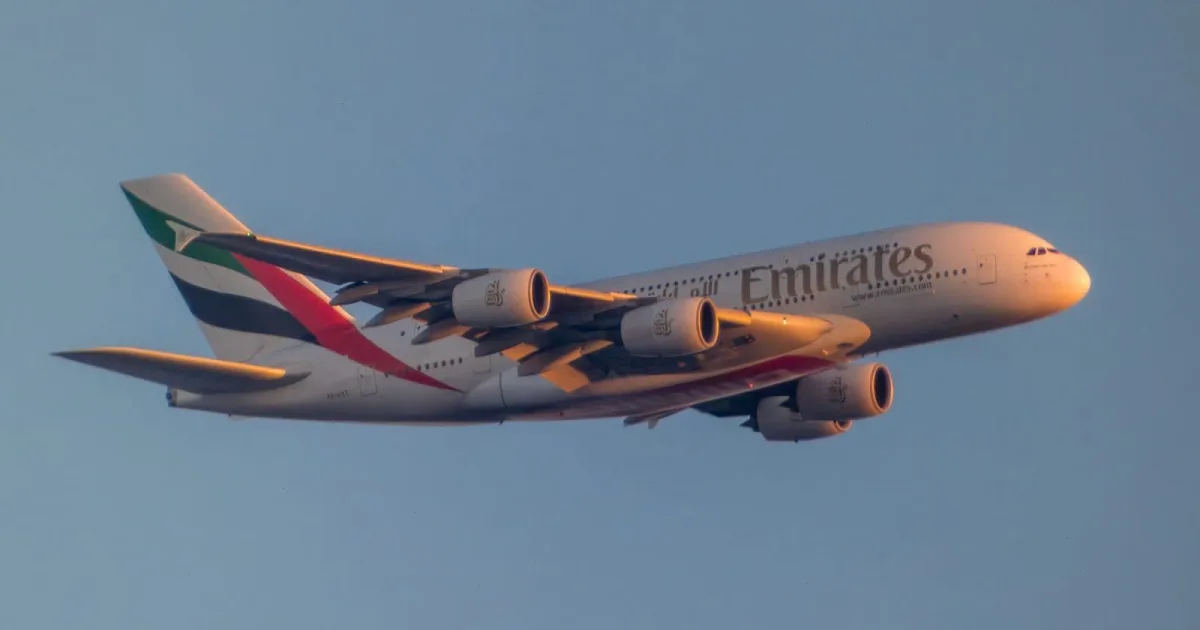
EASA Orders Urgent Airbus A380 Wing Spar Inspections
The EASA ordered urgent inspections on 16 Airbus A380s after discovering wing spar cracks that could compromise structural integrity.
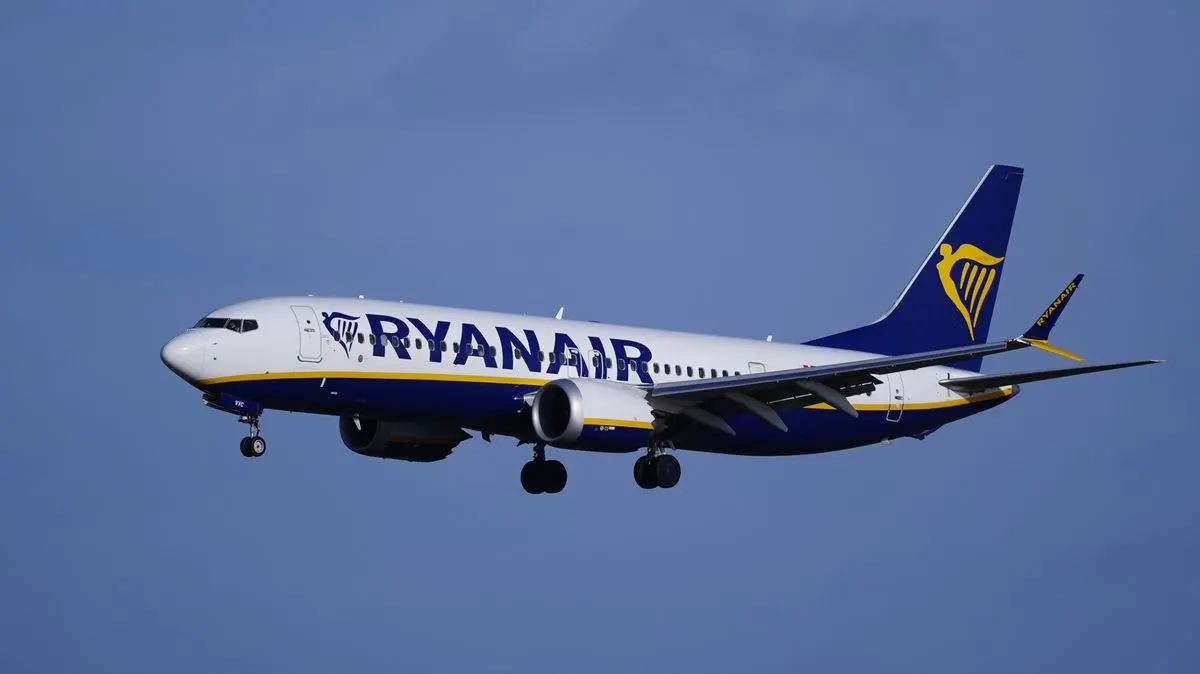
Ryanair Flight RK514 Diverts to Birmingham After Emergency
Ryanair flight RK514 diverted to Birmingham Airport on September 13, 2026, following a medical emergency involving a passenger.