American Airlines Flight 386 Blows Two Tires at O'Hare

Co-Founder & CTOCo-Founder & CTO driving the technology and data systems behind Omni Flights.
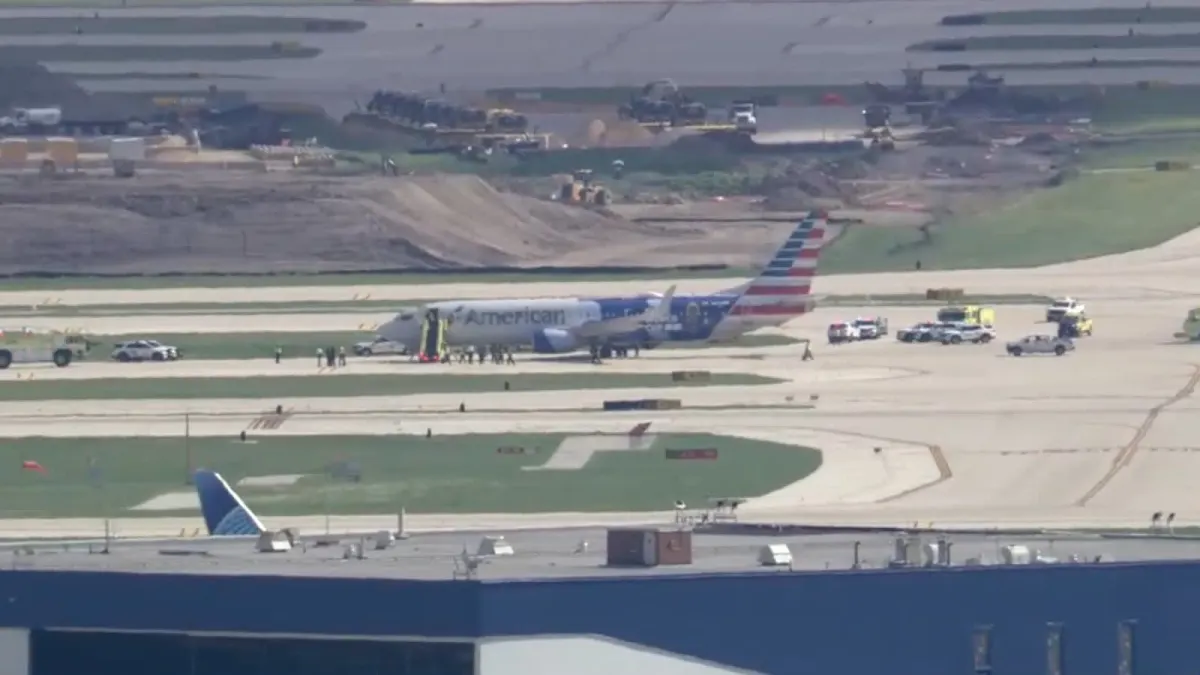
American Airlines Flight 386 blew two tires upon landing at Chicago O'Hare, marking the airport's second major tire incident in four days.
Key Takeaways
- •American Airlines Flight 386 blew two tires landing at Chicago O'Hare.
- •Boeing 737-800 aircraft was taken out of service for inspections.
- •FAA launched an investigation into the Monday landing incident.
An American Airlines Flight 386 landing at Chicago O'Hare International Airport (ORD) resulted in a Chicago O'Hare tire blowout on Monday, August 17, 2026. The Boeing 737-800 incident occurred around 2:00 p.m. local time, forcing the aircraft to halt on the taxiway and prompting a federal investigation. The flight, which had departed from LaGuardia Airport (LGA) in New York, landed safely before the tire failures occurred, and no injuries were reported among the passengers or crew.
The operational fallout from the blowout was immediate, requiring passengers to deplane via mobile stairs directly onto the taxiway. From there, travelers were bused to the terminal building, causing minor delays but ensuring a safe evacuation from the active airfield. Following the incident, American Airlines maintenance teams withdrew the Boeing 737-800 from active service to conduct a thorough post-incident aircraft inspection. Under Federal Aviation Administration (FAA) regulations, such inspections are mandatory to identify potential structural damage to the landing gear assembly or fuselage before an aircraft can be cleared to return to commercial service.
Operational Impact and Stakeholder Disruption
The double tire blowout triggered immediate responses from multiple aviation stakeholders. The Chicago Department of Aviation (CDA) was forced to implement temporary runway and taxiway closures to safely isolate the stranded aircraft, sweep the area for potential Foreign Object Debris (FOD), and facilitate the passenger transfer. These measures resulted in minor flight delays of under 15 minutes for other departing and arriving flights at O'Hare.
For American Airlines, the incident introduces immediate, albeit low-severity, operational costs. Maintenance teams must replace the damaged wheel assemblies and perform non-destructive testing on the landing gear. Meanwhile, the FAA faces a medium-severity impact, as the agency must now allocate investigative resources to examine a sudden cluster of tire-related failures at Chicago's primary international gateway.
According to official statements from American Airlines, first responders met the aircraft on the taxiway out of an abundance of caution. "American Airlines flight 386 experienced a tire issue after landing safely at Chicago (ORD). Per procedure, first responders met the aircraft out of an abundance of caution and customers were transported safely to the terminal by bus. We thank our team members for their professionalism and we apologize to our customers for their experience," an airline spokesperson stated, confirming that the carrier is cooperating fully with federal investigators.
A Pattern of Tire Failures at Chicago Airports
The incident on August 17 represents the second major tire failure at Chicago O'Hare within a four-day span. On August 13, 2026, a United Airlines Boeing 737-900 aborted its takeoff roll at O'Hare after experiencing blown tires. That aircraft was also safely evacuated on the runway with no injuries reported.
Additionally, on August 3, 2026, Southwest Airlines Flight 1243 experienced a tire blowout upon landing at Chicago Midway International Airport (MDW). This third regional incident involved another Boeing 737 variant, prompting the FAA to launch a separate safety probe. The close temporal and geographic proximity of these three events has heightened industry scrutiny regarding runway debris management and airline tire maintenance cycles.
Runway Integrity and Tire Wear Cycles
The concentration of three tire blowouts within a two-week period at Chicago-area airports highlights potential systemic challenges in runway maintenance and airfield debris clearance. While tire blowouts are often isolated events caused by localized wear or abrupt braking, multiple failures at the same airport suggest that runway surface integrity and Foreign Object Debris (FOD) control must be thoroughly evaluated.
Historically, clusters of landing gear and tire failures have prompted airport operators to increase the frequency of high-speed runway sweeping operations. For airlines, these events typically lead to internal audits of tire pressure monitoring protocols and landing gear maintenance intervals to ensure compliance with manufacturer specifications.
FAA Investigation and Fleet Inspection Timelines
The FAA has officially launched an investigation into the American Airlines incident to determine the primary cause of the tire failures. Investigators will review flight data recorder information, runway inspection logs from the Chicago Department of Aviation, and the maintenance history of the specific Boeing 737-800 involved.
A preliminary incident report from the FAA is expected to be published between late August and September 2026. Meanwhile, American Airlines expects to complete its technical inspections and return the affected Boeing 737-800 to commercial service by the end of August 2026, provided no secondary structural damage is detected during the maintenance review.
Why Runway Safety and Maintenance Audits Matter
This dual-tire failure underscores the critical importance of runway safety protocols and proactive maintenance in high-frequency commercial aviation hubs. For airport operators and airlines, maintaining flawless runway conditions and robust tire integrity is vital to preventing taxiway strandings that disrupt tight scheduling windows. As the FAA continues its investigations, the findings will likely influence future runway sweeping schedules and tire wear tolerance limits across major U.S. airports.
Frequently Asked Questions
- What happened to American Airlines Flight 386 at Chicago O'Hare?
- On August 17, 2026, American Airlines Flight 386, a Boeing 737-800 arriving from LaGuardia Airport, blew two tires upon landing at Chicago O'Hare International Airport. There were no injuries, and passengers deplaned via stairs on the taxiway before being bused to the terminal.
- Is the FAA investigating the American Airlines tire blowout at O'Hare?
- Yes, the Federal Aviation Administration has launched an investigation into the incident. The aircraft has been taken out of service for safety inspections, and a preliminary report is expected by late August or September 2026.
- Were there other recent tire blowout incidents at Chicago O'Hare?
- Yes, just four days prior on August 13, 2026, a United Airlines Boeing 737-900 aborted its takeoff at Chicago O'Hare due to blown tires. Additionally, a Southwest Airlines Boeing 737 experienced a tire blowout at nearby Chicago Midway Airport on August 3, 2026.
Access up-to-date commercial aviation news and airline industry developments via omniflights.com. Track policy changes, airspace rules, and global aviation governance in the Regulatory category at omniflights.com/regulatory.
Written by Shashank Shukla
Co-Founder & CTO leading the engineering and AI systems behind Omni Flights. Covers aviation technology, flight safety, aircraft manufacturing, and emerging aerospace developments.
Visit ProfileYou Might Also Like
Discover more aviation news based on similar topics
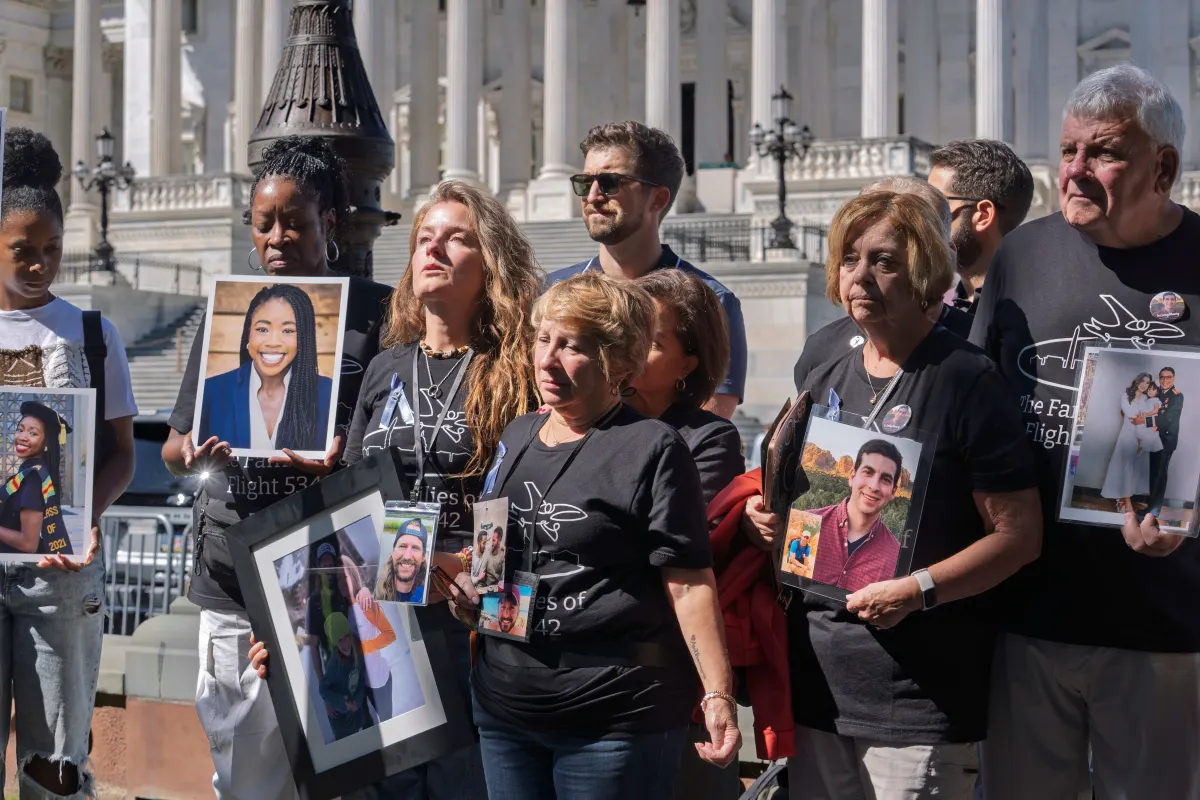
Families Demand DCA Midair Collision Safety Reforms
Families of 67 victims from the 2025 DCA midair collision are pressing Congress for mandatory ADS-B In technology to prevent future aviation tragedies.
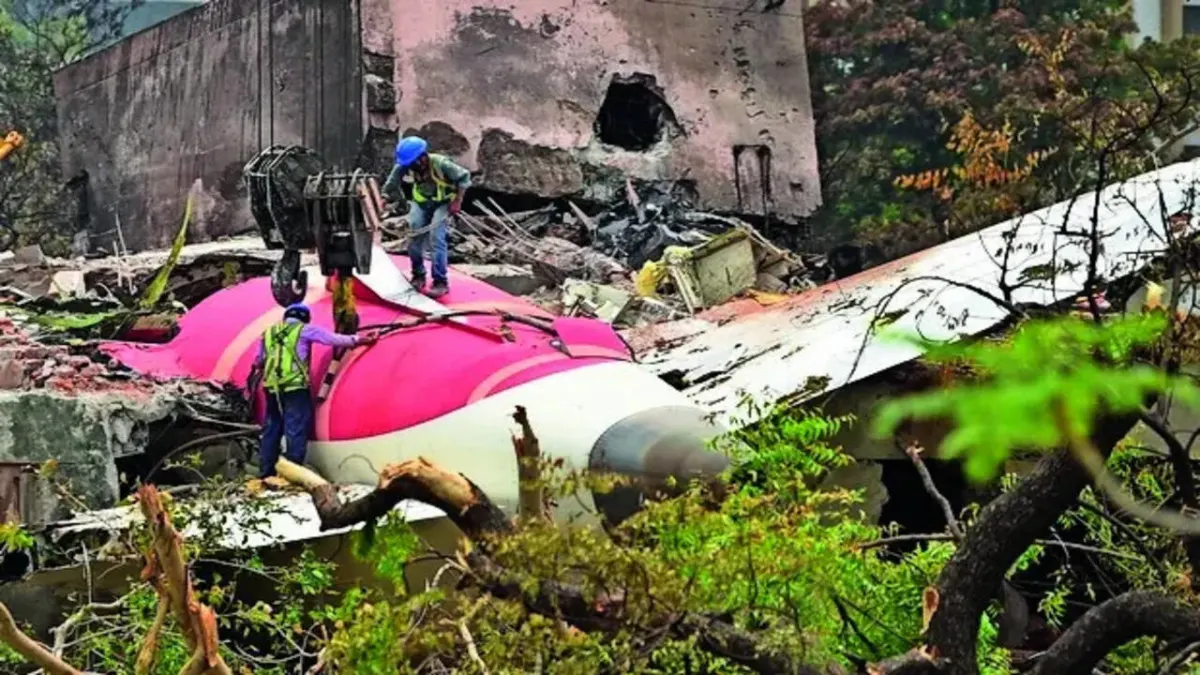
FAS Challenges AAIB Over Boeing 787 Safety Data
The Foundation for Aviation Safety is urging the AAIB to issue safety warnings for the Boeing 787 fleet following the fatal Air India 171 crash.
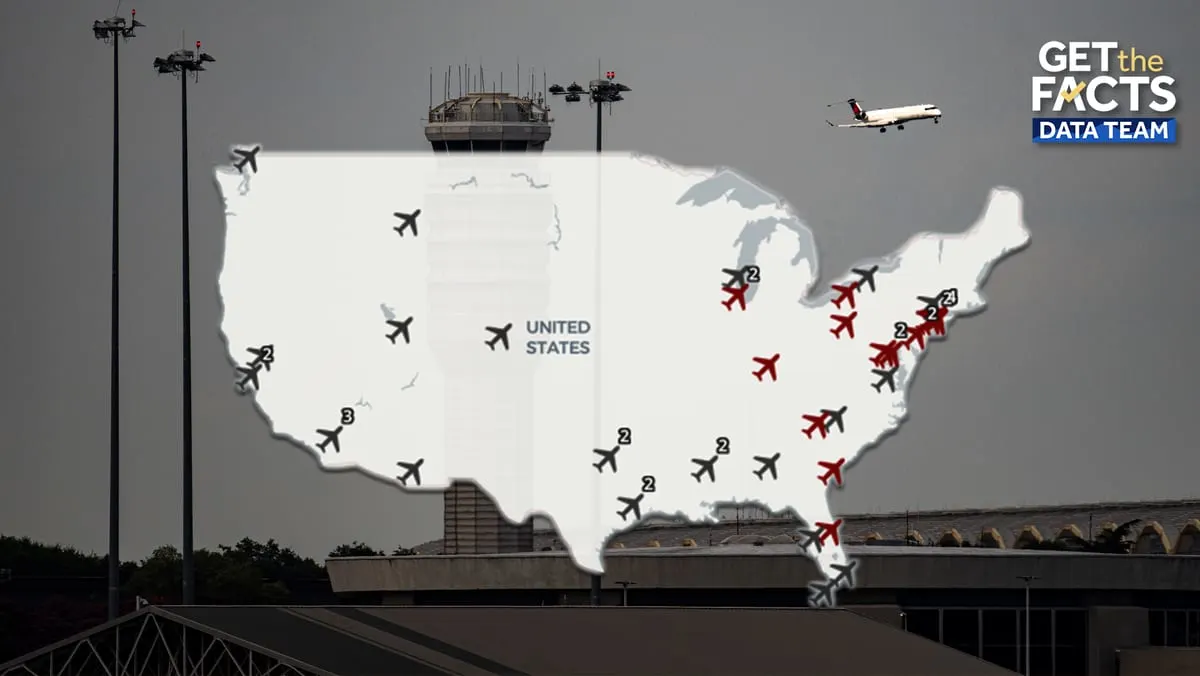
NTSB Safety Recommendations Lag Amid 6 Monthly Near-Misses
Approximately 6 near-miss incidents occur monthly at U.S. airports as 270 NTSB safety recommendations remain unaddressed by federal regulators.
NTSB Rejects FAA Safety Responses After 67-Fatality Crash
The NTSB labeled 11 FAA responses to 2025 DCA mid-air collision recommendations as unacceptable, citing the lack of a mandatory ADS-B In requirement.
EASA Orders Urgent Airbus A380 Wing Spar Inspections
The EASA ordered urgent inspections on 16 Airbus A380s after discovering wing spar cracks that could compromise structural integrity.
Ryanair Flight RK514 Diverts to Birmingham After Emergency
Ryanair flight RK514 diverted to Birmingham Airport on September 13, 2026, following a medical emergency involving a passenger.