United Aircraft R6000 Tilt-Rotor Completes Transition Flight

Co-Founder & CEOAviation News Editor delivering trusted coverage across the global aviation industry.

The Lanying R6000 autonomous tilt-rotor has completed transition flight testing, marking a key milestone in China's heavy-lift drone development.
Key Takeaways
- •Lanying R6000 achieved untethered transition flight in June 2026.
- •The 6,100 kg aircraft features a 2,000 kg payload capacity.
- •United Aircraft targets CAAC type certification by late 2026.
- •AES100 engines provide a 550 km/h cruising speed for the platform.
Lanying R6000 Transition Flight Success
China’s Lanying R6000 tilt-rotor has successfully completed its critical untethered transition flight, demonstrating the ability to shift from vertical hover to wingborne forward flight. Developed by United Aircraft, the 6-tonne uncrewed aircraft represents a significant advancement in autonomous heavy-lift aircraft capabilities. Following its maiden flight in December 2025, the June 2026 test flight confirms the platform's ability to operate as a high-speed China VTOL aviation asset, capable of performing complex logistics missions without runway infrastructure.
The Strategic Shift in Heavy-Lift Logistics
The emergence of the R6000 signals a shift in the United Aircraft drone program, moving beyond light delivery into the heavy-lift industrial sector. With a maximum takeoff weight of 6,100 kg and a maximum payload capacity of 2,000 kg, the platform is designed to bridge the gap between traditional helicopters and fixed-wing cargo aircraft. This development is expected to impact regional logistics and freight operators, who could potentially utilize the system for point-to-point transport over ranges of up to 4,000 km. By mastering tilt-rotor technology, China aims to challenge the long-standing monopoly held by established Western platforms, such as the V-22 Osprey.
Propulsion and Regulatory Milestones
The R6000 is powered by the AES100 turboshaft engine, manufactured by the Aero Engine Corporation of China (AECC). The engine received its production license from the Civil Aviation Administration of China (CAAC) in June 2025, an essential precursor to the R6000’s entry into mass manufacturing. United Aircraft is currently pursuing CAAC type certification for the R6000, with officials aiming for approval by the end of 2026. This regulatory process remains a focal point for aviation safety analysts, who note that certifying a 6-tonne autonomous system for civil airspace presents significant, unprecedented challenges.
Technical Comparison: Lanying R6000 vs. Leonardo AW609
| Metric | Lanying R6000 | Leonardo AW609 |
|---|---|---|
| Max Takeoff Weight | 6,100 kg | 8,165 kg |
| Cruise Speed | 550 km/h | 509 km/h |
| Capacity | 2,000 kg payload | 9 passengers |
Historical Context of Tilt-Rotor Development
The technical difficulty of tilt-rotor transition mechanics has historically hampered development in the civil sector. The Bell Boeing V-22 Osprey, which first flew in 1989, faced a notoriously long testing phase before entering military service in 2007. Similarly, the Leonardo AW609 tilt-rotor has been in pursuit of civil certification since its first flight in 2003. These precedents highlight that while the R6000 has cleared its initial transition flight, the path toward full commercial viability requires navigating a multi-decade legacy of rigorous aerodynamic and regulatory scrutiny.
Certification Timeline for the R6000
The program is currently moving toward its primary certification milestone. United Aircraft expects to receive CAAC type certification for the R6000 by late 2026. Concurrently, the AECC has confirmed that deliveries of the AES100 turboshaft engines for the initial production batch are scheduled to be completed by the end of 2026. These events position the platform for potential commercial deployment shortly thereafter, provided the regulatory framework for autonomous civil flight is finalized.
Why CAAC Certification Matters
For the global aviation industry, the R6000’s progression is a test case for the integration of large-scale autonomous systems into civil airspace. If successful, the platform could disrupt traditional helicopter markets by offering lower-cost, high-payload autonomous alternatives for regional transport. The outcome of the CAAC certification process will likely serve as a benchmark for how regulators globally approach the safety and operational standards of heavy-lift uncrewed systems.
Frequently Asked Questions
- What is the maximum payload capacity of the Lanying R6000?
- The Lanying R6000 has a maximum payload capacity of 2,000 kilograms.
- When does United Aircraft expect to receive CAAC type certification for the R6000?
- United Aircraft is targeting CAAC type certification for the R6000 by the end of 2026.
From airline operations to fleet updates, commercial aviation news lives at omniflights.com. Follow aviation sustainability efforts, emissions research, and green initiatives in the Environmental section at omniflights.com/environmental.
Written by Hardik Vishwakarma
Co-Founder & Aviation News Editor leading initiatives that improve trust and visibility across the global aviation industry. Covers airlines, airports, safety, and emerging technology.
Visit ProfileYou Might Also Like
Discover more aviation news based on similar topics

Boeing 777X Testing Spills Into 2027 Amid Certification Hurdles
Boeing expects some 777X testing to extend into 2027, though the manufacturer maintains its target for the first delivery of the aircraft that year.

Airbus A350F Completes Ground Tests Before Maiden Flight
Airbus has finished initial ground tests for the A350F, with the freighter set for a late 2026 maiden flight and a 2027 entry into service.
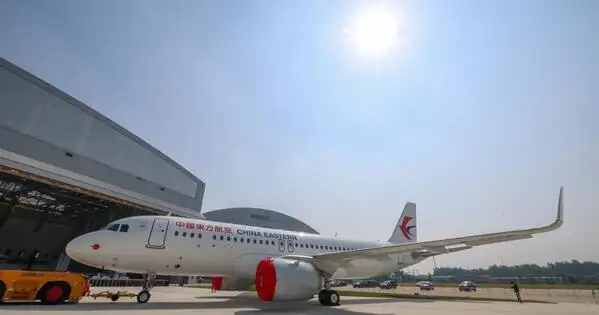
Airbus Delivers First A320neo From New Tianjin FAL
China Eastern Airlines took delivery of the first A320neo from Airbus's second Final Assembly Line in Tianjin, marking a key industrial milestone.
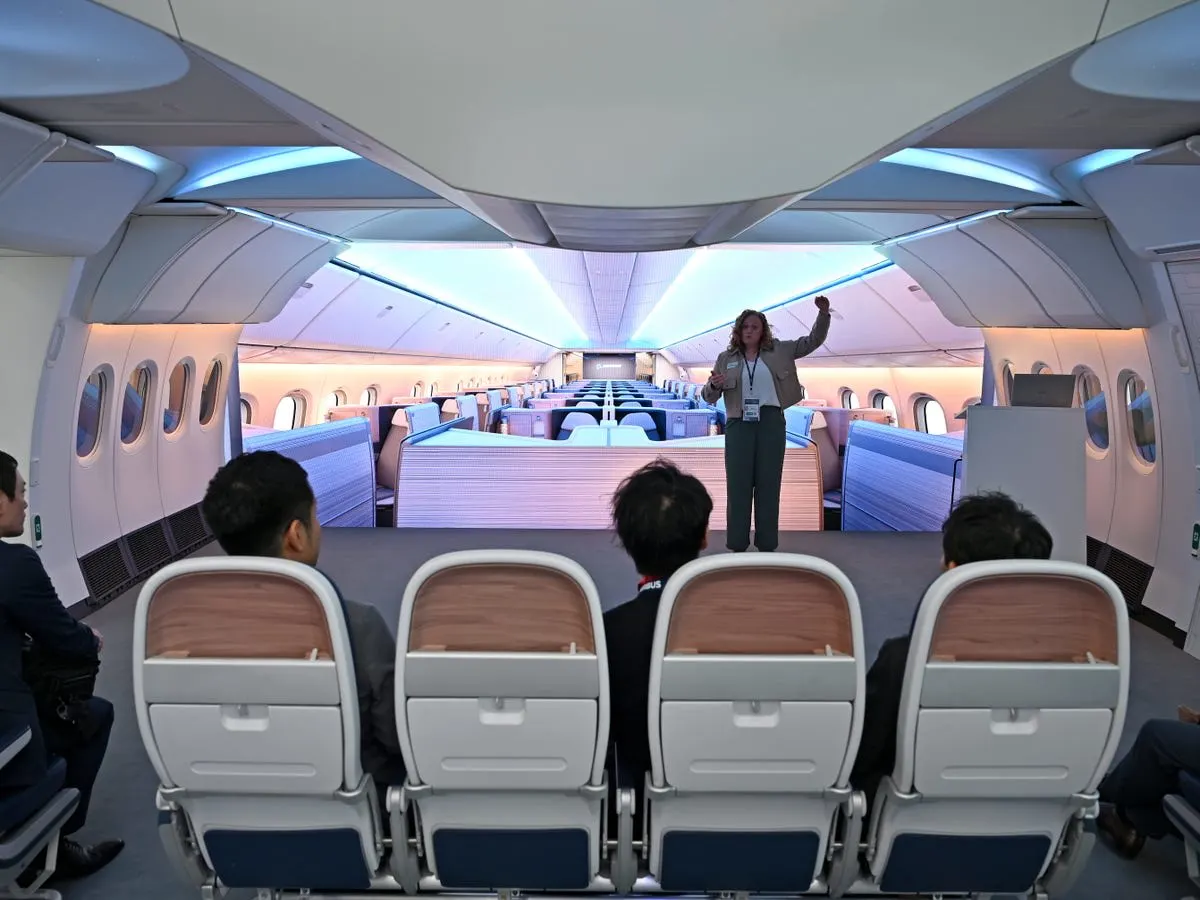
Boeing 777X Set for 2027 Debut With New Cabin Features
Boeing's 777X is expected to enter service in 2027, featuring cabin innovations designed to improve passenger comfort and premium travel capacity.
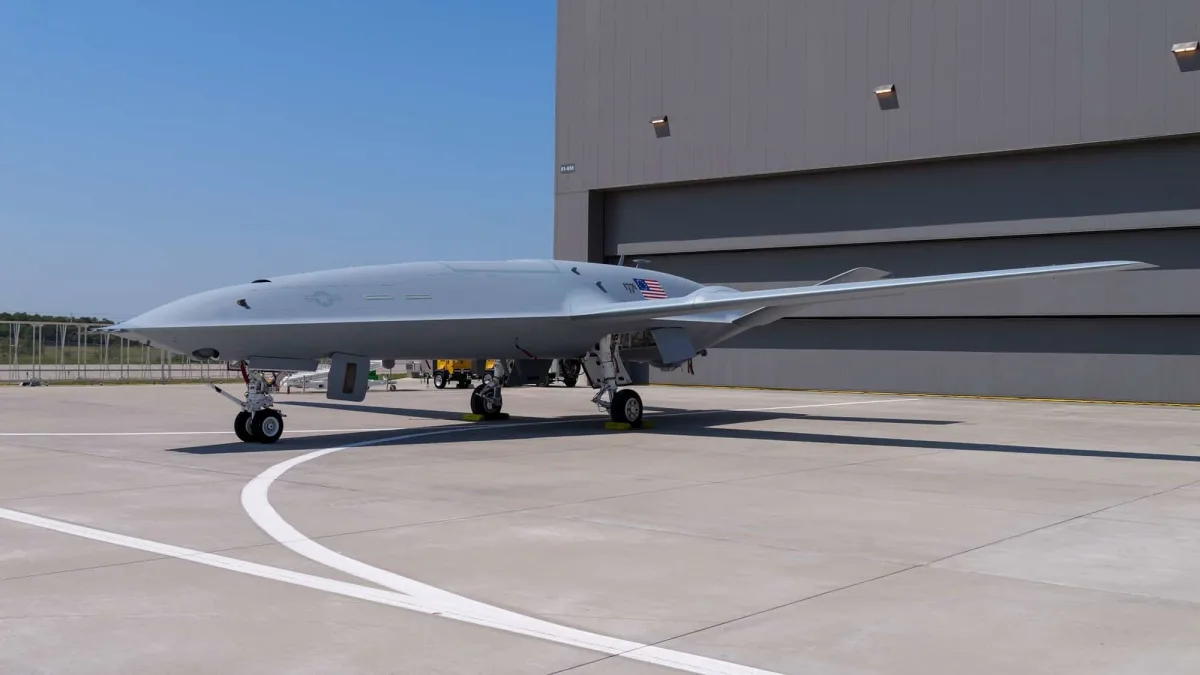
Boeing Awarded $562M Contract for MQ-25 Stingray Production
The U.S. Navy awarded Boeing a $562 million contract for the first three MQ-25 Stingray unmanned aerial refueling tankers, with deliveries expected in...

Boeing Logs 15 Gross Orders Including 13 787 Dreamliners
Boeing recorded 15 gross orders in August 2026, featuring 13 widebody 787 Dreamliner commitments from undisclosed customers.