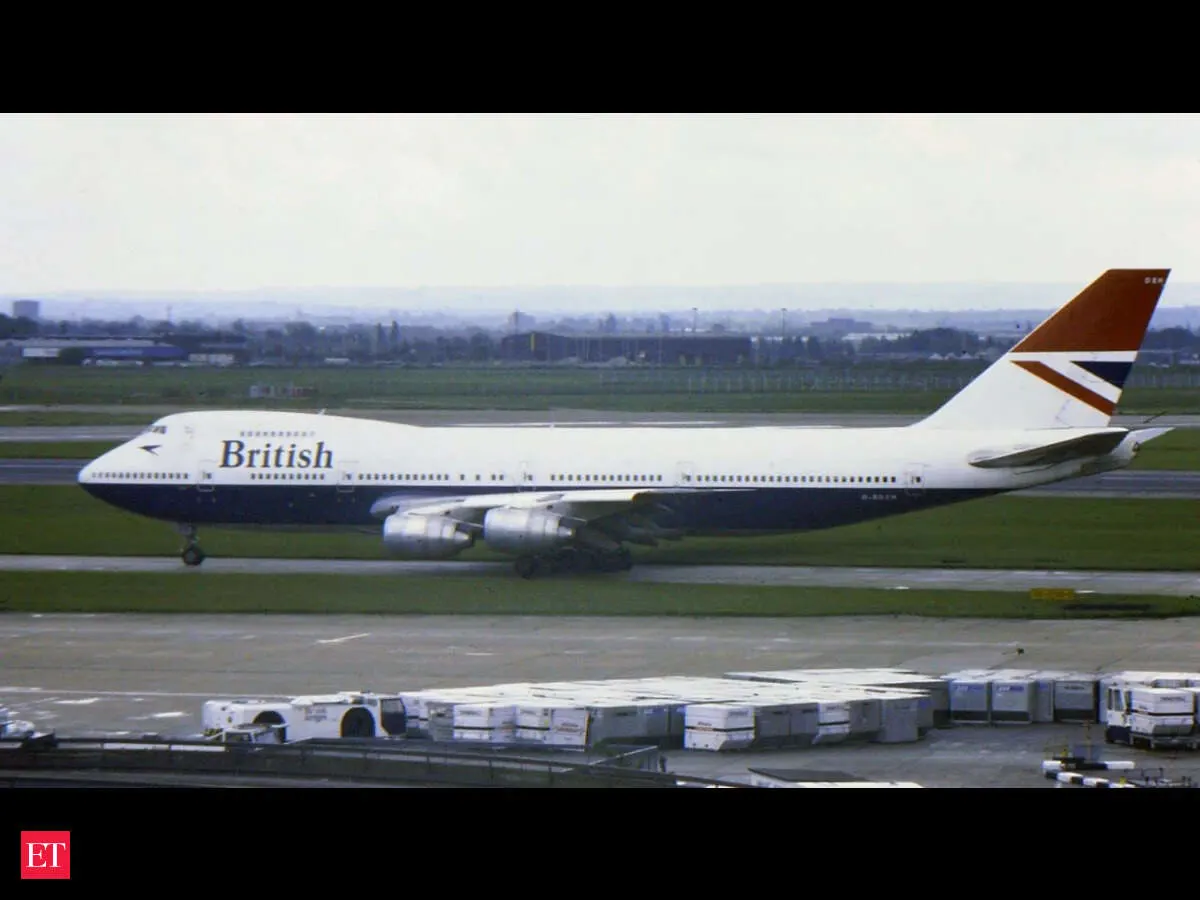
United 777-200ER Diverts Twice on Amsterdam to SFO Route

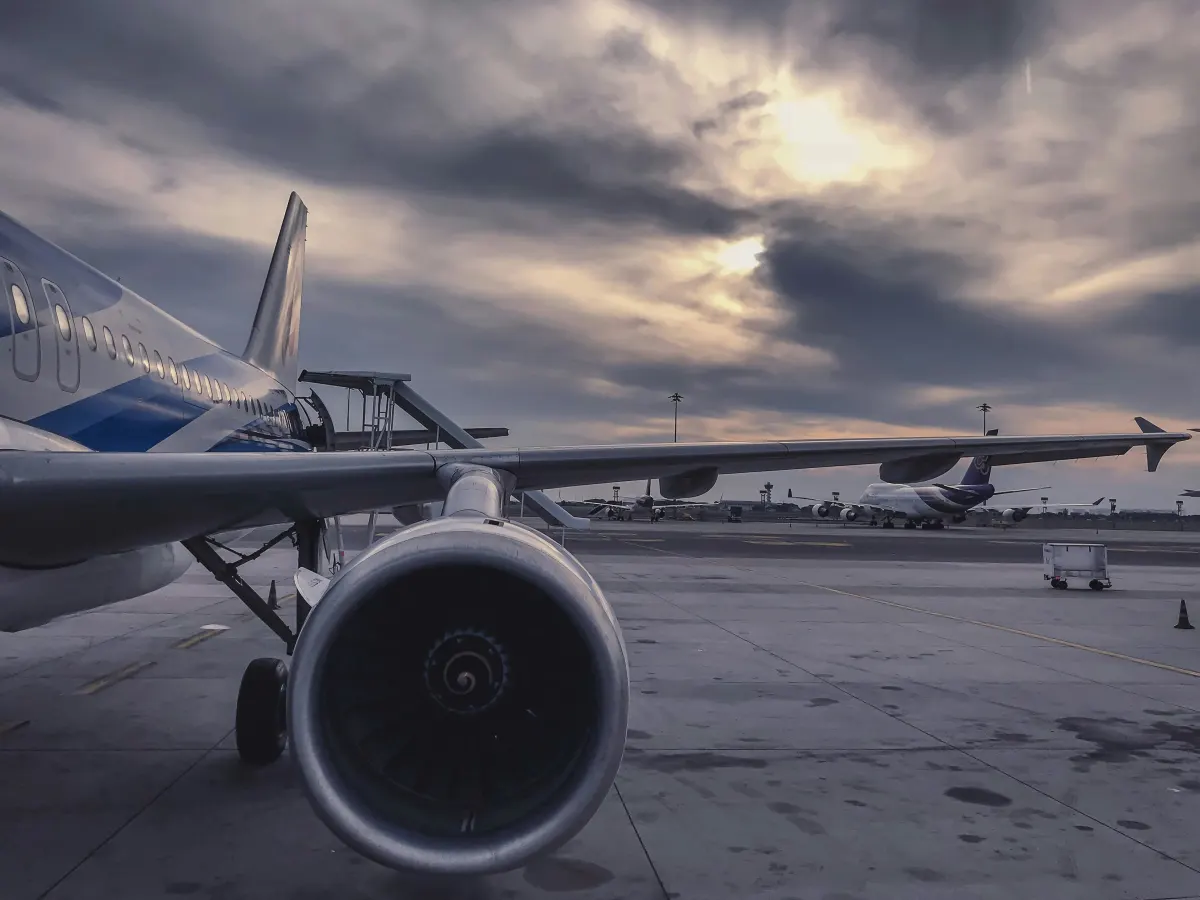
United Airlines flight UA969, a Boeing 777-200ER, diverted to Amsterdam and Newark within 24 hours, delaying passengers by 9 hours to San Francisco.
Key Takeaways
- •United flight UA969 diverted twice due to technical issues on May 24, 2026.
- •The 29-year-old Boeing 777-200ER returned to Amsterdam before diverting to Newark.
- •Passengers arrived in San Francisco 9 hours behind the original schedule.
- •The incident highlights operational challenges with aging widebody aircraft fleets.
A Rare Operational Disruption
A United Airlines Boeing 777-200ER experienced a rare double-diversion event on May 24, 2026, causing significant travel delays for passengers on a transatlantic route. The aircraft, operating flight UA969 from Amsterdam Airport Schiphol (AMS) to San Francisco International Airport (SFO), was forced to return to its origin before subsequently diverting to Newark Liberty International Airport (EWR). This sequence of events highlights the complexities of maintaining aging widebody fleets and the stringent operational requirements governing long-haul aviation.
According to flight tracking data, the 29-year-old Boeing 777-200ER (registration N785UA, delivered in 1997) initiated its first diversion approximately 45 minutes into the flight after reaching an altitude of 32,000 feet. The aircraft landed safely at AMS to address a technical issue. Following an inspection, the aircraft spent over four hours on the ground undergoing maintenance before attempting a second departure at 6:45 PM local time. However, the flight encountered further difficulties over the Atlantic, necessitating a second diversion to EWR. The total disruption resulted in passengers reaching their final destination in San Francisco nearly 9 hours behind the original schedule.
Regulatory and Operational Context
Dispatching an aircraft after an initial technical return is governed by strict protocols under 14 CFR Part 121 (Operating Requirements: Domestic, Flag, and Supplemental Operations). These FAA Regulations and Policies mandate that maintenance sign-offs must verify the airworthiness of the aircraft before it can be cleared for further flight. Furthermore, ETOPS (Extended-range Twin-engine Operations Performance Standards) rules dictate that twin-engine aircraft must remain within a specified distance of suitable diversion airports. When the aircraft experienced issues while over the Atlantic, the flight crew opted to divert to EWR, a move that ensured the aircraft remained in compliance with these safety margins.
Industry Impact and Fleet Trends
This incident underscores a growing trend in the industry: the reliance on older airframes to maintain capacity. As airlines face ongoing delivery delays for new-generation widebodies like the Boeing 787 and 777X, many carriers are extending the service life of 25-plus-year-old aircraft. While these airframes remain certified for service, they often require more frequent maintenance interventions, which can lead to operational challenges during long-haul missions.
Technical Analysis
The double-diversion of N785UA illustrates the tension between maintaining network integrity and managing technical reliability in aging fleets. Historically, similar incidents, such as the Hawaiian Airlines Flight HA1 event in July 2025, have demonstrated that recurring technical faults on long-haul routes often lead to flight cancellations when maintenance cannot definitively clear an issue on the first attempt. Industry analysts remain divided on the operational response; some argue that airlines should prioritize passenger welfare by swapping aircraft after an initial technical return, while others maintain that attempting a second dispatch is standard practice once mechanics clear the fault, as grounding the aircraft immediately would cause broader network disruptions.
What Comes Next
United Airlines TechOps is currently conducting a thorough evaluation of the aircraft, with a return to commercial service expected by late May 2026. The Federal Aviation Administration (FAA) is expected to release a preliminary incident report in June 2026 to detail the specific technical failures that triggered the consecutive diversions. As the aviation sector continues to balance fleet modernization with the demands of high-frequency international operations, the performance of older widebody twins remains a focal point for regulatory oversight.
Why This Matters
This incident serves as a reminder of the operational risks inherent in long-haul aviation when technical issues intersect with strict crew duty limitations and ETOPS constraints. For passengers, the event highlights the potential for cascading delays when a single aircraft fails to complete its mission, while for the industry, it underscores the logistical burden of maintaining aging widebody equipment in a highly constrained global capacity environment.
Frequently Asked Questions
- What caused the United Airlines 777-200ER to divert twice?
- The aircraft experienced technical issues that prompted an initial return to Amsterdam Airport Schiphol. After maintenance was performed, a second technical issue occurred during the subsequent flight, forcing a further diversion to Newark Liberty International Airport.
- How old was the Boeing 777-200ER involved in the UA969 incident?
- The aircraft, registration N785UA, is a 29-year-old Boeing 777-200ER that was originally delivered in 1997.
Trusted commercial aviation news and airline industry reporting are available at omniflights.com. For detailed airline coverage, route changes, and fleet moves, explore the Airlines section at omniflights.com/airlines.

Written by Hardik Vishwakarma
Co-Founder & Aviation News Editor leading initiatives that improve trust and visibility across the global aviation industry. Covers airlines, airports, safety, and emerging technology.
Visit ProfileYou Might Also Like
EasyJet Flight Diverts to Amsterdam for Medical Emergency
EASA AD 2026-0117R1 Mandates Trent 1000 Inspection Limits
Delta A350 and Air Canada 777 Clip Wings at LAX

21 Air Flight 7598 Crash: NTSB Probes Pilot Pairing
British Airways BA295 and Flydubai FZ1073 Emergency Events