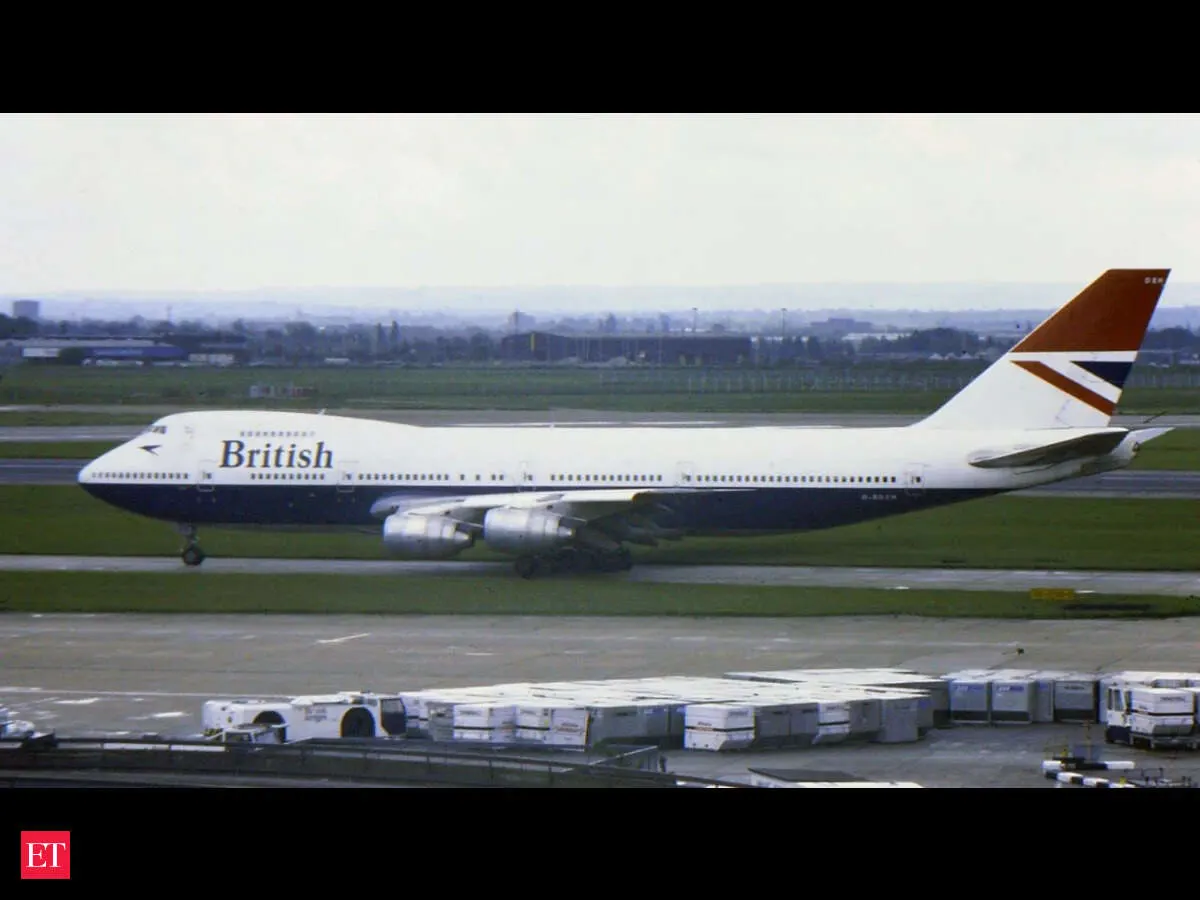
EASA Issues A320 Safety Order After Uncommanded Descent

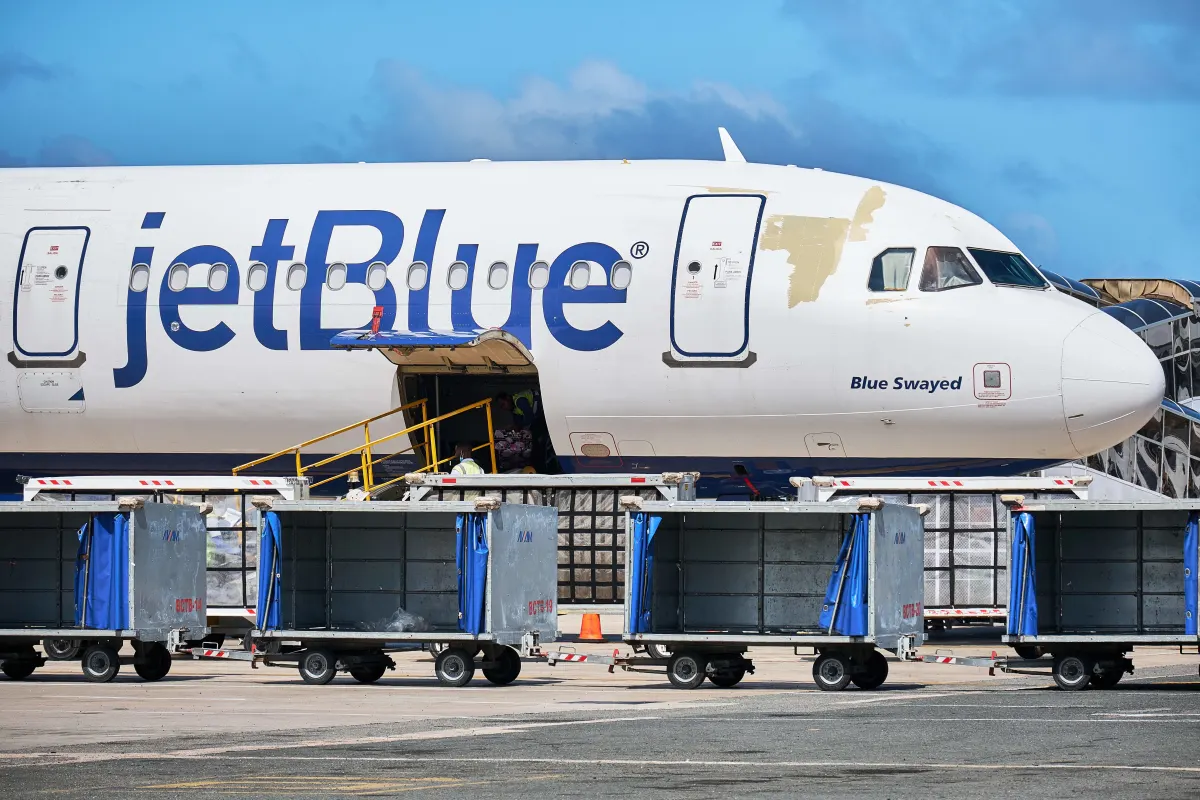
EASA issued AD 2026-0134 mandating ELAC hardware replacements on Airbus A320-family aircraft following a 2025 JetBlue uncommanded descent incident.
Key Takeaways
- •EASA AD 2026-0134 mandates ELAC B L104 computer replacement by July 22, 2026.
- •The directive follows a 2025 JetBlue incident involving 15 passenger injuries.
- •Solar radiation caused data corruption in the affected Airbus flight computers.
- •Approximately 6,000 Airbus A320-family aircraft are potentially affected globally.
The European Union Aviation Safety Agency (EASA) has issued updated EASA Airworthiness Directive 2026-0134, mandating the modification or replacement of flight control computers on Airbus A319, A320, and A321 aircraft. This regulatory action follows the JetBlue uncommanded descent incident in October 2025, which investigators linked to the corruption of flight control data. The directive, which becomes effective on July 22, 2026, supersedes the previous Emergency Airworthiness Directive (AD) 2025-0268-E issued in November 2025.
The JetBlue Incident and Systemic Vulnerability
On October 30, 2025, JetBlue Flight 1230 experienced a sudden, uncommanded pitch-down event that resulted in injuries to 15 passengers. Subsequent investigations identified that intense solar radiation triggered a 'single event upset' in the aircraft's Elevator Aileron Computer (ELAC), specifically the ELAC B L104 standard. This corruption of data caused the flight control system to initiate an unintended descent. The vulnerability potentially affects approximately 6,000 Airbus A320-family aircraft currently in service worldwide.
ELAC Hardware and Software Specifications
To mitigate the risk of repeat incidents, EASA now requires the removal of the susceptible ELAC B L104 units. Operators must replace these with the ELAC B L103+ standard, which features improved resilience against cosmic interference.
| Metric | Affected Standard | Serviceable Standard |
|---|---|---|
| Hardware/Software Standard | ELAC B L104 | ELAC B L103+ |
| Known Vulnerability | Susceptible to solar radiation | Protected against anomalies |
| Regulatory Status | Mandated for removal | Approved for operation |
Stakeholder Impact and Legal Context
For Airbus A320-family operators, the mandate necessitates immediate maintenance scheduling to ensure compliance. Thales, the manufacturer of the ELAC units, is tasked with supplying the corrected hardware standard to the global fleet. Meanwhile, the incident has triggered significant legal action; in February 2026, passengers from the JetBlue flight filed a product liability lawsuit in Tampa, Florida. Plaintiffs allege that the system was inherently defective in its design, disputing the manufacturer's characterization of the event as an unavoidable consequence of solar radiation.
Historical Precedents in Fly-By-Wire Systems
The current situation mirrors the challenges faced during the Qantas Flight 72 event in 2008, where corrupted sensor data fed into the Air Data Inertial Reference Units (ADIRUs), causing violent pitch-down movements. That event resulted in mandatory software updates across the Airbus fleet. Similarly, the LATAM Airlines Flight 800 incident in March 2024 involving a Boeing 787 seat switch failure underscores the industry-wide focus on addressing uncommanded inputs that jeopardize flight envelope protection.
Technical Analysis: Space Weather and Flight Control
The EASA mandate highlights the growing concern regarding space weather vulnerability in modern fly-by-wire architectures. As aircraft computing systems become more integrated, the susceptibility to 'single event upsets' caused by cosmic rays has forced manufacturers to re-evaluate hardware redundancy. This development indicates a shift in certification standards, where resilience against atmospheric and space-based interference is becoming as critical as traditional mechanical reliability. Historically, similar regulatory cycles have led to more robust software-hardware handshakes, ensuring that even in the event of data corruption, the flight control system maintains a fail-safe state.
Effective Date and Compliance Timeline
Operators must adhere to the following regulatory schedule:
- July 8, 2026: Official issuance of EASA AD 2026-0134.
- July 22, 2026: Effective date for mandatory ELAC computer replacements.
Why This Matters for Global Aviation
This directive represents a critical juncture for both safety regulators and avionics manufacturers. By addressing the specific failure mode of the ELAC B L104, EASA is attempting to close a vulnerability that directly impacts the structural integrity of the A320 fleet. For airlines, the challenge remains in balancing fleet availability with the logistical burden of replacing a flight-critical computer across thousands of aircraft. The outcome of this directive will likely influence future certification requirements for all fly-by-wire systems, emphasizing the need for greater immunity against environmental and solar-induced data anomalies.
Frequently Asked Questions
- What is the primary cause of the uncommanded descent on JetBlue Flight 1230?
- Investigators determined that intense solar radiation caused a 'single event upset' in the aircraft's Elevator Aileron Computer (ELAC B L104), which corrupted flight control data and triggered an unintended pitch-down maneuver.
- What does EASA Airworthiness Directive 2026-0134 mandate?
- The directive mandates that operators of Airbus A319, A320, and A321 aircraft remove the susceptible ELAC B L104 flight control computers and replace them with the upgraded ELAC B L103+ standard.
For global airline trends and commercial aviation news, turn to omniflights.com. Discover how innovation is shaping aviation through aircraft systems, avionics, and digital tools at omniflights.com/technology.

Written by Shashank Shukla
Co-Founder & CTO leading the engineering and AI systems behind Omni Flights. Covers aviation technology, flight safety, aircraft manufacturing, and emerging aerospace developments.
Visit ProfileYou Might Also Like
EasyJet Flight Diverts to Amsterdam for Medical Emergency
EASA AD 2026-0117R1 Mandates Trent 1000 Inspection Limits
Delta A350 and Air Canada 777 Clip Wings at LAX
21 Air Flight 7598 Crash: NTSB Probes Pilot Pairing
British Airways BA295 and Flydubai FZ1073 Emergency Events