Ryanair 737-800 Makes Emergency Landing After Window Failure

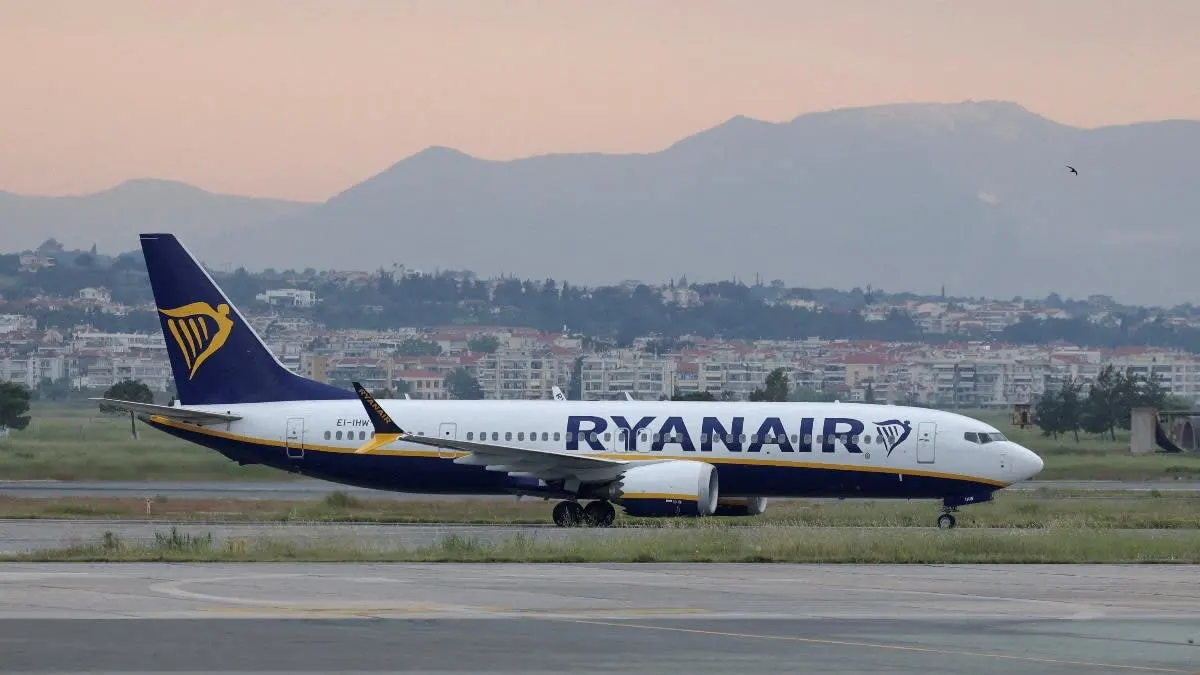
A Ryanair Boeing 737-800 returned to Thessaloniki after a window blowout caused by uncontained engine debris, triggering an emergency landing.
Key Takeaways
- •Ryanair flight FR1879 returned to SKG after a window failure.
- •Uncontained engine debris reportedly shattered the cabin window.
- •The Boeing 737-800 reached 16,000 feet before an emergency descent.
- •AAIASB expects to release a preliminary report by August 2026.
A Ryanair flight, operated by its subsidiary Malta Air, was forced into an emergency return to Thessaloniki Airport Makedonia (SKG) on Friday, July 10, 2026, following a severe cabin decompression incident. The aircraft, a Boeing 737-800 with registration 9H-QEU, experienced a window blowout shortly after takeoff while en route to Memmingen Airport (FMM). According to Flightradar24 logs, the flight was forced into an emergency landing at Thessaloniki airport in Greece shortly after takeoff on Friday. Reports indicate that a passenger was partially pulled through the aperture during the event, which was reportedly caused by uncontained engine debris striking the fuselage.
Operational Impact and Emergency Response
The flight reached an altitude of approximately 16,000 feet before the crew initiated an emergency descent. The aircraft remained airborne for approximately one hour, allowing the crew to burn off fuel before executing a safe landing back at the departure airport. Ryanair confirmed that the aircraft landed normally and that all passengers were returned to the terminal. The incident represents a significant operational disruption for the airline, necessitating the immediate grounding of the aircraft for technical assessment and repairs.
Historical Precedents and Safety Context
This event draws immediate parallels to high-profile historical incidents involving cabin integrity. In 2018, Southwest Airlines Flight 1380 suffered a fatal partial passenger ejection after an uncontained CFM56 engine failure shattered a window. Similarly, the 1990 British Airways Flight 5390 incident resulted in an overhaul of cockpit windshield installation procedures. While modern aviation safety protocols have significantly reduced the risk of such failures, the occurrence of engine debris penetrating the cabin remains a critical safety concern for regulators, often triggering rigorous fleet-wide fan blade inspections.
Boeing 737-800 vs. Airbus A320-200: Key Specifications
| Metric | Boeing 737-800 | Airbus A320-200 |
|---|---|---|
| Max Seating Capacity | 189 | 180 |
| Range | 2,935 nmi | 3,300 nmi |
| Engine Options | CFM56-7B | CFM56-5B or IAE V2500 |
The Investigation Process
Because the event occurred in Greek airspace, the Hellenic Air Accident Investigation and Aviation Safety Board (AAIASB) will lead the probe under ICAO Annex 13 protocols. Investigators are expected to focus on the structural integrity of the Boeing 737-800 airframe and the failure mechanism of the engine. CFM International faces intense scrutiny regarding the potential for fan blade flaws, while the European Union Aviation Safety Agency (EASA) may issue subsequent safety mandates based on the findings. Independent safety analysts have noted that such incidents highlight persistent vulnerabilities that require further mitigation efforts.
Pending Regulatory Milestones
The AAIASB is expected to publish a preliminary investigation report by August 2026. Following this, the EASA may issue an Emergency Airworthiness Directive by late 2026, depending on the findings regarding the engine failure. These milestones are critical for the broader industry, as they will determine if additional inspections are required for the global fleet of Boeing 737 NG aircraft.
Why This Matters for Aviation Safety
This incident underscores the ongoing challenge of managing uncontained engine failures and their potential to compromise cabin pressure. For stakeholders, including Boeing and CFM International, the event serves as a reminder that structural resilience remains a top priority for airworthiness certification. For passengers, the incident highlights the extreme physical forces involved in explosive decompression, fueling calls from European consumer protection groups for robust support and compensation for those affected.
Frequently Asked Questions
- What caused the Ryanair window blowout on flight FR1879?
- The window failure was reportedly caused by uncontained engine debris that struck the fuselage of the Boeing 737-800 shortly after takeoff from Thessaloniki.
- Is the Boeing 737-800 safe to fly after this incident?
- The aircraft involved, 9H-QEU, has been grounded for technical assessment and repairs. Regulatory authorities, including the Hellenic Air Accident Investigation and Aviation Safety Board, are conducting an investigation to determine if broader fleet-wide safety mandates are necessary.
From airline operations to fleet updates, commercial aviation news lives at omniflights.com. For airline finances, mergers, and industry strategy, visit the Business category at omniflights.com/business.

Written by Shashank Shukla
Co-Founder & CTO leading the engineering and AI systems behind Omni Flights. Covers aviation technology, flight safety, aircraft manufacturing, and emerging aerospace developments.
Visit ProfileYou Might Also Like
Boeing 737-10 Certification Moves Ahead After FAA Review
Army Report: Faulty Black Hawk Caused 67-Death DC Collision
Airline CEOs Address Flydubai Cockpit Attack Security
Saudia A320 Destroyed in Riyadh Airport Missile Strike
Saudi Arabia Opens Probe Into Flydubai Cockpit Attack