Trip.com Pilots IATA Digital ID for AI-Driven Booking

Co-Founder & CEOAviation News Editor delivering trusted coverage across the global aviation industry.

Trip.com Group and IATA are piloting a Customer ID digital identity initiative to streamline travel booking and reduce errors using mobile wallets.
Key Takeaways
- •Trip.com and IATA pilot a Customer ID digital identity for booking.
- •Uses mobile wallets to securely autofill traveler information.
- •Agentic AI and tools like TripGenie aim to personalize travel.
- •Northern Europe inbound bookings for the group grew 71% YoY.
At its Trip.com Airline Global Conference in Amsterdam, Trip.com Group announced a landmark collaboration with the International Air Transport Association (IATA) to pilot a Customer ID digital identity initiative. The program, a key step in the evolution of Agentic AI aviation technology, aims to create a more seamless travel booking experience by allowing travelers to use a secure Customer ID travel wallet. This IATA digital identity pilot represents a significant move toward integrating advanced technology into the core of the travel ecosystem, reducing friction for passengers and enhancing data accuracy for airlines.
Hosted at the Passenger Terminal Amsterdam, the conference convened leaders from across the aviation industry to discuss the next phase of growth, with a central theme of leveraging intelligence and partnership. The initiative signals a deeper, tech-enabled collaboration between Online Travel Agencies (OTAs) and airlines, moving beyond traditional distribution models to a more integrated future. For travelers, the impact could mean the end of repetitive data entry, while for the industry, it marks a push towards the standards envisioned by IATA's One ID initiative.
Advancing Travel Through AI
The conference spotlighted how artificial intelligence is reshaping the travel journey. In his keynote, Mr. Xing Xiong, COO of Trip.com Group, detailed the company's integration of AI to boost internal efficiency and scale customer service. He emphasized the future potential of Agentic AI to transform the industry by creating autonomous systems capable of complex travel planning.
Amy Wei, Senior Product Director at the company, provided concrete examples of AI in action. She highlighted tools like TripGenie, an AI-powered assistant that enhances personalization and usability in the travel search and booking process. The combination of human and AI collaboration in customer service was presented as a key method for building passenger trust at scale.
The Next Frontier: Digital Identity
The centerpiece of the conference was the announcement of the Customer ID digital identity pilot, developed under a Data and Technology Strategic Partnership with IATA. The initiative will explore how travelers can securely use digital identities stored in mobile wallets, such as Google Wallet and Apple Wallet, to autofill booking details with a single click. This process is designed to minimize errors and significantly reduce friction in the booking flow.
This pilot is one of the first major implementations of digital identity technology within the online travel sector. It aligns with the broader industry trend towards end-to-end digital journeys, as outlined in IATA's One ID initiative.
"Digital identity is a key enabler of a more seamless travel experience," said Mr. Nick Careen, IATA's Senior Vice President, Operations, Safety and Security. "Through this pilot with Trip.com, we are exploring how secure, wallet-based credentials can simplify the booking process, reduce errors, and give travellers greater control over their data."
Industry Impact and Future Rollout
The initiative is expected to involve major carriers, including Air Canada, Turkish Airlines, and Qatar Airways, with technology infrastructure provided by partner Hopae. For technology providers like Hopae, this pilot serves as a high-profile validation of their digital identity framework within the global aviation market. For Global Distribution Systems (GDS), it creates new pressure to modernize their platforms to accommodate these emerging digital identity and AI-driven interfaces.
The Amsterdam location for the conference also highlighted Trip.com Group's focus on European expansion. The company reported 71% year-on-year growth in international inbound bookings for Northern Europe, underscoring the region's importance. This growth is supported by deepening collaborations with regional partners to adapt to evolving traveler expectations.
Technical Analysis
This digital identity pilot is more than a technological feature; it represents a structural shift in the relationship between airlines, distributors, and travelers. It builds upon the foundational proof-of-concept established by IATA's first fully integrated One ID trial in October 2023, which demonstrated the viability of biometric, contactless travel. The Trip.com pilot accelerates this concept from a single-airline trial to a multi-carrier platform application with a major OTA, signaling commercial readiness.
The move reflects a convergence of three key industry trends: the adoption of secure digital identity wallets, the maturation of Agentic AI for personalization, and a new model of airline-OTA collaboration based on functional integration. As stated by CT Ooi, Chief Executive Officer of Flights at Trip.com Group, future value will be created through "structured, tech-enabled collaboration" involving shared data, demand-shaping algorithms, and conversational AI, rather than through isolated efforts. This initiative is a practical step toward that interconnected ecosystem, potentially setting a new standard for how travel products are sold and managed.
What Comes Next
Trip.com Group and its partners are currently evaluating development and rollout plans for the optional Customer ID functionality. The initial phases of the rollout are expected to target a subset of users in the United Kingdom and the United States, with a projected timeline of late 2026 or 2027. This phased approach will allow the partners to gather user feedback and refine the system before a broader, global launch.
Why This Matters
This collaboration between a leading global OTA and the airline industry's primary trade body signals a definitive move away from fragmented data systems toward a unified, traveler-centric model. For airlines, it opens the door to more accurate customer data and deeper integration with their largest distribution partners. For travelers, it promises a future where booking complex international trips becomes as simple and secure as a one-click mobile payment.
Frequently Asked Questions
- What is the IATA and Trip.com digital identity pilot?
- It is a collaboration that allows travelers to use digital identities stored in mobile wallets, like Google or Apple Wallet, to automatically and securely fill in their booking details on Trip.com. The initiative aims to make booking flights faster and with fewer manual errors.
- Which airlines are involved in the Trip.com Customer ID pilot?
- The initial airlines expected to participate in the digital identity pilot include Air Canada, Turkish Airlines, and Qatar Airways. The technology infrastructure for the initiative is provided by digital identity partner Hopae.
- What is Agentic AI in the context of travel?
- Agentic AI refers to advanced artificial intelligence assistants, like Trip.com's TripGenie, that can autonomously handle complex tasks. This includes planning entire trips, personalizing recommendations, and resolving customer service issues, moving beyond the capabilities of simple chatbots.
Stay ahead of the airline industry with commercial aviation news from omniflights.com. For reporting on UAP sightings, investigations, and aviation-related encounters, see the UAPs section at omniflights.com/uaps.
Written by Hardik Vishwakarma
Co-Founder & Aviation News Editor leading initiatives that improve trust and visibility across the global aviation industry. Covers airlines, airports, safety, and emerging technology.
Visit ProfileYou Might Also Like
Discover more aviation news based on similar topics
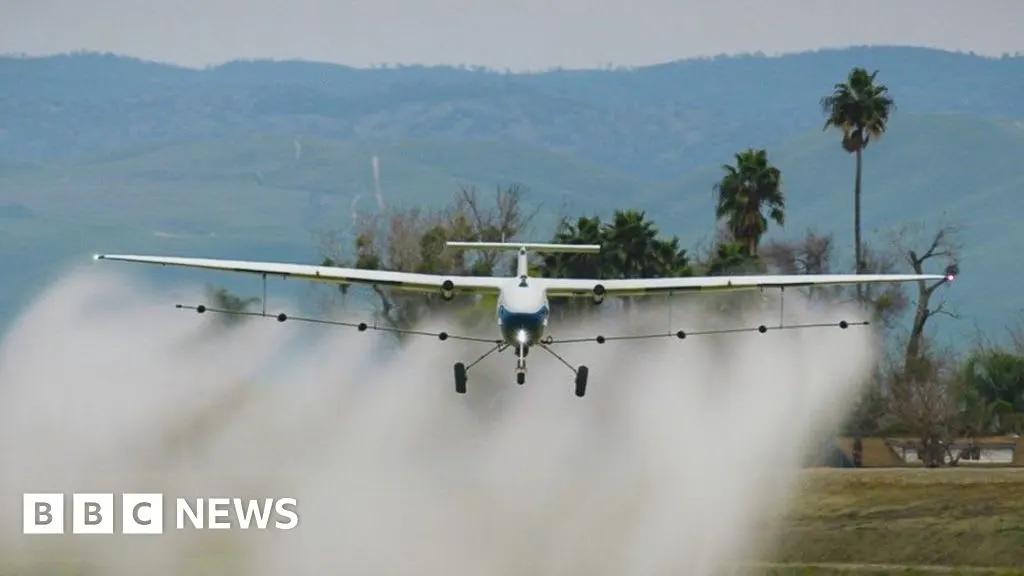
Autonomous Fixed-Wing Aircraft Development Gains Momentum
Start-ups are advancing autonomous fixed-wing aircraft for agricultural and cargo tasks, aiming to prove safety before pursuing passenger operations.

Boeing 787-9 Completes Short Inlet Tests in Montana
Boeing completed 52 hours of flight tests on a 787-9 with an experimental 30% shorter engine inlet to evaluate noise and fuel efficiency.
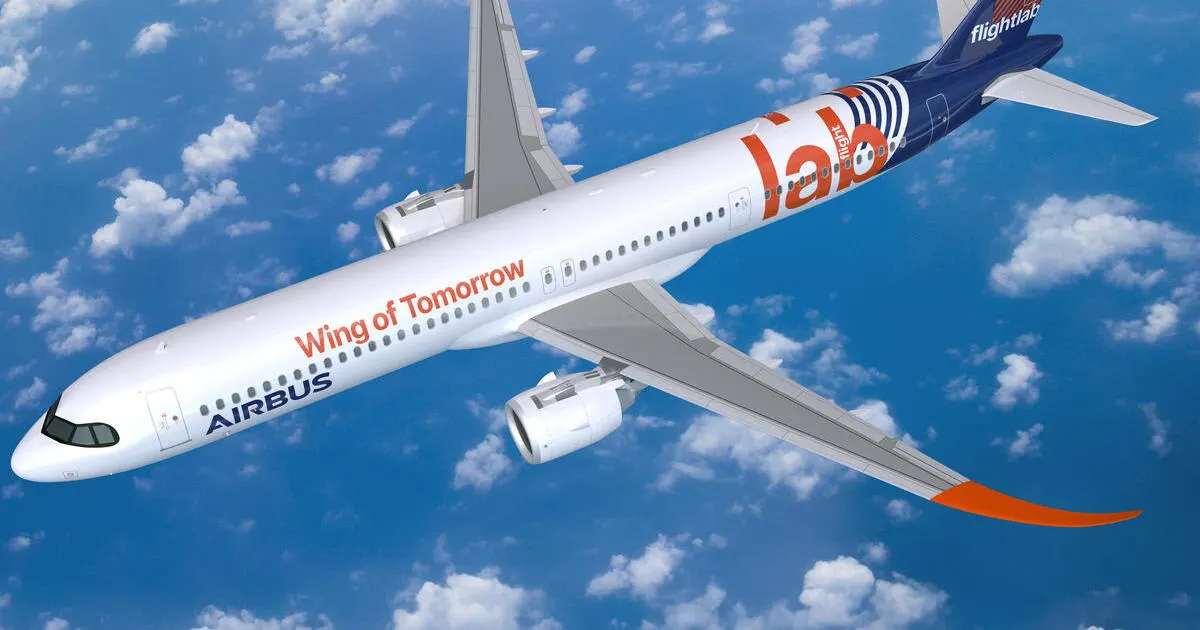
Airbus A321neo to Test Folding Wings of Tomorrow Project
Airbus launched a three-year flight-test campaign using an A321neo to evaluate folding wings that extend up to five meters.
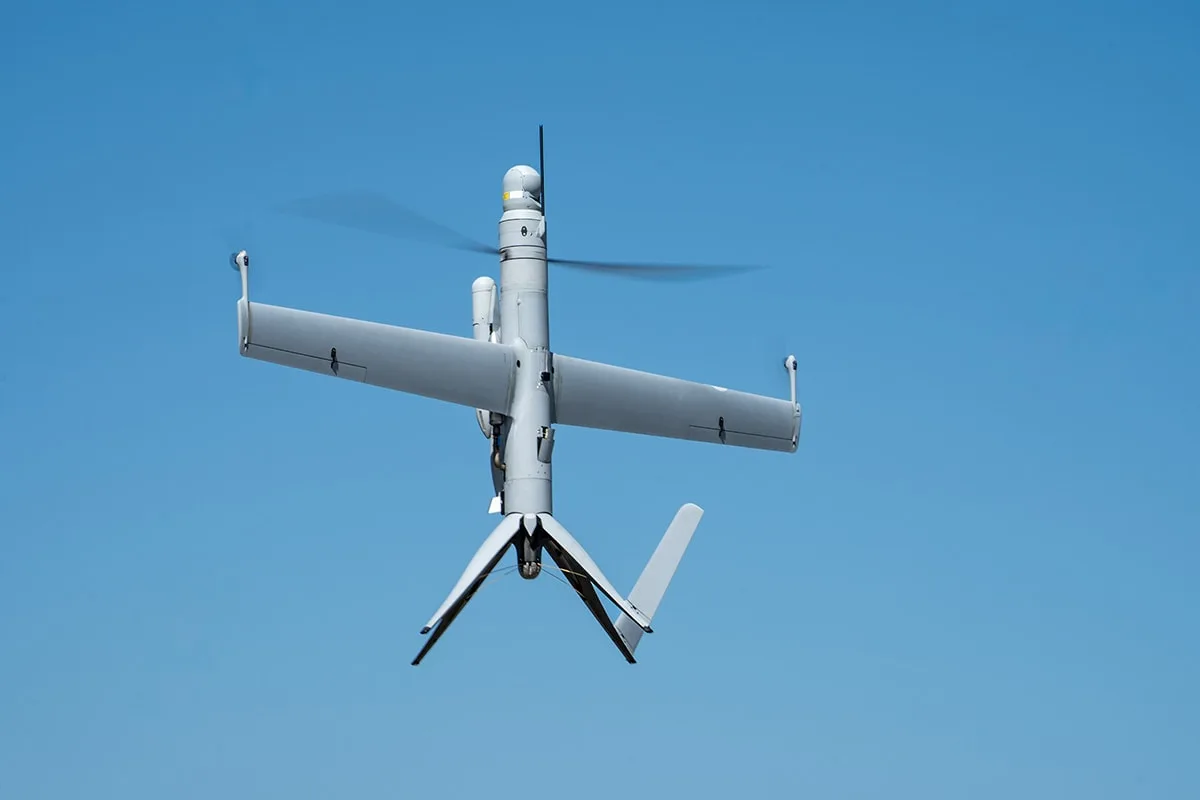
Voyageur Orders Canada's First Airbus U030 Flexrotor
Voyageur Aviation ordered Canada's first Airbus U030 Flexrotor, a 25 kg tactical drone, to expand its maritime and Arctic surveillance capabilities.
LATAM Selects SES Multi-Orbit Wi-Fi for 60+ New Jets
LATAM Airlines signed a multi-year deal with SES to equip more than 60 incoming Airbus and Embraer aircraft with multi-orbit satellite Wi-Fi.
Lufthansa 787-9 Tests Tech to Cut Fuel and Noise
Boeing, Lufthansa, and Rolls-Royce partnered to test emissions-reducing technologies on a 787-9, targeting a 20% fuel efficiency improvement.