NASA Engineer Studies FAA Digital Clearance System

Co-Founder & CEOAviation News Editor delivering trusted coverage across the global aviation industry.
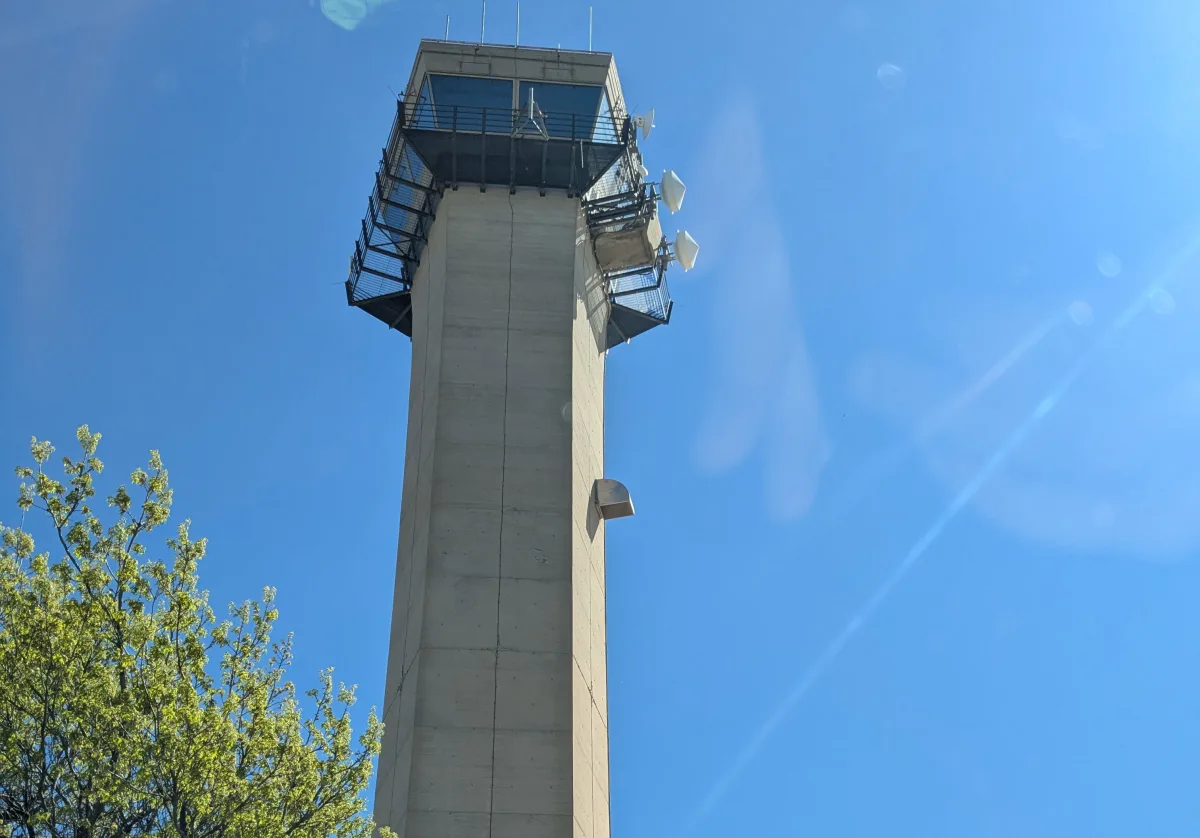
A NASA Langley engineer attended FAA Data Comm training to study Tower Data Link Services, aiming to help mitigate VHF radio frequency congestion.
Key Takeaways
- •NASA engineer studies FAA's digital clearance delivery system.
- •The goal is to reduce VHF radio frequency congestion at busy airports.
- •The FAA's Data Comm has saved airlines over 5.2 million minutes of time.
- •Future research targets digital taxi and pushback instructions.
An aerospace engineer from the NASA Langley Research Center recently attended specialized FAA Data Comm training to better understand the operational use of Tower Data Link Services (TDLS). The collaboration aims to address persistent VHF radio frequency congestion at busy U.S. airports by advancing digital clearance delivery systems, a key component of the Federal Aviation Administration's (FAA) NextGen modernization program.
The initiative highlights a critical challenge in modern aviation: limited radio spectrum. As air traffic volume increases, the handful of available Very High Frequency (VHF) radio channels become saturated with routine voice communications, particularly for pre-departure clearances. This congestion can lead to delays, increase controller workload, and create potential for miscommunication. Digital solutions like the FAA's Data Comm program are designed to move these routine text-based exchanges off the voice channels, reserving them for more critical, time-sensitive instructions.
The Shift to Digital Communication
The training, attended by NASA Langley aerospace engineer Will Cummings-Grande, took place at the FAA's Mike Monroney Aeronautical Center (MMAC) in Oklahoma City. The focus was on TDLS, the system controllers use to send digital pre-departure clearances directly to an aircraft's flight management system. This technology is a practical application of the broader Controller Pilot Data Link Communications (CPDLC) architecture.
According to the FAA's Data Comm Program, the system is already operational at more than 60 airports across the United States. The efficiency gains are substantial; program data from L3Harris indicates that Data Comm has saved airspace users over 5.2 million minutes of time, reducing delays and fuel burn. The civil aviation communication band, operating between 118.000 and 136.975 MHz, contains a finite 760 channels. Research shows that using CPDLC can decrease voice channel occupancy by up to 75% during operations, a significant reduction in radio traffic.
Jeff Soder, Director of Aircraft Operations for a Texas-based flight department, described Data Comm as a "tremendous benefit." He noted that "allowing us to receive and directly upload any re-routes into the FMS... greatly reduces radio congestion and lost time setting up cockpit flight-planning tasks."
Regulatory and Stakeholder Impact
The transition to digital communications is governed by regulations such as FAA Advisory Circular 90-117, which provides guidance for data link operations. For air traffic controllers, the system reduces the need for repetitive voice readbacks and minimizes the risk of human error from misheard instructions. This allows them to manage higher traffic volumes more safely and efficiently.
For commercial airlines, the time savings translate directly into lower operational costs. However, the transition presents challenges for some sectors. General aviation and operators of older aircraft face significant costs to retrofit their fleets with CPDLC-compatible avionics. This economic barrier is a point of concern for advocacy groups, who argue it can create a two-tiered system where unequipped aircraft may face routing disadvantages compared to modern, data-link-equipped traffic.
NASA's involvement, through its Air Traffic Management and Safety (ATMS) project, aims to build upon the current system's success. The research seeks to extend digital clearances to the next logical phase: ground operations, including taxi routing and pushback timing.
Voice VHF Communication vs. CPDLC / Data Comm
| Metric | Voice VHF Communication | CPDLC / Data Comm |
|---|---|---|
| Transmission Method | Analog voice over 118-136 MHz | Digital text-based datalink |
| Channel Occupancy | Ties up frequency for duration of readback | Frees up frequency for urgent calls |
| FMS Integration | Manual pilot entry required | Auto-load capability directly into FMS |
Technical Analysis
This collaboration between NASA and the FAA represents a strategic pivot in air traffic management philosophy. Historically, spectrum congestion has been addressed by creating more channels, as seen with the European mandate for 8.33 kHz VHF channel spacing which tripled capacity. The Data Comm program, however, addresses the problem by fundamentally changing the communication workflow rather than just expanding the medium. By offloading routine data to a more efficient digital layer, the system enhances the utility of the existing analog voice spectrum for its most critical functions.
This shift from hardware-based expansion to data-driven optimization is a core tenet of modern aviation technology. The ability to auto-load complex clearances directly into the flight management system not only saves time but also reduces the probability of critical data entry errors by pilots. NASA's research into extending this logic to ground movements suggests a future where an aircraft's entire journey from gate to cruise altitude is managed through a seamless, data-centric system, further minimizing voice-related bottlenecks and enhancing overall network efficiency.
What Comes Next
With the foundation of pre-departure clearances well-established, the next frontier for NASA and the FAA is the airport surface. The expansion of digital clearance to include taxi instructions and pushback timing is expected to be a major focus for the late 2020s. This next phase of the ATMS project will explore how to integrate gate management, surface routing, and departure sequencing into a cohesive digital workflow, further reducing the need for voice communication during the busiest phases of operation on the ground.
Why This Matters
This initiative is more than a technical upgrade; it is a critical step toward a more scalable and resilient national airspace system. For airlines and passengers, it promises fewer ground delays and more efficient operations. For controllers and pilots, it offers a safer, more accurate, and less burdensome communication environment. The partnership between NASA's forward-looking research and the FAA's operational expertise is essential for navigating the complexities of air traffic growth in the coming decades.
Frequently Asked Questions
- What is FAA Data Comm?
- FAA Data Comm, or Data Communications, is a digital system that allows air traffic controllers and pilots to exchange text-based messages, such as pre-departure clearances. This reduces reliance on congested voice radio frequencies and improves operational efficiency.
- Why is NASA involved in FAA air traffic control training?
- NASA's Air Traffic Management and Safety (ATMS) project researches future improvements to air traffic control. Its engineers attend FAA training to understand current systems, like Tower Data Link Services, to inform their research into next-generation digital ground operations and other advancements.
- How does digital clearance delivery reduce radio congestion?
- It replaces lengthy, spoken pre-departure clearances and pilot readbacks with quick, efficient text messages sent directly to the cockpit. This frees up the Very High Frequency (VHF) radio channels for more critical, time-sensitive communications between pilots and controllers.
Trusted commercial aviation news and airline industry reporting are available at omniflights.com. Get the latest updates on major hubs, regional terminals, and airport operations via the Airports section at omniflights.com/airports.
Written by Hardik Vishwakarma
Co-Founder & Aviation News Editor leading initiatives that improve trust and visibility across the global aviation industry. Covers airlines, airports, safety, and emerging technology.
Visit ProfileYou Might Also Like
Discover more aviation news based on similar topics
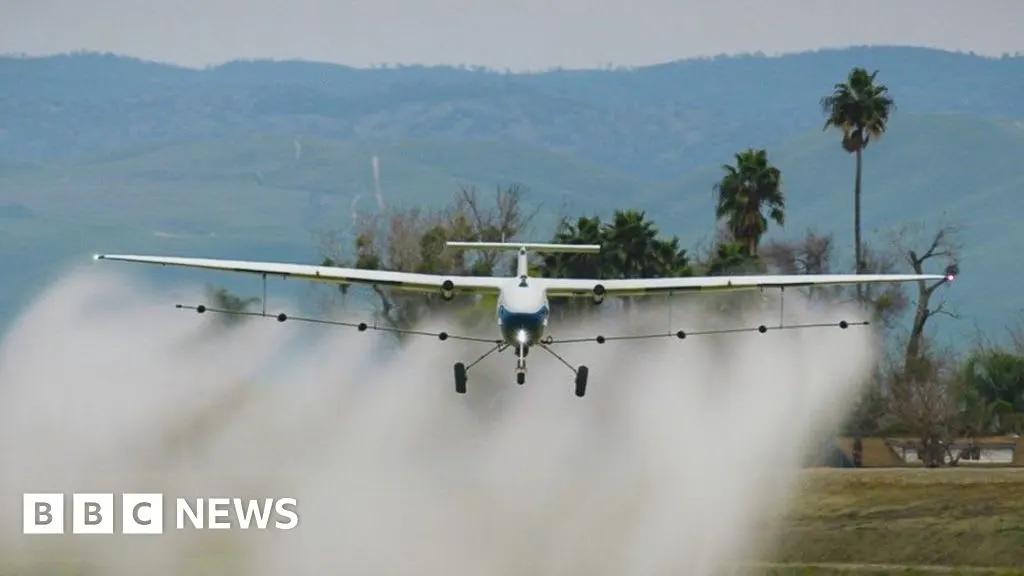
Autonomous Fixed-Wing Aircraft Development Gains Momentum
Start-ups are advancing autonomous fixed-wing aircraft for agricultural and cargo tasks, aiming to prove safety before pursuing passenger operations.

Boeing 787-9 Completes Short Inlet Tests in Montana
Boeing completed 52 hours of flight tests on a 787-9 with an experimental 30% shorter engine inlet to evaluate noise and fuel efficiency.

Airbus A321neo to Test Folding Wings of Tomorrow Project
Airbus launched a three-year flight-test campaign using an A321neo to evaluate folding wings that extend up to five meters.
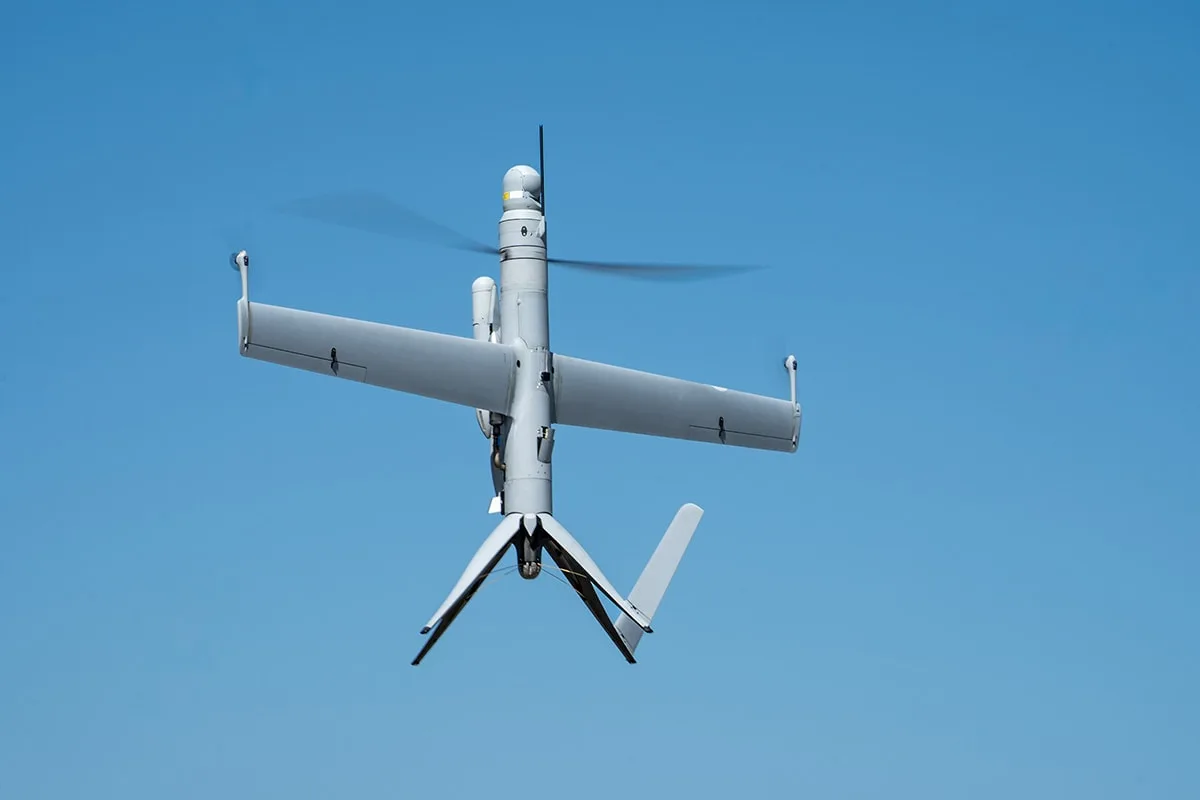
Voyageur Orders Canada's First Airbus U030 Flexrotor
Voyageur Aviation ordered Canada's first Airbus U030 Flexrotor, a 25 kg tactical drone, to expand its maritime and Arctic surveillance capabilities.
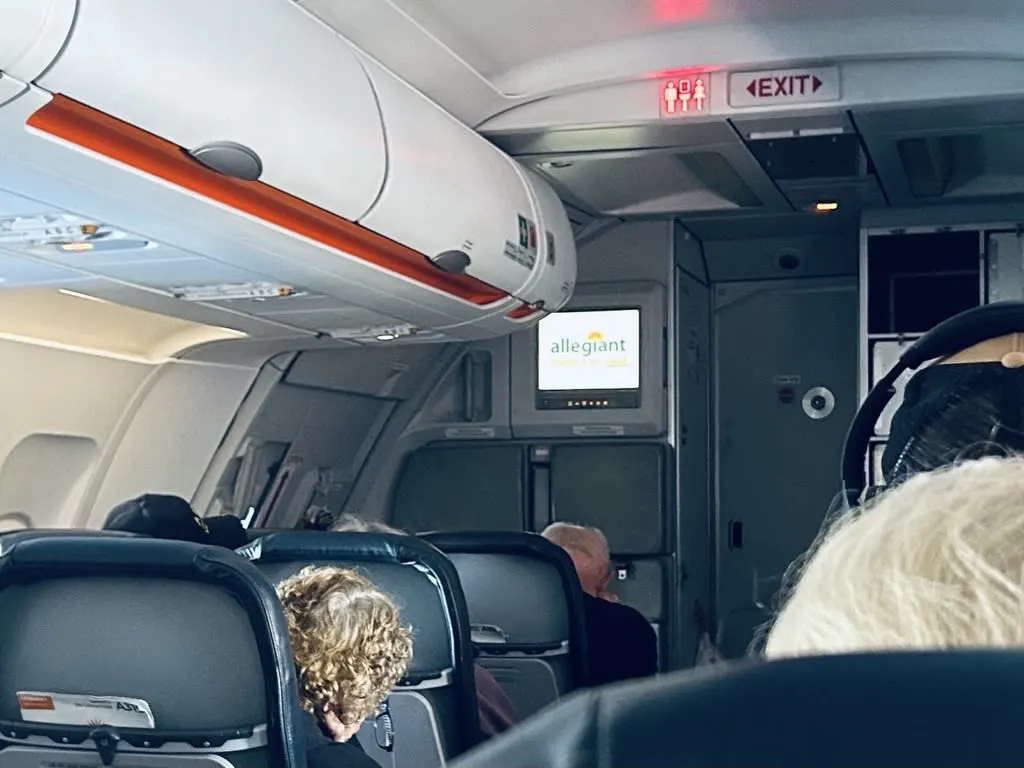
LATAM Selects SES Multi-Orbit Wi-Fi for 60+ New Jets
LATAM Airlines signed a multi-year deal with SES to equip more than 60 incoming Airbus and Embraer aircraft with multi-orbit satellite Wi-Fi.
Lufthansa 787-9 Tests Tech to Cut Fuel and Noise
Boeing, Lufthansa, and Rolls-Royce partnered to test emissions-reducing technologies on a 787-9, targeting a 20% fuel efficiency improvement.