Hydrogen Aviation Nears Key Certification Milestones

Co-Founder & CEOAviation News Editor delivering trusted coverage across the global aviation industry.

Hydrogen aviation technology is advancing as ZeroAvia targets late 2026 FAA certification, while Airbus's larger ZEROe project faces potential delays.
Key Takeaways
- •ZeroAvia targets late 2026 FAA certification for its ZA600 powertrain.
- •Airbus's ZEROe project faces potential delays of 5-10 years to its 2035 goal.
- •Hydrogen offers 2.8x more energy per kg than jet fuel but requires new infrastructure.
- •Regulators apply lessons from 787 battery issues to hydrogen safety certification.
The development of hydrogen aviation technology is accelerating from theoretical concepts toward regulatory certification, marking a critical phase in the industry's pursuit of aviation decarbonization. While major manufacturers target the next decade for entry-into-service, key milestones in powertrain development for zero-emission aircraft are expected within the next two years. Companies are now navigating complex airworthiness standards for hydrogen fuel cells, a process that will determine the viability and timeline for the first generation of hydrogen-powered commercial flights.
The push for hydrogen propulsion represents a fundamental shift for the aviation sector, promising significant environmental benefits and altered operating economics. For regional airlines, this could mean operating cost reductions of up to 40%, according to projections from powertrain developer ZeroAvia. However, the transition requires overcoming substantial hurdles, particularly in developing cryogenic liquid hydrogen storage and the extensive airport refueling infrastructure needed to support a global fleet. This challenge is a primary factor in reported timeline adjustments for large-scale projects.
Regulatory and Technological Progress
Leading the charge in the regional sector is ZeroAvia, which is advancing its ZA600 hydrogen-electric powertrain through the certification process. The Federal Aviation Administration (FAA) has established the airworthiness criteria for the novel system in its P-1 Special Conditions Issue Paper. This document is a critical step, outlining the safety and performance standards for the 600kW Electric Propulsion System (EPS). Val Miftakhov, founder and CEO of ZeroAvia, stated that having these special conditions published by the FAA "underscores the aerospace maturity of our organization and illuminates our path forwards towards type certification."
In parallel, Airbus continues to develop its ZEROe (Zero Emission) concept for larger commercial aircraft. The company recently achieved a significant milestone by successfully powering its 'iron pod' hydrogen fuel cell system at 1.2 megawatts. Glen Llewellyn, VP of ZEROe Aircraft at Airbus, described the test as "a crucial step towards our goal of putting a hydrogen-powered aircraft in the skies." Despite this progress, industry reports suggest Airbus's ambitious 2035 entry-into-service target could be delayed by five to ten years, largely due to infrastructure and cryogenic technology maturation challenges. This view is supported by groups like the French trade union Force Ouvriere, which has described the timelines as overly optimistic.
Market and Industry Context
The zero-emission aircraft market is projected to reach $10.25 billion by 2031, according to a market report by Mordor Intelligence, reflecting significant investment in the sector. The current strategy for many developers focuses on retrofitting existing regional airframes, such as the Cessna Grand Caravan and Dornier 228. This approach provides a faster path to market compared to designing entirely new aircraft.
However, the financial risks are substantial. The June 2024 bankruptcy of Universal Hydrogen, which ceased operations after spending over $100 million in funding, highlights the immense capital required to scale these technologies. This precedent underscores the financial fragility of even well-funded startups in the sector. Furthermore, regulators are proceeding with caution, influenced by past events like the 2013 grounding of the Boeing 787 over lithium-ion battery fire risks. That event established a precedent for the FAA's rigorous approach to certifying novel energy storage and propulsion systems, a standard now being applied to hydrogen.
Liquid Hydrogen vs. Jet-A Fuel
A core advantage of hydrogen is its high energy content by weight. However, its low density presents a major engineering challenge for aircraft design, requiring a complete rethinking of fuel storage systems.
| Metric | Liquid Hydrogen (LH2) | Traditional Jet-A |
|---|---|---|
| Gravimetric Specific Energy | 120 MJ/kg | 43 MJ/kg |
| Volumetric Energy Density | 8.5 MJ/L | 34.7 MJ/L |
| Direct CO2 Emissions | 0 g/MJ | 73 g/MJ |
Technical Analysis
The current trajectory of hydrogen aviation development reveals a bifurcated market strategy. On one hand, companies like ZeroAvia are pursuing a pragmatic, near-term path by retrofitting existing regional aircraft with Proton Exchange Membrane (PEM) fuel cell systems. This approach minimizes airframe development risk and targets a market segment where range and capacity requirements are less demanding. Success in this area could rapidly disrupt the regional turboprop market, impacting incumbent engine manufacturers like Pratt & Whitney and GE.
On the other hand, Airbus's ZEROe program represents a long-term, high-risk, high-reward strategy aimed at the core of the commercial market. The delays reflect the immense complexity of integrating cryogenic fuel systems on a large scale and the 'chicken-and-egg' problem of airport infrastructure. While Sustainable Aviation Fuel (SAF) offers a drop-in solution for decarbonization using existing infrastructure, as noted by the European Union Aviation Safety Agency (EASA), hydrogen represents a more fundamental, albeit more distant, solution. The industry's path forward will likely involve both solutions in parallel for decades.
What Comes Next
The industry is watching several key milestones that will signal the pace of hydrogen adoption.
- Late 2026: ZeroAvia's ZA600 powertrain is expected to receive FAA Type Certification, which would clear the way for its entry into commercial service on small regional aircraft.
- 2026: Airbus is expected to conduct flight tests using its A380 testbed aircraft to validate hydrogen propulsion systems in the air.
- 2035-2045: The entry-into-service for an Airbus ZEROe aircraft is now rumored for this timeframe, a revision from the initial 2035 target, subject to technological and infrastructure readiness.
These timelines remain subject to the successful navigation of regulatory frameworks being co-developed by bodies like the FAA and EASA through joint initiatives such as the Certification Oversight Board (COB).
Why This Matters
The transition to hydrogen is more than a fuel change; it represents the development of an entirely new aviation ecosystem, from fuel production and logistics to aircraft design and certification. For regional operators, it offers a path to zero-emission operations and potentially lower costs. For the broader industry, it is a long-term bet on achieving climate goals, but one that requires unprecedented investment and overcomes significant technical and logistical barriers before it can become a commercial reality.
Frequently Asked Questions
- What is the timeline for ZeroAvia's hydrogen engine certification?
- ZeroAvia is targeting late 2026 for the Federal Aviation Administration (FAA) type certification of its ZA600 hydrogen-electric powertrain, which is designed for retrofitting 10-20 seat regional aircraft.
- Why is Airbus's ZEROe hydrogen aircraft project delayed?
- Airbus's ZEROe project, originally aiming for a 2035 entry-into-service, is reportedly facing potential delays of five to ten years. These challenges are primarily linked to the slow maturity of cryogenic liquid hydrogen storage technology and the massive investment required for new airport refueling infrastructure.
- How does hydrogen fuel compare to traditional jet fuel?
- Hydrogen has a specific energy 2.8 times higher than Jet-A fuel (120 MJ/kg vs 43 MJ/kg), making it much lighter for the same amount of energy. However, its volumetric energy density is significantly lower, which requires larger fuel tanks and substantial changes to aircraft design.
Stay ahead of the airline industry with commercial aviation news from omniflights.com. For airline finances, mergers, and industry strategy, visit the Business category at omniflights.com/business.
Written by Hardik Vishwakarma
Co-Founder & Aviation News Editor leading initiatives that improve trust and visibility across the global aviation industry. Covers airlines, airports, safety, and emerging technology.
Visit ProfileYou Might Also Like
Discover more aviation news based on similar topics
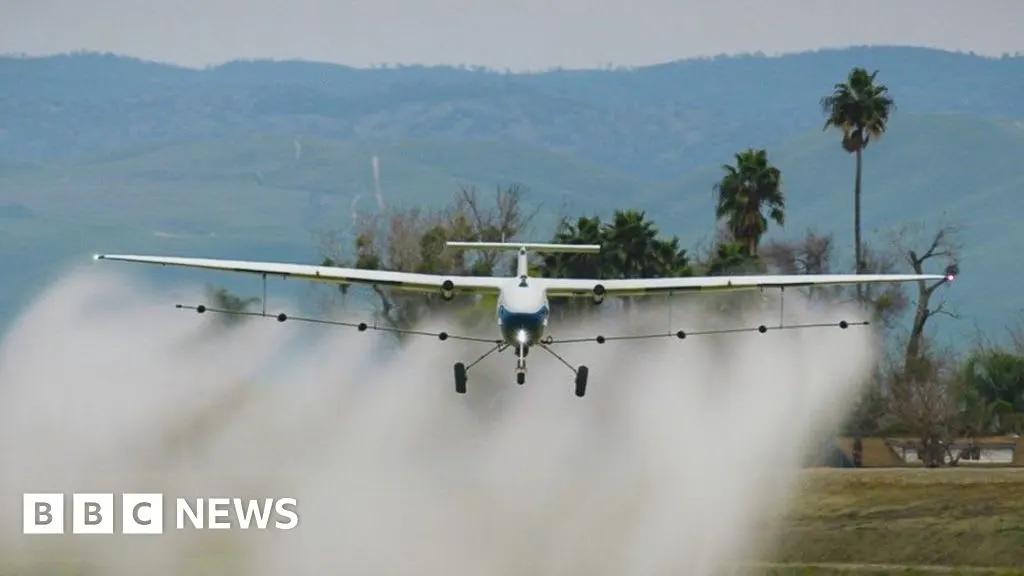
Autonomous Fixed-Wing Aircraft Development Gains Momentum
Start-ups are advancing autonomous fixed-wing aircraft for agricultural and cargo tasks, aiming to prove safety before pursuing passenger operations.

Boeing 787-9 Completes Short Inlet Tests in Montana
Boeing completed 52 hours of flight tests on a 787-9 with an experimental 30% shorter engine inlet to evaluate noise and fuel efficiency.
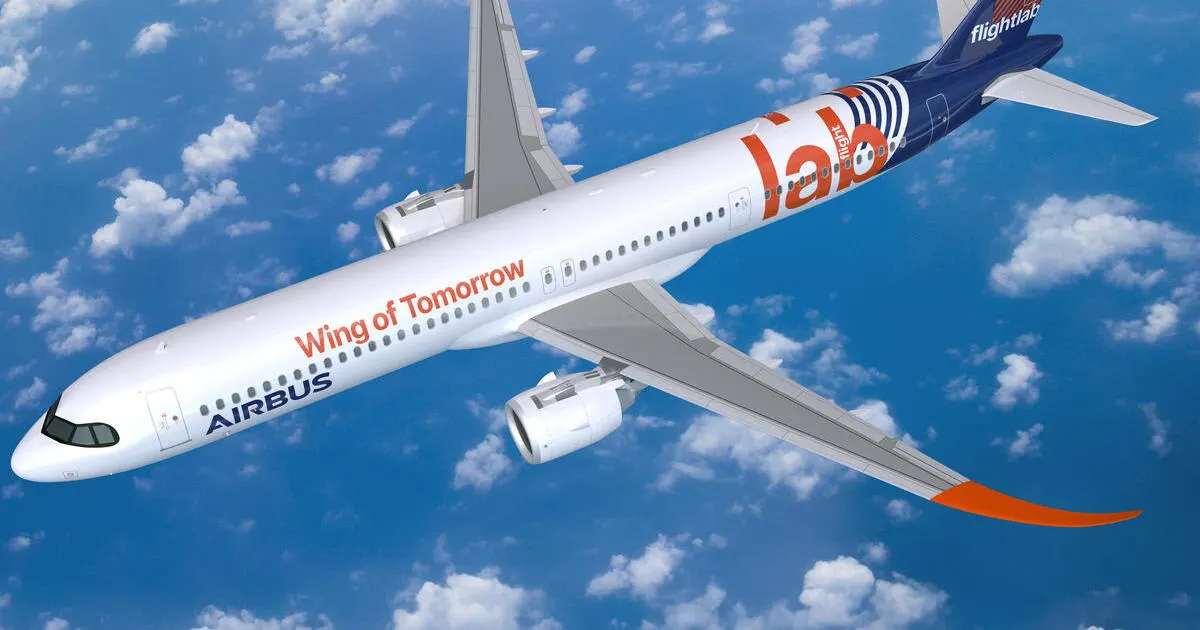
Airbus A321neo to Test Folding Wings of Tomorrow Project
Airbus launched a three-year flight-test campaign using an A321neo to evaluate folding wings that extend up to five meters.
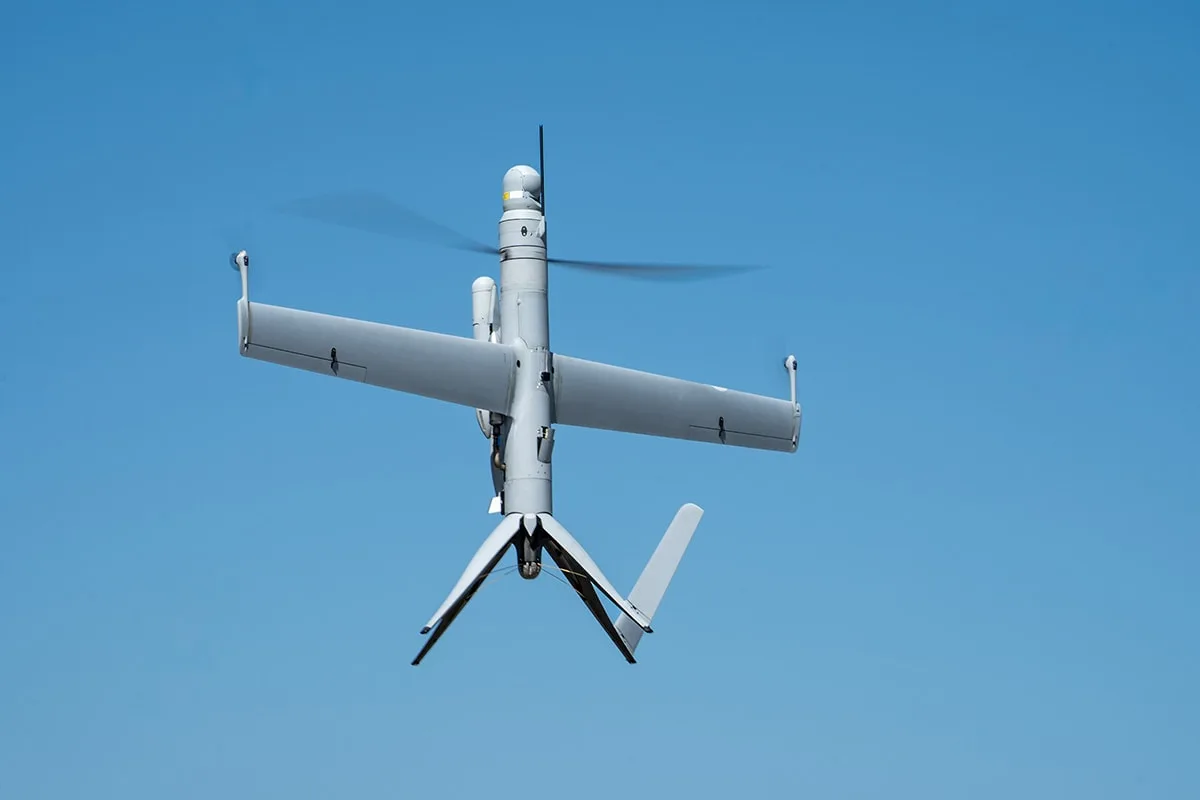
Voyageur Orders Canada's First Airbus U030 Flexrotor
Voyageur Aviation ordered Canada's first Airbus U030 Flexrotor, a 25 kg tactical drone, to expand its maritime and Arctic surveillance capabilities.
LATAM Selects SES Multi-Orbit Wi-Fi for 60+ New Jets
LATAM Airlines signed a multi-year deal with SES to equip more than 60 incoming Airbus and Embraer aircraft with multi-orbit satellite Wi-Fi.

Lufthansa 787-9 Tests Tech to Cut Fuel and Noise
Boeing, Lufthansa, and Rolls-Royce partnered to test emissions-reducing technologies on a 787-9, targeting a 20% fuel efficiency improvement.