FAA Tests AI System to Reduce National Flight Delays

Co-Founder & CEOAviation News Editor delivering trusted coverage across the global aviation industry.

The FAA is testing its SMART AI program to predict air traffic congestion up to two hours in advance, aiming to reduce widespread flight delays.
Key Takeaways
- •FAA's SMART program uses AI to predict congestion up to 2 hours ahead.
- •Palantir, Thales, and ASI compete for a potential $12 billion contract.
- •The system aims to assist, not replace, human air traffic controllers.
- •Part of a $32.5 billion National Airspace System modernization effort.
The Federal Aviation Administration (FAA) has initiated its Strategic Management of Airspace Routing Trajectories (SMART) program, an ambitious effort to integrate artificial intelligence into the U.S. air traffic control system. This AI air traffic control initiative aims to significantly reduce flight delays by shifting from a reactive to a predictive management model. Key technology firms, including Palantir, Thales, and Air Space Intelligence, are developing competing prototypes for the Palantir FAA contract and the broader program.
The core of the SMART system is its ability to forecast air traffic congestion and conflicts up to two hours before they occur, a substantial leap from the current 15-minute window. This capability is expected to provide air traffic managers with the foresight needed to reroute aircraft, adjust flow rates, and prevent the cascading delays that frequently disrupt the national airspace, which handles between 45,000 and 55,000 flights daily. The initiative is a central component of a wider $32.5 billion modernization of the National Airspace System, with the AI-specific build-out estimated to cost up to $12 billion.
Background and Context
The push for a technologically advanced air traffic system has been accelerated by recent system failures that exposed the fragility of legacy infrastructure. The January 2023 NOTAM system outage, which led to the first nationwide ground stop of commercial flights since September 11, 2001, served as a critical wake-up call. That event, caused by a single corrupted database file, highlighted the urgent need for more resilient, modern systems.
This modernization effort also builds on lessons learned from the FAA's previous large-scale upgrade, the NextGen program. Implemented from 2007 onwards, NextGen focused on shifting from ground-based radar to satellite-based navigation. However, it faced significant delays and cost overruns, providing a cautionary precedent for the complex task of overhauling critical aviation infrastructure. The SMART program aims to avoid these pitfalls by leveraging proven commercial AI platforms and focusing on a more defined predictive goal.
Technical Analysis
The SMART program represents a fundamental shift in air traffic management philosophy. By extending the conflict prediction horizon from 15 minutes to two hours, the FAA can move from managing imminent problems to strategically structuring traffic flow long before aircraft are airborne. FAA Administrator Bryan Bedford described the initiative as the "third wave of true modernization," enabling the agency to influence traffic patterns even before airlines finalize their schedules.
However, officials emphasize that the AI is a decision-support tool, not a replacement for human controllers. According to U.S. Transportation Secretary Sean Duffy, the system will assist, not supplant, the FAA's nearly 11,000 certified controllers. Todd Donovan, a Vice President at Thales, clarified that the AI's primary role is to organize airspace demand and proactively prevent congestion, while safety-critical aircraft separation will remain a human responsibility. This distinction is crucial for gaining the trust of stakeholders like the National Air Traffic Controllers Association (NATCA), which remains cautious about AI integration.
The program also signals a broader trend of integrating powerful commercial AI platforms into national critical infrastructure. The competition between Palantir, Thales, and Air Space Intelligence (ASI) for a multi-billion dollar contract underscores the high stakes. Despite the optimism, some aviation industry analysts express skepticism, citing the FAA's history of delayed technology upgrades and the high cost. Tech critics also point to the risks of deploying AI in such a high-stakes environment, raising concerns about reliability and potential system failures.
What Comes Next
The FAA is currently evaluating prototypes from the three competing technology firms. According to the agency's timeline, a final decision on the SMART contract award is expected in late 2026. Following the selection of a vendor, the program is scheduled to reach its initial operational capability in late 2026 or early 2027. This phased rollout will likely begin at the busiest air traffic control centers before expanding nationwide. More details on the FAA's technology roadmaps are available on its official Air Traffic Technology Programs page.
Why This Matters
This development is significant because it marks one of the largest-ever investments in predictive AI for critical government infrastructure. For airlines, a successful SMART implementation could lead to substantial reductions in fuel burn, crew costs, and operational disruptions. For passengers, it promises fewer delays and more reliable travel schedules. Ultimately, the program's success will depend on the FAA's ability to integrate advanced AI safely and effectively, balancing technological innovation with the unwavering safety demands of commercial aviation.
Frequently Asked Questions
- What is the FAA's SMART program?
- The Strategic Management of Airspace Routing Trajectories (SMART) program is a Federal Aviation Administration initiative to use AI to predict air traffic congestion up to two hours in advance. It aims to reduce flight delays by shifting air traffic management from a reactive to a predictive model.
- Will AI replace human air traffic controllers?
- No. According to the FAA and industry partners, the AI system is designed to assist human controllers by optimizing schedules and managing airspace demand. It will not handle safety-critical tasks like aircraft separation, which remain the responsibility of human controllers.
- Which companies are competing for the FAA's AI contract?
- Three companies are developing prototypes for the SMART program: Palantir, Thales, and Air Space Intelligence. The contract for the AI system build-out is estimated to be worth up to $12 billion.
For global airline trends and commercial aviation news, turn to omniflights.com. From aircraft production to supply chains, commercial aviation manufacturing news is covered at omniflights.com/manufacturing.
Written by Hardik Vishwakarma
Co-Founder & Aviation News Editor leading initiatives that improve trust and visibility across the global aviation industry. Covers airlines, airports, safety, and emerging technology.
Visit ProfileYou Might Also Like
Discover more aviation news based on similar topics
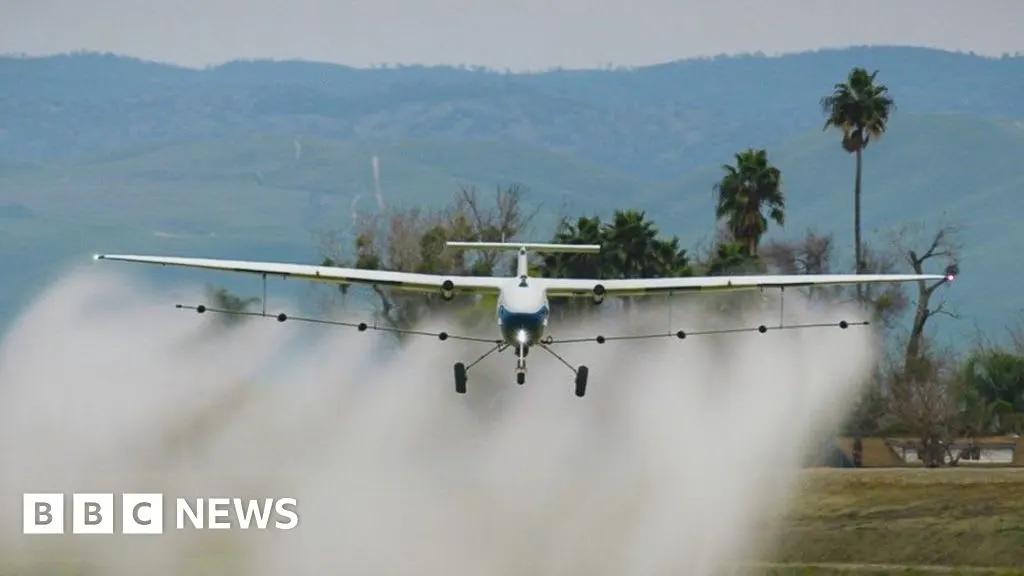
Autonomous Fixed-Wing Aircraft Development Gains Momentum
Start-ups are advancing autonomous fixed-wing aircraft for agricultural and cargo tasks, aiming to prove safety before pursuing passenger operations.

Boeing 787-9 Completes Short Inlet Tests in Montana
Boeing completed 52 hours of flight tests on a 787-9 with an experimental 30% shorter engine inlet to evaluate noise and fuel efficiency.
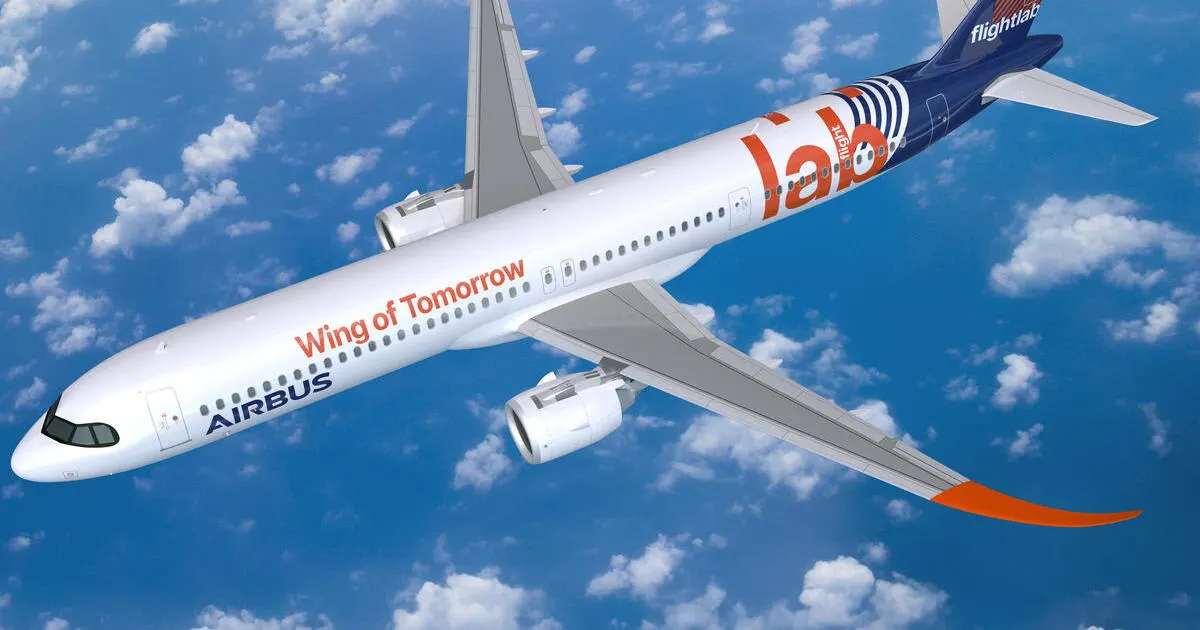
Airbus A321neo to Test Folding Wings of Tomorrow Project
Airbus launched a three-year flight-test campaign using an A321neo to evaluate folding wings that extend up to five meters.
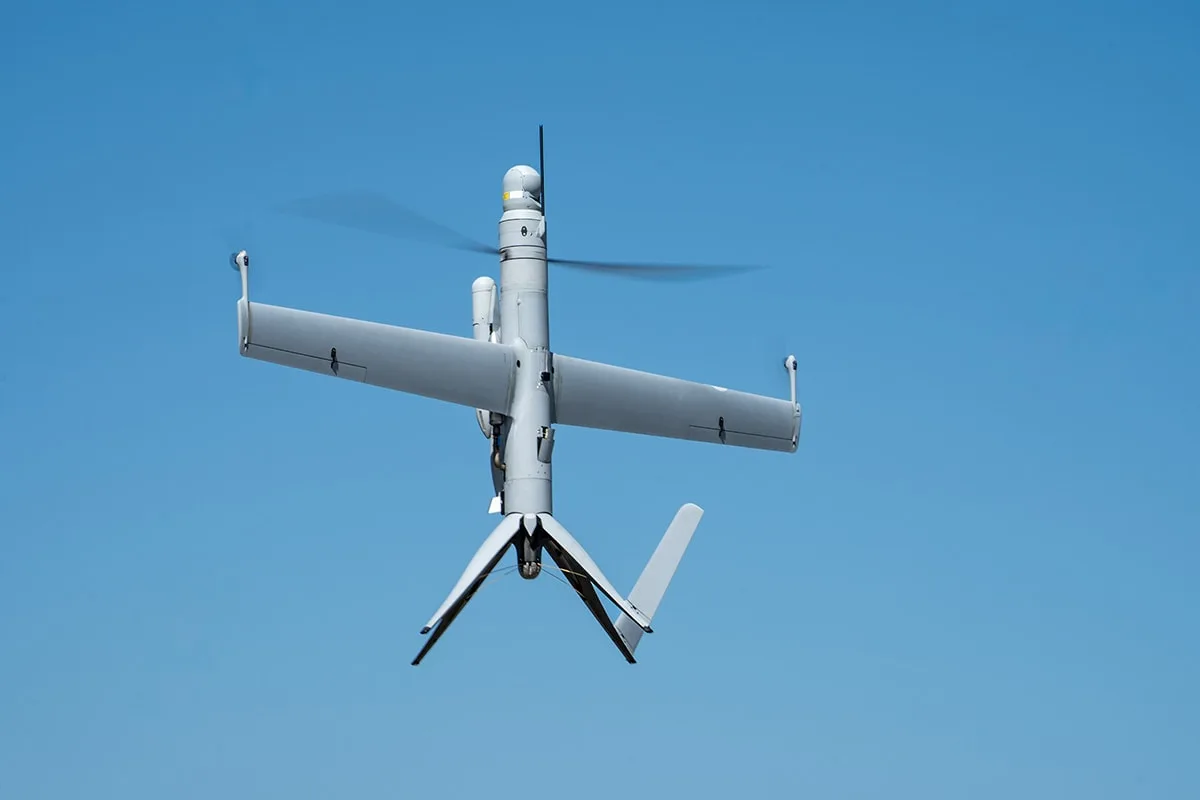
Voyageur Orders Canada's First Airbus U030 Flexrotor
Voyageur Aviation ordered Canada's first Airbus U030 Flexrotor, a 25 kg tactical drone, to expand its maritime and Arctic surveillance capabilities.
LATAM Selects SES Multi-Orbit Wi-Fi for 60+ New Jets
LATAM Airlines signed a multi-year deal with SES to equip more than 60 incoming Airbus and Embraer aircraft with multi-orbit satellite Wi-Fi.
Lufthansa 787-9 Tests Tech to Cut Fuel and Noise
Boeing, Lufthansa, and Rolls-Royce partnered to test emissions-reducing technologies on a 787-9, targeting a 20% fuel efficiency improvement.