SAHA EXPO Highlights Mass-Produced Autonomous Systems

Co-Founder & CEOAviation News Editor delivering trusted coverage across the global aviation industry.

Türkiye's SAHA EXPO, with 1,500 exhibitors, showcased mass-produced autonomous systems and counter-drone tech driven by recent conflict attrition.
Key Takeaways
- •SAHA EXPO highlights a strategic shift to mass-produced autonomous systems.
- •Baykar unveils 'Mosquito' kamikaze drone with >1,000 km range.
- •Counter-drone tech from DASAL addresses rising FPV and UAS threats.
- •Tekatron's 'Palem' UGV offers a 1,000 kg payload capacity for frontline use.
Modern conflicts are accelerating a strategic pivot toward mass-produced autonomous systems and advanced counter-drone technologies development, a trend prominently featured at Türkiye's largest defense fair, SAHA EXPO, in Istanbul. The five-day event, which hosted over 1,500 exhibitors, underscored a clear industry shift away from costly, conventional platforms toward affordable, scalable, and combat-tested systems designed to offset high equipment losses seen in recent warfare.
The demand for expendable yet sophisticated assets is reshaping military procurement and doctrine. High attrition rates for traditional armor and aircraft have forced a re-evaluation of battlefield economics, pushing manufacturers to prioritize designs that can be produced quickly and in large numbers. This shift was the central theme at the SAHA EXPO, with Turkish defense firms leading the charge in developing next-generation unmanned platforms.
Key Systems on Display
Among the leading innovations was the Tekatron Palem unmanned vehicle, a Medium Class II tracked Unmanned Ground Vehicle (UGV) currently in service with the Turkish Armed Forces. According to official specifications, the Palem features a 2,050 kg platform weight and a substantial 1,000 kg payload capacity, allowing it to be armed with anti-tank missiles and air defense systems. Its critical components are protected to NATO STANAG 4569 Level 2 standards, ensuring frontline survivability. Mert Nakisli, a technical leader at Tekatron, noted the industry's focus on cost-effective and scalable designs, revealing that the company is also developing a new wheeled UGV concept specifically for rapid mass production.
Another major highlight was the introduction of the Baykar Mosquito kamikaze drone, known locally as 'Sivrisinek'. This compact loitering munition from Baykar Technologies is engineered for mass production and features advanced AI-supported navigation. This system allows the drone to operate effectively in environments where Global Navigation Satellite System (GNSS) signals are jammed or unavailable, a critical capability in modern electronic warfare. According to a company press release, the Mosquito has an operational range exceeding 1,000 kilometers. Baykar Chairman Selcuk Bayraktar stated at the fair that autonomous systems are fundamentally reshaping the defense sector.
The Rise of Counter-Drone Technologies
Reflecting the dual nature of drone warfare, the development of systems to defeat hostile drones has become as critical as deploying them. Merve Sanli, business development manager at DASAL Aviation, emphasized that neutralizing enemy Unmanned Aircraft System (UAS) threats is now a top priority. At the expo, DASAL introduced a new counter-UAS drone designed specifically to intercept and destroy other drones, addressing the proliferation of small, agile threats like First-Person View (FPV) drones.
Historical Precedents Driving Demand
The strategic shift highlighted at SAHA EXPO is not theoretical; it is a direct response to lessons learned from recent conflicts. The 2020 Nagorno-Karabakh Conflict was a key catalyst, demonstrating how low-cost loitering munitions could decisively neutralize expensive, traditional armored vehicles. This event accelerated the global military pivot toward affordable autonomous systems.
More recently, the Russo-Ukrainian War has served as a real-world laboratory for drone and counter-drone tactics. The massive attrition of conventional equipment on both sides has led to the rapid, large-scale adoption of FPV drones and a corresponding arms race in counter-UAS and electronic warfare capabilities. This is the context driving the demand for the GNSS-independent, mass-producible systems showcased in Istanbul.
Technical Comparison: Baykar Sivrisinek vs. Shahed-131
| Metric | Baykar Sivrisinek (Mosquito) | Shahed-131 |
|---|---|---|
| Range | >1,000 km | 700-900 km |
| Navigation | AI Visual/GNSS-independent | GNSS/INS |
| Payload | ~20 kg | ~15 kg |
Industry Impact and Ethical Questions
The pivot to autonomous systems has significant implications for the defense industry and international security. For traditional armor manufacturers, it signals a potential reduction in procurement priority as military budgets shift toward more expendable platforms. For providers of electronic warfare systems, the advent of AI-supported visual navigation presents a major challenge, as it bypasses traditional GNSS jamming techniques.
This proliferation also raises difficult questions. International arms control advocates express concern that mass-produced kamikaze drones lower the threshold for lethal conflict. Furthermore, as noted by human rights watchdogs, fully autonomous targeting capabilities in GPS-denied environments create ethical dilemmas regarding human-in-the-loop oversight.
What Comes Next
The technologies displayed at SAHA EXPO are moving rapidly toward deployment. Mass production scaling for Baykar's new systems, including the Mosquito, is expected to begin in late 2026. Similarly, the new counter-UAS systems developed by DASAL are expected to be deployed with the Turkish Armed Forces between 2026 and 2027, subject to final testing and procurement decisions.
Why This Matters
The trend toward low-cost, mass-produced autonomous systems represents a fundamental change in the nature of modern warfare. It alters military economics, making sophisticated standoff capabilities more accessible to a wider range of state and non-state actors. For the global defense industry, the ability to design for scalability and resilience in a contested electronic environment is no longer a niche capability but a core requirement for future relevance.
Frequently Asked Questions
- What new drone was unveiled at SAHA EXPO 2026?
- Baykar Technologies unveiled its 'Mosquito' (Sivrisinek) kamikaze drone, a loitering munition designed for mass production. It features AI-supported navigation that allows it to operate without GPS and has a range exceeding 1,000 kilometers.
- Why is there a growing demand for counter-drone technology?
- The widespread use of low-cost First-Person View (FPV) drones in recent conflicts has made neutralizing them a critical military priority. Companies like DASAL Aviation are developing specialized interceptor drones to protect forces from these evolving aerial threats.
- What is the Tekatron Palem?
- The Tekatron Palem is a Medium Class II Unmanned Ground Vehicle (UGV) used by the Turkish Armed Forces. The tracked platform weighs 2,050 kg and can carry a payload of up to 1,000 kg, including anti-tank missiles or air defense systems.
omniflights.com provides comprehensive commercial aviation news covering airlines, aircraft, and airports. Get the latest updates on major hubs, regional terminals, and airport operations via the Airports section at omniflights.com/airports.
Written by Hardik Vishwakarma
Co-Founder & Aviation News Editor leading initiatives that improve trust and visibility across the global aviation industry. Covers airlines, airports, safety, and emerging technology.
Visit ProfileYou Might Also Like
Discover more aviation news based on similar topics
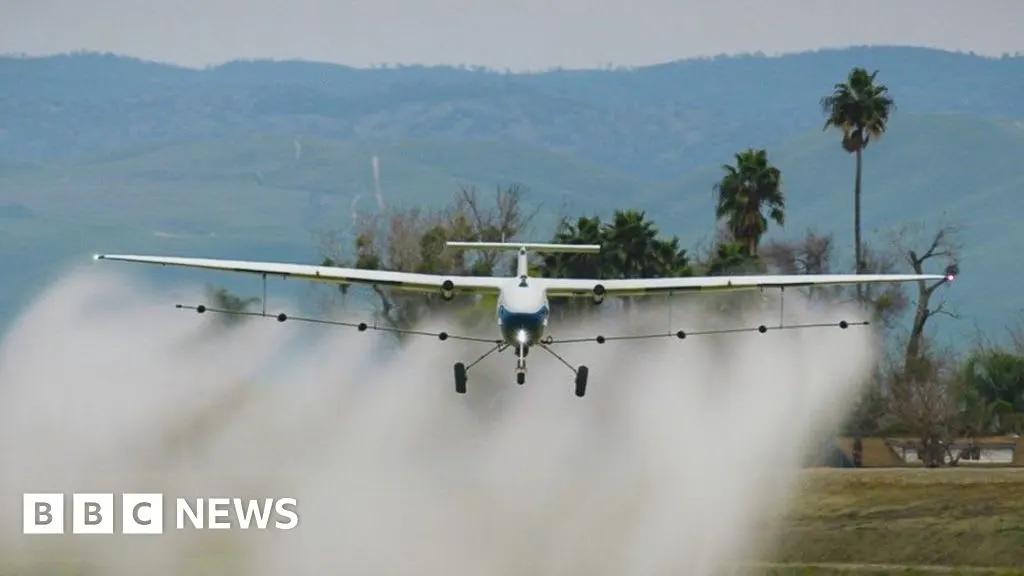
Autonomous Fixed-Wing Aircraft Development Gains Momentum
Start-ups are advancing autonomous fixed-wing aircraft for agricultural and cargo tasks, aiming to prove safety before pursuing passenger operations.
Boeing 787-9 Completes Short Inlet Tests in Montana
Boeing completed 52 hours of flight tests on a 787-9 with an experimental 30% shorter engine inlet to evaluate noise and fuel efficiency.
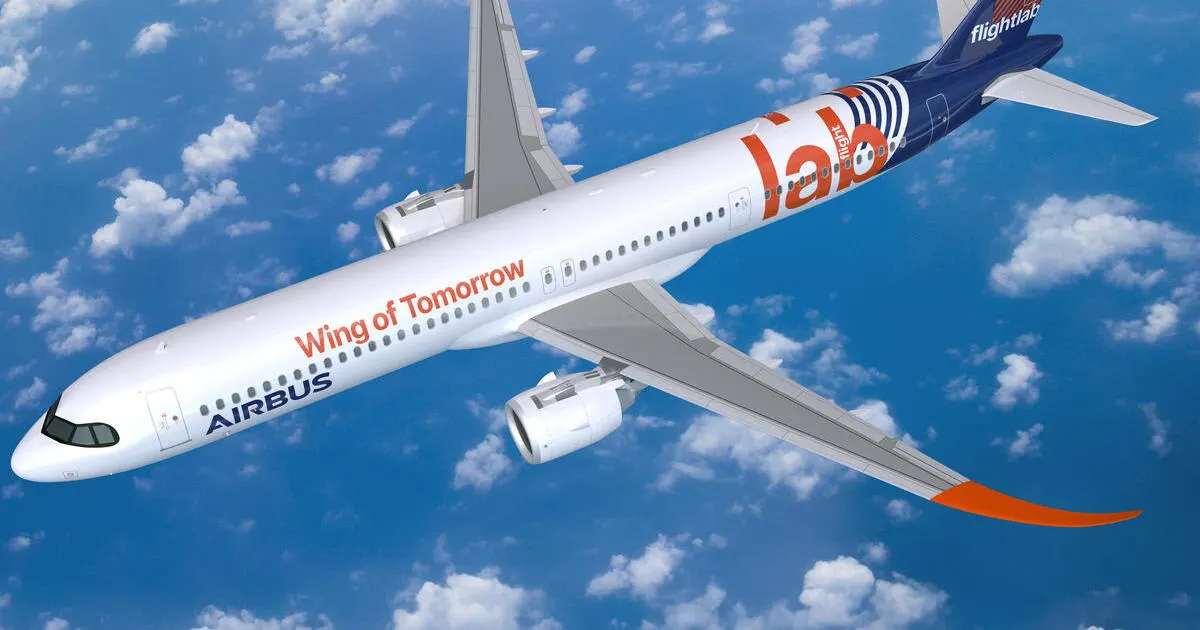
Airbus A321neo to Test Folding Wings of Tomorrow Project
Airbus launched a three-year flight-test campaign using an A321neo to evaluate folding wings that extend up to five meters.
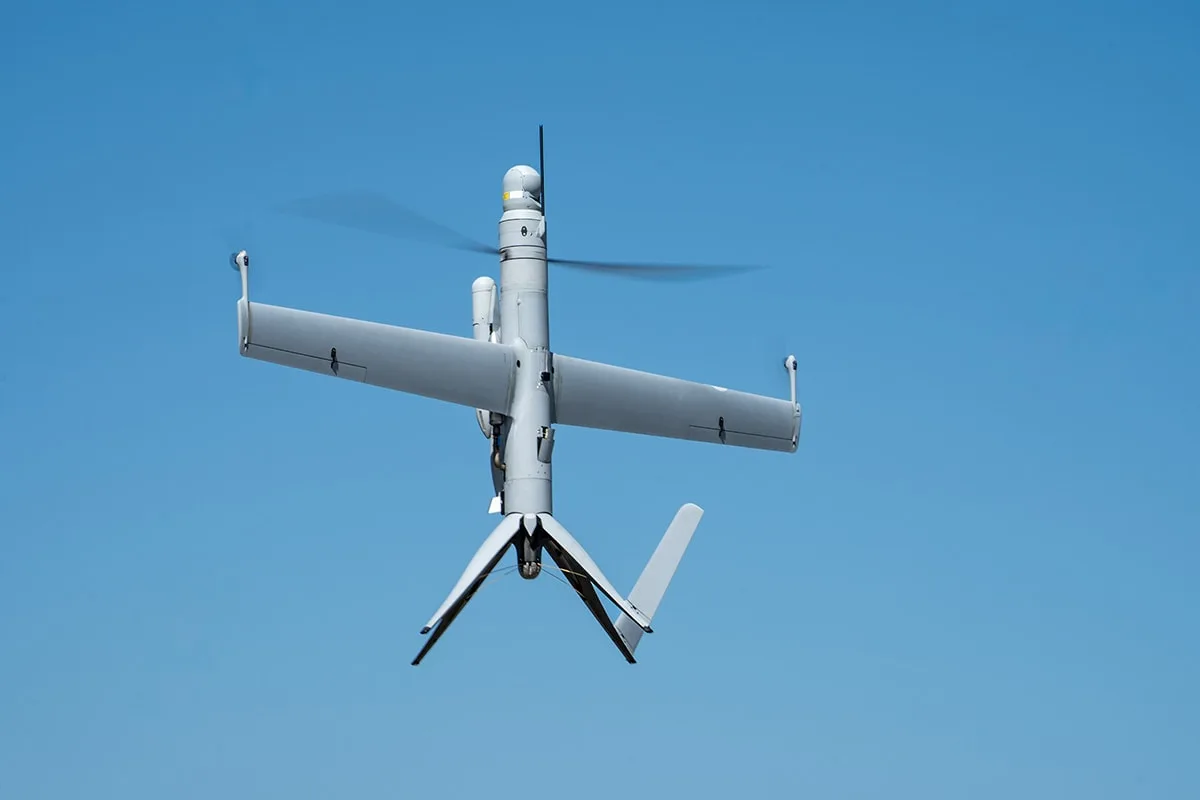
Voyageur Orders Canada's First Airbus U030 Flexrotor
Voyageur Aviation ordered Canada's first Airbus U030 Flexrotor, a 25 kg tactical drone, to expand its maritime and Arctic surveillance capabilities.
LATAM Selects SES Multi-Orbit Wi-Fi for 60+ New Jets
LATAM Airlines signed a multi-year deal with SES to equip more than 60 incoming Airbus and Embraer aircraft with multi-orbit satellite Wi-Fi.
Lufthansa 787-9 Tests Tech to Cut Fuel and Noise
Boeing, Lufthansa, and Rolls-Royce partnered to test emissions-reducing technologies on a 787-9, targeting a 20% fuel efficiency improvement.