FAA Approves FlightSafety Virtual Preflight Inspection Mode

Co-Founder & CEOAviation News Editor delivering trusted coverage across the global aviation industry.

FlightSafety International received FAA approval for its Virtual Preflight Inspection mode, allowing pilots to complete check rides in a 3D environment.
Key Takeaways
- •Receives FAA approval for Virtual Aircraft Preflight Inspection (VAPI) Evaluation Mode.
- •Applies initially to Embraer EMB-550, Gulfstream G500/G600, and Citation Latitude programs.
- •Allows pilots to complete the preflight check ride portion of their evaluation in a 3D virtual environment.
- •Plans to expand approval to three more aircraft types, including the Gulfstream G650, in 2026.
The Federal Aviation Administration (FAA) has granted approval to FlightSafety International (FSI) for its Virtual Aircraft Preflight Inspection (VAPI) system to be used with an Evaluation Mode. This regulatory milestone permits pilots in initial training to legally complete the preflight inspection portion of their check ride in an immersive 3D virtual environment. The approval marks a significant step in the integration of simulation technology into formal pilot certification processes.
The initial Virtual Aircraft Preflight Inspection approval applies to three major business jet training programs: the Embraer EMB-550, the Gulfstream G500/G600, and the Textron Citation Latitude. This new capability, part of FSI's advanced training technology suite, allows for a seamless transition from the virtual walk-around directly into a Level D full-flight simulator session. By moving this evaluation component into a controlled, virtual setting, FSI can increase training efficiency, reduce dependency on physical aircraft availability, and eliminate potential disruptions from weather or maintenance.
A New Standard in Training
According to FlightSafety, the VAPI Evaluation Mode offers a highly detailed and interactive simulation of the aircraft preflight walk-around. This allows instructors to assess a pilot's knowledge and procedural discipline with the same rigor as a traditional inspection on the ramp. The system is designed to build aircraft familiarity and reinforce inspection techniques in a consistent, repeatable manner.
David Penney, Vice President of Safety, Courseware and Regulatory Affairs at FlightSafety International, described the technology as a "meaningful advancement in training innovation." Penney emphasized that the immersive 3D environment provides a more practical and engaging method for pilots to develop proficiency. This approval, announced as FSI celebrates its 75th anniversary in 2026, reinforces the company's long history of pioneering simulation technology.
Regulatory Precedent and Industry Impact
The FAA's acceptance of virtual environments for critical certification tasks is not without precedent. This decision follows a long-term regulatory trajectory established in the late 20th century with the approval of Level D Full-Flight Simulators for zero-flight-time training. That landmark change allowed pilots to earn entire type ratings without flying the actual aircraft, proving the efficacy of high-fidelity simulation. The approval of VAPI for check rides is a logical extension of this principle, applying it to ground-based procedural evaluations.
The impact of this approval extends to several key stakeholders. For business aviation pilots, it provides greater flexibility and predictability in their training schedules. For FSI, it represents a significant competitive advantage and improves operational throughput at its learning centers. Aircraft manufacturers like Embraer, Gulfstream, and Textron also benefit, as a more streamlined training pipeline can help accelerate the entry-into-service process for customers taking delivery of new jets.
Technical Analysis
This development indicates a maturation of virtual reality technology from a supplementary training aid to a core component of regulatory-compliant evaluation. The FAA's approval codifies that a virtual simulation can meet the fidelity and procedural requirements necessary for a formal check ride task. This move accelerates the trend of decoupling pilot training from exclusive reliance on physical aircraft assets. Historically, similar shifts, such as the move to Level D simulators, have fundamentally altered training economics by reducing operating costs and increasing accessibility. The approval of VAPI with Evaluation Mode continues this trajectory, suggesting that regulators are increasingly comfortable with virtual tools for tasks that require detailed procedural knowledge and visual inspection, not just flight dynamics.
What Comes Next
FlightSafety International has confirmed that this is the first phase of a broader rollout. The company expects to receive FAA approval for VAPI Evaluation Mode on three additional aircraft programs later in 2026: the Gulfstream G280, Gulfstream G650, and Dassault Falcon 8X. Looking beyond 2026, FSI anticipates seeking similar approvals for other platforms, including the Pilatus PC-12 and PC-24, as well as the ultra-long-range Gulfstream G700 and G800. The expansion of this capability across a wider range of business and general aviation aircraft will further embed virtual inspection as a standard element in professional pilot training curricula.
Why This Matters
This FAA approval is more than just an endorsement of a new product; it signals a fundamental shift in aviation training philosophy. By sanctioning a virtual environment for a formal evaluation, regulators are acknowledging that immersive technology can deliver a level of fidelity and effectiveness on par with traditional methods. This opens the door for further integration of VR and augmented reality into more complex aspects of pilot and maintenance technician certification, promising a more efficient, accessible, and scalable future for aviation training.
Frequently Asked Questions
- What is FlightSafety's Virtual Aircraft Preflight Inspection (VAPI)?
- VAPI is an FAA-approved 3D virtual training tool that allows pilots to conduct the preflight walk-around inspection portion of their check ride in a simulated environment, rather than using a physical aircraft.
- Which aircraft are approved for FlightSafety's virtual preflight check ride?
- Initially, the FAA has approved the VAPI with Evaluation Mode for three business jet programs: the Embraer EMB-550, the Gulfstream G500/G600, and the Textron Citation Latitude. Three more approvals are expected in 2026.
From airline operations to fleet updates, commercial aviation news lives at omniflights.com. From aircraft production to supply chains, commercial aviation manufacturing news is covered at omniflights.com/manufacturing.
Written by Hardik Vishwakarma
Co-Founder & Aviation News Editor leading initiatives that improve trust and visibility across the global aviation industry. Covers airlines, airports, safety, and emerging technology.
Visit ProfileYou Might Also Like
Discover more aviation news based on similar topics
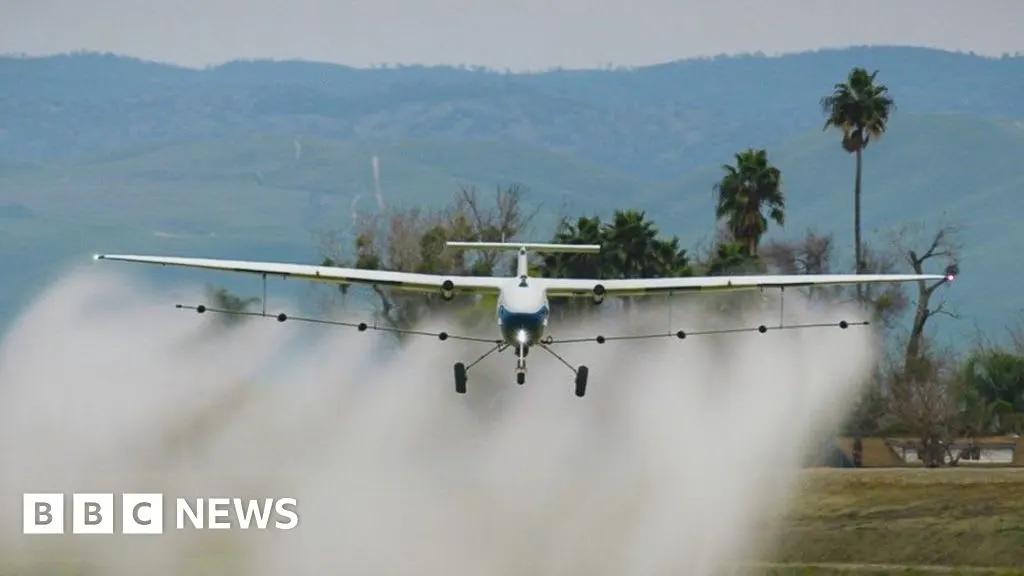
Autonomous Fixed-Wing Aircraft Development Gains Momentum
Start-ups are advancing autonomous fixed-wing aircraft for agricultural and cargo tasks, aiming to prove safety before pursuing passenger operations.

Boeing 787-9 Completes Short Inlet Tests in Montana
Boeing completed 52 hours of flight tests on a 787-9 with an experimental 30% shorter engine inlet to evaluate noise and fuel efficiency.

Airbus A321neo to Test Folding Wings of Tomorrow Project
Airbus launched a three-year flight-test campaign using an A321neo to evaluate folding wings that extend up to five meters.
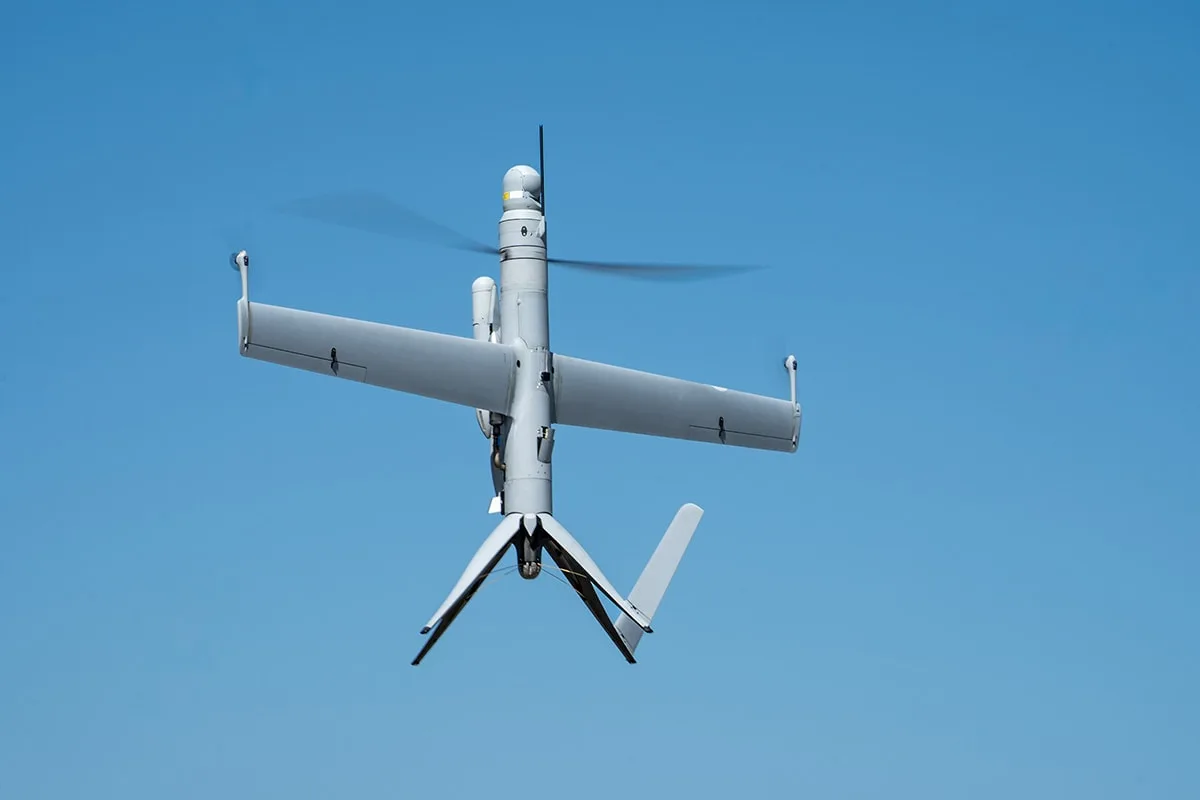
Voyageur Orders Canada's First Airbus U030 Flexrotor
Voyageur Aviation ordered Canada's first Airbus U030 Flexrotor, a 25 kg tactical drone, to expand its maritime and Arctic surveillance capabilities.
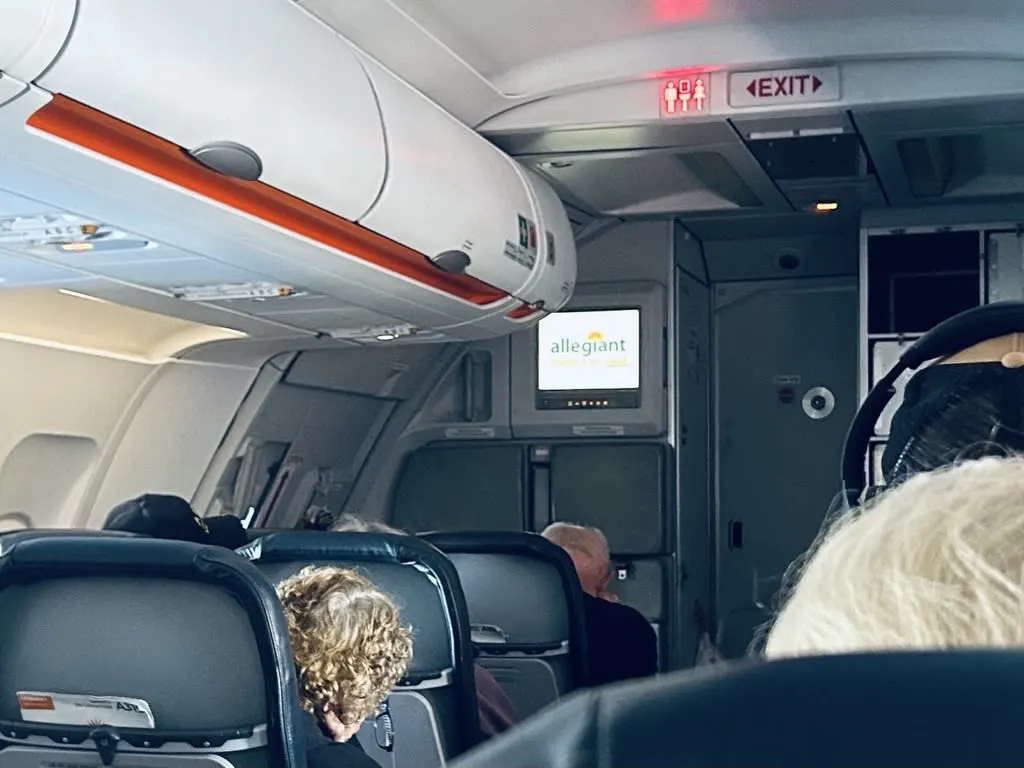
LATAM Selects SES Multi-Orbit Wi-Fi for 60+ New Jets
LATAM Airlines signed a multi-year deal with SES to equip more than 60 incoming Airbus and Embraer aircraft with multi-orbit satellite Wi-Fi.
Lufthansa 787-9 Tests Tech to Cut Fuel and Noise
Boeing, Lufthansa, and Rolls-Royce partnered to test emissions-reducing technologies on a 787-9, targeting a 20% fuel efficiency improvement.