SpiceJet Cancellation Triggers Protests at Ahmedabad Airport Amid Delays

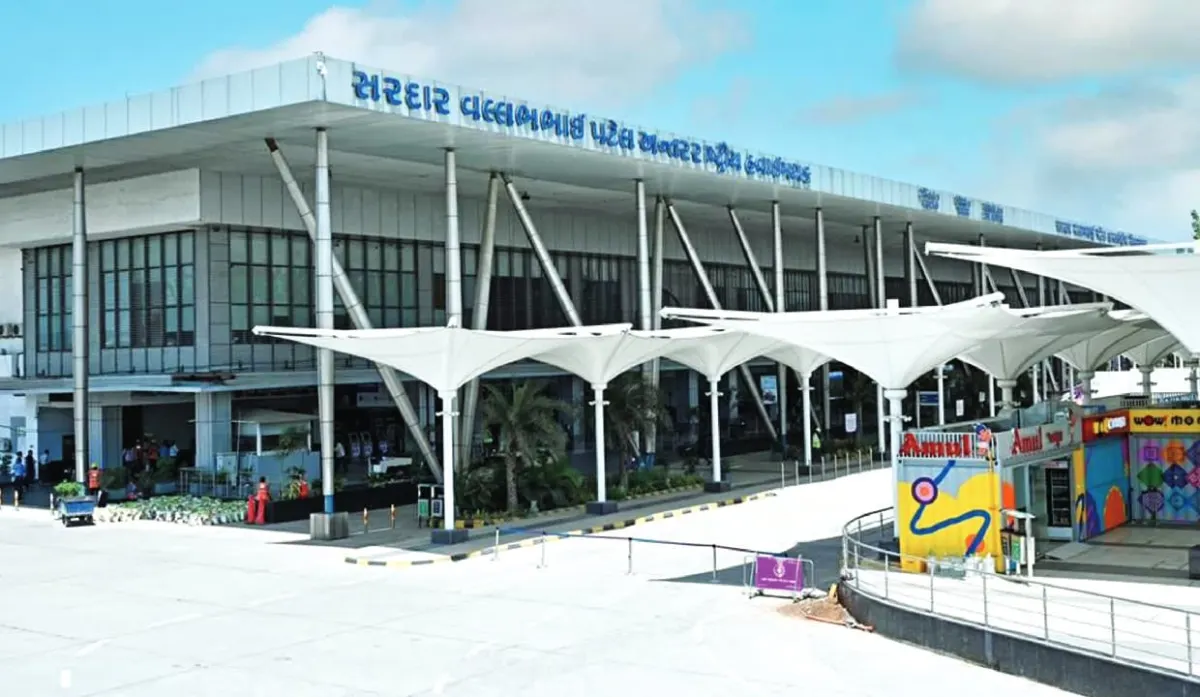
A SpiceJet cancellation and 15 flight delays at Ahmedabad Airport sparked passenger protests over poor communication, requiring security intervention.
Key Takeaways
- •Affected around 15 domestic flights and a key international flight at Ahmedabad Airport.
- •Cancelled a SpiceJet flight to Sharjah, stranding passengers and causing visa complications.
- •Triggered passenger protests over poor communication, requiring CISF security intervention.
- •Invokes DGCA passenger rights rules for compensation, refunds, and airline-provided care.
Operations at Sardar Vallabhbhai Patel International Airport (SVPIA) in Ahmedabad were severely disrupted on Sunday, leading to passenger protests after a series of flight delays and a key cancellation. The incident involved approximately 15 delayed flights and the cancellation of a SpiceJet international flight to Sharjah, leaving hundreds of travelers stranded and highlighting ongoing operational challenges for the airline.
The widespread disruption primarily affected domestic flights to major metropolitan areas including Bengaluru, Chennai, Delhi, and Kolkata. Passengers, many traveling for business or emergencies, reported being left for hours without clear communication from airline or airport authorities. The situation escalated when frustrated travelers began protesting within the terminal, prompting the intervention of the Central Industrial Security Force (CISF), the federal agency responsible for airport security, to restore order.
The cancellation of the Sharjah (SHJ) flight created significant difficulties for international passengers, who faced potential complications with visas and missed connecting flights. This event underscores the fragility of airline schedules and the direct impact on travelers when operational integrity falters.
Passenger Rights and Airline Obligations
The events at Ahmedabad bring into focus the regulations enforced by India's Directorate General of Civil Aviation (DGCA). Under the Civil Aviation Requirements (CAR) Section 3, Series M, Part IV, airlines are mandated to provide specific compensation and facilities to passengers affected by significant delays and cancellations. These rules stipulate that carriers must offer meals and refreshments for delays over two hours, hotel accommodation for overnight delays, and either a full refund or an alternative flight in the event of a cancellation. Passengers affected by the SpiceJet Sharjah flight cancellation are entitled to these provisions. The DGCA serves as the primary regulatory body for enforcing these passenger rights, and airlines that fail to comply can face penalties. More details on these regulations are available on the official Directorate General of Civil Aviation (DGCA) India website.
A Pattern of Disruption
This incident is not an isolated one for SpiceJet, which has faced a series of operational and financial challenges. In March 2026, the airline cancelled 87 flights, including services on the Ahmedabad-Sharjah route, citing tensions in West Asia and airspace closures. This history of disruptions points to deeper systemic issues within the carrier. According to traffic data from the Airports Authority of India (AAI), SVPIA is one of India's top ten busiest airports, having handled over 11 million passengers in the 2023-24 financial year. Such high traffic volumes amplify the impact of any schedule disruption, quickly leading to terminal congestion and straining airport resources.
The response of passengers at SVPIA also reflects a growing trend in India, where travelers are increasingly vocal in protesting against what they perceive as poor service and a lack of transparency from airlines. A similar large-scale disruption occurred in December 2025, when IndiGo cancelled over 1,200 flights, leading to widespread chaos and prompting strict scrutiny from the DGCA regarding the enforcement of compensation rules. This precedent suggests that regulators will likely investigate the recent events in Ahmedabad to ensure compliance.
Next Steps for Affected Passengers
Following Sunday's disruption, the immediate focus shifts to passenger compensation and regulatory oversight. SpiceJet is obligated under DGCA rules to process refunds for the cancelled Sharjah flight. Refunds for bookings made via credit card are expected to be processed within seven days. The DGCA is expected to receive a compliance report from the airline detailing the compensation and assistance provided to all affected passengers, typically required within 14 days of the incident.
For the Adani Airports-managed SVPIA, the event highlights the need for robust crowd management and communication protocols to mitigate the impact of airline operational failures on the terminal environment. The CISF's intervention was crucial in de-escalating the situation, but the root cause remains with the airline's inability to maintain its schedule.
Why This Matters
This incident at Ahmedabad Airport is significant as it exposes the vulnerabilities in airline operations and their cascading effects on airport management and passenger welfare. For SpiceJet, it represents another blow to its reputation and could result in financial penalties from the DGCA. For the broader Indian aviation industry, it serves as a reminder of the importance of transparent communication and adherence to passenger rights regulations, especially as air travel demand continues to grow.
Frequently Asked Questions
- What caused the passenger protests at Ahmedabad Airport?
- The protests were triggered by widespread flight disruptions on Sunday, including the delay of around 15 flights and the cancellation of a SpiceJet international flight to Sharjah. Passengers cited prolonged delays, poor management, and a lack of clear communication from the airline as the primary reasons for their frustration.
- What are passenger rights in India for a cancelled flight?
- Under India's Directorate General of Civil Aviation (DGCA) regulations, passengers on a cancelled flight are entitled to either a full refund or an alternative flight. Airlines are also required to provide meals, refreshments, and hotel accommodation if necessary, depending on the length of the delay.
- Has SpiceJet experienced similar operational issues before?
- Yes, SpiceJet has a recent history of operational disruptions. In March 2026, the airline cancelled 87 flights, including some on the Ahmedabad-Sharjah route, due to tensions in West Asia, highlighting recurring challenges in maintaining its flight schedule.
Get breaking commercial aviation news and expert airline analysis at omniflights.com. Discover how innovation is shaping aviation through aircraft systems, avionics, and digital tools at omniflights.com/technology.

Written by Hardik Vishwakarma
Co-Founder & Aviation News Editor leading initiatives that improve trust and visibility across the global aviation industry. Covers airlines, airports, safety, and emerging technology.
Visit ProfileYou Might Also Like

IndiGo Opens Commercial Flights at Bhogapuram

Sydney Airport Master Plan 2045 Approved
Visakhapatnam Airport Ends Commercial Flights for 30 Years
NMIA Approves 13 Airlines for Cargo Operations

Hong Kong Air Cargo Lands First Navi Mumbai Freighter