Austin Airport Secures $1.18B for Major Expansion Project

Co-Founder & CEOAviation News Editor delivering trusted coverage across the global aviation industry.

Austin-Bergstrom Airport secured $1.18 billion via a revenue bond sale to fund a new 26-gate concourse and expand passenger facilities.
Key Takeaways
- •Austin Airport secures $1.18 billion in funding via revenue bonds.
- •Expansion includes a new 26-gate concourse to increase capacity.
- •The project aims to alleviate congestion from rapid passenger growth.
- •Funding is supported by airport revenues, not local tax dollars.
Austin-Bergstrom International Airport (AUS) has secured $1.18 billion in financing through a successful revenue bond sale, a critical step in funding its large-scale airport expansion program. The capital will be used for major infrastructure projects designed to accommodate the region's rapid growth in passenger traffic, headlined by the construction of a new 26-gate concourse.
The funding addresses pressing capacity constraints at an airport that has experienced a dramatic surge in demand over the past decade. As a major hub for technology and business, the city of Austin has outpaced its airport's infrastructure, leading to frequent congestion at security checkpoints, gates, and roadways. This investment is designed to alleviate these bottlenecks and position AUS for sustained long-term growth, enhancing its role as a key economic engine for Central Texas.
Funding and Financial Structure
The financing was achieved through the issuance of airport revenue bonds, a common financial instrument for major public infrastructure projects. This structure means the debt will be repaid using revenue generated directly by the airport's operations. These revenue streams typically include airline fees (such as landing and terminal rental fees), passenger facility charges (PFCs), and non-aeronautical revenue from concessions, parking, and rental car operations. Importantly, this model ensures that the financial burden does not fall on local taxpayers but is instead supported by the users and commercial partners of the airport.
The successful sale of $1.18 billion in bonds indicates strong investor confidence in the financial health of Austin-Bergstrom International Airport and the economic outlook of the region it serves. Lenders and investors view the airport's projected future revenue as sufficient to cover the debt service, a positive signal for the project's viability.
Scope of the Expansion
The centerpiece of the expansion plan is a new concourse that will add 26 gates to the airport's current capacity. This represents a significant increase in the airport's operational footprint, allowing it to handle more aircraft simultaneously and reduce delays associated with gate availability. The new gates will provide much-needed space for both existing airline partners to expand service and for new carriers to enter the Austin market.
Beyond the new concourse, the funding will support a broad range of improvements to passenger facilities. While specific details of these upgrades were not disclosed, projects of this nature typically include:
- Expanded Security Screening Checkpoints: Increasing the number of TSA lanes to reduce passenger wait times.
- Upgraded Baggage Handling Systems: Enhancing the capacity and reliability of systems that sort and transport checked luggage.
- Increased Concession and Retail Space: Providing more dining and shopping options for travelers.
- Improved Roadway and Curbside Access: Reconfiguring airport access roads to ease traffic congestion.
These enhancements are critical for improving the overall passenger experience and ensuring the airport can process a higher volume of travelers efficiently.
Industry Impact and Regional Growth
The expansion of AUS reflects a broader trend among non-hub and mid-sized airports in high-growth metropolitan areas across the United States. As populations shift and new economic centers emerge, airports that were once considered secondary markets are now facing demand that rivals larger, more established hubs. This investment allows Austin to compete more effectively for domestic and international routes.
For airlines, the additional gate capacity is a significant development. It opens the door for increased flight frequencies on existing routes and the launch of new nonstop services that were previously not feasible due to infrastructure limitations. The expansion could attract more international carriers, further connecting Austin to the global economy. For passengers, the project promises a less congested, more modern airport environment with more travel options.
Technical Analysis
The $1.18 billion investment in Austin-Bergstrom International Airport is a strategic move to align infrastructure with economic reality. Austin's growth has been one of the most significant demographic and economic stories in the U.S. for over a decade, yet its primary airport has struggled to keep pace. This capital injection allows AUS to leapfrog incremental upgrades and pursue a transformative expansion. The project's scale, particularly the addition of a 26-gate concourse, shifts the airport's competitive posture. It will enable AUS to support a more complex route network, potentially accommodating more connecting traffic and serving as a more significant operating base for one or more carriers. This development follows a historical pattern where critical infrastructure investment in a high-growth city unlocks the next phase of economic expansion, attracting more corporate relocations and tourism.
What Comes Next
With funding now secured, the airport authority will move into the final design and construction phases of the expansion program. A detailed timeline for the project's completion has not yet been publicly released. Major airport construction projects are complex and typically phased over several years to minimize disruption to ongoing operations. Future milestones will likely include the awarding of construction contracts, groundbreaking ceremonies, and phased openings of different components of the project. The airport is expected to provide updates as the program progresses and key milestones are reached.
Why This Matters
This development is more than just an airport upgrade; it is a foundational investment in the future of the Austin metropolitan area. By securing $1.18 billion for expansion, Austin-Bergstrom International Airport ensures it can support the region's continued economic and population growth. For the aviation industry, it signals the rising importance of non-traditional hub cities and provides a clear roadmap for how airports can leverage strong regional economies to fund critical infrastructure projects.
Frequently Asked Questions
- How is the Austin airport expansion being funded?
- The expansion is funded by a $1.18 billion revenue bond sale. This means the debt will be repaid using revenue generated by the airport's operations, such as airline fees and concessions, not through local taxpayer dollars.
- What are the key projects in the Austin airport expansion?
- The centerpiece of the expansion is a new 26-gate concourse. The project also includes significant upgrades and expansion of other passenger facilities, such as security checkpoints and baggage systems, to handle increased traffic.
- Why is Austin-Bergstrom International Airport expanding?
- The expansion is a direct response to the rapid growth in passenger demand driven by Austin's booming population and economy. The current facilities are nearing capacity, and the project is needed to alleviate congestion and support future growth.
From airline operations to fleet updates, commercial aviation news lives at omniflights.com. Follow aviation sustainability efforts, emissions research, and green initiatives in the Environmental section at omniflights.com/environmental.
Written by Hardik Vishwakarma
Co-Founder & Aviation News Editor leading initiatives that improve trust and visibility across the global aviation industry. Covers airlines, airports, safety, and emerging technology.
Visit ProfileYou Might Also Like
Discover more aviation news based on similar topics

IndiGo Opens Commercial Flights at Bhogapuram
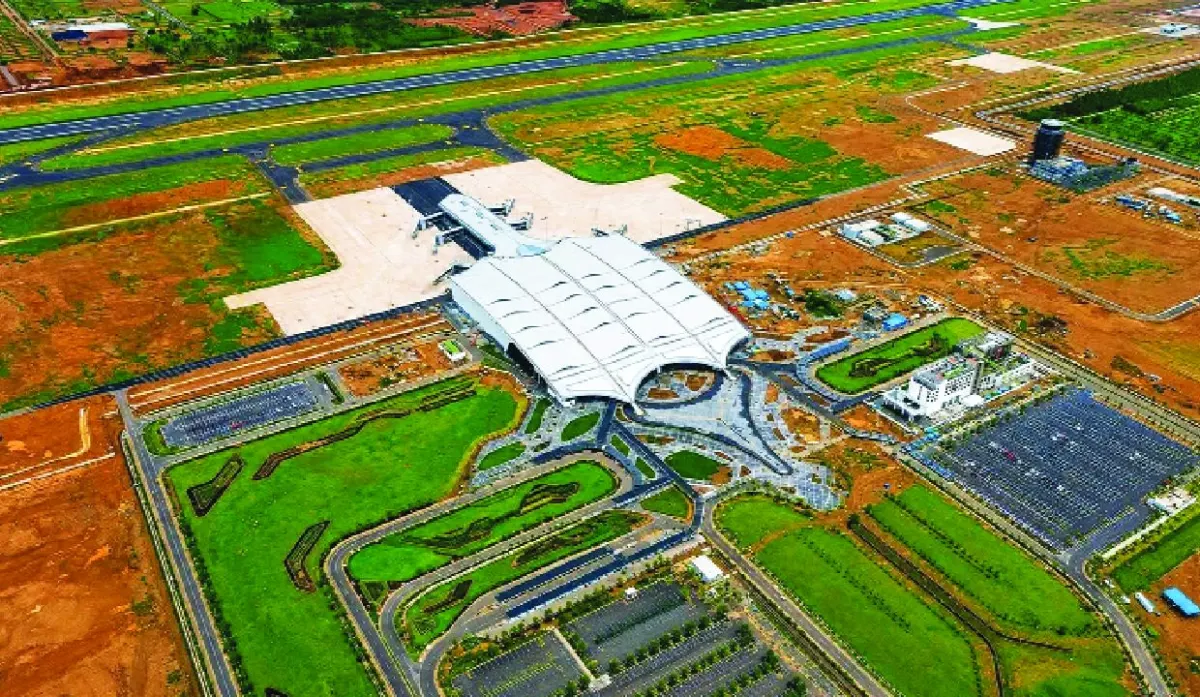
IndiGo launched the first commercial flight to the new Rs 5,700 crore Bhogapuram Airport, shifting civilian traffic from the old civil enclave.

Sydney Airport Master Plan 2045 Approved
The Australian government approved Sydney Airport's Master Plan 2045, enabling terminal integration to handle 72.6 million passengers by 2045.
Visakhapatnam Airport Ends Commercial Flights for 30 Years
Visakhapatnam Airport ended scheduled commercial flights ahead of Bhogapuram's opening, triggering a 30-year moratorium on civil operations.
NMIA Approves 13 Airlines for Cargo Operations
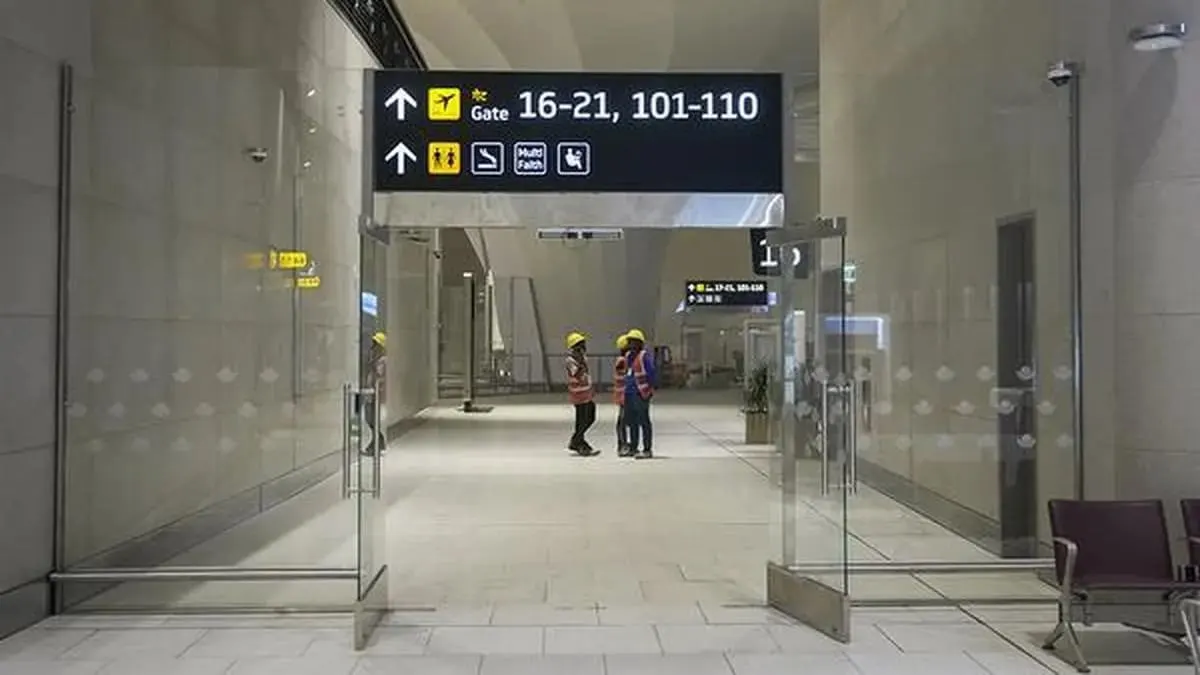
NMIA has approved 13 international airlines to launch freighter flights, accelerating Mumbai's transition to a dual-airport cargo system.

Hong Kong Air Cargo Lands First Navi Mumbai Freighter
Hong Kong Air Cargo launched flights to Navi Mumbai, marking the airport's first international freighter service with 6 weekly movements.

ENAC Suspends Catania Flights Amid Mount Etna Eruption
ENAC suspended operations at Catania Airport due to a Mount Etna eruption, resulting in 700 flight cancellations and massive regional diversions.