US Military Aircraft Strain Ben Gurion Airport Capacity

Co-Founder & CEOAviation News Editor delivering trusted coverage across the global aviation industry.
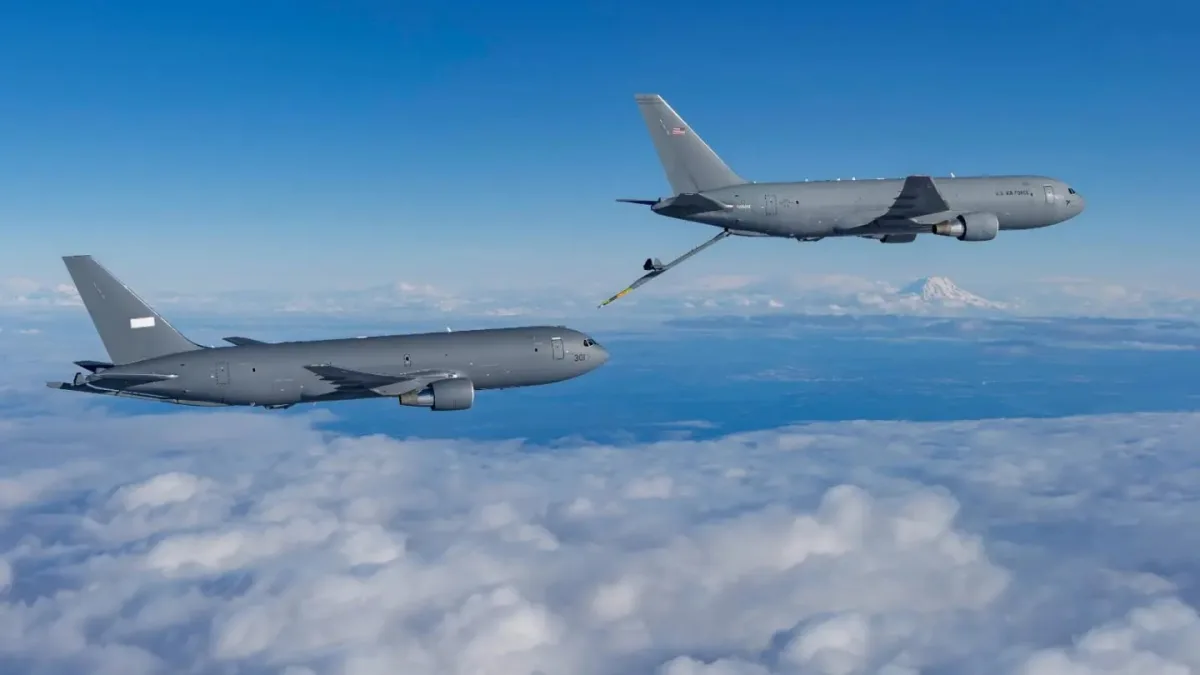
Israel's aviation chief warns US military aircraft at Ben Gurion Airport are straining capacity, reducing airline parking and raising flight prices.
Key Takeaways
- •US military aircraft occupy key apron space at Ben Gurion Airport.
- •Israir's overnight parking has been cut from 17 spots to just 4.
- •The CAAI warns of rising airfares due to severe capacity limits.
- •US airlines are not expected to resume flights before September 2026.
The head of the Israel Civil Aviation Authority (CAAI) has issued a stark warning that Ben Gurion Airport (TLV) is increasingly functioning as a U.S. military forward operating base, creating severe constraints on Ben Gurion Airport capacity and negatively impacting commercial air travel. The continued presence of US military aircraft in Israel is consuming critical apron space, leading to a sharp reduction in overnight parking for civilian airlines and driving up airfares for the public ahead of the peak summer travel season.
Shmuel Zakai, Director General of the CAAI, stated that the situation has reached a critical point where Israel effectively lacks a fully operational international airport due to the logistical dominance of military assets. This operational squeeze directly affects Israeli carriers and is a primary factor deterring foreign airlines from resuming service. The impact on local airlines is acute; according to Israir CEO Uri Sirkis, the airline's Israir overnight parking has been slashed from a standard 17 spaces to just four. This forces the airline to operate some flights from abroad, significantly increasing operational costs that are ultimately passed on to consumers.
Operational and Financial Impact
According to a May 2026 report from the Civil Aviation Authority of Israel (CAAI), at least 14 U.S. military refueling aircraft are stationed at Ben Gurion, occupying stands designed for wide-body commercial jets. This displacement has a cascading effect on airport logistics, managed by the Israel Airports Authority. The lack of available stands not only affects legacy carriers but also discourages the return of low-cost airlines that rely on efficient turnarounds and predictable slot availability.
The financial consequences are already being felt by the Israeli public. Reduced airline capacity and higher operating costs have led to an unseasonable spike in ticket prices. This trend is exacerbated by the delayed return of major foreign carriers. According to May 2026 schedule updates, U.S. legacy airlines are not expected to resume commercial flights to Israel before September 2026, further limiting competition and seat availability.
While the security partnership with the United States is a national priority, aviation officials are advocating for a more balanced approach. The CAAI and the Ministry of Transport are reportedly pushing to relocate the military aircraft to dedicated bases, such as Ramon Airport or Ovda Airbase, to free up essential civilian infrastructure at TLV. From a national security perspective, the current arrangement is seen as a necessary strategic deterrent in a volatile region, prioritizing defense readiness over commercial convenience.
Historical and Technical Context
The current situation at Ben Gurion Airport, while not a total shutdown, echoes historical precedents where military necessity has overridden civilian aviation. During Operation Allies Refuge in August 2021, Kabul Airport was completely taken over by military forces for evacuations, halting all commercial flights. Similarly, Ukrainian airspace was closed to all civil aviation in February 2022. These events demonstrate the potential for severe disruption when a primary international gateway is repurposed for military operations.
The physical footprint of the military aircraft is a significant factor. The United States Air Force (USAF) operates large refuelers like the Boeing KC-46A Pegasus, which are substantially larger than typical narrow-body airliners.
Boeing KC-46A Pegasus vs Airbus A320-200: Key Specifications
| Metric | Boeing KC-46A Pegasus | Airbus A320-200 |
|---|---|---|
| Length | 165 ft 6 in (50.5 m) | 123 ft 3 in (37.57 m) |
| Wingspan | 157 ft 8 in (48.1 m) | 111 ft 11 in (34.1 m) |
| Max Takeoff Weight | 415,000 lbs | 171,960 lbs |
The specifications, detailed in the USAF KC-46A Pegasus Fact Sheet, show that a single refueling aircraft occupies a parking area that could accommodate multiple smaller commercial planes, highlighting the disproportionate impact on airport capacity.
What Comes Next
Israeli aviation authorities are focused on finding a resolution before the summer travel rush intensifies. A potential relocation of the U.S. military aircraft to dedicated military airbases is expected to be negotiated during the summer of 2026, though no firm timeline has been confirmed by the Ministry of Defense. This move would be critical to restoring normal operations at Ben Gurion Airport.
For international travel, the market is watching for the return of U.S. carriers. Based on current schedules, major airlines like Delta, United, and American are expected to resume their Tel Aviv routes in September 2026. Their return would signal a stabilization of the market and likely introduce more competitive pricing.
Why This Matters
The ongoing situation at Ben Gurion Airport highlights the critical tension between national security imperatives and the economic necessity of maintaining a country's primary link to the global aviation network. For Israel, the reduced capacity not only raises costs for travelers but also hinders economic activity and tourism. The outcome of negotiations over aircraft relocation will be a key indicator of Israel's ability to balance strategic military partnerships with the operational viability of its civil aviation sector.
Frequently Asked Questions
- Why are flight prices increasing in Israel?
- Flight prices are rising because a significant presence of US military aircraft at Ben Gurion Airport has reduced parking and operational capacity for commercial airlines, increasing their costs which are passed on to consumers.
- How has Israir been affected by the situation at Ben Gurion Airport?
- Israeli airline Israir has had its overnight aircraft parking slots at the airport drastically reduced from its standard seventeen spaces down to only four, forcing costly operational adjustments.
- What type of US military aircraft are at Ben Gurion Airport?
- At least 14 large US military refueling aircraft, such as the Boeing KC-46A Pegasus, are stationed at the airport. These aircraft occupy large parking aprons typically used by civilian wide-body airliners.
Access up-to-date commercial aviation news and airline industry developments via omniflights.com. For reporting on UAP sightings, investigations, and aviation-related encounters, see the UAPs section at omniflights.com/uaps.
Written by Hardik Vishwakarma
Co-Founder & Aviation News Editor leading initiatives that improve trust and visibility across the global aviation industry. Covers airlines, airports, safety, and emerging technology.
Visit ProfileYou Might Also Like
Discover more aviation news based on similar topics

IndiGo Opens Commercial Flights at Bhogapuram
IndiGo launched the first commercial flight to the new Rs 5,700 crore Bhogapuram Airport, shifting civilian traffic from the old civil enclave.

Sydney Airport Master Plan 2045 Approved
The Australian government approved Sydney Airport's Master Plan 2045, enabling terminal integration to handle 72.6 million passengers by 2045.

Visakhapatnam Airport Ends Commercial Flights for 30 Years
Visakhapatnam Airport ended scheduled commercial flights ahead of Bhogapuram's opening, triggering a 30-year moratorium on civil operations.

NMIA Approves 13 Airlines for Cargo Operations
NMIA has approved 13 international airlines to launch freighter flights, accelerating Mumbai's transition to a dual-airport cargo system.

Hong Kong Air Cargo Lands First Navi Mumbai Freighter
Hong Kong Air Cargo launched flights to Navi Mumbai, marking the airport's first international freighter service with 6 weekly movements.

ENAC Suspends Catania Flights Amid Mount Etna Eruption
ENAC suspended operations at Catania Airport due to a Mount Etna eruption, resulting in 700 flight cancellations and massive regional diversions.