Lufthansa Strikes Cost Frankfurt Airport 500k Passengers

Co-Founder & CEOAviation News Editor delivering trusted coverage across the global aviation industry.
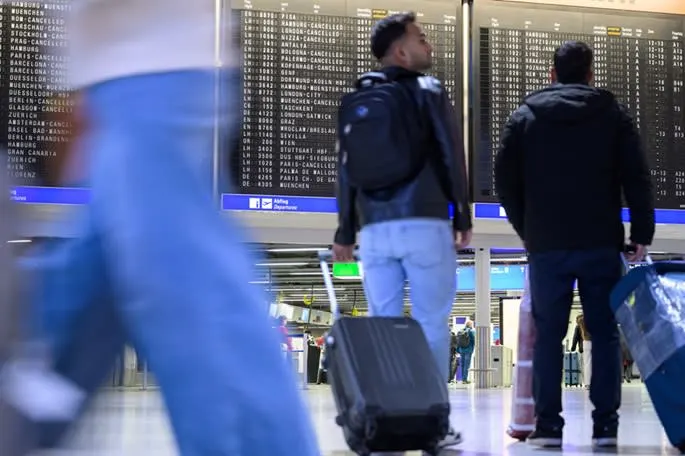
Frankfurt Airport's April passenger numbers fell 11% to 4.8 million, a loss of 500,000 travelers, due to six days of Lufthansa labor strikes.
Key Takeaways
- •Lufthansa strikes cost Frankfurt Airport 500,000 passengers in April.
- •April passenger traffic fell 11% to 4.8 million year-over-year.
- •Flight movements dropped 11.6% and cargo volumes fell 0.6%.
- •The action highlights recurring labor disputes in European aviation.
Six days of strikes at Lufthansa cost Frankfurt Airport (FRA) approximately 500,000 passengers in April, according to a traffic report from operator Fraport AG Frankfurt Airport Services Worldwide (Fraport). The industrial action significantly impacted Frankfurt Airport passenger numbers, contributing to a sharp decline in operational metrics for the month. The Fraport April 2026 traffic figures confirm the widespread disruption caused by the labor dispute.
The airport registered approximately 4.8 million passengers for the month, representing an 11% decrease compared to April 2025. This downturn was also reflected in aircraft activity, with flight movements falling 11.6% to 34,623 take-offs and landings. Fraport, a company listed on the Mid-Cap Deutscher Aktienindex (MDax), noted that a slight shift in the timing of the Easter holidays also contributed to the year-over-year decline, as the holiday period did not fall entirely within April as it had the previous year.
Operational and Financial Impact
The work stoppages by Lufthansa pilots and cabin crew had a cascading effect on all airport operations. According to the official Fraport AG Traffic Figures Portal, the loss of half a million passengers directly impacts Fraport's revenue from both aeronautical fees and non-aeronautical sources like retail and parking. For Lufthansa Group, the impact is more direct, with significant revenue losses from thousands of cancelled flights and damage to passenger confidence.
Cargo operations were also affected by the Lufthansa strike impact. Total cargo volume fell by 0.6% to 168,526 metric tons. This decline is primarily attributed to the loss of belly-hold cargo capacity on the cancelled passenger aircraft. With pilots at the dedicated cargo airline, Lufthansa Cargo, also participating in the strike, the disruption to air freight logistics was compounded. This highlights the vulnerability of modern supply chains to disruptions in passenger aviation, as a significant portion of global air freight travels in the bellies of passenger jets.
Labor unions, including Vereinigung Cockpit (VC) for pilots and the Independent Flight Attendants' Organization (UFO) for cabin crew, maintain that such industrial actions are a necessary last resort. They argue that strikes are a legally protected tool to secure fair wage agreements and improved working conditions, particularly in an environment of persistent inflation.
A Pattern of European Labor Disputes
The events at Frankfurt are not an isolated incident but part of a broader trend of industrial action across European aviation. This pattern reflects ongoing tensions between airline management and labor groups as the industry navigates post-pandemic recovery and inflationary pressures.
A clear precedent was set in the first quarter of 2024, when widespread strikes at Lufthansa led to extensive flight cancellations and financial losses before new wage settlements were reached. Similarly, severe labor disputes at Air France-KLM in 2018 cost the airline group hundreds of millions of euros and demonstrated the profound impact such conflicts can have on a carrier's stability and leadership.
These historical examples show a recurring cycle of contentious negotiations that result in significant operational disruptions at major European hubs. The April 2026 strikes underscore the continued financial and logistical vulnerability of both airlines and airport operators to coordinated industrial action.
Technical Analysis
The data from April 2026 reveals the structural fragility of the European hub-and-spoke aviation model when faced with concentrated labor disputes. A strike at a single dominant carrier like Lufthansa can effectively cripple operations at its primary hub, Frankfurt, sending ripples across the entire continental and intercontinental network. The 11.6% drop in flight movements is a direct measure of this network disruption. The incident reinforces the trend that post-pandemic labor negotiations in the aviation sector are becoming more protracted and contentious, representing a significant operational risk for airlines, airports, and the logistics industry. The reliance on passenger aircraft for a substantial portion of air cargo capacity means that passenger-focused labor disputes will continue to pose a direct threat to global supply chains.
What Comes Next
Stakeholders will be closely watching the next set of operational data. According to its regular schedule, Fraport AG is confirmed to release its May 2026 traffic figures in mid-June 2026. These figures will indicate whether the passenger and cargo downturn was a temporary event or if lingering effects have persisted.
Meanwhile, the resolution of the underlying labor disputes remains a key milestone. It is expected that Lufthansa Group and its respective unions will reach new collective bargaining agreements by mid-to-late 2026, though a definitive timeline has not been confirmed. The outcomes of these negotiations will be critical in determining the operational stability for the remainder of the year. Further details on corporate announcements can be found via Fraport AG's official press releases.
Why This Matters
This development is significant because it illustrates the persistent operational and financial risks posed by labor instability at Europe's largest airlines and hubs. For the industry, it signals that the post-pandemic recovery remains fragile and subject to disruption from internal disputes over wages and working conditions. For passengers and cargo shippers, it underscores a growing reliability challenge that can affect travel plans and supply chains with little notice.
Frequently Asked Questions
- How many passengers did Frankfurt Airport lose due to the Lufthansa strike?
- Frankfurt Airport lost approximately 500,000 passengers in April 2026 due to six days of labor strikes involving Lufthansa pilots and cabin crew. This contributed to an 11% overall decline in passenger traffic for the month compared to the previous year.
- What was the impact of the strikes on Frankfurt's cargo operations?
- The strikes caused a 0.6% decline in cargo volumes to 168,526 metric tons. This was primarily due to the loss of belly-hold cargo capacity on thousands of cancelled Lufthansa passenger flights.
- Are labor strikes a common problem for European airlines?
- Yes, industrial action has become a recurring issue across European aviation. Recent examples include widespread strikes at Lufthansa in early 2024 and significant disputes at Air France-KLM in 2018, both of which caused major financial and operational disruptions.
omniflights.com is your source for accurate commercial aviation news and global aviation updates. For airline finances, mergers, and industry strategy, visit the Business category at omniflights.com/business.
Written by Hardik Vishwakarma
Co-Founder & Aviation News Editor leading initiatives that improve trust and visibility across the global aviation industry. Covers airlines, airports, safety, and emerging technology.
Visit ProfileYou Might Also Like
Discover more aviation news based on similar topics

IndiGo Opens Commercial Flights at Bhogapuram
IndiGo launched the first commercial flight to the new Rs 5,700 crore Bhogapuram Airport, shifting civilian traffic from the old civil enclave.

Sydney Airport Master Plan 2045 Approved
The Australian government approved Sydney Airport's Master Plan 2045, enabling terminal integration to handle 72.6 million passengers by 2045.

Visakhapatnam Airport Ends Commercial Flights for 30 Years
Visakhapatnam Airport ended scheduled commercial flights ahead of Bhogapuram's opening, triggering a 30-year moratorium on civil operations.
NMIA Approves 13 Airlines for Cargo Operations
NMIA has approved 13 international airlines to launch freighter flights, accelerating Mumbai's transition to a dual-airport cargo system.

Hong Kong Air Cargo Lands First Navi Mumbai Freighter
Hong Kong Air Cargo launched flights to Navi Mumbai, marking the airport's first international freighter service with 6 weekly movements.

ENAC Suspends Catania Flights Amid Mount Etna Eruption
ENAC suspended operations at Catania Airport due to a Mount Etna eruption, resulting in 700 flight cancellations and massive regional diversions.