Southwest Reconsiders Customer of Size Seating Policy

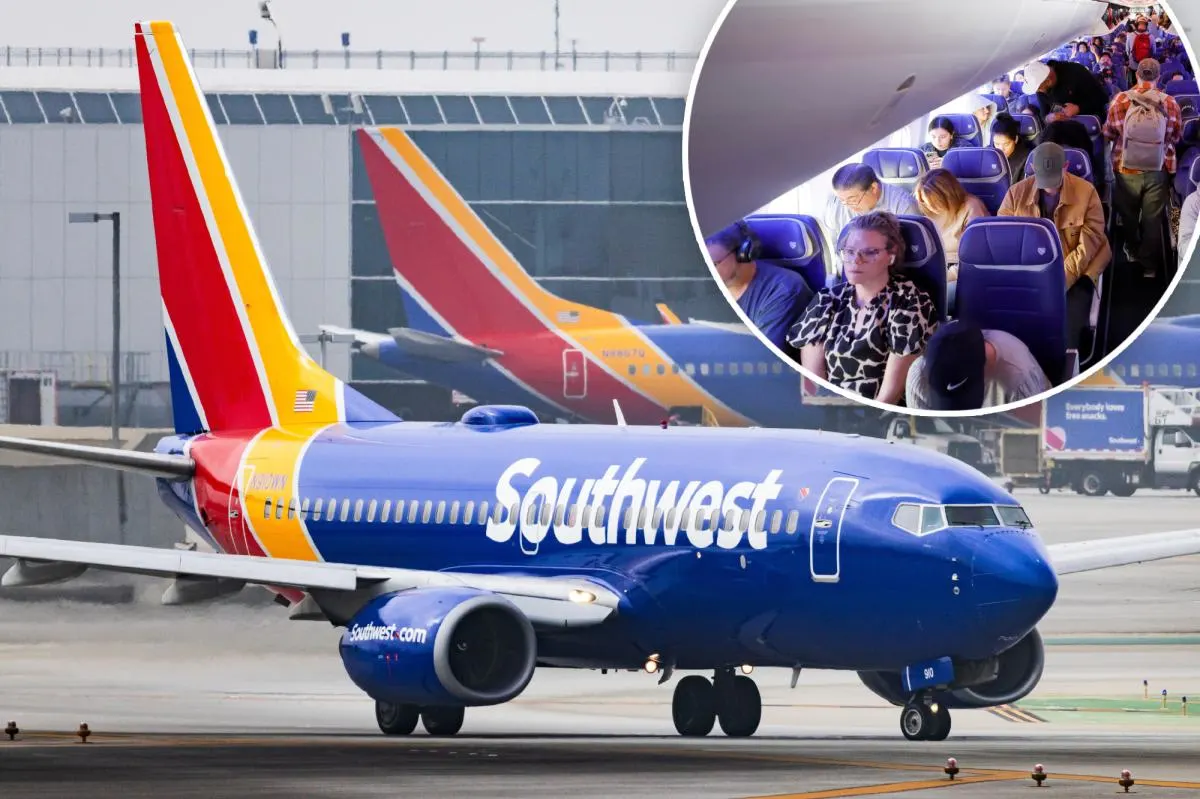
Southwest is reportedly reviewing its Customer of Size policy following backlash over the mandatory extra-seat requirement implemented in early 2026.
Key Takeaways
- •Southwest implemented assigned seating on January 27, 2026.
- •Current policy requires pre-purchase of a second seat for larger passengers.
- •Southwest is reviewing the CoS policy following intense public backlash.
- •Revised policy guidance is expected from the airline by Q3 2026.
Southwest Airlines is reportedly revisiting its controversial Southwest Customer of Size policy, as passenger feedback and social media scrutiny mount following the carrier's recent transition to assigned seating. The Southwest seating policy change, which took effect on January 27, 2026, officially ended the airline's long-standing open-seating model. This shift has necessitated a more rigid approach to airline plus size rules, requiring passengers who require additional space to proactively purchase a second seat rather than relying on complimentary gate-level accommodations.
Operational Shifts and Passenger Friction
The transition to assigned seating was designed to optimize boarding efficiency and generate premium revenue, but it has created significant friction regarding the passenger of size accommodation process. Under the current rules, as outlined in the Southwest Airlines Help Center, passengers are required to purchase an extra seat in advance to guarantee space. Refunds for these additional seats are only processed if the flight departs with at least one empty seat, provided both seats were booked in the same fare class and the request is filed within 90 days of travel.
For many travelers, this policy represents a significant financial and logistical hurdle. Advocacy groups, including those aligned with the DOT Aviation Consumer Protection guidelines, have questioned whether these requirements align with the Americans with Disabilities Act or broader civil rights expectations. The Federal Aviation Administration defines the armrest as the definitive safety boundary; passengers unable to lower the armrest are deemed to encroach on neighboring seats, necessitating a second seat for compliance. This standard creates inherent conflict as modern economy seats typically measure between 17 and 18 inches in width, a constraint that has not kept pace with changing passenger demographics.
The Gate-Level Enforcement Challenge
Southwest Airlines gate agents have found themselves at the center of this policy shift, tasked with the sensitive responsibility of assessing passenger size and enforcing seating boundaries. This has led to high-profile incidents of public confrontation and viral social media documentation. The situation mirrors the 2010 boarding denial of filmmaker Kevin Smith, an event that forced the airline to issue a public apology and re-evaluate its enforcement of the Customer of Size (CoS) policy. While that incident occurred under the old open-seating model, the current assigned-seating environment removes the flexibility gate agents previously had to reshuffle passengers to accommodate those needing extra space.
Technical Analysis: The Economics of Seat Density
The current policy impasse reflects a broader industry trend of tightening cabin configurations to maximize passenger density. As airlines prioritize capacity, the reduction in seat pitch and width has effectively shifted the burden of physical space onto the consumer. Historically, the legacy open-seating model at Southwest allowed for a degree of informal accommodation that assigned seating renders technically difficult. The current data suggests that the airline is facing a structural conflict: the need to maintain strict inventory control for assigned seats versus the reputational and potential regulatory risk posed by the current CoS enforcement model. This development indicates that Southwest may need to refine its digital booking tools to better handle two-seat transactions, reducing the manual burden on gate staff while providing more transparent refund pathways.
What Comes Next: Policy Clarification
Southwest management is expected to provide a formal revision or clarification regarding the CoS policy by Q3 2026. This potential update is expected to address the growing demand for more flexible booking options and clearer guidance for passengers who require additional space. Whether this will involve a return to more flexible gate-level accommodations or a refinement of the current pre-purchase system remains subject to internal operational review.
Why This Matters for the Industry
The ongoing debate at Southwest serves as a bellwether for how U.S. carriers will manage the intersection of cabin density, accessibility, and consumer rights. As regulators and advocacy groups monitor these policies, the outcome of Southwest’s review could set a precedent for how airlines handle passenger space requirements in an era of high-density seating configurations. For the broader industry, the shift highlights the increasing difficulty of balancing operational efficiency with the evolving expectations of the traveling public.
Frequently Asked Questions
- What is the current Southwest policy for passengers of size?
- Under the current policy implemented in January 2026, passengers who require more than one seat must purchase an extra seat in advance. Refunds for the additional seat may be requested if the flight departs with at least one open seat.
- Why did Southwest move to assigned seating?
- Southwest transitioned to assigned seating in early 2026 to optimize boarding times and generate additional premium seating revenue, though this shift has complicated the process of accommodating passengers who require extra space.
Visit omniflights.com for the latest commercial aviation news and airline industry updates. For reporting on UAP sightings, investigations, and aviation-related encounters, see the UAPs section at omniflights.com/uaps.

Written by Hardik Vishwakarma
Co-Founder & Aviation News Editor leading initiatives that improve trust and visibility across the global aviation industry. Covers airlines, airports, safety, and emerging technology.
Visit ProfileYou Might Also Like
Starlux Airlines Confirms Sydney to Taipei Flights for 2027
British Airways Retrofits A380 with 106 Club Suite Seats
EasyJet Cuts 700k Winter Seats as Fuel Costs Climb
PIA to Lease Two Norse Atlantic 787-9s for UK Routes
Kalitta Air Evaluates Airbus A350F for Cargo Modernization
