IAG Backs Verve Motion to Pilot Aviation Wearable Robotics


IAG has invested in Verve Motion to pilot lightweight exosuits designed to reduce physical strain and injury risks for airport baggage handlers.
Key Takeaways
- •IAG invested in Verve Motion to pilot exosuits for baggage handlers.
- •Verve Motion has secured over $55 million in total funding to date.
- •Live operational trials are expected to commence in late 2026.
- •The partnership aims to reduce musculoskeletal injuries for ramp personnel.
IAG Investment in Wearable Robotics
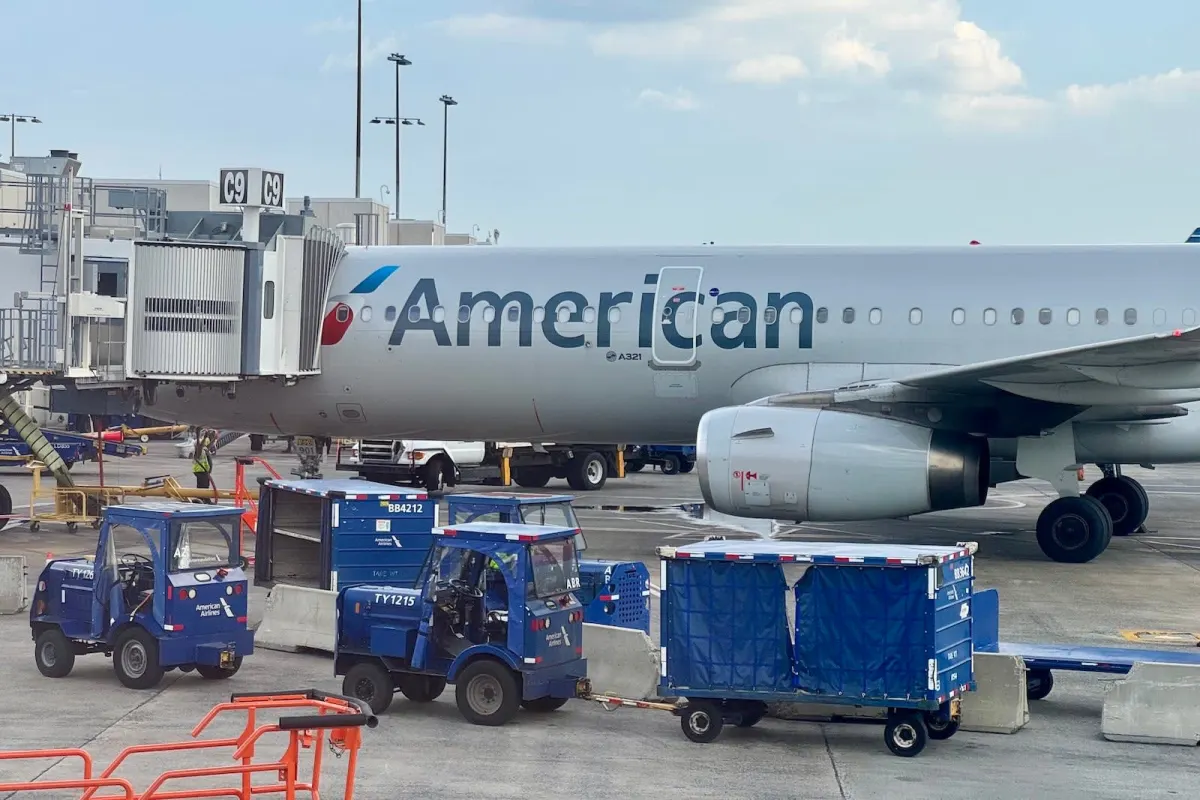
International Airlines Group (IAG) has announced a strategic investment in Verve Motion, a robotics startup focused on active wearable technology. The partnership, facilitated through the airline group's corporate venture arm, IAGi Ventures, aims to deploy lightweight exosuits specifically engineered to support aviation ground operations. By providing targeted shoulder and back assistance, the technology seeks to mitigate the physical toll of repetitive heavy lifting performed by ground baggage handlers.
Addressing Ground Handling Ergonomics
This investment reflects a broader industry trend toward the integration of active ergonomics in ground handling. Airlines globally are facing persistent labor shortages and high turnover rates, often linked to the physically demanding nature of ramp and cargo roles. According to Verve Motion, the company has raised over $55 million in total funding to accelerate its technology development. Founded in 2020 by Ignacio Galiana, the firm leverages biomechanics and robotics research originally developed at Harvard University.
For IAG, the goal is to improve employee well-being while enhancing operational efficiency. "Verve Motion is exactly the kind of company we want to back through IAGi Ventures - a business applying innovative technology to solve real operational challenges," said Nacho Tovar, Group Innovation Director at IAG. The airline group intends to test these exosuits in live environments to evaluate their impact on the day-to-day experience of ground staff.
Regulatory and Safety Context
Adopting wearable robotics serves as a technological compliance measure for European operators. The European Agency for Safety and Health at Work (EU-OSHA) maintains the Manual Handling of Loads Directive (90/269/EEC), which mandates that employers implement mechanical or organizational solutions to mitigate musculoskeletal disorders. Furthermore, the European Union Aviation Safety Agency (EASA) requires that ground handling safety management systems encompass robust occupational health protections. Exosuits offer a path to reducing ramp accidents and personnel fatigue, potentially lowering long-term injury claims and workers' compensation costs.
Competitive Landscape and Labor Considerations
This initiative follows historical precedents in the industry. In 2020, Delta Air Lines partnered with Sarcos Robotics to test the Guardian XO, a full-body powered exoskeleton designed for freight handling. While IAG’s approach with Verve Motion focuses on lighter, more targeted solutions, the move signals a growing expectation for ground handling service providers to adopt similar technologies to remain competitive in a tight labor market.
However, the integration of such technology is not without debate. Aviation labor organizations have cautioned that exosuits must be implemented strictly for worker protection. Advocates emphasize that the technology should not be used as a justification for increasing individual workload quotas or reducing overall staffing levels.
The Path to Operational Trials
Live Operational Deployment Timeline
IAG expects to transition the project from initial testing to a live aviation operational trial of Verve Motion exosuits for baggage handlers by late 2026. This pilot phase will serve as a critical validation point for the startup, potentially accelerating its entry into the broader global aviation logistics market. As Verve Motion pursues simultaneous partnerships with traditional Personal Protective Equipment (PPE) manufacturers like HexArmor, the aviation sector is likely to see a convergence between standard safety gear and active wearable robotics.
Why This Matters for Ground Operations
This development signals a shift in how airlines manage the physical health of their workforce in a high-turnover environment. For baggage handlers, the successful implementation of exosuits could represent a significant reduction in physical fatigue and long-term musculoskeletal injury risks. For the industry, the success of the IAG pilot could set a new standard for occupational safety, influencing how airlines and ground handling providers approach recruitment, retention, and safety management in the coming decade.
Frequently Asked Questions
- What is the primary goal of the IAG and Verve Motion partnership?
- The partnership aims to pilot lightweight, active exosuits for ground baggage handlers to reduce physical strain, prevent musculoskeletal injuries, and improve overall occupational safety during ramp operations.
- When does IAG expect to launch the live operational trial of the exosuits?
- IAG is expected to begin live operational trials of the Verve Motion exosuits in the aviation environment by late 2026.
From airline operations to fleet updates, commercial aviation news lives at omniflights.com. For reporting on UAP sightings, investigations, and aviation-related encounters, see the UAPs section at omniflights.com/uaps.

Written by Ujjwal Sukhwani
Aviation News Editor & Industry Analyst delivering clear coverage for a worldwide audience. Covers flight operations, safety regulations, and market trends with expert analysis.
Visit ProfileYou Might Also Like

EasyJet Cuts 700k Winter Seats as Fuel Costs Climb
PIA to Lease Two Norse Atlantic 787-9s for UK Routes
Kalitta Air Evaluates Airbus A350F for Cargo Modernization
American Airlines Expands Starlink to 1,000+ Mainline Jets

Emirates May Convert 35 Boeing 787s to 777X Jets