Air India Rolls Out Digital Technical Logbooks for Widebodies

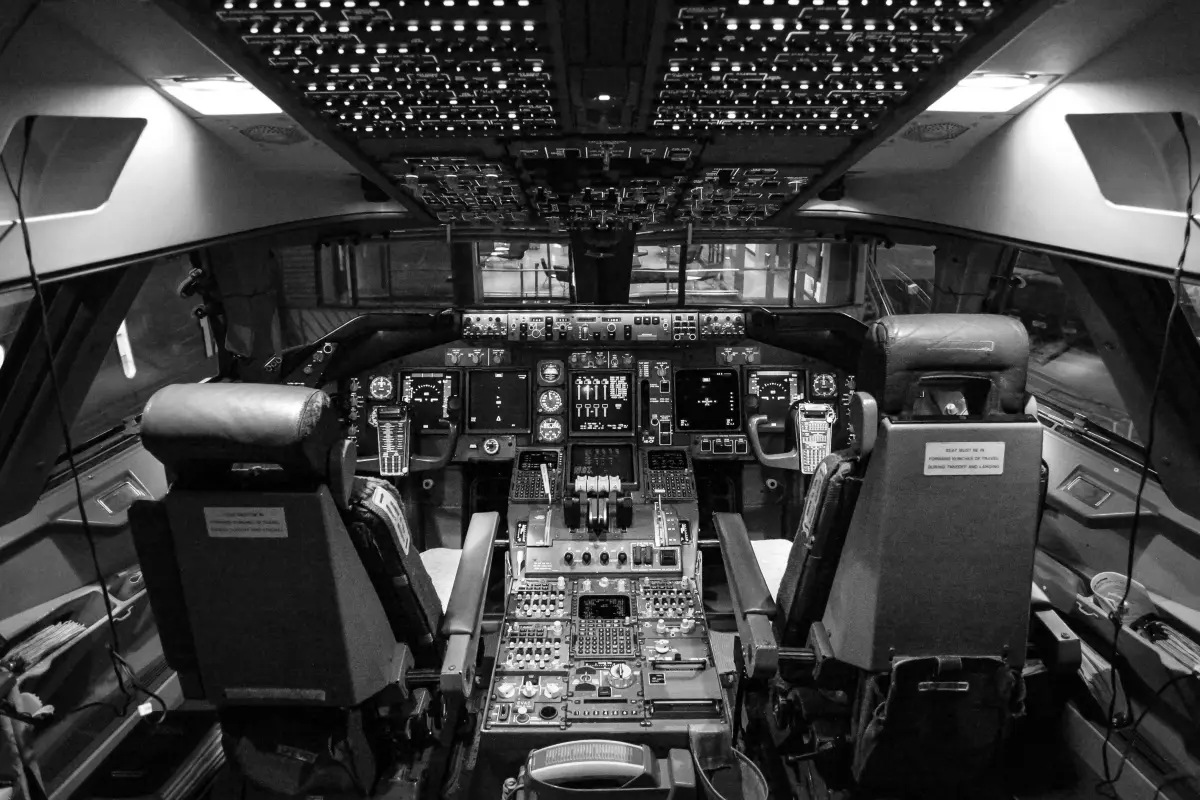
India's DGCA has approved Air India's transition to electronic technical logbooks for its 54-strong widebody Boeing 787 and 777 fleet.
Key Takeaways
- •Air India migrates 54 Boeing widebodies to electronic technical logbooks.
- •DGCA approval authorizes digital records for 787 and 777 fleet maintenance.
- •Real-time digital reporting aims to improve aircraft dispatch reliability.
- •Air India is among the first to fully implement eTLs for the 787.
Air India Digital Transformation
Air India has officially transitioned its widebody fleet to Electronic Technical Logbook (eTL) systems following regulatory approval from the DGCA (Directorate General of Civil Aviation). This move marks a significant shift in Air India digital logbooks implementation, replacing traditional paper-based maintenance records with a unified digital platform. The initiative covers the airline's widebody Boeing fleet, which includes 27 Boeing 787-8s and 27 Boeing 777s (comprising 19 777-300ERs and 8 777-200LRs), as detailed in the Air India Fact Sheet.
According to the official press release, the DGCA electronic technical logbook approval allows the carrier to utilize digital data as the primary record for maintenance and technical status. Air India has now fully implemented the system across its entire active Boeing 787 widebody fleet, positioning itself among the first airlines to achieve this scale of paperless maintenance for the aircraft type.
Operational Impact and Stakeholder Benefits
The transition to Air India ETL implementation provides immediate benefits to the airline’s engineering and maintenance teams. By replacing manual paperwork with real-time digital reporting, the airline aims to accelerate defect resolution and enhance data accuracy. Jeremy Yew Jin Kit, Senior Vice President of Engineering & Maintenance at Air India, noted that the digital platform facilitates seamless collaboration between flight operations, engineering, and the regulator.
For flight operations and dispatchers, the primary advantage is improved aircraft dispatch reliability. Real-time visibility into an aircraft's technical status reduces delays previously associated with processing physical logbooks. Furthermore, the DGCA benefits from enhanced data integrity and streamlined oversight, as digital records provide a more traceable audit trail for regulatory compliance.
Digitalization Trends in Maintenance
The move aligns with broader aviation digital transformation trends, where carriers are increasingly adopting digital platforms to optimize maintenance governance. The industry is shifting toward predictive maintenance analytics, which rely on the consistent, structured data provided by eTL systems to identify potential technical issues before they result in unscheduled downtime.
This transition mirrors historical precedents in the industry. For example, in the mid-2010s, Air New Zealand successfully deployed digital logbooks across its Dreamliner fleet. That implementation resulted in the elimination of paper records and a measurable increase in predictive maintenance capabilities—a benchmark that supports the current strategy at Air India as it seeks to modernize its technical operations.
Technical Logbook Integration
| Metric | Air India Implementation | Industry Standard |
|---|---|---|
| Record Format | Fully Digital (eTL) | Paper / Hybrid |
| Data Accessibility | Real-time | Batch Processing |
| Regulatory Status | DGCA Approved | Varies by Region |
Future Maintenance Milestones
Following the successful rollout on the Boeing 787 fleet, the focus now shifts to the full integration of the Boeing 777 fleet. The airline is expected to complete the transition for the remaining 27 aircraft in the coming months. This phased approach ensures that the engineering teams maintain consistent safety standards while migrating complex technical data from legacy paper systems. As the airline continues its fleet modernization program, the integration of these digital processes remains a critical component of its operational efficiency strategy.
Why This Matters for Fleet Governance
The move to a paperless environment is more than a procedural update; it represents a fundamental change in how Air India manages its technical assets. By centralizing maintenance data, the carrier is better positioned to leverage analytics for long-term fleet health and cost management. For the global aviation industry, this successful implementation serves as a case study for large-scale digital migration in complex widebody operations, signaling a departure from legacy maintenance workflows toward a more agile, data-driven future.
Frequently Asked Questions
- What is an Electronic Technical Logbook (eTL)?
- An Electronic Technical Logbook is a digital platform that replaces traditional paper-based aircraft maintenance and technical records, enabling real-time data sharing and improved maintenance tracking.
- Which aircraft in Air India's fleet are using the new digital logbooks?
- The digital logbook implementation covers Air India's widebody Boeing fleet, consisting of 27 Boeing 787-8s and 27 Boeing 777 aircraft.
From airline operations to fleet updates, commercial aviation news lives at omniflights.com. Get the latest updates on major hubs, regional terminals, and airport operations via the Airports section at omniflights.com/airports.

Written by Ujjwal Sukhwani
Aviation News Editor & Industry Analyst delivering clear coverage for a worldwide audience. Covers flight operations, safety regulations, and market trends with expert analysis.
Visit ProfileYou Might Also Like

EasyJet Cuts 700k Winter Seats as Fuel Costs Climb
PIA to Lease Two Norse Atlantic 787-9s for UK Routes
Kalitta Air Evaluates Airbus A350F for Cargo Modernization

American Airlines Expands Starlink to 1,000+ Mainline Jets

Emirates May Convert 35 Boeing 787s to 777X Jets